PRC 112: Digital Marketing Practicum — Pokhara University

Faculty of Management Studies • Year 2, Semester III • Credit hours: 1.0 • Total hours: 16 • Level: Bachelor (BBA/BBA-Finance/BBA-TT)

Course code: PRC 112 Nature: Practical • Continuous Evaluation (No Semester-End Exam) Pass marks: 60 (Full marks: 100) 📄 View Syllabus
16 Modules
8 Assignments
19 Slides
6 Templates
4 Videos
ℹ️ Overview

Eight practical modules aligned with the 16-hour practicum. Each module includes objectives, hands-on activities, deliverables, and a quick rubric that matches its assignment.

1

Module 1: Introduction to Digital Marketing

Overview of digital marketing, key channels, and setting up your personal/small-business brand online.

⏱️ 1 hour
2

Module 2: Website Development and Optimization

Create a simple website/landing page and apply UX and on-page SEO fundamentals.

⏱️ 3 hours
3

Module 3: Content Creation for Digital Marketing

Develop content pillars, a content calendar, and produce sample assets (blog, short video, or infographic).

⏱️ 4 hours
4

Module 4: Social Media Marketing

Audit platforms, define strategy, and plan a one-week social campaign with scheduling.

⏱️ 2 hours
5

Module 5: Search Engine Marketing (SEM)

Keyword research, drafting Google Ads campaign structure, and writing ad copies (simulation — no spend).

⏱️ 1 hour 15 min
6

Module 6: Email Marketing

List building principles, segmentation, and designing a welcome sequence using a free tool.

⏱️ 1 hour
7

Module 7: Analytics, Reporting & Optimization

Analyze campaign data, optimize performance, and create a final report.

⏱️ 1 hour 15 min
8

Module 8: Practical Project and Presentation

Present your digital marketing practicum project to the class (6-8 mins).

⏱️ 2 hours 30 min

Eight practical assignments (one per module). Each builds on your semester-long project. Together they make up the full 100-point course grade.

M1

Assignment 1: Project Setup & Digital Marketing Foundation

Set up your practicum project and essential digital marketing accounts

M2

Assignment 2: Website Setup & Optimization

Build your project website, ensure mobile responsiveness, and implement basic SEO.

M3

Assignment 3: Content Strategy & Creation

Develop a content strategy, plan a calendar, and create high-quality content

M4

Assignment 4: Social Media Strategy & Campaign

Define your social media strategy and execute a 1-week campaign

M5

Assignment 5: SEM Strategy & Google Ads

Conduct keyword research and design a Google Ads campaign

M6

Assignment 6: Email Marketing Campaign

Set up an email marketing system and write a welcome sequence.

M7

Assignment 7: Analytics & Reporting

Set up Google Analytics 4, implement UTM tracking, and create a performance report

M8

Assignment 8: Final Project & Presentation

Consolidate your semester work into a final portfolio and present it

Lecture and session slide decks for each module. Open a deck for full-screen presentation mode.

Module 1 : Introduction to Digital Marketing

M1

Module 1: Introduction to Digital Marketing

Comprehensive slides covering digital marketing overview, key channels, and practical setup for PRC 112 practicum.

Module 2 : Website Development and Optimization

M2

Module 2: Website Development and Optimization

Comprehensive slides covering website creation, UX principles, and on-page SEO fundamentals for PRC 112 practicum.

M2

Module 2.1: Website Platforms & Structure

Comparing website platforms, choosing the right option, and structuring essential pages.

M2

Module 2.2: UX Principles & Basic SEO

User experience fundamentals and introduction to on-page SEO basics.

M2

Module 2.3: Advanced SEO & Optimization

Image optimization, internal linking, content quality, and technical SEO implementation.

Module 3 : Content Creation

M3

Module 3: Content Creation and Management

Slides covering content pillars, content calendar creation, and producing engaging content assets.

M3

Module 3.1: Content Pillars & Strategy

Defining content pillars, understanding content marketing fundamentals, and building strategic themes.

M3

Module 3.2: Content Calendar & Formats

Building strategic content calendars, understanding posting frequency, and planning content formats.

M3

Module 3.3: Content Creation & Production

Producing high-quality content assets including blog posts, videos, and infographics.

M3

Module 3.4: Overview of CMS & WordPress

Introduction to Content Management Systems (CMS) and getting started with WordPress.com

Module 4 : Social Media Marketing

M4

Module 4: Social Media Marketing

Platform strategy, content planning, and social media campaign execution.

M4

Module 4.1: Social Media Platform Strategy

Understanding major platforms, choosing the right channels, and optimizing profiles.

M4

Module 4.2: Campaign Planning & Execution

Planning social media campaigns, content scheduling, engagement strategies, and hashtag optimization.

M4

Canva Walkthrough: Creation and scheduling of posts on social media

Step-by-step walkthrough of creating and scheduling social media posts using Canva.

Module 5 : Search Engine Marketing

M5

Module 5: Search Engine Marketing (SEM)

Comprehensive guide to Google Ads: Keyword research, campaign structure, ad copywriting, and landing pages.

Module 6 : Email Marketing

M6

Module 6: Email Marketing

List building, segmentation, and email campaign design fundamentals.

Module 7 : Analytics & Reporting

M7

Module 7: Analytics & Reporting

Comprehensive guide to Google Analytics 4 (GA4), UTM tracking, and creating actionable reports.

Module 8 : Project & Presentation

M8

Module 8.1: Project Consolidation & Presentation Prep

Consolidating all module deliverables into a cohesive digital marketing strategy and preparing professional presentations.

M8

Module 8.2: Final Project Presentations & Feedback

Delivering final project presentations, receiving peer and instructor feedback, and reflecting on the digital marketing practicum journey.

Download-ready templates and tools to accelerate your practicum work.

📋

Project Brief: Digital Marketing Practicum

Comprehensive overview of the semester-long practicum project with goals, audience, channels, and KPIs.

📋

Content Calendar Template (2 Weeks)

A lightweight 2-week content calendar structure across channels with UTM placeholders.

📊

Presentation Rubric — PRC 112

Grading rubric for the 6–8 minute final presentation (detail score /30 → converts to 10 course points).

📈

Weekly Activity Log — PRC 112

Structured log to record weekly practicum work and evidence.

Practicum Completion Checklist — PRC 112

One-page checklist to ensure all deliverables are ready before presentation.

On-Page SEO Checklist — PRC 112

Page-by-page on-page SEO checklist for your practicum website (Home, About, Contact/CTA).

Help videos for Google Classroom submission and Assignments 1–3. Modules 4–8 currently rely on in-class demos and the slide decks.
Course Submission Guides

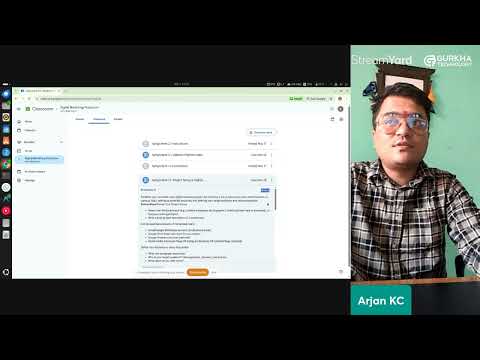
How to submit assignments in Google Classroom

How to submit assignments in Google Classroom

Watch on YouTube

Unit 1: Introduction to Digital Marketing

Assignment 1 Help

Assignment 1 Help

Watch on YouTube

Unit 2: Website Optimization & SEO

Assignment 2 Help

Assignment 2 Help

Watch on YouTube

Unit 3: Content Creation & Marketing

Assignment 3 Help

Assignment 3 Help

Watch on YouTube

⚡ Quick Concepts

Short explainers you can skim in 2–3 minutes before starting activities. These connect directly to your weekly deliverables.

💡

Owned, Earned, and Paid Media

Balance short‑term reach, long‑term assets, and credibility with the OEP model.

💡

North Star Metric & KPIs

Pick one outcome that defines success and align 3–5 KPIs to move it weekly.

💡

Digital Customer Journey

Map Awareness → Consideration → Conversion → Loyalty to plan timely touchpoints.

🎓 Practical Project & Presentation

Students complete a practical digital marketing project and present their work in class for feedback and discussion.

  • Choose one: Personal brand, small business, campus club, or simulated client brief.
  • Build a minimal digital presence (website or landing page + at least two channels).
  • Create a two-week content calendar with UTM tracking plan.
  • Run simulations or drafts (no paid spend required) for Google Ads and Email.
  • Prepare a 6–8 minute presentation with evidence (screenshots/links).

Start with the Project Brief Template and review the Presentation Rubric.

🧭 Methods of Instruction

Interactive sessions, workshops, simulation exercises, live demos, short case discussion, self-assessments, feedback and coaching.

✅ Evaluation & Students' Responsibilities

Course grade (100 points)

Continuous assessment only — no semester-end exam.

  • Assignment 1 — Project setup (5)
  • Assignment 2 — Website & SEO (10)
  • Assignment 3 — Content strategy (15)
  • Assignment 4 — Social campaign (15)
  • Assignment 5 — SEM / Google Ads (15)
  • Assignment 6 — Email campaign (10)
  • Assignment 7 — Analytics & reporting (10)
  • Assignment 8 — Portfolio (10) + presentation (10)

Presentation detail: use the /30 rubric and convert to 10 points (score × 10/30).

Pass marks: 60/100 • Attendance: 80% minimum (pass/fail gate, not separate points)

Students' Responsibilities

  • Attend at least 80% of sessions
  • Submit module deliverables on time
  • Maintain weekly activity log
  • Use own words and cite sources (no plagiarism)
  • Act ethically when using live accounts or data