Search Engine Marketing (SEM) in Nepal
Search Engine Marketing (SEM) is the combined search plan: SEO for unpaid rankings and PPC for paid placements on Google. Arjan KC and Gurkha Technology treat those as one Nepal SERP system — same keywords, landing pages, and conversion tracking — not two disconnected retainers. Read the short definition: SEM.
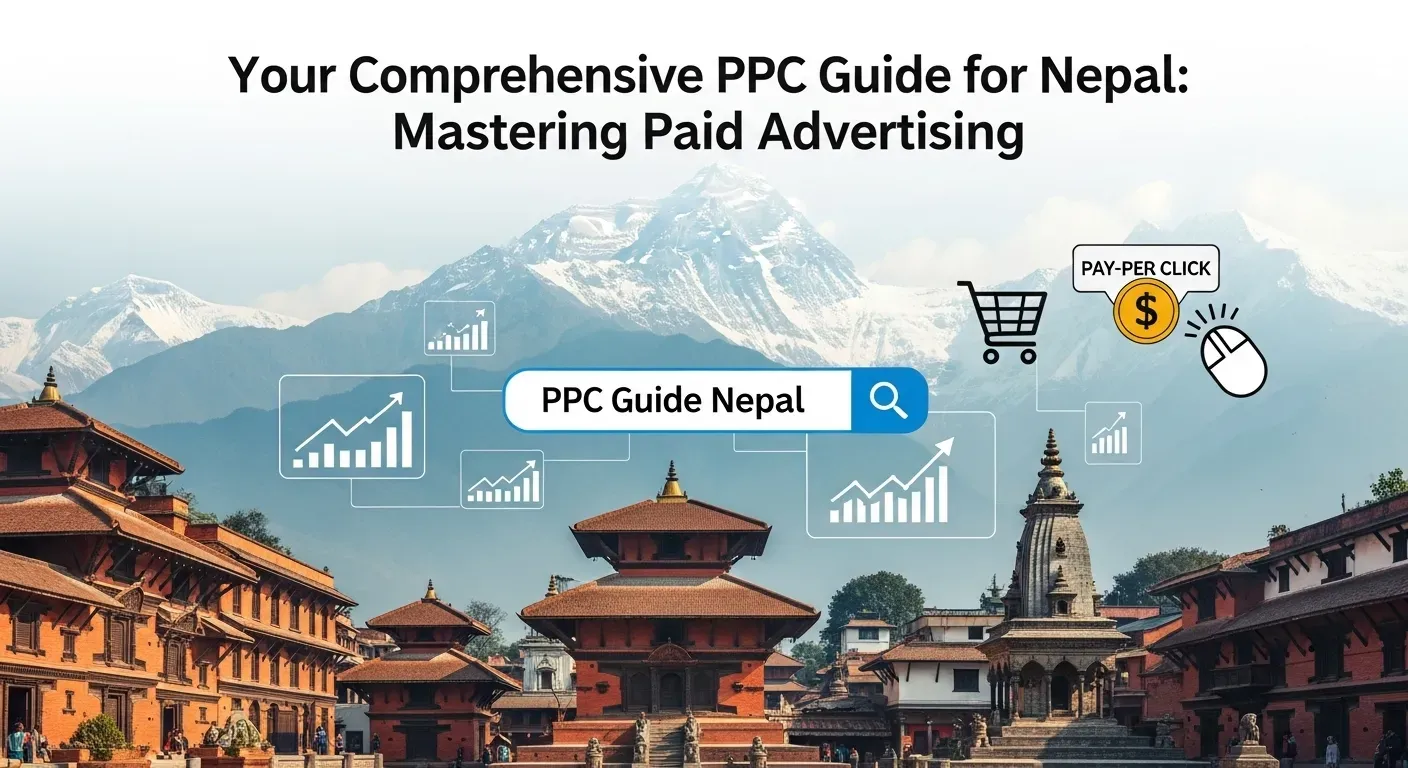
Why SEM as one plan
Nepal SMEs often buy ads for terms they will never rank for organically (or run SEO with no paid coverage on high-CPC service queries). SEM maps query intent first: brand, “near me,” and commercial heads. Organic captures what you can earn; paid covers gaps, seasonality (Dashain), and tests. CPC, CTR, and ROAS sit on the paid side; rankings, backlinks, and Maps sit on the organic side; shared KPI is usually leads or revenue, not traffic.
How it is run here
- Query map in English and romanized Nepali.
- Landing pages with a single CTA (form, call, or WhatsApp) — landing page work.
- GA4 + ads conversion tracking — tracking.
- Paid tests inform SEO briefs; SEO winners can lower paid bids over time.
Published search cases: case studies (education PPC, fashion SEO, clinic Maps). Walkthrough: SEM as one Nepal search plan.
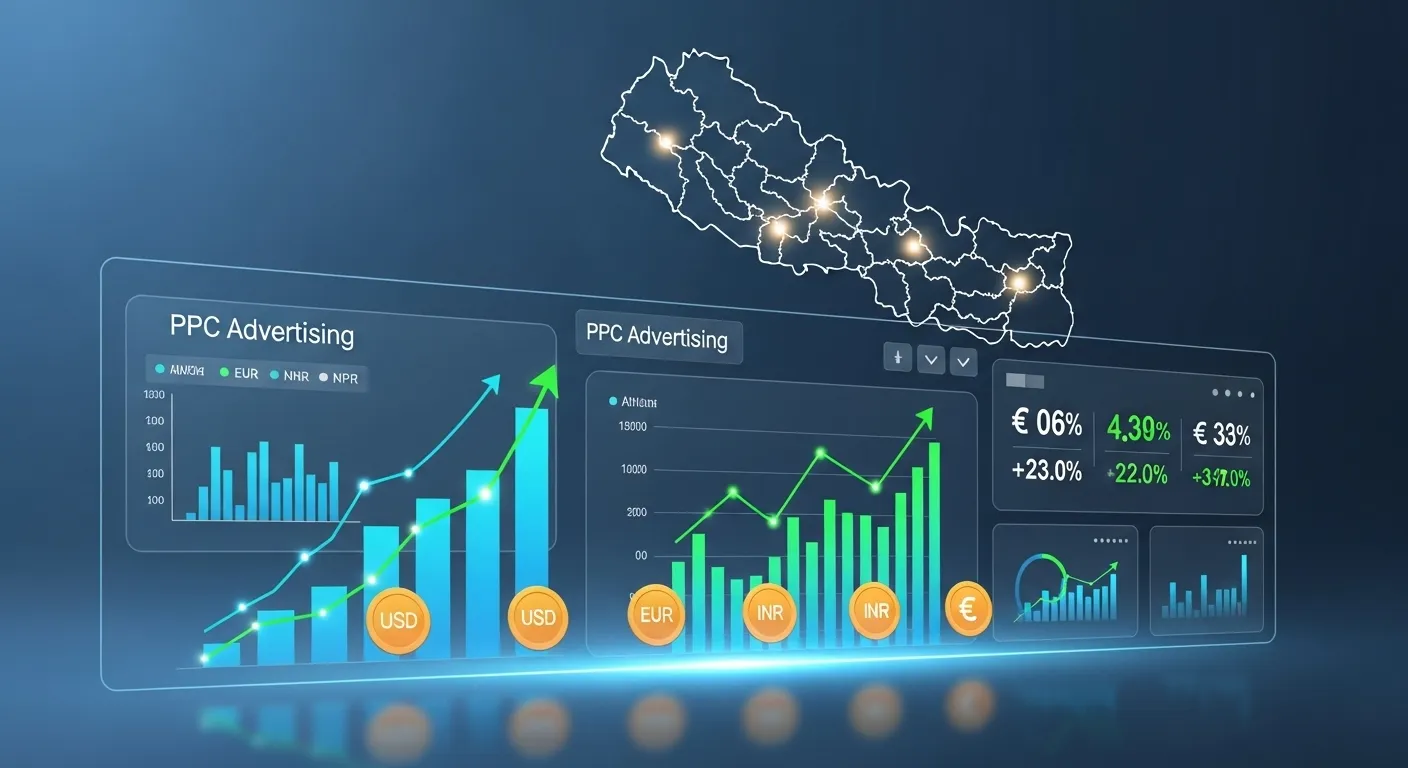
Nepal SERP realities
Queries mix English, romanized Nepali, and Maps “near me.” Festival CPC lifts on commercial heads; organic winners reduce paid reliance over time. Dollar-card billing and account ownership: billing note · ownership.
Published search outcomes
Education PPC CPL cut ~40% at held budget (case); fashion e-commerce organic sessions ~487% (case); clinic Maps ~340% views (case). Targets are set after your audit — not copied between cities.
SEM playbook for Nepal SMEs
Treat the SERP as one board. Brand terms, “near me,” and commercial heads get an organic task and a paid task. If you only buy ads, you rent the click forever. If you only write blogs, you miss high-CPC service queries you will not rank for this quarter. Arjan KC runs that map through Gurkha Technology when the account needs team capacity.
Query classes
- Brand: Protect with exact/phrase Search even when you rank. Competitors will bid your name in festival weeks.
- Local: Maps pack plus a city or neighbourhood page — local SEO.
- Commercial heads: Paid covers the gap while SEO builds category pages. Education example: destination-country splits on the consultancy PPC case.
- Research: Content and YouTube; paid is usually waste unless the landing is a guide with a soft CTA.
Nepal constraints
Dollar-card billing, bilingual RSAs, and WhatsApp as a conversion action are normal here. See billing, RSA, and call vs WhatsApp. Dashain CPC lifts on commercial heads — plan landings before you raise budgets.
What SEM is not
SEM is not “SEO plus a random Facebook boost.” Social sits on SMM. SEM is Google (and Bing where relevant) organic + paid. Quality Score is a landing-page and relevance problem more often than a bid problem.
Measurement
Shared KPI is usually qualified leads or revenue, not blended “traffic.” Paid reports CPC, CTR, and CPA/ROAS. Organic reports rankings, landing-page sessions, and Maps actions. Both need the same GA4 events. Tracking: conversion tracking.
SEM FAQ
Is SEM the same as Google Ads?
No. Google Ads is the paid tool. SEM is organic SEO plus paid search on the same query map, landings, and tracking.
Should a Nepal SME pause ads if they rank?
Brand and high-CPC heads are still worth covering when competitors bid. Pause waste, not the whole account, after search-term review.
Where are numbered search results?
On case studies (education PPC, fashion SEO, clinic Maps). Targets are set after your audit.
Handoff between SEO and paid
Weekly, Search Console queries that already convert in Ads but sit on page two become SEO tickets. Queries that never convert in Ads and have no landing page get paused, not “optimized” with more blogs. Queries that convert in Ads with a weak Quality Score become landing-page tickets — CRO/landing, not a bid bump.
Education consultancies often keep Search live while destination-country pages mature. Trades often keep emergency campaigns even after Maps improves, because after-hours demand is paid-first. Fashion D2C usually needs crawl and IA before more Shopping spend. Those three patterns are the published objects at /case-studies/, not a template for every brief.
Budget split without a fake formula
There is no universal “70% SEO / 30% ads” split. A new clinic with a thin GBP should weight Maps and local pages. A consultancy with an intake deadline should weight Search. A catalog site with index bloat should weight technical SEO before PMax. Named retainers: hire.
When SEM is the wrong first hire
If the Google Ads account is not in the client’s login, start with ownership, not a new campaign. If there is no money page that names the service and city, writing more blogs will not fix Quality Score. If Maps is the actual demand (clinic, trades), SEM still needs GBP work in the same month — local SEO.
Do not pause brand Search because you “already rank.” Competitors bid names in festival weeks. Do not keep PMax on a broken feed. Go/no-go: PMax note.
Who this is for
Nepali businesses that need a digital marketing system (search, paid, social, content, measurement) rather than a posting retainer. Hire the person for scoped work: packages. Hire the company when you need team capacity: Gurkha Technology.
Next
Full stack map · Hire Arjan · Contact
Get the free Nepal digital marketing checklist
Two fields, then we open a WhatsApp chat with your details already filled in — no newsletter, no spam.