
SaaS Ideas for Solo Founders: Low-Cost, High-Margin Opportunities in 2026
Most SaaS companies are built by teams with venture capital behind them. But profitable micro-Saa...
Faculty of Management Studies • Year 2, Semester III • Credit hours: 1.0 • Total hours: 16 • Level: Bachelor (BBA/BBA-Finance/BBA-TT)
Eight practical modules aligned with the 16-hour practicum. Each module includes objectives, hands-on activities, deliverables, and a quick rubric.
Overview of digital marketing, key channels, and setting up your personal/small-business brand online.
⏱️ 1 hourCreate a simple website/landing page and apply UX and on-page SEO fundamentals.
⏱️ 3 hoursDevelop content pillars, a content calendar, and produce sample assets (blog, short video, or infographic).
⏱️ 4 hoursAudit platforms, define strategy, and plan a one-week social campaign with scheduling.
⏱️ 2 hoursKeyword research, drafting Google Ads campaign structure, and writing ad copies (simulation — no spend).
⏱️ 1.15 hoursList building principles, segmentation, and designing a basic email campaign using a free tool.
⏱️ 1 hourAnalyze campaign data, optimize performance, and create a final report.
⏱️ 1.15 hoursPresent your digital marketing practicum project to the class (6-8 mins).
16 practical assignments aligned with each class session. Each assignment builds progressively on your semester-long project.
Set up your practicum project and essential digital marketing accounts
Build your project website, ensure mobile responsiveness, and implement basic SEO.
Develop a content strategy, plan a calendar, and create high-quality content
Define your social media strategy and execute a 1-week campaign
Conduct keyword research and design a Google Ads campaign
Set up an email marketing system and write a welcome sequence.
Set up Google Analytics 4, implement UTM tracking, and create a performance report
Consolidate your semester work into a final portfolio and present it
Download-ready templates and tools to accelerate your practicum work.
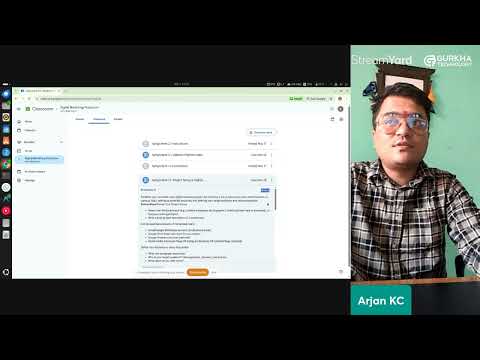

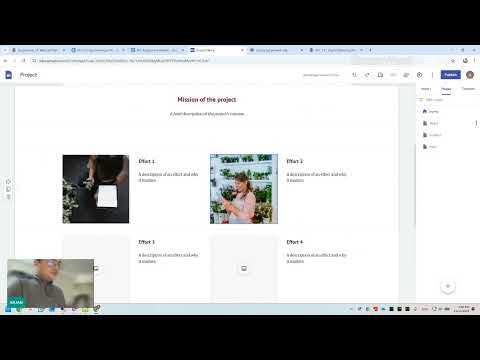

Short explainers you can skim in 2–3 minutes before starting activities. These connect directly to your weekly deliverables.
Students complete a practical digital marketing project and present their work in class for feedback and discussion.
Start with the Project Brief Template and review the Presentation Rubric.
Interactive sessions, workshops, simulation exercises, role plays, real case analysis, self-assessments, feedback and coaching.
Pass marks: 60/100 • Attendance requirement: 80%
Most SaaS companies are built by teams with venture capital behind them. But profitable micro-Saa...

A niche blog built around high-CPC keywords and strong affiliate products can reach $1,000/month ...

Explore the 2026 landscape of online watch parties. Our guide details the best third-party tools,...
Have questions about digital marketing in Nepal? Let's connect and discuss how data-driven strategies can grow your business.