Podcast Marketing in Nepal: Starting a Show, Guesting, and Sponsorships (2026)
Long conversations have become a popular format in Nepal, mostly watched as video podcasts on YouTube and shared as short clips. For brands and professionals, podcasts build trust in a way ads cannot: listeners spend an hour hearing how you think. This guide covers three ways to use them: guesting, sponsoring, and starting your own show.
Option 1: Be a guest on existing shows
Guesting is the fastest, lowest-cost way to start:
- Find shows your customers watch: business, technology, health, education, parenting, travel, or your industry.
- Pitch a specific topic, not yourself: “Three mistakes first-time home buyers in Kathmandu make” is easier to accept than “I’d like to be on your show”.
- Bring stories and examples, not a sales pitch. Hosts and audiences dislike guests who advertise.
- Promote the episode on your own channels and thank the host publicly.
- Ask for a link in the description to a useful page on your site, tagged with the UTM builder.
Option 2: Sponsor a show
- Choose shows by audience fit, not just view counts. Ask for audience location, age, and watch-time data.
- Host-read mentions in the host’s own words usually feel more natural than a scripted ad.
- Use a unique code or link per show to track results.
- Start with a few episodes before committing to a long deal.
- Make sure sponsorship is clearly disclosed to viewers.
To compare value with other channels, use the influencer campaign calculator; the same cost-per-view and cost-per-sale logic applies.
Option 3: Start your own podcast
Is it right for you?
Start only if you can answer yes to all three:
- Do you have at least 20 episode ideas your customers would care about?
- Can you publish on a regular schedule, such as every two weeks, for at least six months?
- Do you have someone to handle recording, editing, and publishing?
Formats that work
- Interviews with customers, experts, or partners.
- Q&A episodes answering real customer questions.
- Explainers on topics in your field, in Nepali, English, or both.
- Stories: behind the scenes of your business or industry.
Simple equipment
You can start with:
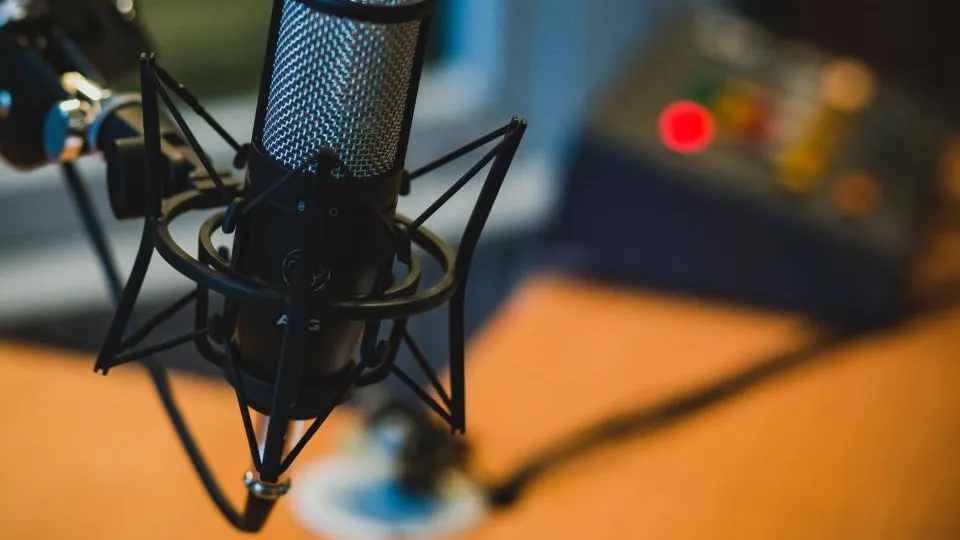
- Two microphones, such as wired lavalier (clip-on) mics or USB microphones, so each person is recorded clearly. Poor sound loses listeners faster than poor video.
- A phone or camera on a tripod for each person, or one wide shot.
- A quiet room with soft furnishings to reduce echo. Avoid rooms next to busy roads.
- Steady light, such as a window or two simple LED panels.
- Backup power for longer sessions.
Publishing
- Upload the full video to YouTube, with a clear title, description, chapters, and thumbnail. See YouTube SEO and marketing in Nepal.
- Publish the audio on podcast platforms if your audience uses them.
- Cut three to five short clips per episode for Reels, Shorts, and TikTok. Each clip should make sense on its own.
- Turn the episode into a blog post or summary on your website, with a transcript where possible.
Getting guests
- Start with people you know: customers, partners, and colleagues.
- Share questions in advance and agree on the length.
- Get permission to publish, and send guests the clips to share.
Measuring results
Podcasts build trust over time, so measure more than views:
- Watch time and average view duration, not just view counts.
- Subscribers and returning viewers.
- Clip performance on short-form platforms.
- Website visits and enquiries from tagged links.
- New customers who mention the podcast when asked how they found you.
- Sales conversations that are shorter because prospects already trust you.
Common mistakes
- Starting a show, publishing three episodes, and stopping.
- Poor audio from a single phone microphone across the table.
- Turning every episode into an advertisement.
- Long introductions before anything useful happens.
- Not cutting clips, so nobody discovers the full episodes.
Key takeaways
- Start by guesting on shows your customers already watch.
- Sponsor shows for audience fit, with host-read mentions and tracking codes.
- Start your own show only with topics, a schedule, and help.
- Record video, prioritise clear audio, and cut short clips from every episode.
- Measure watch time, enquiries, and mentions, not just views.
How this fits the stack
Podcasts sit inside video marketing Nepal and content marketing Nepal, with discovery on YouTube SEO Nepal and clips on short-form content Nepal. For building a professional profile alongside a show, see personal branding for Nepali professionals.
Related dictionary terms
Next step
List five podcasts your customers watch and pitch one specific topic to each this month. For help planning podcast and video content, scope work through hire packages or contact.


