Energy Marketing in Nepal: Solar and Hydropower
Energy in Nepal ranges from rooftop solar on a Kathmandu house to large hydropower projects in remote valleys. The marketing jobs are very different, but they share one requirement: credibility. Customers, communities, lenders, and investors all need accurate information, and exaggeration damages trust quickly.
This guide covers solar installers and suppliers, hydropower developers, and related energy businesses such as battery, inverter, and EV charging providers.
Solar installers and suppliers
Solar marketing behaves like a mix of home services and construction: customers compare quotes, worry about quality and after-sales support, and want to know whether it is worth the money.
Make savings claims honest
- Use a calculator or worked example with stated assumptions: system size, sunlight hours, tariff, and usage.
- Label results as estimates and avoid promising exact payback periods.
- Explain what affects results: roof direction, shading, dust, and how much power is used during the day.
- Explain any grid connection or net metering steps that apply, and direct customers to the utility for current rules.
Hypothetical example: a solar installer publishes a calculator where a household enters its monthly bill and roof area. The result shows an estimated system size and a savings range, with a note that a site visit is needed for an accurate quote. Every calculator result offers a “Book a site visit” button.
Finance Calculator
Use this calculator to estimate repayments or growth before you compare providers.
Show real installations
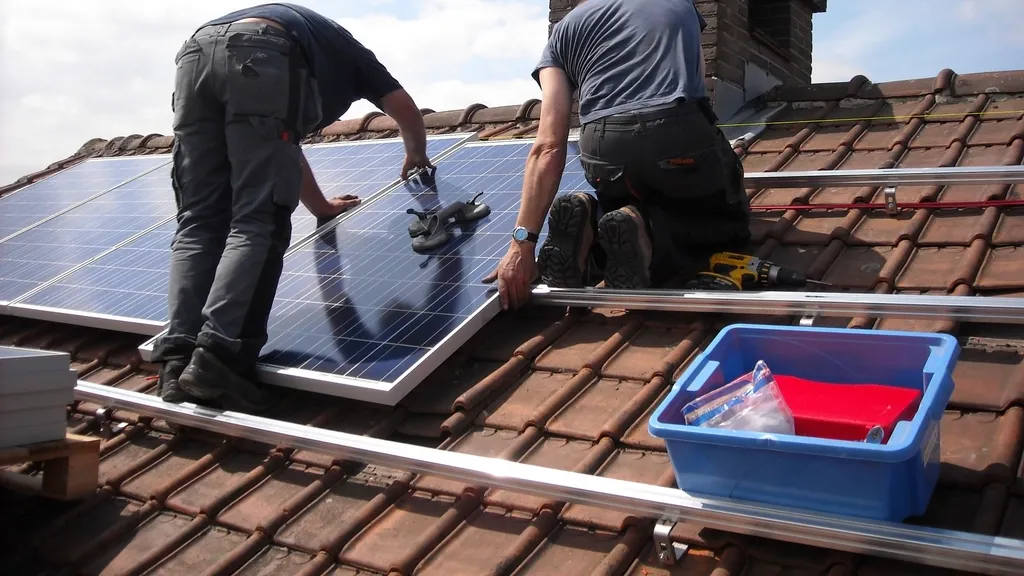
- Project photos and short videos, with customer permission, showing roofs, mounting, inverters, and batteries.
- Case notes with system size, location type, and what the customer wanted to achieve.
- Reviews on Google and Facebook.
- Warranty and service details: who to call, response times, and what is covered.
Reach the right buyers
- Homeowners: Facebook and Instagram targeted by area, Search for “solar installation [city]”, and Google Maps.
- Businesses, schools, and hospitals: Search, LinkedIn, and direct outreach with case studies and financing options.
- Rural and off-grid customers: local dealers, radio, and Facebook in local languages.
See lead generation and local SEO.
Hydropower developers
Hydropower companies talk to several audiences at once, and marketing is mostly communication, not selling.
| Audience | What they need | Channels |
|---|---|---|
| Local communities | Project updates, jobs, benefits, grievances, safety | Local meetings, radio, Facebook in Nepali |
| Shareholders/investors | Required disclosures, reports, AGM notices, contacts | Official website, regulatory filings |
| Lenders and partners | Project details, progress, governance | Website, reports, direct communication |
| Job seekers | Roles, working conditions, location, training | Careers page, LinkedIn, local notices |
| General public | Project facts and contribution to energy supply | Website, media, social media |
Community communication
- Regular updates in Nepali and local languages on construction progress, road works, water flows, and safety.
- A grievance contact that is easy to find and actually answered.
- Local hiring and benefit information, stated accurately.
- Respond to criticism with facts; do not delete or attack. See online reputation management.
Investor information without hype
Many hydropower companies in Nepal are listed or plan to list on the stock exchange. Investor communication is governed by securities rules:
- Keep the official website current with reports, notices, and contact details.
- Publish required disclosures promptly and clearly.
- Avoid promotional language about returns, share prices, or “best investment” claims.
- Get legal review for any investor-facing material.
Recruitment
Projects need engineers, technicians, and local workers. A clear careers page with honest role descriptions, location details, and how to apply attracts better candidates than stock photos of dams.
Batteries, inverters, and EV charging
These businesses usually sell through dealers or direct to consumers and businesses. Treat them like retail or B2B products: product pages with specifications, dealer locators, installation and warranty information, and Maps listings for showrooms and charging locations. See retail marketing and manufacturing marketing.
What to measure
- Solar: site-visit requests, quotes sent, installations completed, and reviews.
- Hydropower: grievance response times, attendance at community meetings, website visits to reports, and job applications.
- Products: dealer enquiries and sales in campaign areas.
Common mistakes
- Savings promises without assumptions.
- Stock photos instead of real installations.
- Hydropower communication only in Kathmandu English.
- Investment-style promotion of shares.
- Deleting critical comments instead of responding.
Key takeaways
- Credibility is the core of energy marketing.
- Solar companies should show savings estimates with assumptions and real installations.
- Hydropower developers should prioritise community, investor, and recruitment communication.
- Keep investor material factual and legally reviewed.
- Measure site visits, quotes, installations, grievance response, and applications.
How this fits the stack
The industry service is described on digital marketing for energy in Nepal. Related pages: construction marketing, digital PR, and online reputation management.
Related dictionary terms
Next step
If you install solar, check that your savings examples state their assumptions. If you develop hydropower, check that your grievance contact is easy to find in Nepali. For help with energy marketing, see hire packages or contact.


