Digital Marketing for Indian Book Industry & Publishers
Digital Marketing for Bookstores and Publishing Houses in India
Industry Overview
The Indian publishing industry and bookstore retail sector represent one of the most dynamic, complex, and linguistically diverse commercial ecosystems in the global market. Operating at the intricate intersection of deep-rooted literary traditions, vast demographic dividends, and rapid technological modernization, the sector encompasses a broad spectrum of stakeholders. These range from multinational publishing conglomerates and national physical bookstore chains to independent regional vernacular publishers, digital-first self-publishing platforms, and localized neighborhood book vendors. To understand the requisite digital marketing strategies for this sector, it is first necessary to dissect the foundational economics, growth trajectories, and systemic challenges that govern the contemporary Indian literary market.
The structural foundation of the Indian publishing industry is heavily skewed toward educational, academic, and professional publishing. According to comprehensive market analyses, educational content constitutes approximately 71% of the total print market. This immense concentration is driven by a massive demographic base of over 250 million active students, coupled with a highly competitive, exam-focused cultural paradigm where academic success is viewed as the primary vehicle for socioeconomic mobility. Consequently, top-tier domestic publishers often specialize heavily in textbook and examination preparation materials. However, alongside this educational monolith, the trade book market—encompassing adult fiction, non-fiction, children’s literature, and premium illustrated books—is experiencing a vibrant, multi-faceted transformation. This shift is being catalyzed by a rising urban middle class, increasing national literacy rates, evolving cultural consumption habits, and the profound influence of global social media trends.
The macroeconomic trajectory of the Indian publishing market indicates a period of unprecedented expansion, distinguishing India as one of the few global markets witnessing consistent double-digit growth in the sector. Historical data reveals that the market valuation scaled from approximately ₹50,000 crore (US 9.3 billion) by the conclusion of 2024. Projections for the immediate future suggest a continued surge, with the total market expected to reach a valuation of US 10.9 billion by 2033. The market is expanding at a robust Compound Annual Growth Rate (CAGR) estimated at 6.3% over the coming decade, though specific digital segments and regional markets exhibit growth rates significantly higher than this average.
Format dynamics within the industry reveal a complex interplay between traditional physical mediums and emerging digital consumption. While global narratives often predict the demise of print, the Indian market demonstrates a resilient and dominant print sector. Print books currently maintain a commanding stronghold, accounting for the vast majority of total book sales volume—ranging from 65% in highly digitized metropolitan areas to upward of 85% in tier-2 and tier-3 cities. Some industry reports suggest that pure digital formats (such as e-books and dedicated audiobooks) account for merely 10% of the core traditional market, with user penetration for e-books expected to hover around 8.1% in 2025. Nevertheless, digital platforms fundamentally dictate how physical books are purchased. E-commerce and digital storefronts account for roughly 35% of all total point-of-sale transactions for physical books, illustrating a landscape where digital discovery is the primary antecedent to physical acquisition.

Several key sociological and commercial trends currently define the publishing landscape. The first is the phenomenon of the vernacular renaissance. Regional language publishing is experiencing a massive revival, challenging the historical dominance of English-language trade publishing. Currently, approximately 45% of all non-textbook sales are conducted in Hindi, Bengali, Tamil, Telugu, and other regional languages. This linguistic diversity is a core driver of the industry’s expansion into non-metropolitan areas and requires highly specialized, localized marketing approaches. Secondly, genre preferences are undergoing significant shifts. Fiction has seen a massive resurgence, with overall fiction revenues in India growing by an astonishing 30.7% year-over-year in recent tracking periods. This growth is heavily concentrated in the romance, fantasy, and thriller genres, propelled by global digital micro-communities such as “BookTok” and “Bookstagram” which have popularized the “Romantasy” sub-genre. Conversely, general non-fiction has seen periods of decline, though specific utility-driven sub-genres like self-help, business management, and personal finance remain robust, exemplified by the enduring success of global bestsellers like James Clear’s Atomic Habits. Furthermore, specific niche genres are flourishing due to digital democratization; poetry sales increased by 18% driven by the rise of highly visual “Insta-poets,” while children’s literature witnessed a 22% growth. Finally, the democratization of publishing has led to over 100,000 new titles being published annually in India. The rise of self-publishing and hybrid publishing models has completely bypassed traditional editorial gatekeeping, allowing niche genres to reach the market rapidly, but simultaneously flooding the ecosystem with unprecedented volume.
Despite these lucrative growth metrics, the Indian publishing and bookstore ecosystem is fraught with systemic, operational, and technological challenges. The industry remains highly fragmented and fiercely competitive, featuring a sprawling network of more than 9,000 individual publishers and 21,000 distinct retail entities. For businesses operating within this matrix, several pressing challenges threaten long-term viability.
The primary challenge involves severe inefficiencies within the traditional value and distribution chain. Unlike mature Western markets characterized by streamlined logistics, the Indian distribution network is highly complex, involving multiple intermediaries, high transportation costs, and chronic physical infrastructure deficits. This results in significantly delayed payment receivable cycles for publishers and makes it exceptionally difficult to maintain robust, diverse physical inventories in independent bookstores located outside major metropolitan hubs.
Secondly, physical brick-and-mortar bookstores face existential threats from e-commerce monopolies and the rapid rise of “quick commerce.” Independent bookstores, much like traditional kirana (neighborhood grocery) shops, struggle to compete with the deep algorithmic discounting, vast digital inventories, and rapid logistical delivery networks of platforms like Amazon, Flipkart, and Blinkit. Studies indicate that city-based physical shops often lose up to 40% of their potential sales to these fast-delivery applications, as urban consumers increasingly prioritize frictionless convenience over the traditional browsing experience.
Thirdly, the widespread digitization of content has drastically exacerbated issues of piracy and copyright infringement. High-quality counterfeit physical copies are frequently sold in informal urban markets, while illegally distributed digital PDFs and EPUB files are freely shared across massive, encrypted messaging networks like Telegram. This shadow economy severely undercuts publisher revenues, diminishes author royalties, and creates a highly uneven playing field for legitimate digital retailers.
Finally, the most critical challenge from a marketing perspective is the discoverability gap. With over 100,000 new titles entering the Indian market annually, the sheer volume of available content creates deafening digital noise. Readers frequently report feeling overwhelmed by choice, causing even highly acclaimed, high-quality literature to become buried beneath algorithmic recommendations. For publishers and bookstores, the cost of acquiring a reader’s attention has skyrocketed. It is exceptionally difficult for debut authors, mid-list titles, and independent stores to achieve sustainable visibility without a highly sophisticated, data-driven digital marketing infrastructure capable of piercing through the saturation.
Digital Landscape in India (Contextual to the Industry)
To engineer and deploy effective digital marketing strategies capable of overcoming the industry’s systemic challenges, it is imperative to conduct a granular analysis of the broader digital landscape in India. Furthermore, one must understand exactly how this digital architecture intersects with literary consumption patterns. India’s digital ecosystem is fundamentally characterized by rapid mobile internet penetration, highly engaged but demographically skewed social media usage, a massive shift toward digital advertising expenditure, and a distinct, rising preference for localized vernacular content.
The macro-level metrics regarding internet and social media usage in India are staggering. Data published at the beginning of 2025 indicates that there were 444 million active social media users aged 18 and above in the country. This massive cohort is equivalent to 43.1% of the total adult population, representing a highly connected audience capable of being targeted through digital channels. Furthermore, approximately 60.9% of India’s total internet user base, regardless of age, engaged with at least one social media platform in early 2025. However, a critical demographic insight for book marketers is the pronounced gender disparity within this digital ecosystem.
Data from top social media ad planning tools reveals that 65.5% of India’s social media user identities are male, while only 34.5% identify as female. This demographic skew remains consistent across all adult age groups and has profound implications for digital marketing strategies, particularly for publishing houses looking to promote genres that traditionally skew toward female readership, such as contemporary romance, domestic thrillers, or certain segments of young adult fiction. Marketers must account for this disparity when calculating customer acquisition costs and defining audience targeting algorithms.
The macroeconomic allocation of corporate advertising budgets further underscores the absolute dominance of digital channels in the modern Indian economy. In the 2025 fiscal year, digital advertising expenditure in India reached a monumental ₹49,000 crore, capturing 44% of total advertising spend across all media formats. This represented a robust 20% year-over-year growth, definitively solidifying digital marketing as the country’s dominant advertising channel. Early projections for FY26 indicate continued, aggressive momentum, with digital ad spends expected to rise to ₹56,400 crore, expanding their share to 46% of the overall market. This systemic transition from traditional print media, outdoor billboards, and television to digital ecosystems is driven by the necessity for advanced methodologies. As Chief Marketing Officers in India note, digital marketing is no longer just “content-first,” but “consumer-first,” allowing businesses to deliver hyperlocal, personalized, and deeply ROI-driven campaigns that traditional media simply cannot execute.
For the publishing industry, understanding where this money is being spent is crucial for competitive positioning. In FY25, the Fast-Moving Consumer Goods (FMCG) and e-commerce sectors completely dominated India’s digital advertising landscape, together accounting for 68% of the total national digital spend (34% each). The e-commerce sector alone posted an impressive 38% growth in ad spend, fueled by aggressive, discount-driven digital campaigns. For independent bookstores and publishers, this means they are bidding for ad space and consumer attention in an ecosystem heavily saturated by massive retail and consumer goods conglomerates. To compete effectively without exhausting limited budgets, book marketers must rely on highly targeted, niche strategies rather than broad-spectrum awareness campaigns.
The platform preferences of Indian readers largely mirror global digital trends but possess highly unique local adaptations and usage behaviors. Visual platforms such as Instagram and YouTube act as the primary engines for top-of-funnel literary discovery. Instagram’s highly visual, aesthetic-driven interface perfectly caters to the Indian “Bookstagram” community. This platform is instrumental in driving the sales of trade books that prioritize physical design, such as poetry collections, premium coffee-table books, and young adult fiction. YouTube, conversely, serves as an educational, long-form review hub. It is highly effective for promoting self-help, business strategy, personal finance, and academic publishing, as users turn to video essays and influencer summaries to guide their purchasing decisions. Professional networking platforms like LinkedIn are also increasingly leveraged by business thought-leaders and non-fiction authors to reach affluent, professional demographics directly. Meanwhile, X (formerly Twitter) remains highly relevant for real-time cultural interventions, political discourse, and the promotion of serious non-fiction or journalistic works, as its retweet mechanism allows for rapid, credible diffusion of information.
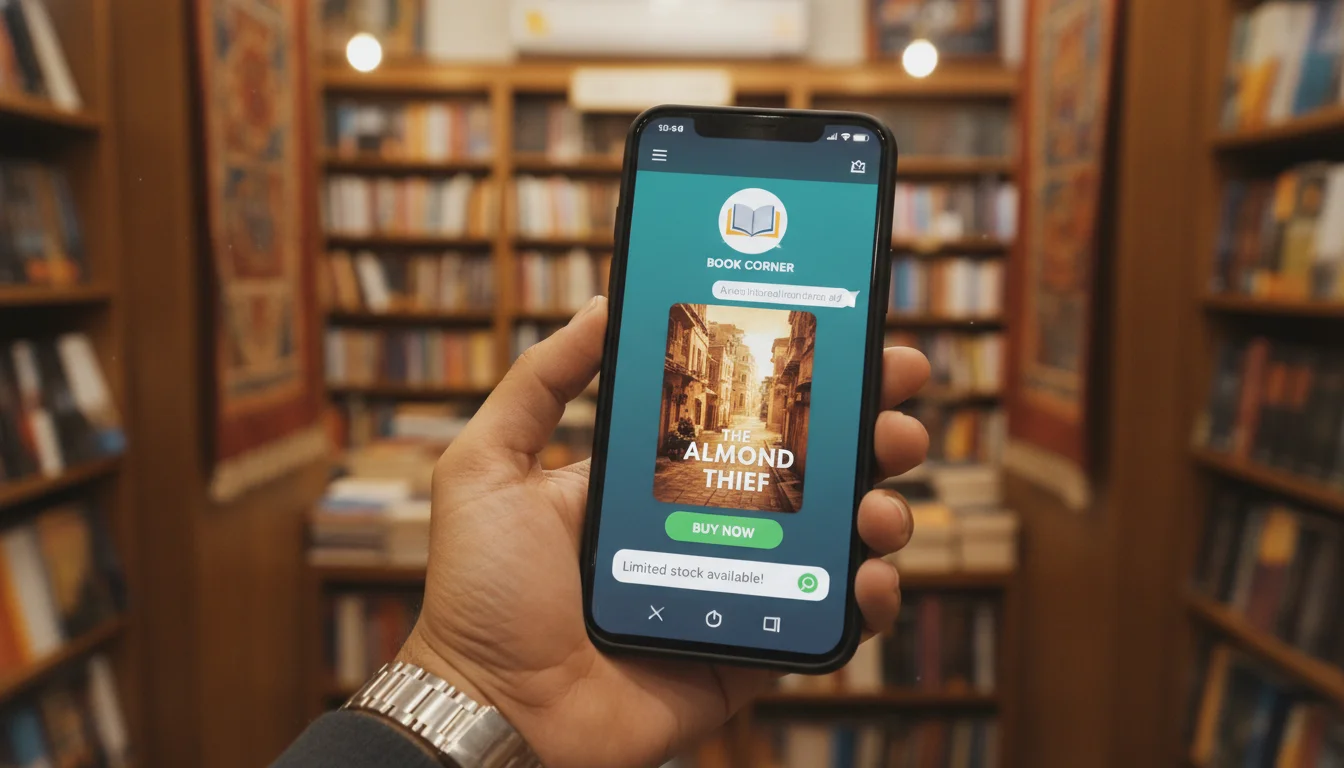
However, the most distinct and critical component of the Indian digital landscape is the reliance on WhatsApp, which represents the core of “Dark Social” marketing. In India, WhatsApp has evolved far beyond a simple peer-to-peer messaging application; it is arguably the most critical platform for middle- and bottom-of-funnel commercial conversions. With unparalleled market penetration that cuts across all socioeconomic tiers and age groups, WhatsApp functions as a robust commercial broadcasting network and a highly intimate Customer Relationship Management (CRM) tool. Because traditional email marketing often suffers from exceedingly low open rates in India, WhatsApp provides a direct, high-visibility conduit to the consumer.
Analyzing consumer online behavior related specifically to books reveals several sophisticated archetypes. A primary behavioral insight is the phenomenon known in marketing literature as “multiplexing.” Modern Indian consumers display a pronounced tendency to utilize multiple digital devices simultaneously—for instance, actively scrolling through a smartphone’s social media feed while passively watching television or streaming content. This behavior drastically fragments attention spans, necessitating marketing interventions that are instantaneous, highly engaging, and capable of capturing attention within seconds.
Furthermore, Indian consumers exhibit a high degree of economic pragmatism and price consciousness during their digital search processes. Search queries related to books are heavily modified with transactional and value-driven terms such as “cost,” “price,” “discount,” “charges,” and “affordable”. However, this price sensitivity is not absolute. When a profound emotional connection is established—often through authentic, vulnerable, and transparent storytelling by an author or brand online—Indian readers display remarkable brand loyalty and a high willingness to bypass discounts to purchase premium physical editions directly from the creator.
A final, critical behavioral insight for the industry is the complementary, rather than cannibalistic, nature of physical and digital formats. Internal data tracking from major Indian retail chains indicates that a significant percentage of heavy digital content consumers still purchase physical books. Surveys reveal that up to 60% of frequent digital users will ultimately purchase a physical copy, often acquiring the tangible edition of a title they have already consumed or sampled digitally. Consequently, the ultimate goal of digital marketing in the Indian publishing sector is rarely solely about selling e-books; rather, digital channels serve as the primary, most effective mechanism for driving high-margin physical book sales and physical bookstore foot traffic.
Digital Marketing Opportunities
The contemporary digital landscape, while complex, provides the precise mechanisms and analytical tools required to systematically circumvent the historical challenges of the Indian publishing industry. By abandoning outdated, broad-spectrum traditional advertising and utilizing highly targeted, data-driven digital strategies, publishers and bookstores can bypass traditional distribution bottlenecks, establish highly lucrative Direct-to-Consumer (D2C) relationships, and cultivate hyper-engaged, fiercely loyal literary communities.
Solving Key Industry Challenges
Digital marketing acts as a direct antidote to the industry’s most pressing systemic issues:
- Mitigating Distribution Inefficiencies: The traditional publishing model relies heavily on a fragmented network of physical distributors, wholesalers, and retailers, all of whom extract significant percentage cuts from the final retail price, thereby compressing publisher and author margins. Digital marketing enables the execution of a robust D2C operational model. By utilizing social media advertising and targeted email/WhatsApp campaigns to drive traffic directly to a publisher’s or independent bookstore’s proprietary e-commerce platform, businesses can completely circumvent the high commission rates of third-party distributors and monolithic e-commerce platforms, retaining significantly higher profit margins and gaining total ownership of the customer data.
- Combating the E-commerce Monopoly: For physical, brick-and-mortar bookstores, the threat of Amazon and fast-commerce apps like Blinkit is existential. However, sophisticated Local Search Engine Optimization (SEO) acts as a powerful digital equalizer. When a consumer experiences an immediate desire for a book, they frequently turn to search engines. By capturing high-intent, location-based searches (e.g., “bookstore near me,” “buy fiction books in City Name”), independent bookstores can drive immediate, highly qualified physical footfall that giant e-commerce logistics networks cannot replicate instantaneously.
- Closing the Discoverability Gap: In a market flooded with over 100,000 new titles annually, hoping a book is discovered organically on a physical shelf is a failed strategy. Digital marketing solves this through granular, psychographic audience targeting and long-tail keyword optimization. Programmatic advertising platforms allow publishers to ensure that niche books are placed directly in the digital feeds of the specific micro-demographics most likely to purchase them. For instance, a highly specialized book on Indian constitutional law can be targeted exclusively to law students and legal professionals within specific geographic radii, entirely eliminating the reliance on serendipitous physical discovery.
Best Strategies for Bookstores and Publishing Houses
To achieve sustainable growth in the Indian market, businesses must move beyond basic social media posting and adopt advanced, multi-layered strategies that prioritize intimate community building, rigorous localization, and mobile-first engagement.
1. WhatsApp Marketing and Dark Social Commerce
Given its universal penetration, WhatsApp is the undisputed cornerstone of Indian digital marketing for conversion optimization.
Forward-thinking independent authors and publishing houses are utilizing WhatsApp to build highly exclusive “First Reader” broadcast lists and private, tightly moderated communities. Unlike traditional email newsletters, which are frequently relegated to spam folders or ignored, WhatsApp messages trigger direct push notifications, achieving near-universal visibility and open rates.
Advanced strategies in this domain include generating dynamic broadcast lists rigorously segmented by genre preference, geographic location, or past purchase history. Publishers use these channels to distribute exclusive multimedia content, such as audio chapter previews, cover reveals, and limited-time discount codes. By integrating automated AI messaging tools like Zotok.ai, businesses can manage these communications at scale, providing personalized recommendations and direct purchase links (routing to their own D2C sites) seamlessly within the chat interface, drastically reducing the friction of the purchasing process.
2. Influencer and Micro-Influencer Marketing Economics
The publishing industry’s reliance on highly expensive celebrity endorsements or massive macro-influencers has proven increasingly inefficient. The strategy has decisively transitioned toward micro-influencer marketing. Micro-influencers within the Indian “Bookstagram” and “BookTok” niches (typically defined as accounts possessing between 10,000 and 100,000 followers) generate significantly higher engagement rates—often averaging 4% to 5% per post, compared to the dismal 1% to 2% average seen with macro-influencers.
Because a micro-influencer’s audience is highly targeted, deeply invested in specific literary niches, and fundamentally trusts the creator’s authentic, parasocial reviews, collaborating with them yields a significantly higher Return on Investment (ROI). For budget-conscious independent publishers and bookstores, this is executed through digital barter systems—providing free physical books, exclusive Advanced Reader Copies (ARCs), or small affiliate commission stipends in exchange for dedicated review posts, unboxing videos, and Instagram Reels.
3. Local SEO Mastery for Brick-and-Mortar Bookstores
For physical bookstores to survive in the digital age, dominating the Google Map Pack is a non-negotiable imperative. This requires a highly technical approach to Local SEO, beginning with claiming, verifying, and rigorously optimizing the Google Business Profile (GBP).
Optimization dictates absolute Name, Address, and Phone number (NAP) consistency across every digital directory and citation site on the internet. Best practices involve utilizing the full 750-character limit in the business description to incorporate local keywords, publishing weekly “Google Posts” detailing in-store author events or new arrivals, and uploading high-resolution interior photos. Crucially, stores must actively solicit and professionally respond to customer reviews, as the velocity, quantity, and sentiment of these reviews are primary algorithmic ranking factors that signal localized authority to search engines.
4. Improvised Marketing Interventions
As Indian consumers become increasingly sophisticated, they have developed profound “ad fatigue” and often view highly personalized, retargeted advertisements as intrusive or “creepy”. To combat this, progressive publishing brands utilize Improvised Marketing Interventions (IMI). These are impromptu, highly humorous, timely, and unanticipated social media messages that capitalize on trending external events or cultural phenomena entirely unconnected to the brand. By reacting to live cultural moments in real-time, brands can bypass algorithmic suppression and achieve organic “virality.” In the context of platforms like X, virality is measured by retweets and shares, which carry immense psychological credibility as the message is pre-screened and endorsed by a user’s peer network, embedding the brand into the broader cultural zeitgeist without necessitating substantial advertising spend.
Local and Global Case Studies
To understand the efficacy of these strategies, one must examine successful applications within the market.
The Power of Dark Social - Bestselling Financial Thriller Author
A compelling case study highlights an independent Indian author who writes bestselling financial thrillers. Recognizing the algorithmic limitations of public platforms like Facebook, the author entirely bypassed traditional social media advertising to launch a new title. Instead, they utilized a highly curated WhatsApp strategy, building specialized broadcast lists of engaged past readers. By delivering exclusive content and direct purchasing links straight to mobile devices, the campaign resulted in massive, immediate engagement and rapid sales spikes, proving that high-touch dark social channels can outmaneuver public algorithmic feeds.
Offline-to-Online Synthesis - The Reading Nook (Pune)
The Reading Nook, an independent, micro-bookstore located in Koregaon Park, Pune, faced the classic existential threat: low foot traffic, an inability to compete with online discounting, and shifting youth habits toward e-books. Recognizing they could not compete on price or inventory volume, the owner strategically pivoted the digital narrative, repositioning the physical store not just as a retail outlet, but as a crucial community hub. Through a combination of hosting innovative in-store events, utilizing localized digital visibility campaigns, and partnering with local marketing networks, the bookstore created a powerful feedback loop. The digital marketing drove awareness of the physical events, and the physical events generated user-generated content for digital marketing. Within a single year, this strategy cultivated a fiercely loyal local audience and successfully tripled the store’s physical walk-in traffic.
Reliance on Virality - The IMI Paradigm
Globally, brands have proven the immense financial efficacy of IMI. The quintessential example remains Oreo’s viral tweet during the Super Bowl blackout, a strategy that generated millions of dollars in earned media without a corresponding ad spend. Indian publishers are increasingly adopting this methodology, maintaining agile social media teams ready to deploy witty, book-related commentary regarding breaking news, sports events, or pop-culture moments, thereby capturing the attention of the “multiplexing” multi-device user in real-time.
Competitive Analysis
An exhaustive analysis of the digital footprints and marketing architectures of India’s leading publishing houses and bookstore chains reveals highly sophisticated, albeit strategically divergent, approaches to audience engagement and revenue generation.
Current Digital Presence of Top Businesses in India
| Competitor | Primary Digital Strategy Focus | Key Strengths and Initiatives |
|---|---|---|
| Penguin Random House India | Multi-Platform Omnichannel & Cultural Intervention | Maintains extreme audience segmentation through dedicated sub-brands (Penguinsters for youth, Penguin Swadesh for vernacular, Penguin Audio). Heavily utilizes Improvised Marketing Interventions for virality. Hosts massive hybrid influencer events like the “Penguin Palooza”. |
| HarperCollins India | Long-Term Engagement & Social Advocacy | Employs external digital agencies (Oktobuzz) to ensure a distinct visual identity. Relies on the strategic SHARE model (Story, How, Audience, Reach, Excellence). Focuses on long-tail brand building through high-profile advocacy campaigns like “Read for Pleasure”. |
| Crossword Bookstores | E-commerce SEO Architecture & Omnichannel Hub | Views physical retail and digital commerce as strictly complementary. Operates a massive e-commerce platform featuring granular SEO siloing (e.g., differentiating specifically between genres). Promotes consistent “Payday Sales” and maintains deep internal linking structures. |
| Oxford Bookstore | Prestige Digital Events & Premium E-commerce | Features a highly advanced website UI/UX utilizing mega-menus and integrated account management. Leverages its digital platform to host and broadcast prestigious cultural awards (Oxford Bookstore Art Book Prize, Book Cover Prize), cementing high-end brand authority. |
What They Are Doing Well
Penguin Random House India excels fundamentally in content segmentation and the psychological understanding of different reader demographics. Recognizing that the Indian market is not monolithic, they operate entirely distinct digital handles and strategies for varying sub-groups. Their blog is a masterclass in inbound content marketing, moving far beyond simple press releases. It features highly interactive quizzes, exclusive chapter excerpts, and “From the Writer’s Desk” editorial insights. This interactive content effectively traps organic search engine traffic and utilizes psychological engagement to convert casual visitors into dedicated newsletter subscribers. Furthermore, their offline-to-online integration is unparalleled. Events like “Penguin Palooza”—which featured authors performing stunts and interactive sessions with hundreds of literary influencers—effectively turn independent micro-influencers into highly motivated, unpaid brand ambassadors who flood social media with user-generated content.
Crossword Bookstores demonstrates absolute mastery in technical Search Engine Optimization and e-commerce site architecture.
Their digital storefront is meticulously categorized into deep, highly specific sub-genres (e.g., separating “Historical & Mythological Fiction” from general fantasy, or creating specific landing pages for manga). This granular hierarchy allows the domain to rank for highly specific, high-intent long-tail search queries. Furthermore, they maintain a consistently updated, journalistically styled blog (“From the Reading Desk”) that features listicles and guides (e.g., “Best Romance Novels to Curl Up With”) specifically designed to capture top-of-funnel informational search queries and direct that traffic seamlessly to product pages.
HarperCollins India focuses heavily on elevating brand perception, visual aesthetics, and sustained cultural engagement. By entrusting their social media mandate to specialized digital communications agencies like Oktobuzz, they guarantee a highly curated, data-led digital communication strategy. They elevate the “cool quotient” of reading through sustained, year-long initiatives like the “Read for Pleasure” campaign, positioning the publishing house not merely as a manufacturer of books, but as a vital champion of Indian cultural enrichment.
Oxford Bookstore successfully bridges the gap between digital convenience and high-end literary prestige. Their e-commerce platform utilizes advanced web components to provide a frictionless shopping experience, complete with dynamic shipping calculators and wishlist functionalities. Crucially, they use their digital real estate to amplify highly respected offline initiatives, such as the Art Book Prize and the Book Cover Prize, leveraging the digital space to maintain their reputation as an arbiter of elite literary taste in India.
Gaps and Opportunities to Outperform Them
Despite the massive resources and market dominance of these incumbent leaders, rigorous analysis reveals several strategic gaps and blind spots that agile independent publishers and tech-savvy bookstores can exploit to gain significant market share:
- Underutilization of Automated WhatsApp Dark Social Commerce: While the top publishing houses rely heavily on highly polished public social media campaigns (Instagram Reels, X debates), there is a distinct lack of scaled, automated, and personalized WhatsApp marketing. Independent publishers can easily outperform industry giants by building intimate, highly responsive WhatsApp broadcast lists that yield superior open and conversion rates compared to algorithm-dependent social media posts.
- Superficial Vernacular SEO Depth: While major players like Crossword and Penguin have established regional categories and vernacular imprints (like Penguin Swadesh), the actual technical depth of their vernacular SEO is often superficial. The optimization of URL structures, schema markup, image alt-text, and meta-descriptions entirely in Devanagari, Tamil, or Bengali scripts is frequently overlooked. Developing a dedicated, technically sound regional SEO strategy presents a massive, unexploited blue ocean for acquiring low-cost, high-intent traffic.
- Lack of Hyper-Local Digital Community Building: National bookstore chains inherently focus their digital strategy on broad, pan-Indian e-commerce sales. Independent physical bookstores can dramatically outperform them at the local level by heavily investing in hyper-local strategies. This involves aggressive Google My Business optimization, implementing local community event schema on their websites, and partnering with neighborhood-level lifestyle influencers, thereby creating a hyper-local digital fortress that national chains cannot penetrate effectively.
Recommended Strategy for Bookstores and Publishing Houses in India
To successfully navigate the hyper-competitive and linguistically fragmented Indian market, businesses must abandon one-size-fits-all marketing methodologies. Instead, they must adopt a sophisticated, hybrid digital strategy that merges high-tech programmatic advertising algorithms with high-touch, intimate community engagement tactics.
Target Audience Personas
Effective digital marketing requires moving beyond generic, broad-stroke demographics (e.g., “women aged 18-35”) to deeply understand specific psychographic and behavioral archetypes within the Indian context. Marketing campaigns must be tailored to address the distinct motivations of the following primary personas:

-
Persona 1: The Urban Gen-Z “BookToker” (Ages 16–25)
- Geographic Location: Concentrated in Tier-1 metropolitan hubs (Mumbai, Delhi NCR, Bangalore, Pune).
- Psychographic Preferences: Purchasing decisions are heavily influenced by global digital aesthetic trends. This persona consumes vast quantities of contemporary romance, fantasy (specifically the “Romantasy” crossover genre), and global Young Adult bestsellers. They consume media almost exclusively via short-form video platforms like Instagram Reels, TikTok (where accessible via global trends), and YouTube Shorts.
- Purchasing Behavior: Highly susceptible to visual marketing. They value beautiful, highly designed book covers, sprayed edges, and special editions. They are highly likely to execute an impulse purchase based directly on a trusted micro-influencer’s emotional review or unboxing video.
-
Persona 2: The Vernacular Aspirant (Ages 22–40)
- Geographic Location: Predominantly located in Tier-2 and Tier-3 cities, or semi-urban areas.
- Psychographic Preferences: Deeply interested in regional language literature, historical and mythological fiction (e.g., Amish Tripathi), localized self-help, and translated works.
- Purchasing Behavior: This demographic retains a massive preference for tangible, physical books (exhibiting an 85% preference rate over digital formats). They rely heavily on WhatsApp for daily communication and news consumption, and they interact with internet search engines using Hindi, Tamil, or Bengali syntax. They are highly economically pragmatic and price-sensitive, frequently utilizing “discount” and “price” search modifiers before making a purchase.
-
Persona 3: The Professional Development Seeker (Ages 25–45)
- Geographic Location: Pan-India distribution, but heavily skewed toward corporate tech and financial hubs (Gurugram, Hyderabad, Bangalore).
- Psychographic Preferences: Voracious consumers of non-fiction, corporate business strategy, personal finance, entrepreneurial biographies, and productivity self-help (e.g., Ankur Warikoo, James Clear).
- Purchasing Behavior: This persona values Return on Investment (ROI) regarding their time. They engage deeply with long-form, analytical content on professional networks like LinkedIn and deep-dive podcasts on YouTube. They possess higher disposable income and are highly willing to purchase premium hardcover editions or subscribe to high-quality audiobooks for commuting.
Recommended Channels and Campaign Types
To effectively reach these diverse personas, marketing budgets must be allocated across a spectrum of advanced digital channels:
- AI-Driven Programmatic Advertising (Google Performance Max): For top and middle-of-funnel acquisition, businesses should deploy Google Ads Performance Max campaigns. This AI-driven campaign type automates ad placements across Google’s entire vast inventory, including Google Search, YouTube pre-roll ads, the Google Display Network, and Google Discover. Because Indian consumers engage in “multiplexing” behavior, Performance Max ensures that a single, unified campaign can track and capture the consumer across various digital touchpoints and devices seamlessly.
- Dark Social Commerce Broadcasting (WhatsApp API): To secure bottom-of-funnel conversions and drive repeat purchases, deploy the WhatsApp Business API to create highly segmented communication channels. Instead of generic newsletters, send personalized, geographically relevant push notifications (e.g., “Hi [Name], we noticed you love historical fiction. Enjoy an exclusive 10% off the new Amish Tripathi hardcover at our Koregaon Park store today only. Click here to reserve.”).
- Hyper-Local Search Engine Dominance: For physical retail stores, the digital focus must remain relentlessly on local optimization. Rigorously optimize the Google Business Profile, build localized landing pages on the main website for each specific store location, and implement local business schema markup in the website’s code to aggressively capture high-intent “bookstore near me” search queries.
Content Ideas Specific to the Industry
Content marketing in the publishing sector must transcend simply posting pictures of book covers. It must foster a parasocial relationship between the creator and the consumer.
- Behind-the-Scenes (BTS) Publishing Transparency: Demystify the traditionally opaque publishing process. Share short-form video content of the printing presses running, the various iterations of cover design conceptualization, or raw, emotional footage of authors unboxing their very first physical copies. This vulnerability builds the profound emotional connection that is vital for long-term brand loyalty.
- Interactive Digital Literary Quizzes: Emulate the highly successful data-capture strategy of Penguin India by hosting interactive personality quizzes on your website (e.g., “Which Indian Mythological Realm Do You Belong In?” or “What’s Your Non-Fiction Reading Personality?”). These quizzes are highly shareable on social media, capture valuable email and WhatsApp leads, and allow marketers to segment users based on their exact genre preferences for future retargeting.
- Author AMAs and Exclusive Live Streams: Host “Ask Me Anything” (AMA) sessions on Instagram Live or YouTube Live featuring authors.
To drive immediate ROI, provide the live audience with exclusive, time-sensitive pre-order discount codes that expire when the broadcast ends, creating urgency and immediate conversion.
Budget-Friendly Digital Marketing Approaches
For independent bookstores and self-published authors operating with constrained capital, resourcefulness and high-leverage tactics are essential:
- The Digital Barter System with Micro-Influencers: Instead of paying exorbitant flat fees to celebrity influencers, execute a digital barter strategy. Provide advanced digital review copies (ARCs) or high-quality physical books to regional micro-influencers (10,000–50,000 followers) in exchange for honest reviews, detailed unboxing videos, and Instagram Reels. This secures highly targeted visibility at the mere cost of goods sold.
- Goodreads Giveaways and Algorithmic List Building: Leverage the massive reader database of Goodreads to host free book giveaways prior to launch. While giving away a small number of books costs very little, the psychological mechanics of the platform ensure that hundreds of users will add the book to their “Want to Read” lists. This generates crucial early buzz, encourages the first wave of user reviews, and artificially boosts the book’s algorithmic visibility across the platform.
- Strategic Cross-Promotional Bundling: Identify and partner with non-competing authors or publishers operating within similar, complementary genres. Execute joint social media shoutouts, co-host live streams, or bundle digital e-books together at a discounted rate. This allows both parties to cross-pollinate their audience bases and acquire new readers at an effective customer acquisition cost of zero.
Keywords & SEO Opportunities
In a digital retail environment where visibility is entirely dictated by complex search algorithms, mastering Search Engine Optimization (SEO) is the primary method for reducing long-term customer acquisition costs. The Indian search landscape is highly nuanced, requiring a sophisticated dual approach: aggressively targeting high-intent commercial keywords while simultaneously building a vast network of long-tail, localized, and vernacular queries.
High-Intent Keywords for Ranking
High-intent keywords are specific search phrases that indicate a user has moved past the general informational gathering stage of the sales funnel and is on the verge of executing a transaction. In the highly price-sensitive Indian market, these keywords are frequently paired with specific value-driven modifiers. Targeting these keywords requires highly optimized, fast-loading product and category landing pages.
| Keyword Cluster Strategy | Implied Search Intent | Strategic Digital Application |
|---|---|---|
| buy online India | Pure Transactional | Must route directly to frictionless e-commerce product pages with clear “Add to Cart” functions. |
| [Genre Name] books price | Commercial Investigation | Best suited for optimized category index pages (e.g., a landing page titled “Romance Books Price & Offers”). |
| best digital marketing course register | High-Intent Action / Commitment | Ideal for academic, educational, and professional development book landing pages. |
| affordable [Genre] books online | Transactional / Price Conscious | Highly effective for dedicated sales, clearance, and seasonal discount landing pages. |
| bookstore near me in [City Name] | Local Navigational | Crucial for Google Business Profile optimization and location-specific store pages. |
Long-Tail Keyword Opportunities (India-Specific)
Long-tail keywords are highly specific phrases—typically comprising three to five words—that possess significantly lower aggregate search volumes but boast exponentially higher conversion rates due to their exact-match psychological intent.
The Regional and Vernacular SEO Advantage: The most significant untapped SEO opportunity in India is vernacular search. Over 500 million Indians currently access the internet and search engines in their native languages. Incorporating vernacular long-tail keywords is a massive strategic advantage, as the domain competition for these specific terms is remarkably low compared to their saturated English equivalents.
- English Long-Tail Examples: Phrases such as “Best historical fiction books about Indian independence,” or “buy contemporary art-deco coffee table books online.” These capture users who know exactly what they wish to purchase.
- Hinglish and Vernacular Modifiers: Indian digital users frequently blend languages or utilize highly specific localized commercial terminology. For instance, searchers often use the terms “charges” or “fees” instead of the standard “cost.” A highly lucrative long-tail strategy involves targeting queries like “UPSC preparation books in Hindi price” or optimizing for queries written entirely in native scripts.
- Event-Specific Long-Tail Queries: Aligning long-tail keyword strategies with the Indian cultural calendar yields exceptionally high click-through rates. Examples include targeting phrases like “Diwali gifting books in Mumbai 2024” or “Best Tamil literature for Pongal festival.”
To effectively capture this vernacular traffic, publishers must ensure their Content Management Systems (CMS) and web architectures are fundamentally configured to handle complex unicode scripts (such as Devanagari, Tamil, and Bengali). They must utilize proper font rendering protocols to avoid high website bounce rates caused by corrupted or illegible text rendering on mobile devices. Furthermore, marketers should leverage advanced automation platforms like Ingram iD, which can automatically generate vast lists of relevant keywords for Google Search Ads, saving hundreds of hours of manual research, while utilizing tools like WordStream to spy on competitors’ high-volume keyword targets.
Implementation Roadmap
To execute this comprehensive digital strategy effectively without overwhelming internal resources, businesses must adopt a rigorous, phased operational roadmap. This approach prioritizes immediate, low-cost revenue-generating tactics in the short term before scaling into highly complex, capital-intensive architectural builds in the long term.
Short-Term Quick Wins (Month 1 to Month 3)
The immediate focus must be on foundational infrastructure, local visibility, and activating existing networks.
-
Month 1: Infrastructure Rectification and Local SEO Audits
- Conduct a comprehensive audit of all physical retail locations. Claim, verify, and fully optimize the Google Business Profiles for every store. Ensure absolute NAP (Name, Address, Phone) consistency across the website, Google, and all local Indian business directories.
- Execute a technical audit of the existing e-commerce website to ensure absolute mobile responsiveness, rapid load times, and frictionless checkout processes, catering to India’s predominantly mobile-first user base.
- Initiate the setup of a WhatsApp Business API. Begin securely porting existing customer contact databases and email lists into properly segmented, GDPR-compliant WhatsApp broadcast lists.
-
Month 2: Micro-Influencer Activation and Content Kickoff
- Identify, vet, and formally onboard a cadre of 15 to 20 regional micro-influencers (ranging from 10k to 50k followers) for a digital barter campaign. Provide them with advance physical copies of upcoming priority releases.
- Launch the first strategic wave of interactive social media content—including the deployment of website-hosted personality quizzes and the scheduling of author AMAs—to stimulate top-of-funnel engagement and begin capturing zero-party data.
-
Month 3: Targeted Paid Acquisition and Dark Social Launch
- Deploy highly targeted, localized Google Search Ads utilizing the high-intent, price-modified keyword clusters developed in the SEO strategy phase to capture immediate commercial demand.
- Execute the inaugural WhatsApp broadcast campaign, ideally tied to a regional cultural festival or a specific “Payday Sale.” Rigorously track conversion rates and Click-Through Rates (CTR) via localized, UTM-tagged tracking links to establish baseline metrics.
Long-Term Strategy (Month 6 to Month 12)
With the foundation secure, the focus shifts to scaling operations, penetrating vernacular markets, and leveraging artificial intelligence.
-
Months 4 to 6: Vernacular Expansion and Omnichannel Integration
- Develop, design, and officially launch dedicated regional language landing pages (specifically targeting Hindi, Tamil, and Bengali demographics) entirely optimized for vernacular long-tail keywords and local search intent.
- Implement advanced schema markup directly into the website’s HTML to ensure Google and other search engines can accurately crawl, index, and display book reviews, specific author events, and real-time physical inventory data directly in the search results.
-
Months 7 to 9: AI Automation and Programmatic Scaling
- Analyze the data from the initial manual ad campaigns and transition the most successful creatives into fully automated Google Performance Max campaigns. Utilize Google’s AI to dynamically and efficiently allocate budget across search, display, and video networks based on real-time conversion data, maximizing ROI.
- Establish a highly disciplined, weekly blog publishing schedule to build deep topical authority in specific literary niches, effectively emulating the granular SEO success demonstrated by major retail chains.
-
Months 10 to 12: Data Refinement and Community Solidification
- Conduct a massive annual data review to refine and adjust the target buyer personas based on actual purchasing behavior rather than initial assumptions.
- Shift organizational focus heavily toward customer retention and lifetime value (LTV) by establishing a digital loyalty program.
Reward repeat WhatsApp purchasers with exclusive discounts and host private, invite-only online events for top-tier customers, thereby permanently cementing the bookstore’s or publisher’s status as an indispensable digital community hub.
Conclusion
The Indian publishing industry and bookstore retail sector are currently navigating a critical, unforgiving historical inflection point. Systemic logistical challenges, such as chronic distribution inefficiencies and delayed revenue cycles, combined with the immense, monopolistic pressures exerted by giant e-commerce platforms and rapid-delivery applications, pose an existential threat to traditional, physical operational models. Furthermore, a market inundated with over 100,000 new titles annually has created a discoverability crisis where high-quality literature routinely vanishes into the digital void. However, this complex digital landscape simultaneously offers a profound, highly lucrative opportunity for revitalization and exponential growth.
With a domestic infrastructure boasting over 444 million highly engaged social media users, an aggressively surging demand for localized regional language content, and a unique, nuanced consumer behavior that intimately blends digital discovery with physical purchasing, digital marketing is no longer an optional, supplementary luxury. It is the absolute, foundational infrastructure required for commercial survival and market dominance.
By decisively moving away from outdated, untrackable, broad-spectrum traditional advertising, and fully embracing hyper-targeted, data-driven methodologies—such as automated WhatsApp dark social broadcasting, rigorous vernacular Search Engine Optimization, authentic micro-influencer collaborations, and agile Improvised Marketing Interventions—publishers and independent bookstores can successfully bypass traditional gatekeepers. These advanced digital methodologies empower businesses of all scales to build highly intimate, direct-to-consumer relationships, effectively transforming passive, occasional readers into deeply engaged, fiercely loyal community advocates and brand ambassadors.
Call to Action: Elevating Your Digital Strategy with Gurkha Technology
Navigating this highly complex, rapidly evolving digital ecosystem requires far more than basic social media management; it demands a strategic partnership with an agency that possesses deep technical expertise and a proven, verifiable track record of scaling consumer brands across challenging borders. Gurkha Technology, a premier digital marketing and technology firm based in Nepal, possesses the exact technological architecture and operational capabilities required to execute these advanced strategies within the highly competitive Indian publishing market.
Backed by the prestigious Microsoft Founders Hub, Gurkha Technology provides its clients with enterprise-grade cloud infrastructure and cutting-edge AI-driven data intelligence. Their comprehensive suite of expertise aligns flawlessly with the complex needs of modern publishers and forward-thinking bookstores:
- Advanced SEO and Web Development: They specialize in building lightning-fast, highly customized e-commerce platforms and executing granular, technically sound SEO strategies that are capable of capturing the highly nuanced, vernacular long-tail search queries unique to the Indian subcontinent.
- Data-Driven Advertising: Utilizing AI-driven frameworks like Google Performance Max campaigns, they ensure highly efficient advertising spend, capable of reaching the “multiplexing” modern consumer precisely where they are across all digital touchpoints, driving down customer acquisition costs.
- Omnichannel Social Media Management: From facilitating official Meta Verification to executing highly targeted TikTok and Instagram ad management, Gurkha Technology excels at creating hyper-localized campaigns that resonate deeply with specific demographic personas. This expertise is mirrored in their historical success managing complex international campaigns and launching major global brands, such as Pixi cosmetics, into entirely new regional markets.
To secure sustainable market share and drive revenue in India’s booming literary landscape, publishers and bookstore owners must act decisively to modernize their outreach. Partnering with a technologically advanced, cross-border expert like Gurkha Technology ensures that your digital infrastructure is not just adequately prepared for the realities of the current market, but is proactively engineered to dominate the future of publishing.
Related reading
- Explore all blog articles
- Digital Marketing Services in Nepal
- Restaurant & Hospitality Digital Marketing Guide for Nepal: Fill Tables & Book Rooms
Nepal parallel: publishing and bookstore marketing
Nepal’s trade and academic publishing market is smaller but highly festival- and exam-driven. Key differences from India:
- Distribution — Thuprai, Ekta Books, and marketplace sellers dominate discovery; publishers need optimized product feeds and author pages, not only Facebook boosts.
- Seasonality — Dashain/Tihar gift buying and SEE/SLC prep seasons spike search demand; budget 30–40% higher during Bhadra–Kartik.
- Language — Nepali children’s and textbook segments need separate keyword sets from English trade titles.
For Nepali publishers, pair marketplace SEO with content marketing in Nepal and retargeting for cart abandoners on Instagram.