Zurich Expat Wealth Management: Top Advisory Guide
Strategic Wealth Management for International High-Net-Worth Individuals in Zurich: An Expert Analysis of the Financial Advisory Ecosystem

The landscape of wealth management in Zurich has evolved into one of the most sophisticated and complex financial ecosystems globally, particularly for international expatriates and high-net-worth individuals (HNWIs). This evolution is not merely a consequence of Switzerland’s historical neutrality but is the result of a deliberate, rigorous regulatory framework, a culture of deep-seated discretion, and a technical infrastructure that caters to the specific cross-border needs of a mobile, global elite. For the international expatriate residing in Zurich, the challenge of wealth management extends beyond the simple maximization of returns; it encompasses the navigation of multi-jurisdictional tax reporting, the optimization of the Swiss three-pillar pension system, and the strategic use of inheritance laws that underwent significant reform in 2023.
Zurich serves as a global hub where approximately 30% of the population consists of expatriates, many of whom are employed by multinational giants such as Google, UBS, Microsoft, and ABB. These individuals bring with them unique financial profiles that often include assets held in multiple currencies, future liabilities in various countries, and complex residency statuses that require specialized advisory. The financial advisory market in Zurich effectively splits into two primary tiers: the major institutional banks—often referred to as the “Tier 1” private banks—and a burgeoning sector of Independent Asset Managers (IAMs) and boutiques that focus on niche cross-border requirements.
The Institutional Tier: Dominance and Evolution of Major Swiss Private Banks
The institutional tier of Zurich’s wealth management market is defined by unparalleled stability and global reach. These organizations are not only financial intermediaries but are also guardians of a legacy of capital preservation that has attracted global wealth for centuries. The recent consolidation of the Swiss banking sector, most notably the integration of Credit Suisse into UBS, has created a titan in the wealth management space with invested assets totaling approximately USD 6.9 trillion as of late 2025.
Finance Calculator
Use this calculator to estimate repayments or growth before you compare providers.
UBS Global Wealth Management stands at the pinnacle of this tier, characterized by a robust capital position with a Common Equity Tier 1 (CET1) ratio of 14.8%. For the international expatriate, UBS offers a tiered approach that spans from basic digital banking via the “key4” platform to the highly bespoke “UBS Wealth Way” advisory approach for ultra-high-net-worth individuals (UHNWIs). The institutional scale of UBS allows it to offer specialized “cross-border” personal accounts and multi-currency solutions that are essential for individuals whose financial lives span the Atlantic or the Eurozone.
Parallel to the universal banking model, firms like Pictet Wealth Management and Julius Baer continue to represent the “pure-play” private banking tradition. Pictet, founded in 1805, has consistently been recognized as the “Best Private Bank in Switzerland” by prestigious outlets like the Financial Times’ PWM. Their approach is distinguished by a focus on multi-generational family advisory, where governance structures such as the “Family Charter” are used to ensure the continuity of values and assets across decades. Julius Baer, meanwhile, is noted for its leadership in discretionary portfolio management, where its experts make proactive investment decisions based on a time-weighted rate of return (TWRR) methodology.
Institutional Rankings and Performance Metrics
The evaluation of these institutions is often conducted through rigorous industry awards that measure client service, digital innovation, and sustainability. The following table provides a comparison of the leading institutional banks in Zurich based on recent industry performance data.
| Institution | Key Global Accolades | Core Strategic Focus | Minimum Investment Threshold (Private Banking) |
|---|---|---|---|
| UBS | World’s Best Private Bank 2025 (Euromoney) | Global scale, UHNW succession, next-gen services | CHF 500,000 for non-residents |
| Pictet | Best Private Bank in Switzerland & Europe (PWM) | Family advisory, sustainability, philanthropy | Typically CHF 1,000,000+ |
| Julius Baer | Best for Discretionary Portfolio Management 2025 | Pure-play wealth management, research-driven | Negotiable; generally HNWI level |
| LGT | World’s Best for Sustainability 2025 | Entrepreneurial spirit, family-owned values | Varies by mandate type |
| Lombard Odier | World’s Best for Succession Planning 2025 | Innovation in estate planning, digital tools | HNWI/UHNWI focus |
The Independent Sector: Niche Expertise for the Global Expat
While the major banks offer institutional security, many international HNWIs in Zurich find that Independent Asset Managers (IAMs) or specialized boutique firms provide more agile and tailored services for their specific cross-border needs. These firms often operate under an “open architecture” model, meaning they do not promote proprietary investment products but instead curate a selection of the best financial instruments from across the global market.
Alpen Partners International represents a critical segment of this market, particularly for those with North American ties. As an SEC-registered investment advisor and a FINMA-licensed portfolio manager, the firm is uniquely positioned to handle the regulatory complexities of “US Persons” living in Switzerland. Their services extend beyond portfolio management to include “Citizenship and Residency” advice, assisting with the logistics of relocation, second passports, and real estate structuring. This holistic approach is essential for the expat who views their move to Zurich not just as a career step but as a long-term asset protection strategy.
LFA (Swiss Wealth Management) similarly focuses on the U.S. investor segment, managing approximately USD 2.5 billion in assets for clients seeking global diversification. LFA’s expertise lies in structuring portfolios that include foreign-currency exposure—specifically in the stable Swiss Franc—while remaining fully compliant with U.S. tax reporting obligations under FATCA. Their “Sports Division” also highlights the niche specialization available in Zurich, offering tailored wealth management for professional athletes who face unique “high-earning window” risks.
Other significant players include Titan Wealth International, which caters to British and international expats with a focus on pension tracking and consolidation, and Deloris AG, which offers a transparent hourly fee model that is highly valued by clients seeking objective tax and retirement planning without the pressure of AUM-based fees.
Profiles of Specialized Independent Advisors
| Advisor | Regulatory Affiliations | Expat Focus Areas | Service Model Differentiator |
|---|---|---|---|
| Alpen Partners | SEC, FINMA | US & International Expats | Residency, real estate, and asset-backed financing |
| LFA | SEC, FINMA, VSV-ASG | Exclusive US Investor focus | Multi-currency portfolios and athlete-specific planning |
| Deloris AG | FINMA (via Bank Thalwil) | Zurich-based Professionals | Hourly fee model (CHF 250/hr) for tax & pension |
| Titan Wealth | CISI, CII | UK & Global Expats | Pension consolidation and multi-currency tracking |
| Hoxton Wealth | International Regulators | Mobile HNW Families | Wealthtech-driven international advisory |

Strategic Navigation of the Swiss Pension System (Three Pillars)
For any expatriate in Zurich, the Swiss pension system is a cornerstone of financial planning. It is a three-tiered structure designed to provide stability in retirement, but its interplay with international tax laws requires careful management.
The First and Second Pillars: Mandatory Coverage
The First Pillar (AHV/IV) is the state-run social security system intended to cover basic living costs. For the expatriate, this is mandatory. The Second Pillar (LPP/BVG) is the occupational pension scheme, where both employer and employee contribute. A key insight for HNWIs is the “buy-in” strategy; many Swiss employees make voluntary contributions into their pension fund to increase their future retirement capital while simultaneously reducing their current taxable income. Advisors like Deloris AG specialize in analyzing these contributions to ensure they are tax-efficient both in Switzerland and in the client’s home country.
The Third Pillar: Private Optimization
The Third Pillar is the private, voluntary portion of retirement savings. It is divided into Pillar 3a (restricted) and Pillar 3b (unrestricted). For expatriates with a “B” permit (resident aliens), withholding tax is typically deducted directly from their salary, but they can request a regular tax declaration to claim deductions for Pillar 3a contributions. Wealth managers often recommend Pillar 3a as an essential tax-saving tool, as the contributions are deductible from taxable income and the assets are exempt from wealth tax during the accumulation phase.
The 2023 Swiss Inheritance Law Reform: Implications for Global Families
A transformative shift occurred in the Swiss legal landscape on January 1, 2023, when the revised inheritance law came into force. This reform is of paramount importance to international HNWIs who have assets located in Switzerland, as it significantly increases the “testator’s freedom of disposition”.
Under the previous regime, Swiss “forced heirship” rules (the r serve h r ditaire) were quite rigid, ensuring that a large portion of an estate was legally protected for children and parents.
The new law has reduced these compulsory portions, allowing HNWIs to distribute a larger part of their estate to non-blood relatives, cohabiting partners, or charitable foundations.
Comparison of Inheritance Quotas (Pre- and Post-January 1, 2023)
The following table illustrates the shift in the “compulsory portion” or reserved share that must be allocated to heirs under Swiss law.
| Heir Category | Reserved Portion (Pre-2023) | Reserved Portion (Post-2023) | Implications for Testator |
|---|---|---|---|
| Descendants (Children) | 3/4 of their statutory share | 1/2 of their statutory share | Higher disposable quota for spouses or others |
| Parents | 1/2 of their statutory share | Abolished | Testators without children can freely bequeath more |
| Spouse / Registered Partner | 1/2 of their statutory share | 1/2 of their statutory share | Remains unchanged; priority for the partner |
| Total Disposable Portion | Often as low as 3/8 | Always at least 1/2 of the estate | Significant increase in autonomy |
This legal change allows for much more flexible estate planning, which is particularly relevant for modern family structures and international individuals who may wish to harmonize their Swiss estate with a will drafted in their home country. Professional advisors now emphasize that any will or inheritance contract drafted prior to 2023 should be urgently reviewed to ensure it reflects the new legal reality and the testator’s current wishes.
Investment Philosophies and the “Open Architecture” Approach
The investment philosophy prevalent among Zurich’s best financial advisors for HNWIs is increasingly focused on “balance-sheet diversification” rather than just stock selection. This approach recognizes that an expatriate’s wealth is often spread across different currencies, jurisdictions, and asset classes.
Currency Management as a Core Competency
In a world of volatile exchange rates, currency management is treated as an asset class in its own right. Advisors like LFA and Alpen Partners focus on “strategic currency planning” to align an expat’s assets with their future consumption. For an individual earning in CHF but planning to retire in the Eurozone or the US, holding a portion of their assets in stable “safe-haven” currencies like the Swiss Franc provides a crucial hedge against domestic inflation in their home country.
Access to Alternative Investments
For HNWIs and UHNWIs, the standard 60/40 equity-bond portfolio is often viewed as insufficient. Zurich advisors provide access to a wide array of alternative investments:
- Private Markets: Including private equity, venture capital, and private debt.
- Real Assets: Physical precious metals (gold and silver) stored in high-security Swiss vaults, and international real estate.
- Digital Assets: Leading firms like Maerki Baumann have pioneered the integration of cryptocurrencies and blockchain-based assets into traditional wealth management portfolios, responding to the growing demand from tech-savvy HNWIs.
Discretionary vs. Advisory Mandates
A primary decision for any client is whether to select a discretionary or an advisory mandate. In a discretionary mandate, the client delegates day-to-day decision-making to the advisor based on a pre-agreed risk profile. This is often preferred by “time-poor” professionals who value execution speed and institutional discipline. In contrast, an advisory mandate allows the client to retain final authority over every trade, leveraging the advisor’s research and network while maintaining full control—a model typically favored by finance professionals or those who wish to be deeply involved in their portfolio’s construction.
Fee Structures and the Economics of Swiss Wealth Management
Transparency in fee structures has become a central theme in Zurich’s financial sector, driven by both regulatory pressure (FinSA) and client demand. Most advisors in Zurich employ one of three primary fee models.
Assets Under Management (AUM) Fees
This remains the most common model, where the advisor charges a percentage of the assets they manage. For portfolios under $2 million, fees typically range from 1% to 1.25%, while for portfolios above $10 million, fees become highly negotiable and often fall below 0.50%. It is important to distinguish between the “management fee” (paid to the advisor) and the “all-in fee,” which includes custody fees, transaction costs, and product-level costs (TER).
Hourly and Fixed Fees
Firms like Deloris AG have disrupted the traditional model by charging a flat hourly rate (e.g., CHF 250) for specific services such as tax optimization or mortgage advice. This model is particularly attractive for clients who do not require ongoing portfolio management but need high-level expertise for specific financial events.
Performance Fees
In some discretionary mandates, particularly those involving alternative investments or high-conviction strategies, a performance-based fee may be applied. This aligns the advisor’s incentives with the client’s growth objectives, though it requires a clear “high-water mark” to ensure the advisor is not rewarded for merely recovering previous losses.
| Cost Element | Typical Range / Model | Notes |
|---|---|---|
| AUM Management Fee | 0.25% – 1.25% p.a. | Tiered based on total assets; lower for larger portfolios |
| Custody Fee | 0.10% – 0.35% p.a. | Charged by the custodian bank for safekeeping |
| Hourly Advisory Rate | CHF 200 – CHF 400 | Used for tax, estate, and retirement planning projects |
| Transaction Fees | Ticket-based or bps-based | Often lower in advisory mandates with limited trading |
| Consolidated Flat Fee | $2,500 – $10,000 p.a. | Sometimes used by IAMs for “Family Office” services |
Regulatory Framework and Consumer Protection (FinSA & FinIA)
The Swiss financial market is governed by the Financial Services Act (FinSA) and the Financial Institutions Act (FinIA), which aim to protect investors and create a level playing field for financial service providers. These laws impose strict “Rules of Conduct” on advisors, including:
- Suitability and Appropriateness Tests: Advisors must ensure that any investment recommendation aligns with the client’s knowledge, experience, and risk tolerance.
- Transparency Obligations: Clients must be informed of the risks and costs associated with financial products and services.
- Professional Qualifications: Financial planners must demonstrate expertise, often through federal certificates or internationally recognized titles like the CFA.
For international clients, it is vital to verify that their chosen advisor is entered into the “Client Advisor Register” (e.g., BX Swiss RegServices). This register provides a layer of security, ensuring that the individual advisor has met the required standards for education, professional indemnity insurance, and affiliation with an ombudsman’s office.
Comprehensive Wealth Planning: Trusts, Foundations, and Life Insurance
For HNWIs in Zurich, the coordination of wealth often involves legal structures that go beyond simple brokerage accounts. These are used for asset protection, tax efficiency, and succession planning.
Swiss Foundations and Trusts
Switzerland has a long tradition of “Foundations” (Fondations), which are independent legal entities bound to a specific purpose. They offer a high degree of privacy, as the founder’s specific wishes are usually not required to be publicly registered. For common-law expats, the use of “Foreign Trusts” is also prevalent. Since 2007, Switzerland has recognized foreign trusts, provided they are administered by a FINMA-licensed professional trustee. These structures are used to bypass “forced heirship” rules in a client’s home country and to manage complex, multi-jurisdictional assets.
Life Insurance Solutions (PPLI and VUL)
Sophisticated life insurance products, such as Private Placement Life Insurance (PPLI) and Variable Universal Life (VUL), are frequently used by Zurich-based advisors as “wealth wrappers”. These products allow for tax-deferred growth within the policy, as the income and gains on the underlying investments are typically not taxed until a distribution is made. This is a highly efficient tool for UHNW families seeking to manage wealth across borders while maintaining investment flexibility.
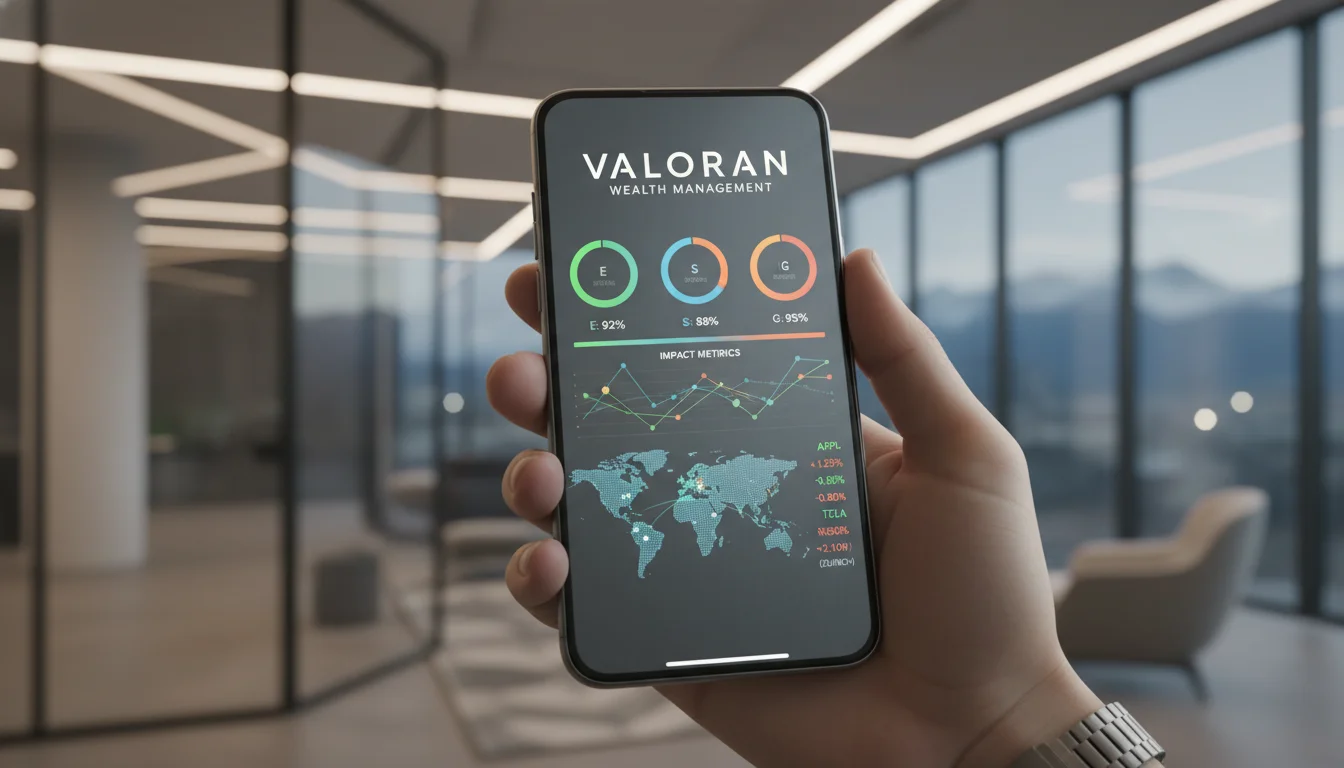
The Rise of “Next-Gen” Wealth and Digital Innovation
- Digital Engagement: High demand for sophisticated apps and consolidated reporting that provide a 360-degree view of assets in real-time.
- Sustainability and ESG: A strong preference for “purpose-driven” investing, where capital is aligned with personal values such as climate action and social equity.
- Hybrid Advisory Models: While valuing digital tools, next-gen HNWIs still seek the “human-in-the-loop” for complex decisions, leading to the rise of hybrid models where digital platforms are augmented by personal relationship managers.
Institutions like LGT and UBS have responded by significantly investing in their “Digital Private Bank” offerings, while boutique firms are increasingly using “Wealthtech” to provide institutional-level analytics to smaller, more agile client segments.
Case Study: Navigating Zurich as a “US Person”
The financial landscape for U.S. expatriates in Zurich is famously challenging due to the heavy regulatory burden imposed by the IRS. Many traditional Swiss banks historically turned away U.S. clients to avoid the compliance costs associated with FATCA.
However, a specialized group of advisors has turned this challenge into a core competency. Firms like Vontobel Swiss Financial Advisers (SFA), Alpen Partners International, and LFA Swiss Wealth Management explicitly focus on this niche. These firms are registered with the SEC and provide U.S.-compliant tax reporting, ensuring that global investments integrate smoothly with the client’s annual 1040 filing. A critical strategy for these clients is “diversification away from the USD,” where advisors build portfolios of international equities and high-quality corporate bonds denominated in CHF or EUR, providing a genuine hedge against U.S.-specific economic risks.
Conclusion: Synthesizing the Strategic Path Forward
Zurich remains a premier destination for expat wealth management because it successfully bridges the gap between historical stability and modern innovation. For the high-net-worth individual, the best financial advisor is not necessarily the one at the largest bank, but the one whose regulatory registration, fee structure, and niche expertise most closely align with the client’s personal “jurisdictional footprint.”
The transition to Zurich should be viewed as an opportunity to reorganize wealth into a more robust, cross-border structure. This involves:
- Exploiting the 2023 Inheritance Reform to gain greater control over the legacy of Swiss-based assets.
- Optimizing the Swiss Pension Pillars through voluntary buy-ins and tax-deductible private savings.
- Utilizing Independent “Open Architecture” Advisors to avoid the conflicts of interest inherent in proprietary product sales.
- Maintaining Rigorous Compliance through the use of SEC-registered advisors and FINMA-supervised institutions to navigate the complexities of global tax reporting.
By understanding the origin and mechanism of Zurich’s financial services—from the 200-year legacy of its private banks to the cutting-edge regulations of FinSA—the international expatriate can secure a financial future that is as stable as the city itself. The future of wealth management in Zurich is clearly defined by a shift toward digital transparency, sustainable impact, and a more flexible legal framework for the transfer of wealth across generations. For the professional expatriate, the goal is to find a partner who can act as a “lifelong guide,” navigating both the complexities of the current market and the emerging trends of the global economy.