Session 5: Paid Social Media Strategy (Meta Ads)
While Google Ads captures intent (people searching for a solution), Meta Ads (Facebook & Instagram) allow you to generate awareness and target users based on their demographics, interests, and behaviors.
View lecture slides: Session 5 Slides
1. Pre-Work: Paid Social Funnels and Audiences
Success on paid social requires matching your message to the user’s stage in the funnel. Users scrolling Instagram are not actively looking to buy; you must interrupt their scroll and earn their attention.
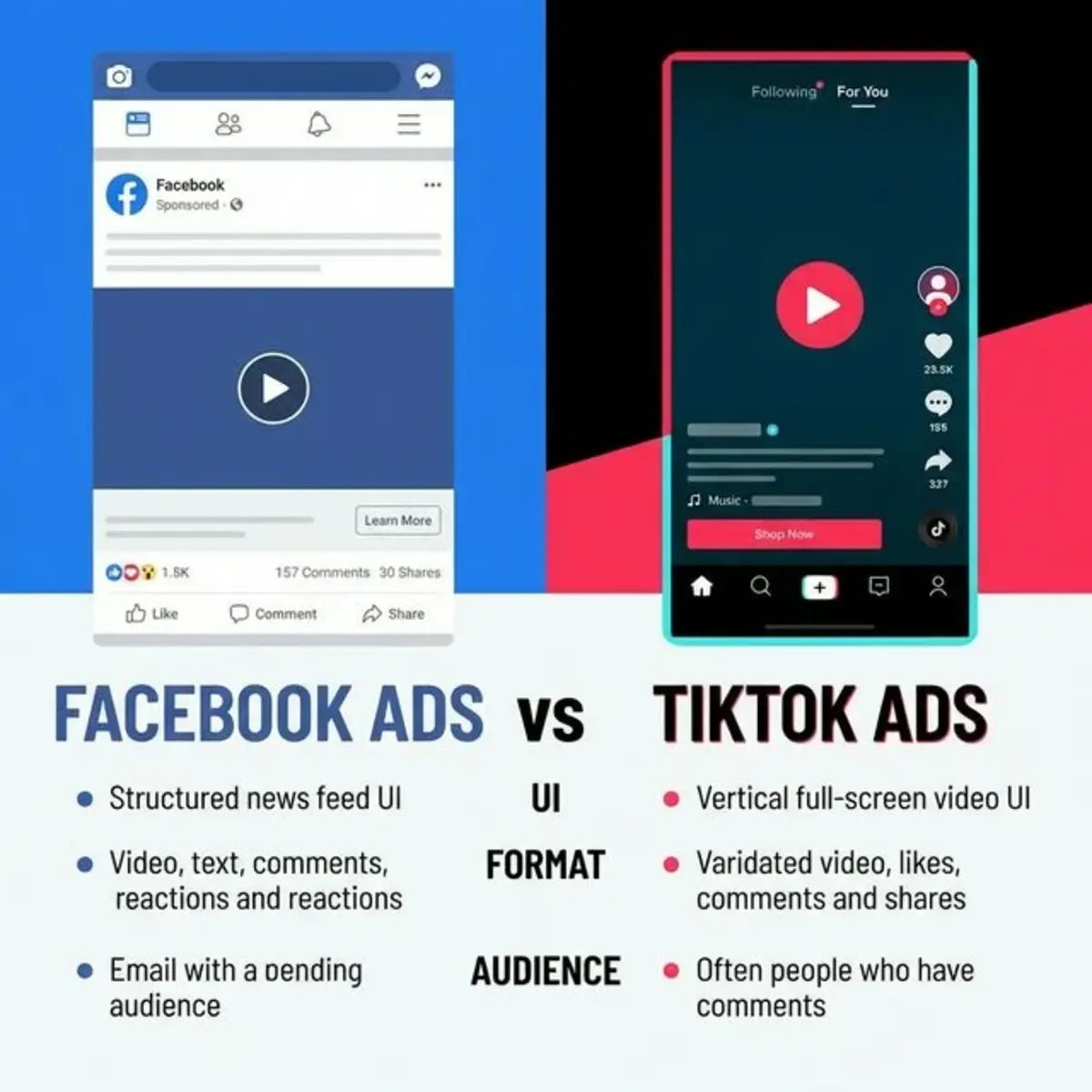
The Anatomy of a Successful Social Ad
- The Visual (Image/Video): The most important element. It stops the scroll.
- The Headline: The second thing they read. Must be punchy and clear.
- The Primary Text (Copy): Expands on the headline and provides context/benefits.
- The CTA (Call to Action): Tells them exactly what to do next.
Meta Audience Targeting Types
- Core Audiences: Targeting based on demographics, location, interests, and behaviors. (Good for Top of Funnel).
- Custom Audiences: Targeting people who have already interacted with your business (e.g., visited your sandbox, watched a video, or are on your email list). (Good for Middle/Bottom of Funnel - Retargeting).
- Lookalike Audiences: Meta finds new people who “look like” your best customers based on data points.
- Advantage+ Audience (Manager’s Note): Meta’s AI-driven broad targeting. Instead of you picking interests, Meta uses your pixel data and ad creative to find the audience automatically. This is increasingly the best practice over highly restricted Core Audiences.
Ad Policies and Compliance
Meta is strict about ad content. Avoid making unrealistic claims, using sensationalized language, or violating their policies regarding personal attributes.
Nepal channel note: WhatsApp
For many Kathmandu/Valley service businesses, the highest-intent CTA is WhatsApp chat, not a long web form. In your Meta plan, you may:
- Drive traffic to a landing page with a WhatsApp click-to-chat button, or
- Use a leads objective that still hands off into WhatsApp for booking.
Treat WhatsApp as a conversion/retention surface, not a replacement for the sandbox URL you still need for SEO and measurement.
Real-world proof (WhatsApp + paid social)
Hospitality WhatsApp funnel (method case): treat chat as the booking desk — sticky CTA, prefilled intent, rate/FAQ assets, source tags. Treebones is the named brand analogue; no occupancy/ROAS invented.
Teaching brief: WhatsApp hospitality funnel
Retargeting (teaching example): fashion e-com retargeting write-up reports illus. 7.2× retargeting ROAS and −20% cart abandon — label it as illustrative if you cite it (post). Prefer published home-services/education numbers when defending budget.
2. Lab Session: Building a Meta Campaign
Today, we will navigate Meta Ads Manager. (Note: Like last week, this is a mock setup. No real spend is required).
Also this week: Mid-Module Review (20%) — see Mid-Module Review. Your instructor will set the exact timing within the Session 5 window.
Campaign Structure & Budgeting (CBO vs ABO)
Meta uses a 3-tier structure similar to Google Ads:
- Campaign: Determines your objective (e.g., Traffic, Leads, Sales).
- Advantage+ Campaign Budget (CBO): Budget is set here. Meta distributes it automatically to the best-performing Ad Sets. Best for scaling.
- Ad Set: Determines your targeting (Audience) and Placements (e.g., IG Stories, FB Feed).
- Ad Set Budget Optimization (ABO): Budget is set here instead of the campaign level. Best for strict testing (forcing Meta to spend equally on different audiences).
- Ad: The creative itself (Image/Video, Copy).
flowchart TD
    C[Campaign: Lead Generation]
    A1[Ad Set 1: Core Audience]
    A2[Ad Set 2: Lookalike 1%]
    Ad1[Ad A: Video]
    Ad2[Ad B: Carousel]
    Ad3[Ad A: Video]
    Ad4[Ad B: Carousel]

    C --> A1
    C --> A2
    A1 --> Ad1
    A1 --> Ad2
    A2 --> Ad3
    A2 --> Ad4
Drafting the Creative
You will draft a visual ad concept. You don’t need a polished graphic; a wireframe or a detailed description of the image/video concept will suffice, along with the actual ad copy.
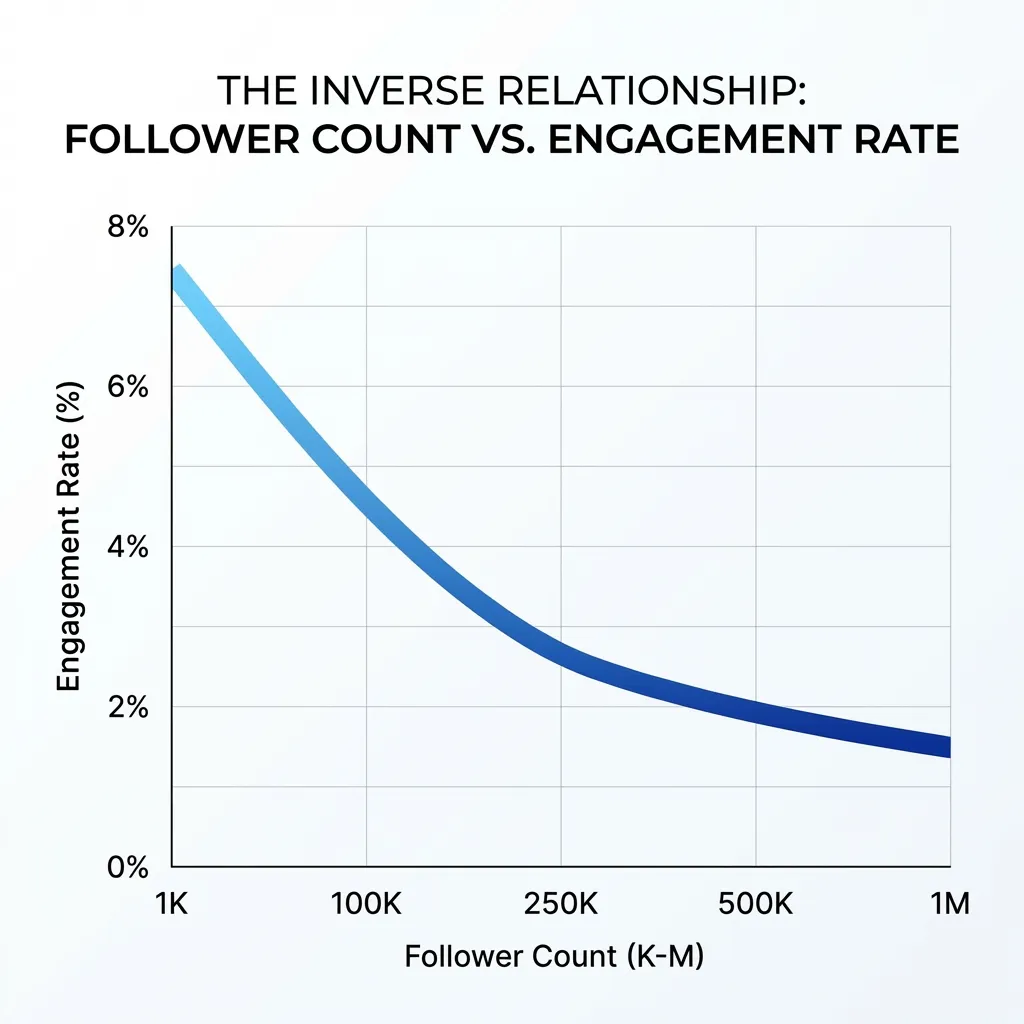
Self-check: Creative fatigue
CTR fell to 0.6% while frequency rose above 5. What should you usually do first?
3. Deliverable
Use the MBA DM Deliverable Toolkit (Templates + Samples) before submitting.
A mock Meta campaign plan.
- Objective: What is the goal of the campaign?
- Audience Definition: Detail your Core or Lookalike audience targeting parameters.
- Budget Outline: How much would you spend daily, and why?
- Sample Creative: Draft the Primary Text, Headline, and describe the Visual (Image/Video) you would use.
Submit the plan before the start of Session 6.
4. Summary & Review
Paid social creates demand by reaching people before they search. Effective social ads combine a thumb-stopping hook, clear value and a single CTA, and target audiences built from core interests, custom lists and lookalikes. Meta campaigns are organised as campaign → ad set → ad, with campaign budget optimisation (CBO) for scaling and ad set budgets (ABO) for controlled testing. Ad policy compliance and, in Nepal, WhatsApp as a conversion channel are part of the plan.
Key Takeaways
- Social ads interrupt; the first second has to earn attention.
- Core, custom and lookalike audiences serve different funnel stages.
- Test with ABO; scale with CBO.
- Check ad policies before launch, and use WhatsApp where customers prefer it.
Review Questions
Short answer
- Describe Meta’s three-tier campaign structure.
- Distinguish core, custom and lookalike audiences.
- When would you use ABO instead of CBO?
Applied (case) questions
- Plan a mock Meta campaign for a Thamel café’s new breakfast menu: objective, two audiences, daily budget and one ad creative.
- Explain how you would use WhatsApp click-to-chat ads for a Kathmandu clinic, including one compliance risk.