Unit 6: Information Systems within the Organization
Information systems are not monolithic; different types of systems serve different levels and functions within an organization. Understanding this internal landscape is crucial for managing a business effectively. Some systems are designed to handle the high volume of day-to-day activities, while others support the specific needs of departments like marketing or finance. Increasingly, however, the trend is towards integrated systems that span the entire organization—often delivered through cloud computing.
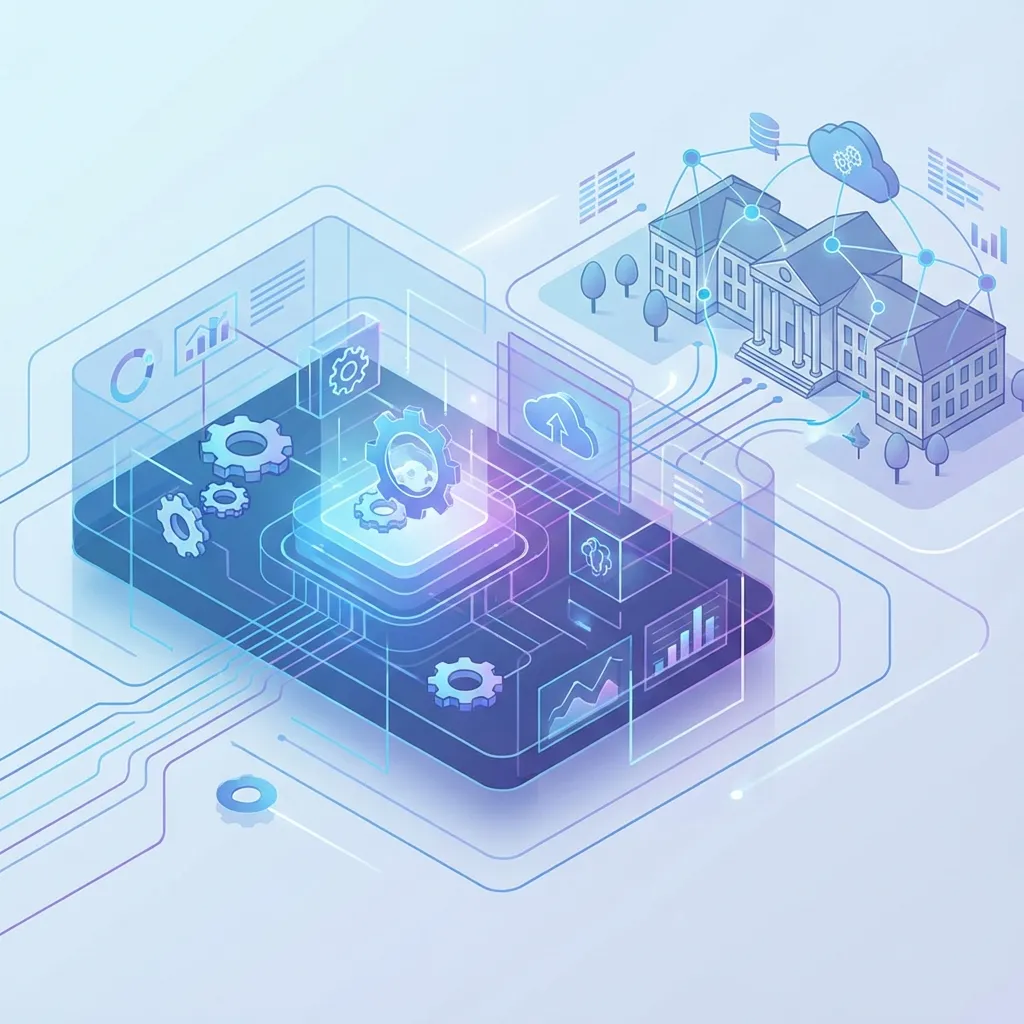 Figure 1: Information Systems within the Organization
flowchart TB
    subgraph ORG["Organizational Information Systems"]
        direction LR
        TPS["⚙️ TPS\nTransaction\nProcessing"]
        FAIS["🏭 FAIS\nFunctional Area\nSystems"]
        ERP["🌐 ERP\nEnterprise\nResource Planning"]
        CLOUD["☁️ Cloud\nIaaS / PaaS / SaaS"]
    end

    TPS -->|"Data Feeds"| FAIS
    FAIS -->|"Integrated Into"| ERP
    CLOUD -->|"Hosts / Delivers"| ERP

    ERP --> TRUTH["✅ Single Source of Truth"]

    style ERP fill:#2d5016,color:#fff
Figure 2: Evolution of Organizational IS
This unit explores the key types of information systems found within organizations. We will start by examining Transaction Processing Systems (TPS), the workhorses that capture daily business data. We will then look at Functional Area Information Systems (FAIS) that serve specific departments, and the problems of information silos they can create. Next we delve into Enterprise Resource Planning (ERP) systems and how they support cross-functional processes such as order-to-cash. We close with cloud computing in business—how IaaS, PaaS, and SaaS host and deliver many of these systems.
What This Unit Covers
| Chapter | Topic | Key question |
|---|---|---|
| 6.2 | Transaction processing systems | How are daily business events captured and processed? |
| 6.3 | Functional area information systems | What do departmental systems do, and why do silos form? |
| 6.4 | ERP systems | How does one integrated system connect all departments? |
| 6.5 | ERP support for business processes | How does ERP run the order-to-cash process across departments? |
| 6.6 | Cloud computing | How do IaaS, PaaS, and SaaS change how firms obtain systems? |
Why This Unit Matters
- Transaction processing systems produce the raw data on which every report and decision depends.
- Separate departmental systems create information silos: sales, stores, and accounts each have a different version of the truth.
- ERP and cloud services are among the largest IT investments a firm makes; managers must understand their benefits, costs, and risks.
Key Terms
| Term | Meaning |
|---|---|
| TPS | A system that records and processes routine transactions such as sales and payments |
| FAIS | A system serving one functional area, such as accounting or HR |
| Information silo | A system that does not share data with other parts of the organization |
| ERP | An integrated suite of modules sharing one database across the organization |
| Order-to-cash | The process from receiving a customer order to collecting payment |
| SaaS | Software as a service: applications rented over the Internet |
The Nepal Context
Point-of-sale and billing software is common in Nepali retail, and the Inland Revenue Department requires electronic billing for larger businesses. Banks run core banking systems, and larger manufacturers, hospitals, and colleges increasingly use ERP software, from international products to locally developed systems. Cloud services are growing, while regulators in sectors such as banking set rules about where sensitive data may be hosted.
Key Takeaways
- Transaction processing systems capture every business event accurately and quickly; their data feeds all higher-level systems.
- Functional area information systems serve individual departments well but create information silos when they do not share data.
- Enterprise resource planning (ERP) integrates departments on one database, so processes such as order-to-cash and procure-to-pay run end to end.
- ERP brings integration and standard best practices, but implementation is costly, slow, and forces process change.
- Cloud computing (IaaS, PaaS, SaaS) lets firms rent computing and applications on demand, trading capital cost and control for flexibility and speed.
Unit Review Questions
Short answer
- What is a transaction processing system?
- What is an information silo?
- Distinguish between IaaS, PaaS, and SaaS.
Long answer
- Explain the types of information systems found within an organization and how they relate to each other.
- What is an ERP system? Discuss its benefits and limitations, with reference to organizations in Nepal.