Homestay Marketing in Nepal: Getting Bookings (2026)
Homestays let travellers stay with families, eat home-cooked food, and experience village life. Domestic tourists from Kathmandu, Pokhara, and other cities are a growing market alongside international visitors. Most homestays have something special to offer; the challenge is reaching travellers, setting expectations honestly, and making booking easy.
This guide covers private homestays and community homestays run by village groups. Hotels and trekking companies are covered in the hospitality playbook.
Step 1: Show what guests will actually get
Honesty prevents disappointment and bad reviews.
- Photograph rooms, beds, bathrooms and toilets, kitchen, dining area, and the view.
- Show typical meals you serve.
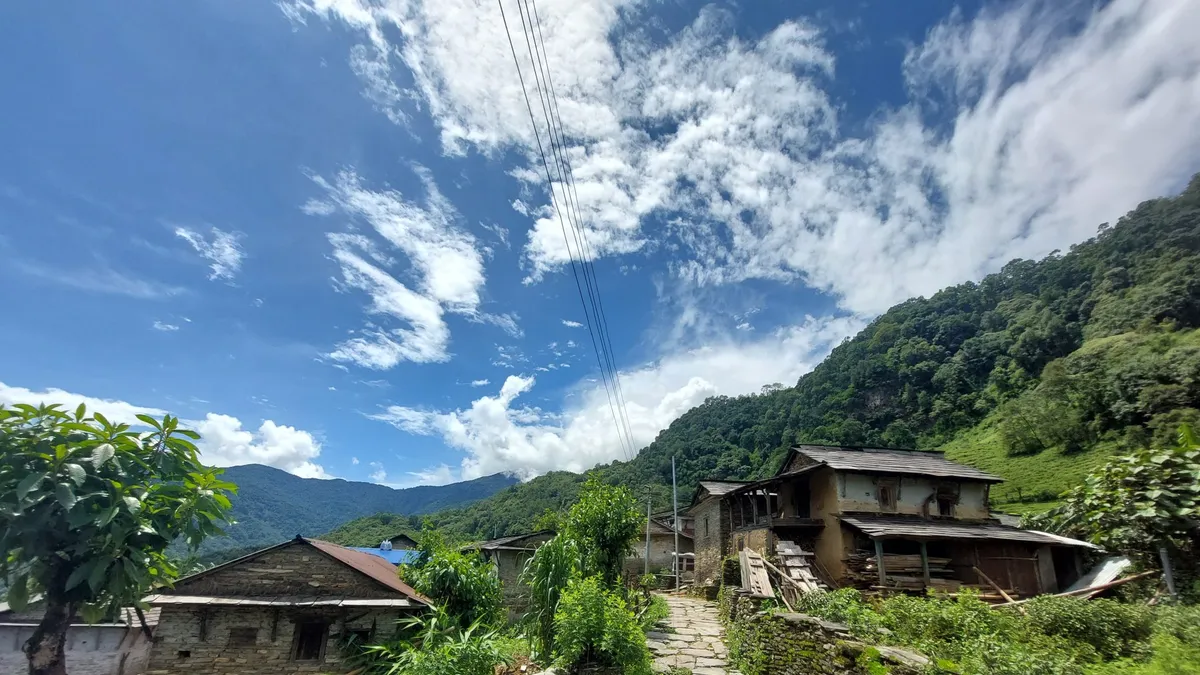
- Show the village, fields, and activities in different seasons.
- Explain facilities clearly: hot water, electricity backup, mobile signal and internet, and heating in winter.
Travellers who know what to expect are happier, even if facilities are simple.
Step 2: Publish prices and booking details
- Price per person per night, and what is included (meals, tea, activities).
- Extra charges: guided walks, cultural programmes, transport.
- Group and family rates.
- How to book: phone, WhatsApp, or a platform link, and whether an advance is needed.
- Cancellation policy.
Step 3: Make your homestay easy to reach
Many homestays are hard to find. Clear directions reduce stress for guests.
- Add an accurate pin on Google Maps and complete the Google Business Profile.
- Explain how to get there: by bus, jeep, or private vehicle, travel time, and road conditions by season.
- Say whether you offer pickup from the nearest town.
Step 4: List where travellers search
- Google Maps for domestic travellers searching nearby options.
- Booking platforms used by international and domestic travellers. Read each platform’s commission and cancellation rules before listing.
- Facebook and Instagram for photos, updates, and messages.
- Tourism directories and local tourism office listings where available.
Keep prices and availability consistent across platforms.
Step 5: Sell experiences, not just beds
Experiences give travellers a reason to choose your village and stay longer.
- Cooking classes with local dishes.
- Farming, tea, coffee, or honey activities in season.
- Village walks, viewpoints, and short hikes.
- Cultural programmes and festivals, presented respectfully.
- Local crafts and products guests can buy.
Create a simple two-day or three-day itinerary that travellers and agencies can book as a package.
Step 6: Tell stories with care
- Share stories about the family, village history, food, and traditions.
- Ask permission before posting photos of guests or community members.
- Avoid presenting culture as a performance or exaggerating “untouched” claims.
Short videos of sunrise, cooking, or farm work often perform well on Facebook, Instagram, and TikTok.
Step 7: Partner with guides, agencies, and schools
- Contact trekking and tour agencies that pass through your area.
- Offer packages for schools, colleges, and offices looking for study tours or retreats.
- Connect with cycling, hiking, and photography groups.
- Agree commissions or rates in writing.
Step 8: Collect reviews and stay in touch
- Ask every satisfied guest for a review on Google or the platform they booked through.
- Reply to all reviews politely.
- With permission, keep guest contacts and share festival or seasonal updates.
- Encourage guests to tag your homestay when posting.
Hypothetical example: A community homestay gives each departing guest a small card with a QR code to its Google review page and its Facebook page. Reviews mentioning the food and the family encourage new travellers to message before booking.
Measuring results
- Bookings by source: direct, platforms, agencies, and referrals.
- Occupancy by season.
- Average length of stay.
- Review count, rating, and common themes.
- Repeat and referred guests.
Common mistakes
- Only showing the view, not rooms and toilets.
- No clear price or what is included.
- Missing or wrong map pin.
- Different prices on different platforms.
- Not asking guests for reviews.
Key takeaways
- Honest photos of rooms, food, and facilities build trust.
- Publish prices, inclusions, and booking steps clearly.
- Make your location easy to find with a map pin and directions.
- Sell experiences and simple itineraries.
- Partner with agencies and groups, and collect reviews from every stay.
How this fits the stack
The sector service is described on digital marketing for hospitality in Nepal and travel marketing. See also tourism SEO in Nepal and hotel and trekking digital marketing. Agencies selling trips to Nepali travellers are covered in travel agency marketing.
Related dictionary terms
Next step
Photograph your rooms, bathrooms, and meals honestly, and publish a price list with inclusions and directions. For help marketing a homestay or community tourism project, scope work through hire packages or contact.


