High-Ticket Franchise Expansion: Scaling Operations
High-Ticket Franchise Expansion Models: Standardizing Multi-Region Physical Operations
The evolution of the global franchise economy has necessitated a sophisticated shift toward high-ticket expansion models, where transaction values typically exceed $1,000 and frequently reach into the hundreds of thousands or millions. Unlike traditional high-volume, low-margin franchise models that prioritize speed and impulse, high-ticket systems—encompassing premium healthcare, luxury automotive services, and boutique hospitality—rely on deep relationship-building, consultative sales processes, and the delivery of transformative outcomes. Standardizing these complex physical operations across multiple regions presents a formidable challenge, requiring an intricate balance between rigid brand-wide consistency and necessary local adaptation. The physical environment in these sectors is not merely a backdrop for transactions; it is a critical component of the brand’s authority, communicating quality, exclusivity, and status long before a service is rendered.
Theoretical Foundations of High-Ticket Operational Scaling
High-ticket sales are fundamentally characterized by longer decision-making cycles and a requirement for personalized, solution-based selling. In this environment, the customer’s journey is often structured through a personalized sales funnel designed to engage, nurture, and convert high-intent leads. For the franchisor, this necessitates an operational framework that can support the “royal treatment” expected by affluent buyers, which includes premium quality and exceptional service. The profitability of these models is driven by higher profit margins per transaction, which allows for more personalized attention and improved transformation processes for each client.
The shift from selling a product to offering a transformation is the hallmark of high-ticket maturity. While low-ticket products are sold through convenience, high-ticket offerings are sold through the promise of meaningful change—whether it is increasing revenue for a business client, providing life-extending healthcare, or offering an exclusive luxury experience. This transformation must be reflected in the physical operation, where every touchpoint, from the lighting of a showroom to the scent diffusion in a medical clinic, reinforces the brand’s position as the safest and smartest option in the market.
| Characteristic | Low-Ticket Franchise | High-Ticket Franchise |
|---|---|---|
| Price Point | Typically <$1,000 | Typically >$1,000; often >$100,000 |
| Decision Cycle | Rapid, Impulse-Driven | Long, Deliberate, Consultative |
| Primary Driver | Convenience, Speed | Transformation, ROI, Relationship |
| Sales Approach | Transactional | Solution-Based, Advisory |
| Profit Focus | Volume-Based | Margin-Based |
| Audience | Broad, Mass Market | Niche, Highly Targeted |
Structural Expansion Frameworks for Capital-Intensive Systems
In high-ticket expansion, the selection of an ownership and development model is a foundational strategic decision that dictates the trajectory of brand control, capital efficiency, and speed to market. In high-investment sectors, franchisors often favor area development and multi-unit models over single-unit agreements, as these paths attract sophisticated investors with the resources to dominate a specific territory.
The Area Development and Multi-Unit Paradigm
Area development agreements (ADAs) grant a franchisee the exclusive right to develop a set number of units within a defined geographic territory over a specific timeline. This model is particularly effective for high-ticket operations because it ensures that the developer is a professional operator capable of managing larger teams and maintaining direct oversight. Unlike master franchising, area developers are typically required to operate the units themselves and are prohibited from sub-franchising, which maintains a direct contractual link to the franchisor and ensures tighter adherence to brand standards.
The benefits of this model for high-ticket brands include market exclusivity, which minimizes competition within the brand’s own network, and discounts on franchise fees for the developer. From the franchisor’s perspective, dealing with fewer, more sophisticated franchisees allows for a focus on operational support rather than constant lead recruitment. However, the capital demands of ADAs are significant, and failure to meet the development schedule can put the entire agreement at risk.
Master Franchising as a Global Scaling Tool
Master franchising represents the “big league” of franchise expansion, where the master franchisee acts as a “mini-franchisor” for a large territory, such as an entire state or country. This model facilitates rapid, hands-off growth by delegating the responsibilities of recruitment, training, and management to the master franchisee. In high-ticket sectors, this is often utilized for international expansion, where local cultural awareness and compliance know-how are critical.
While master franchising accelerates market penetration, it introduces a substantial trade-off in brand control. The master franchisee’s ability to sell sub-franchises means that the original franchisor has less direct influence over individual unit operations. Furthermore, revenue models in master franchising involve sharing initial fees and ongoing royalties, which can lead to smaller per-unit margins for the original brand owner compared to direct area development.
| Model Component | Multi-Unit Franchise | Area Development | Master Franchise |
|---|---|---|---|
| Expansion Speed | Moderate | High | Very High |
| Capital Source | Franchisee | Franchisee | Sub-Franchisees / Master |
| Sub-Franchising | No | No | Yes |
| Control Level | Direct and High | Direct and High | Indirect and Lower |
| Territory Scope | Multiple Specific Sites | Defined Geographic Region | States or Countries |
| Unit Revenue | High (Direct) | High (Direct) | Lower (Royalty Sharing) |
Standardizing the Built Environment: Infrastructure and Design
The physical infrastructure of a high-ticket franchise is a tangible manifestation of its value proposition. For luxury brands, “architectural consistency” is the backbone of brand identity, fostering customer trust and familiarity across disparate regions. Achieving this level of precision requires a systematic approach to design, leveraging prototyping and prefabrication to eliminate the variability inherent in traditional construction.
Design Standard Prototyping
A design standard prototype acts as a framework that directs all construction as a brand expands. Instead of re-engineering every location, the brand documents a “best practice” manual from its initial builds. This ensures that every unit follows a standardized layout, optimizing customer flow and space utilization. In the hospitality and medical sectors, this is often tested through the creation of “mockup rooms,” which allow for the evaluation of functional performance and aesthetic alignment before large-scale production begins.
Flexibility must be built into these prototypes to accommodate unique site-specific conditions, such as a ski resort location requiring different materials than a metropolitan flagship. However, the core brand elements—color schemes, signage, and interior layouts—must remain immutable to prevent brand dilution.
Prefabrication and Precision Engineering
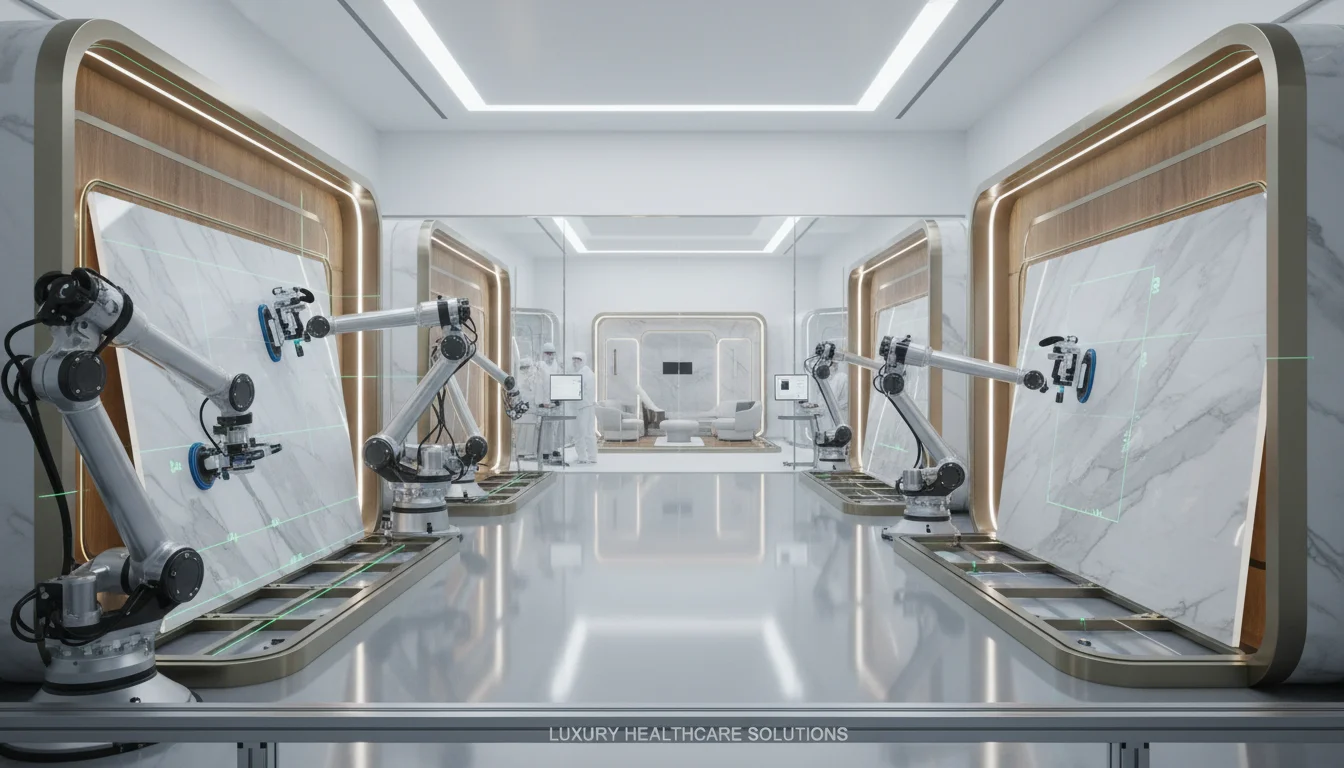
For high-ticket operations, prefabrication involves manufacturing building components off-site in controlled environments. This method addresses the most significant hurdles in franchise expansion: speed, cost-efficiency, and quality control. Prefabrication can reduce construction timelines by 25% to 50%, enabling franchisees to capture market opportunities and generate revenue much sooner than traditional methods allow.
In luxury retail and medical clinics, the “built environment” is defined by extreme precision. This includes:
- Custom Millwork and Casework: Bespoke cabinetry and display niches designed to highlight high-value products with “intention and polish”.
- Intricate MEP Coordination: Coordinating advanced lighting controls, audio-visual (AV) systems, climate management, and scent diffusion systems.
- Global Material Sourcing: The use of internationally sourced materials like marble, stone flooring, and artisan glasswork, which require elevated installation standards.
| Advantage | Impact on High-Ticket Expansion | Strategic Outcome |
|---|---|---|
| Time Savings | 25-50% reduction in build time | Faster ROI for investors |
| Quality Control | Factory-controlled manufacturing | Consistency of luxury “feel” |
| Risk Mitigation | Indoors; immune to weather delays | Predictable opening dates |
| Sustainability | Less construction waste | Enhanced corporate social responsibility |
| Scalability | Standardized components | Rapid multi-site replication |
Technological Governance and Operational Monitoring
Maintaining quality across multi-region physical operations requires a robust and integrated technology stack. For high-ticket franchises, technology serves as the “command center,” providing real-time visibility into performance, compliance, and customer engagement.
Real-Time Operational Monitoring
Cloud-based systems are essential for multi-unit leadership, offering “full-team transparency” through intuitive KPI dashboards. Software like PAR OPS Coach allows franchisors to collect and analyze data from various sources, providing the insights needed to make informed business decisions across the entire network. These platforms often feature over 150 integrations, allowing for the tracking of specific metrics that matter most to high-ticket operators.
In sectors like healthcare and high-end automotive, technology upgrades are creating new service opportunities. Digital inspection tools and customer approval workflows create smoother operations and foster stronger customer trust. When c
Customers can visualize the diagnostics through a digital platform, the relationship shifts from transactional to consultative, which is vital for high-ticket closing.
Quality Management Systems (QMS)
Advanced QMS platforms, such as RizePoint, automate the tracking of “hundreds of thousands of data points” that arise in multi-site operations. These systems replace antiquated paper-based audits with digital checklists, ensuring that “invisible policies and procedures” are enforced consistently. The Optik IQ platform further enhances this by:
- Continuous Compliance: Real-time audits and incident tracking to maintain high brand standards.
- Smart-Issue Resolution: Identifying and resolving operational problems in real-time, reducing correction time by up to 60%.
- Mobile-First Training: Integrating bite-sized training into daily routines based on audit insights to prevent repeat violations.
| Metric | Impact of Integrated QMS | Strategic Benefit |
|---|---|---|
| Revenue per Store | Increase of >10% | Direct profitability boost |
| Supplier Compliance | Exceeds 98% | Risk mitigation in supply chain |
| Repeat Violations | 85% reduction | Long-term brand protection |
| Correction Time | 60% reduction | Faster operational recovery |
| Compliance Scores | 25% improvement | Higher customer satisfaction |
Deep Dive: Scaling Premium Healthcare and Wellness Clinics
The healthcare franchise sector is experiencing “explosive growth,” projected to reach $128 billion by 2032. High-ticket models in this space, such as American Family Care (AFC) and FYZICAL Therapy & Balance Centers, operate on high-investment, high-margin frameworks. The standardization of these clinics requires navigating complex regulatory environments while maintaining the “royal treatment” in patient care.
Regulatory Alignment and Clinical Standardization
In the United States, medical device franchises must comply with the FDA’s Quality Management System Regulation (QMSR), which became effective on February 2, 2026. This regulation harmonizes U.S. standards with international ISO 13485 standards, which is critical for franchisors expanding globally.
Standardizing technical equipment—such as cryotherapy chambers, infrared saunas, or diagnostic imaging systems—requires:
- Classification and Controls: Understanding whether a device is Class I, II, or III based on risk, which dictates the level of regulatory oversight.
- Cybersecurity by Design: Implementing robust security controls and maintaining a “Software Bill of Materials” (SBOM) for all connected devices.
- AI Lifecycle Management: Managing the rapid proliferation of AI-enabled medical devices, which exceeded 1,250 authorized devices by mid-2025.
Operational Mechanics of High-Ticket Care
High-ticket healthcare franchises command premium pricing by targeting specific conditions—such as chronic pain, hormone optimization, or geriatric balance. The business model often rests on recurring revenue through memberships, which offer better margins than conventional volume-based models. Standardizing these operations requires detailed clinical SOPs, including:
- Temperature Logs: Rigorous checks for walk-in coolers and prep stations to ensure the integrity of medical supplies.
- Technical Specifications: Guidance on the procurement and maintenance of specialized equipment to ensure safe and effective performance.
- Patient Data Privacy: Implementing standardized protocols for keeping patient data secure and private across multiple sites.
| Health Franchise Example | Investment Range | Key Performance Indicator |
|---|---|---|
| American Family Care | $1.2M - $1.8M | Average revenue ~$1.9M/unit; NPS 74 |
| Pearle Vision | $680k - $1.2M | 4.5 Google rating; NPS 72 |
| The Joint Chiropractic | $250k - $520k | High customer retention; proven systems |
| FYZICAL Therapy | $250k - $500k+ | Fastest-growing PT franchise; 600+ units |
| The Wellness Way | $75k - $245k | Functional medicine focus; mission-driven |
Deep Dive: Luxury Automotive and Specialized Service Franchises
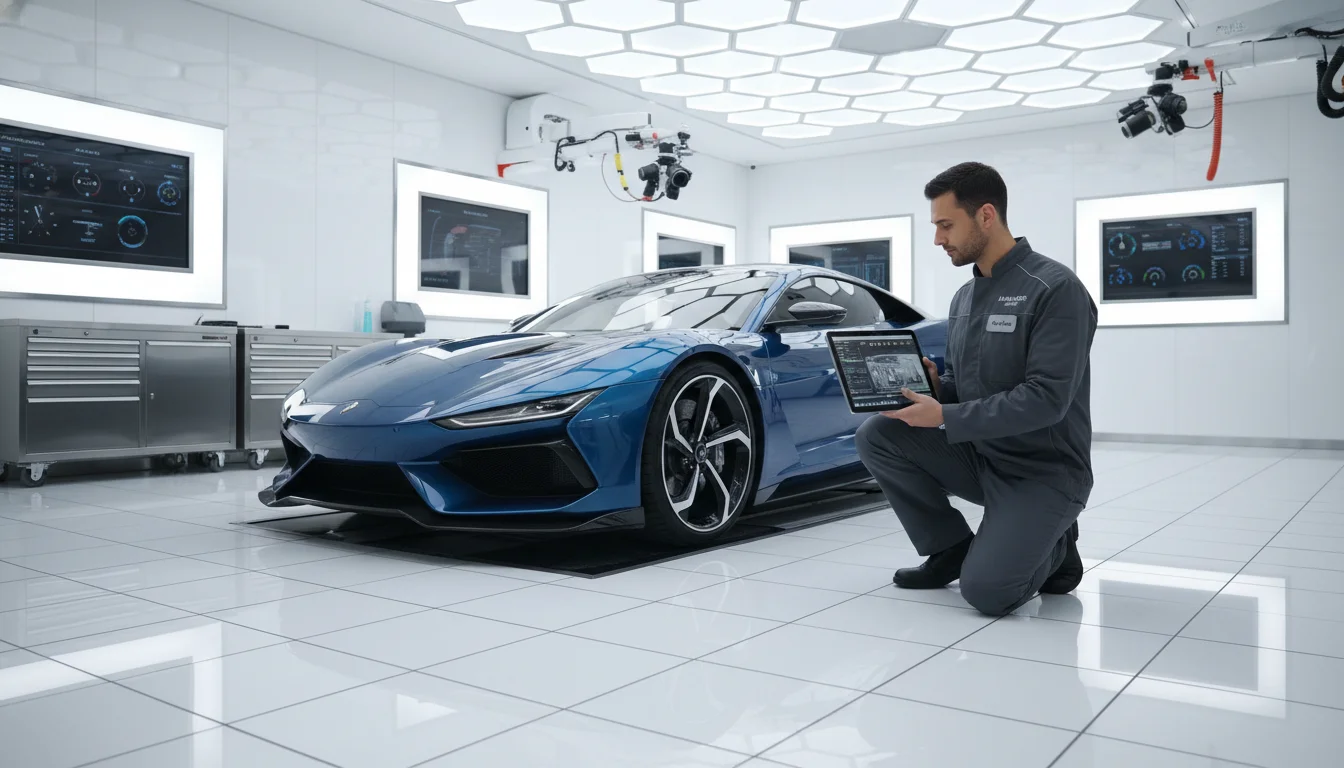
The luxury automotive detailing and repair market is driven by “increased consumer spending on upgrading luxury vehicles”. High-ticket automotive franchises, specializing in ceramic coatings, paint protection film (PPF), and advanced electronics diagnostics, require a specialized physical footprint that prioritizes both technical efficiency and high-end aesthetics.
The Engineering of the Specialized Bay
Standardizing a luxury automotive facility involves creating a professional workspace that is “clean, organized, and equipped with all necessary tools”. For franchises like Black Optix Tint, territory selection is driven by data on vehicle density, driving patterns, and income levels that align with premium package pricing. Operational standardization includes:
- Standardized Workflow: Ensuring that service steps are consistent across bays and locations, from initial digital inspection to final quality check.
- Technical Training: Comprehensive programs for technicians to handle increasingly complex modern vehicles equipped with sophisticated electronics.
- Inventory and Vendor Management: Centralized systems for ordering specialized supplies, such as high-pressure washers, steam cleaners, and premium chemical agents.
Site Selection and Market Saturation
Automotive franchises benefit from “auto rows” or districts where customers compare options, but they also require adequate territory protection—typically a 3-7 mile radius—to ensure customer loyalty. Key site selection factors for high-ticket auto services include:
- Visibility and Access: High-traffic suburban corridors where “drive-by exposure” creates lasting brand awareness.
- Parking Ratios: Guidelines requiring a 3:1 ratio of parking space to store space, with wide enough spots for luxury SUVs and trucks.
- Zoning and Signage: Navigating strict local ordinances on electronic message centers and monument signs, which vary significantly by region.
| Site Selection Category | Scoring Points (100 Max) | High-Ticket Auto Requirement |
|---|---|---|
| Traffic and Access | 25 | Easy entry/exit for premium vehicles |
| Demographics/Market | 25 | Concentration of HNWI and multi-vehicle homes |
| Competition/Location | 25 | Synergy with high-end dealerships |
| Financial/Legal | 25 | Zoning for environmental/waste compliance |
Deep Dive: Hospitality Expansion and Boutique Asset Management
The luxury hospitality sector has shifted toward “lifestyle and boutique hotels” that offer unique, localized experiences while maintaining the operational rigor of global brands. For brands like Marriott International and Hilton, franchising is the preferred route for international expansion, as it removes the need to invest direct capital while partnering with sophisticated local owners.
The Boutique Prototyping Paradox
While boutique hotels are characterized by “adaptive environments” and “personalized services,” their back-of-house operations must be highly standardized to remain profitable. This involves a “win-win” model where the owner keeps control of the budget while the brand owner ensures compliance with rigorous brand standards. Standardization in this sector focuses on:
- Digital Transformation: Implementing robust mobile apps for check-in, room selection, and digital keys to enhance the guest experience.
- Experience Curation: Transforming existing properties (e.g., a former crypt into a luxury speakeasy) into “sought-after culinary experiences”.
- Strategic Renovation: Multi-million dollar transformations that expand event spaces while keeping the property operational.
Hospitality SOPs and Service Consistency
Luxury service delivery is “deliberate and strategic,” requiring SOPs that reinforce the brand’s prestige. Managers are expected to lead by example, actively engaging on the floor to demonstrate “refined service and pace”. Key SOP categories include:
- Disciplined Team Environment: Standards for professional presentation, demeanor, and respectful communication.
- Brand Presentation: Continuous maintenance of visual standards, including lighting, fitting rooms, and “no clutter or back-of-house spillover”.
- Hospitality Curation: Deliberate plans for client refreshments and “special touches” that strengthen emotional connections.
| Development Phase | Standardization Activity | Outcome for Luxury Hospitality |
|---|---|---|
| Pre-Opening | Concept vision and architect partnership | Feasibility and aesthetic alignment |
| Procurement | FF&E and OS&E sourcing | Sourcing premium materials at scale |
| Launch | Marketing strategy and digital assets | 200% increase in leads (case study) |
| Operations | Manager checklists and daily shop checks | Consistent brand image and efficiency |
| Growth | ‘Travel with Purpose’ / Sustainability | Leader in eco-conscious hospitality |
Localization vs.
Global Identity in Multi-Region Operations
Expanding a high-ticket franchise into new geographic regions is fraught with “logistical, regulatory, and cultural problems”. Poor localization is estimated to cost global businesses up to 20% of potential revenue annually, signaling a significant “localization revenue gap”.
Navigating the “Localization Revenue Gap”
While 85% of business leaders acknowledge the importance of localization, only 28% describe their efforts as “very strong”. High-ticket franchises must decide which elements are “core” (immutable) and which are “adaptable”. Core elements include the brand’s identity, history, and fundamental quality standards, while adaptable elements may include:
- Menu/Service Items: Adjusting offerings to accommodate local culinary preferences or religious dietary restrictions.
- Pricing Strategies: Utilizing tiered pricing or lower-cost options to match the economic conditions of the target demographic.
- Marketing Vernacular: Adapting branding to account for regional languages and cultural nuances without losing the brand’s global voice.
The Compliance Complexity of Multi-State Operations
For multi-region physical operations, compliance is a “critical framework” designed to protect enterprise value and operational continuity. Organizations operating across multiple locations experience up to 65% more regulatory violations than single-site operations, primarily due to documentation gaps. Common regional hurdles include:
- Employment Classification: Laws like California’s “ABC test” for independent contractors require state-specific tailoring of employment contracts.
- Signage and Aesthetics: Stricter historical preservation requirements on the East Coast or “dark-sky” compliance on the West Coast can force changes to standard franchise signage.
- Zoning and Permitting: The “patchwork of regulations” in every jurisdiction means what passes inspection in one city might be rejected in another, even with identical codes.
Localization Challenges and Mitigation Strategies:
- Cost Barriers: Cited by 61% as biggest expansion hurdle. Mitigation: Centralized procurement / FF&E library.
- Market Understanding: Misreading local consumer habits. Mitigation: Conduct detailed feasibility studies.
- Speed to Market: Delayed by 32% of companies. Mitigation: Prefabrication and modular construction.
- Brand Dilution: Over-customization weakens identity. Mitigation: Clear brand standards and enforcement.
- Regulatory Shifts: Costly penalties and litigation. Mitigation: Quarterly compliance audits / local partners.
Human Capital and Strategic Recruitment for Scaling
In high-ticket franchising, the quality of the team is the primary differentiator between top-performing units and underperformers. Recruitment must be treated as a “core business function” rather than an administrative burden.
The Ideal Franchisee Persona
Successful high-ticket franchisors define “crystal-clear criteria” for franchisee success. Top-performing franchisees often possess high “Emotional Intelligence” (EI), which is crucial for handling complex, high-stakes sales processes. The ideal persona includes:
- System Adherence: A willingness to follow established procedures and a history of successful collaboration.
- Management Experience: At least 3+ years of leading teams, as multi-unit operations demand broader delegation skills.
- Strategic Vision: An ability to focus on ROI and long-term brand building rather than just “watching the clock”.
Scalable Recruiting for High Growth
As franchises scale, they must build “repeatable systems” for hiring. Scalable recruiting focuses on flexible models and standardized processes that maintain quality even during rapid hiring spikes. Strategies include:
- Engagement Loops: Regular check-ins between leadership and recruiters to refine interview stages continuously.
- Talent Pipelines: Engaging potential candidates before roles open to reduce time-to-hire when demand spikes.
- Agile Hiring: Prioritizing roles based on business impact and using technology to automate repetitive administrative tasks.
High-Ticket Roles and Responsibilities:
- Unit Operator (“The Doer”): Practical and efficient; responsible for daily service delivery excellence.
- Franchise Manager (“The Coordinator”): Organized; responsible for meeting deadlines and standards.
- Area Developer (“The Strategist”): Visionary; responsible for regional growth and territory dominance.
- Sales Closer (“The Consultant”): Empathetic; responsible for converting high-value leads.
- Support Staff (“The Caretaker”): Detailed; responsible for maintaining the “Royal Treatment”.
Procurement and Global Supply Chain Management
Standardizing physical operations for high-ticket franchises relies on “modern procurement solutions” that accelerate projects without sacrificing quality. Brands manage tens of thousands of FF&E and OS&E items through global vendor networks, ensuring that every detail aligns with the design vision.
The “One Stop Shop” for Hospitality and Clinics
Specialized procurement firms provide “ready-to-use fit-out materials” for high-end hospitality, clinics, and residential sectors. They reduce costs by sourcing “certified materials straight from factories,” cutting out middle-men and shortening lead times. This process includes:
- Material Acquisition: Sourcing bespoke furniture, lighting, and specialty finishes (e.g., marble slabs, artisan glass) from 20+ countries.
- Value Engineering: Identifying alternative products that meet design intent while staying within budgetary constraints.
- Logistics and Installation: Managing the “source to site” journey, including warehouse coordination and final placement.
Fiduciary Responsibility and Vendor Vetting
Procurement must be “driven by fiduciary responsibility,” ensuring transparency and lack of markups. High-ticket brands establish rigorous “Vendor Vetting Processes” to evaluate manufacturers on quality, durability, ethical labor practices, and sustainability. Evaluation typically takes about 5 business days and ensures that all vendors meet strict “contract-grade” standards. Maintaining a “cloud-based digital materials library” allows franchisors to document tried-and-tested materials, making it easy to copy finishes and product data into new projects as the brand scales.
Procurement Scope:
- FF&E (Custom millwork, upholstery, art): Brings design vision to life.
- OS&E (Linens, amenities, kitchenware): Keeps operations running smoothly.
- OFCI (Signage, tile, hardwood, HVAC): Aligning design and performance.
- Medical Tech (Diagnostics, treatment chairs): Ensuring clinical safety.
- Supply Chain (Approved Vendor List): Managing risk and order history.
Conclusions: The Future of High-Ticket Operational Standardization
The standardization of multi-region physical operations for high-ticket franchises is a multi-dimensional challenge that integrates architectural precision, technological governance, and human capital alignment. The data suggests that success in this segment is achieved not through sheer volume, but through “controlled growth” and the meticulous maintenance of brand authority.
The adoption of the FDA’s QMSR in February 2026 marks a turning point for healthcare franchises, enabling more seamless global scaling by harmonizing technical standards. Similarly, the use of AI-driven operational excellence platforms like Optik IQ has proven to reduce correction times by 60% and repeat violations by 85%, providing the “command center” necessary for multi-unit leadership.
For high-ticket investors, the focus must remain on “Relationship-First Selling” and the delivery of “ROI and Transformation”. As the luxury automotive and wellness sectors continue to grow, those franchisors who can blend “bespoke service” with “standardized infrastructure”—leveraging prefabrication, global procurement, and sophisticated site selection—will dominate the market. The high-ticket franchise model of 2026 is no longer about replicating a product; it is about scaling a premium, trustworthy experience across borders without compromise.