Fashion Boutique Marketing in Nepal: Instagram to Repeat
Clothing is one of the most common things Nepalis buy through social media. Thousands of boutiques and home-based sellers post new arrivals every day, so standing out is less about posting more and more about making it easy to trust you, pick the right size, and order.
This guide is for clothing boutiques, online fashion pages, ethnic wear and kurta shops, and small labels. For general shop marketing, see retail store marketing in Nepal.
Step 1: Show the real product
Buyers have been burned by pages that post supplier catalogue photos and deliver something different. Real photos are your strongest advantage.
- Photograph your actual stock, in natural light, from the front, back, and close up on the fabric.
- Show items worn by a person, with their height and the size they are wearing.
- Add a short video turning around or moving, so buyers can see drape and fit.
- Keep backgrounds simple and consistent so your feed looks like one brand.
The phone product photography guide covers light, backgrounds, and editing with only a phone.
Step 2: Remove sizing guesswork
Wrong sizes cause most returns and exchange disputes.
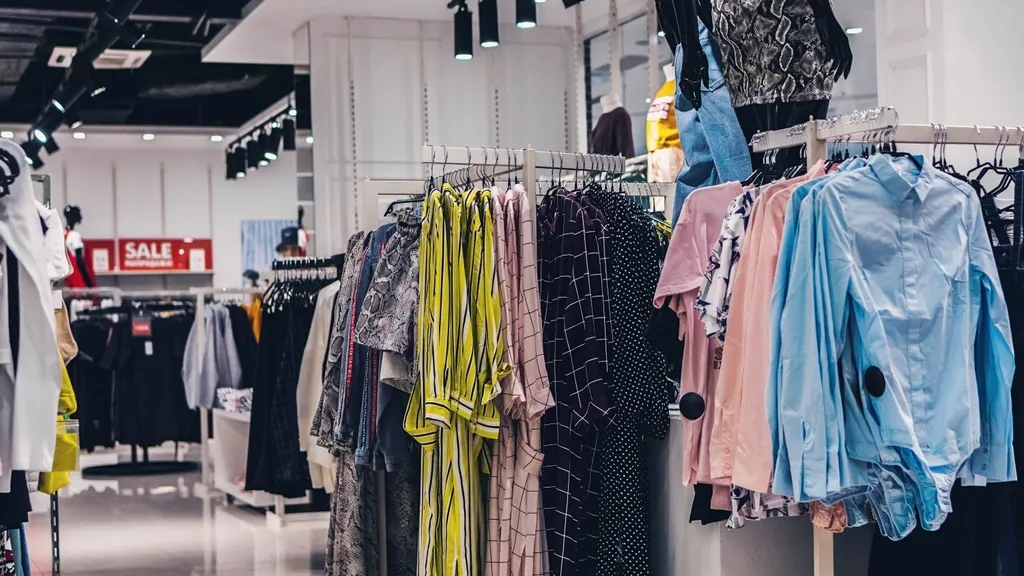
- Publish a size chart with body or garment measurements, not only S, M, L.
- Note when an item runs small or large.
- Describe fabric and stretch: cotton, georgette, linen, knit, lined or unlined.
- Save a highlight or pinned post with the size chart so you can send it in one tap.
Step 3: Make prices and ordering simple
- Put the price, available sizes and colours, and delivery charge in every caption.
- Give one clear way to order: a WhatsApp link, Messenger, or a simple order form.
- Use saved replies for common questions (delivery time, payment options, exchange policy).
- Confirm orders in writing with item, size, price, delivery address, and expected date.
See conversational commerce in Nepal for turning chats into confirmed orders without losing track.
Step 4: Write a fair exchange policy and show it
A clear policy builds trust and reduces arguments:
- Whether exchanges are allowed, for what reasons, and within how many days.
- Who pays delivery for exchanges.
- Condition requirements (tags attached, unworn).
- How refunds work, if offered.
Pin it, add it to your website, and link it in order confirmations.
Step 5: Plan around seasons and festivals
Fashion demand in Nepal follows the calendar:
- Dashain and Tihar: the biggest buying period for new clothes and gifts.
- Wedding season: ethnic wear, party wear, and matching family outfits.
- Teej: red and festive wear for women.
- Winter: jackets, sweaters, and shawls; summer: light cotton.
- New academic year and office wear for students and professionals.
Shoot and post collections two to four weeks before each peak, when people start planning. Courier delays near festivals are common, so tell buyers the last safe order date.
Step 6: Use creators and customers
- Ask happy customers for photos wearing your items, with permission to repost.
- Work with micro-creators whose style matches your brand, and agree deliverables in writing. The influencer campaign calculator helps compare offers.
- Run creator partnership ads when a creator’s post performs well organically.
Step 7: Run ads on what already sells
- Boost or run ads on posts that already get saves, shares, and enquiries.
- Use Reels and carousel formats showing multiple colours or styling options.
- Retarget people who engaged with your profile or messaged you.
- Track which ads produce orders, not only messages. See Instagram ads for Nepal.
Step 8: Build a repeat-buyer list
Repeat customers are cheaper to sell to than new ones.
- With permission, save customer names, sizes, and phone numbers.
- Send new-arrival previews to past buyers on WhatsApp before posting publicly.
- Offer early access during festival collections.
- Thank first-time buyers and ask for feedback after delivery.
Hypothetical example: A boutique shares new arrivals with a WhatsApp broadcast list of past customers a day before posting publicly. Popular sizes sell to regulars first, and the public post then shows which items are nearly sold out.
Measuring results
- Orders, not just messages, by channel and post.
- Exchange and return rate by product and reason.
- Share of orders from repeat customers.
- Average order value.
- Delivery failures and refusals for cash-on-delivery orders.
Common mistakes
- Using supplier photos that do not match what arrives.
- “DM for price” on every post.
- No size chart or fabric description.
- Unclear or changing exchange rules.
- Posting festival collections too late.
Key takeaways
- Real photos and videos of real stock build trust.
- Size charts and honest fit notes cut returns.
- Prices, sizes, and delivery charges belong in the caption.
- Plan collections ahead of Dashain, Tihar, Teej, and wedding season.
- Past customers are your best audience for new arrivals.
How this fits the stack
The sector service is described on retail marketing Nepal, with online selling on e-commerce marketing and paid social on Instagram ads.
Related dictionary terms
Next step
Create a size chart and a pinned exchange policy this week, then reshoot your five best sellers on a person. For help marketing a fashion brand or boutique, scope work through hire packages or contact.


