Your Comprehensive Nepali E-commerce Guide: Building a Successful Online Business
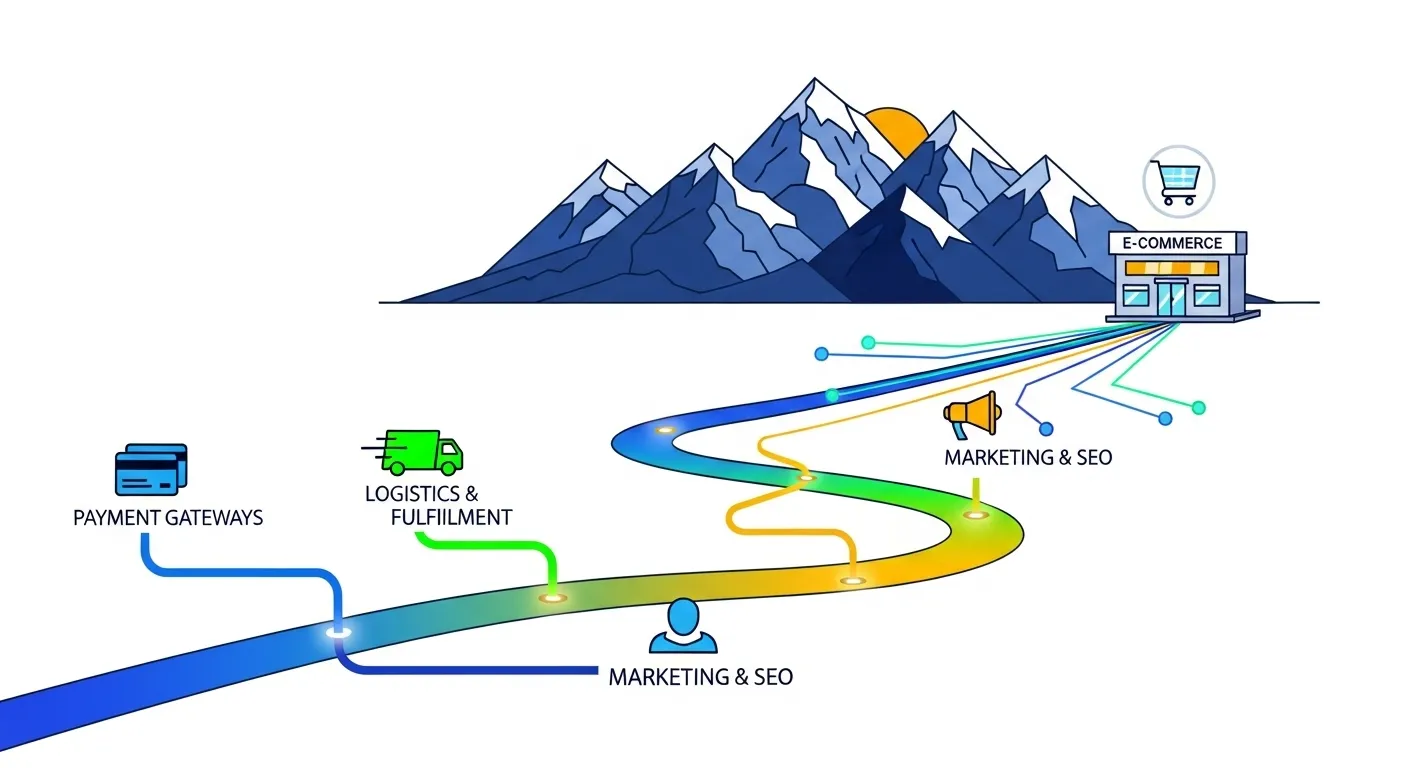
Nepal’s digital landscape is rapidly evolving, and with increasing internet penetration and smartphone adoption, online shopping has become a significant part of consumer behavior. For businesses, this presents an unprecedented opportunity to reach a wider audience and drive growth. successful online business in Nepal requires more than just setting up a website; it demands a strategic approach to e-commerce. For more on the challenges, see our post on e-commerce challenges in Nepal.
As a digital marketing expert in Nepal, I’ve seen many businesses eager to enter the e-commerce space. This comprehensive Nepali e-commerce guide will walk you through the essential steps, from planning and platform selection to marketing and logistics, helping you build a thriving online venture.
Step 1: Planning Your E-commerce Business
Before diving into platforms and products, a solid plan is crucial.

- Niche & Products: What will you sell? Is there a demand for it in Nepal? What makes your products unique?
- Target Audience: Who are you selling to? Understand their demographics, online habits, and purchasing power.
- Business Model: Will you sell directly to consumers (B2C), to other businesses (B2B), or a mix?
- Legal & Regulatory: Understand the legal requirements for online businesses in Nepal, including business registration, tax compliance, and consumer protection laws.
mindmap
  root(("E-commerce Business Planning"))
    Niche & Products
      What to sell?
      Demand in Nepal?
      Uniqueness?
    Target Audience
      Demographics
      Online Habits
      Purchasing Power
    Business Model
      B2C
      B2B
      Hybrid
    Legal & Regulatory
      Business Registration
      Tax Compliance
      Consumer Protection
Figure 1: Key Aspects of E-commerce Business Planning
Step 2: Choosing the Right E-commerce Platform
Your platform is the foundation of your online store. Consider ease of use, scalability, features, and cost.
- Local Platforms: Explore Nepali e-commerce platforms that offer local support and integrated payment gateways.
- Global Platforms (with local considerations): Shopify, WooCommerce (for WordPress), OpenCart, Magento. These offer robust features but may require more customization for local needs.
- Key Features to Look For: Mobile responsiveness, secure payment gateways, inventory management, order processing, customer management, SEO capabilities, and analytics. For more on this, see our post on website performance in Nepal.
Step 3: Product Sourcing and Inventory Management
Efficient management of your products is vital for customer satisfaction.
- Reliable Suppliers: Establish strong relationships with suppliers who can consistently provide quality products.
- Inventory System: Implement a system to track stock levels, prevent overselling, and manage returns.
- Product Photography: High-quality product images are crucial for online sales. Invest in professional photography.
- Detailed Product Descriptions: Write compelling, informative descriptions that highlight benefits and features.
Step 4: Setting Up Payment Gateways
Seamless and secure payment options are critical for conversions in Nepal. For more on this, see our post on cultural factors influencing conversions.
- Cash on Delivery (COD): Still a popular option in Nepal. Ensure you have a reliable COD process.
- Mobile Wallets: Integrate popular Nepali mobile payment solutions like Esewa, Khalti, IME Pay, and PrabhuPay.
- Bank Transfers: Offer direct bank transfer options.
- International Cards: If targeting international customers, ensure you can accept major credit/debit cards.
Step 5: Logistics and Delivery
Efficient delivery is a major challenge and opportunity in Nepal.
- In-house Delivery: For local deliveries, you might manage your own fleet.
- Third-Party Logistics (3PL): Partner with reliable courier services that have a wide network across Nepal.
- Delivery Zones & Charges: Clearly define your delivery areas and transparently communicate shipping costs and times.
- Order Tracking: Provide customers with the ability to track their orders.
Step 6: Digital Marketing for E-commerce
Attracting traffic to your online store is essential. A comprehensive digital marketing Nepal strategy is key.
- Search Engine Optimization (SEO): Optimize your product pages and website for relevant keywords to rank higher in Google search results.
- Social Media Marketing: Leverage platforms like Facebook, Instagram, and TikTok to showcase products, engage with customers, and run targeted ads.
- Paid Advertising (PPC): Run Google Ads and Facebook Ads campaigns to drive immediate, qualified traffic. For more on this, see our PPC guide.
- Email Marketing: Build an email list to nurture leads, send promotional offers, and encourage repeat purchases.
- Content Marketing: Create valuable content (blog posts, videos) related to your products or industry to attract and educate potential customers.
mindmap
  root(("Digital Marketing for E-commerce"))
    SEO (Search Engine Optimization)
      Keyword Research
      On-page & Off-page Optimization
    Social Media Marketing
      Facebook, Instagram, TikTok
      Engagement & Ads
    Paid Advertising (PPC)
      Google Ads
      Facebook Ads
    Email Marketing
      List Building
      Promotions & Nurturing
    Content Marketing
      Blogs & Videos
      Attract & Educate
Figure 2: Essential Digital Marketing Strategies for E-commerce
Step 7: Customer Service and Post-Purchase Experience
Excellent customer service builds loyalty and encourages repeat business.
- Responsive Support: Provide multiple channels for customer inquiries (phone, email, chat, social media).
- Clear Return & Refund Policy: Make your policies easy to understand and follow.
- Feedback Collection: Actively seek customer feedback to improve your products and services.
Final Thoughts
Building a successful online business in Nepal is a journey that requires careful planning, strategic execution, and continuous optimization. By following this Nepali e-commerce guide, focusing on a robust platform, seamless payments, efficient logistics, and a strong digital marketing strategy, your business can navigate the complexities of the online market and achieve sustainable growth in the exciting world of e-commerce in Nepal.
Related Posts and Resources
- Start an Online Business in Nepal
- eCommerce SEO Guide for Nepal
- eCommerce Analytics Guide for Nepal
- eCommerce Metrics Guide
- Common eCommerce Challenges in Nepal
- eSewa vs Khalti for Businesses
- WordPress vs Shopify in Nepal
- Best Platforms to Sell Digital Products
- Sell Online Courses Without Udemy
- Best Platforms for Online Courses