Digital Marketing for Restaurants in Nepal: 2026 Guide
Digital Marketing for Restaurants in Nepal: Complete Guide to Growing a Restaurant Online
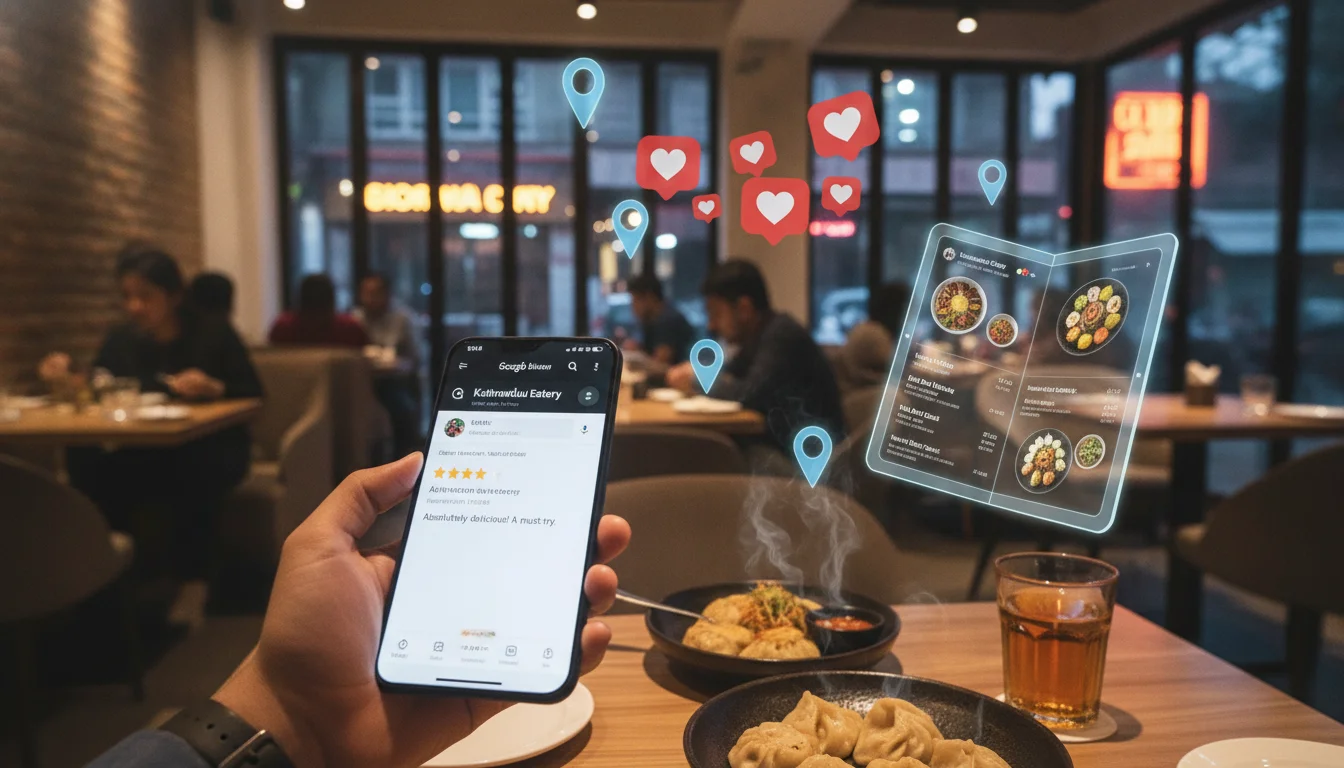
The hospitality industry in Nepal has undergone a monumental transformation over the past decade, expanding by 300% to encompass more than 15,000 restaurants, cafes, and specialized food businesses. However, the primary arena for competition has shifted from the physical dining room to the digital ecosystem. In the modern era, the consumer journey begins on search engines, social media feeds, and mobile applications long before a patron views a physical menu. Digital marketing for restaurants in Nepal is no longer an optional promotional tactic; it is the fundamental infrastructure required for survival, visibility, and revenue growth. Despite the rapid digitalization of the consumer base, analysis indicates that up to 85% of restaurants in Nepal struggle with online visibility, leaving substantial market share vulnerable to more digitally mature competitors.
Published Nepal results
A Kathmandu multi-specialty clinic rebuilt Google Business Profile and local SEO service pages: Maps views ~2,100 → ~9,240/month (~+340%) and search/Maps calls ~+85% in six months, ads held at NPR 25,000/month. Read the case. More proof: case studies hub.
This comprehensive report explores the multi-faceted landscape of restaurant marketing Nepal, bridging global hospitality trends with the hyper-local realities of the Nepali market. By examining consumer search behavior, technical search engine optimization (SEO), social media deployment, paid advertising, and advanced customer retention systems, this analysis provides an authoritative blueprint for how to promote a restaurant in Nepal effectively.
The Current State: How Nepali Customers Discover Restaurants Today
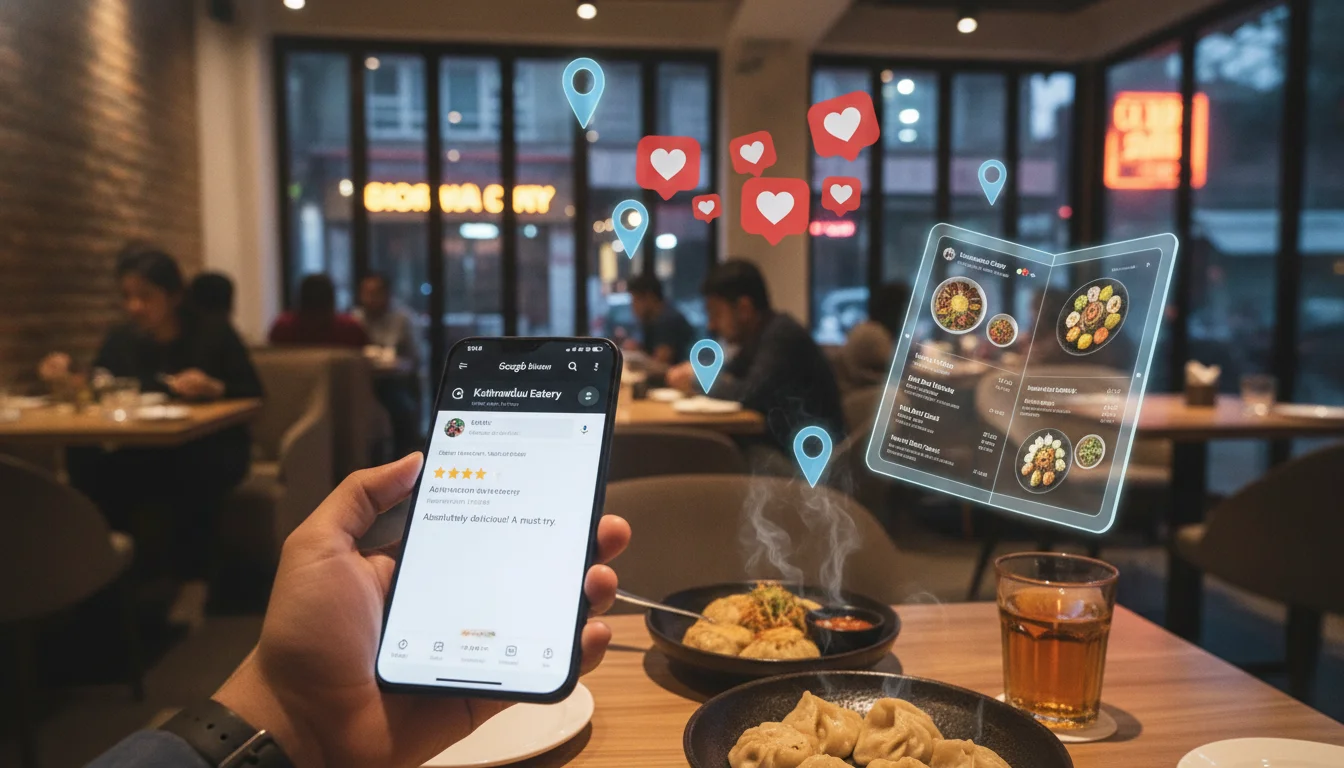
Understanding the digital customer journey is the foundational step in engineering a successful restaurant marketing strategy. The internet penetration rate in Nepal currently stands at 78%, representing over 18.1 million active users. Crucially, the market is overwhelmingly mobile-first, with 85% of all web traffic originating from mobile devices. This high-speed transition to mobile internet has fundamentally rewired how consumers discover, evaluate, and select food businesses.
The digital discovery process for Nepali diners can be categorized into four distinct phases, each requiring a specific digital marketing intervention.
- Discovery (45%): Potential customers utilize Google Search, Google Maps, and social media platforms to identify nearby dining options. Queries such as “restaurants near me” have surged by 500% in Nepal since 2020. Establishing high-ranking visibility across local SEO and map applications is critical to capturing high-intent traffic.
- Research (35%): Diners actively vet establishments by analyzing online reviews, browsing food photography, and checking digital menus on Google Business Profiles and Instagram. A robust digital foundation with professional visual assets builds immediate trust and credibility.
- Decision (15%): The final selection is based on comparative pricing, table availability, proximity, and perceived value. Frictionless booking systems and clear online pricing directly influence conversion rates.
- Post-Visit (5%): Patrons leave reviews and share user-generated content (UGC) across personal networks, heavily influencing future diners. Proactive reputation management and review generation mechanisms create a compounding loop of new customer acquisition.
The reliance on digital validation is absolute. Current market data reveals that 78% of diners research restaurants online prior to visiting, and 65% utilize Google Maps specifically to find nearby dining establishments. Furthermore, 92% of dining decisions are directly influenced by online reviews, demonstrating that digital reputation management is functionally synonymous with operational success.
The Influence of Food Delivery Aggregators
The local food delivery market has also reshaped restaurant discovery patterns. Platforms such as Foodmandu, Pathao Food, and Bhoj Deals serve as massive, dedicated search engines for hungry consumers. Foodmandu, a pioneer in the Nepali food-tech space operating for over 15 years, handles an average of 2,000 orders daily and has delivered to over 350,000 unique customers, achieving a turnover of NPR 75 crore in recent fiscal years.
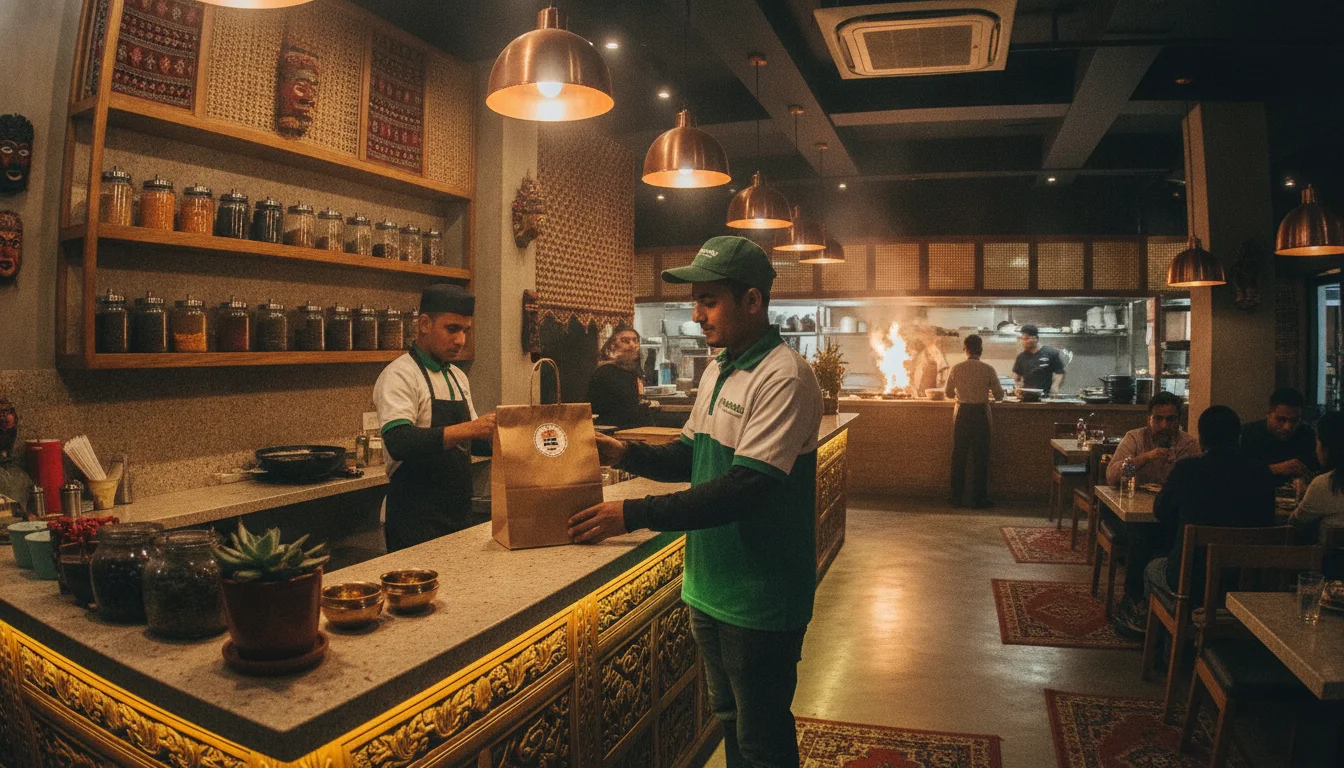
While these aggregators provide immediate visibility and access to a wide user base, the strategic risk for independent restaurants is substantial. Aggregator platforms charge variable commission rates, control the ultimate customer relationship, and mask valuable first-party customer data. Consequently, while participating in aggregator networks is necessary for delivery volume, successful food business marketing in Nepal requires establishing independent, direct-to-consumer digital channels to protect long-term profit margins.
Global and Regional Perspectives: Strategic Lessons for Nepal
To build a future-proof marketing strategy, it is essential to observe how mature digital markets and neighboring regions approach hospitality marketing. Trends originating in global markets, particularly in India and Southeast Asia, frequently forecast the next wave of digital adoption in Nepal.
Global Markets: Hyper-Personalization and First-Party Data
In mature markets such as the United States and the United Kingdom, international restaurant brands are shifting their marketing budgets toward zero-party and first-party data capture. The objective is to transition consumers from unknown walk-ins to known digital profiles. Global quick-service restaurants (QSRs) and casual dining chains are deploying contextual personalization, altering digital menu suggestions based on a user’s past purchase history, the time of day, or even localized weather patterns.
For example, major hospitality brands are linking loyalty programs with highly personalized digital experiences, such as offering exclusive menu items solely to loyalty members or partnering with external entertainment platforms to drive engagement. The second-order insight for the Nepali market is that restaurants must eventually transition from mass broadcasting on social media to personalized, data-driven customer retention systems to maximize the lifetime value (LTV) of each diner.
The Indian Market: The Dining-Out Battleground
The Indian food delivery sector, projected to reach a valuation of USD 81.9 billion by 2028 with a Compound Annual Growth Rate (CAGR) of 19.7%, provides a direct preview of potential market consolidations in South Asia. The Indian market is dominated by a duopoly: Zomato, which commands a 58% market share and recently achieved profitability, and Swiggy, which holds a 42% share.
A critical trend emerging from India is the aggressive expansion of these delivery platforms into the “dine-out” segment. Facing moderating growth in core delivery, platforms have launched features like Swiggy Dineout and Zomato Dining, leveraging their massive user bases to dominate physical restaurant reservations, loyalty programs, and in-house dining discounts. For fine dining restaurants, a presence on these platforms has become the primary driver of walk-in guests, with commission rates ranging from 18% to 25%.
This regional development serves as a stark warning for the Nepali market. As local aggregators inevitably attempt to monetize the dine-in experience, restaurants in Nepal that have not established their own independent reservation systems, branded websites, and direct marketing channels will be forced to pay premium commissions simply to seat customers in their own physical establishments.
Southeast Asia: Mobile-First Ecosystems and AI Integration
In Southeast Asia, rapid urbanization and highly affordable smartphones have created a strictly mobile-first consumer base. Across the Asia-Pacific (APAC) region, food and drink app downloads saw massive growth in 2024 and 2025, driven by platforms capitalizing on convenience. To combat rising third-party aggregator costs, mid-sized restaurant chains across Vietnam, Thailand, and Indonesia are heavily investing in custom-built Software-as-a-Service (SaaS) mobile ordering platforms.
Simultaneously, the integration of Artificial Intelligence (AI) is transforming hospitality marketing. Predictive analytics are being utilized to analyze localized demand and trigger automated promotional messaging. APAC diners are highly receptive to digital innovation, and restaurants deploying AI-powered conversational systems for reservations and customer service have reported up to 10% higher average bill sizes and significant reductions in front-of-house staff workloads. While fully bespoke mobile applications may exceed the budgets of small independent cafes in Nepal, the underlying principle—owning customer data to provide frictionless, mobile-optimized experiences—is universally applicable.
Building the Digital Foundation
A successful restaurant marketing campaign requires an impeccably engineered technical base. Allocating advertising budgets to a business with a poorly optimized digital foundation yields severely diminished returns. The following pillars form the essential digital infrastructure for restaurant SEO in Nepal.
Website Optimization and Technical SEO
An independent website serves as the central hub for a restaurant’s digital identity. A critical, yet frequently overlooked, factor for the Nepali market is website loading speed. With the country’s average internet speed hovering around 19.4 Mbps, and mobile data costs prompting high sensitivity among users, a slow website directly damages revenue. A mere one-second delay in page load time results in a 7% conversion loss, and 78% of Nepali users will abandon a site if it is not optimized for mobile devices.
To optimize for Nepal’s specific technical landscape, restaurants must prioritize the following technical SEO parameters:
-
Localized Hosting Infrastructure: The majority of Nepali websites are hosted on distant international servers, causing high latency.
- Utilizing Solid State Drive (SSD) Virtual Private Servers (VPS): Located in geographically proximate data centers, such as Singapore or Mumbai, minimizes response times.
- Mobile-First CSS and Touch Targets: Implement responsive design principles focusing on mobile environments. Navigation elements and buttons must have minimum touch targets of 44px to accommodate touchscreens effortlessly.
- Next-Generation Image Formats: Food photography is notoriously heavy on bandwidth. Serving images in WebP or AVIF formats provides superior compression compared to standard JPEGs, ensuring rapid loading without sacrificing visual fidelity.
- Searchable Digital Menus: Restaurants frequently make the error of uploading static, non-searchable PDF menus. Menus must be constructed in indexable HTML. This ensures search engines can read specific dishes, allowing the restaurant to rank when users execute long-tail queries such as “authentic Newari cuisine in Patan” or “best momo in Kathmandu”.
Schema Markup Implementation
To dominate local search results, technical SEO must include Schema Markup (structured data). This backend code translates the website’s content into a language that search engines inherently understand, triggering highly visible rich snippets in search results.
In Nepal, where Schema utilization is exceptionally low, implementing a robust Restaurant and LocalBusiness JSON-LD schema provides a massive competitive advantage. The schema should explicitly define the restaurant’s precise geographical coordinates, accepted currencies (NPR), opening hours, and price ranges. Furthermore, implementing Menu schema breaks down appetizers, main courses, and prices directly into search engine databases, while Review schema highlights star ratings directly on the search engine results page (SERP), dramatically increasing click-through rates.
Google Maps Marketing Nepal and GBP Optimization
A Google Business Profile (GBP) is the most powerful free marketing asset available to local businesses. An optimized GBP acts as a digital storefront, capturing the 76% of local searches that result in physical visits within 24 hours. However, analysis indicates that roughly 73% of GBP listings in Nepal remain incomplete or poorly maintained.
Optimization requires meticulous attention to detail and adherence to local nuances:
- Exact Profile Setup: The business name must reflect real-world signage strictly without promotional keyword stuffing, which violates Google’s guidelines.
- Landmark Addressing: Nepal’s addressing system lacks the standardized grid structures found in Western markets. Consequently, utilizing landmark-based descriptions in the address field (e.g., “Tridevi Marg 21, Thamel, Near Garden of Dreams, Opposite Kathmandu Guest House”) assists both Google’s geographical mapping algorithms and actual customers navigating the physical area.
- Category Selection: Selecting the most granular primary category available (e.g., “Nepalese restaurant” or “Boutique cafe” rather than a generic “Restaurant”) vastly improves relevance scores for specific queries.
- Visual Asset Management: Profiles containing rich photography gain 35% more clicks. Restaurants should upload a minimum of 10 to 15 high-quality photos, clearly categorizing the exterior storefront, interior seating ambiance, signature menu items, and staff members.
Review and Reputation Management
Online reviews serve as the digital equivalent of word-of-mouth recommendations. Generating consistent, high-quality reviews requires proactive operational systemization. Establishments must train front-of-house staff to politely request reviews from satisfied diners at the point of payment. Highly effective tactics include placing QR codes linked directly to the GBP review page on physical menus or table tents, providing Wi-Fi passwords alongside a gentle review reminder, and sending automated post-visit SMS or WhatsApp messages containing review links.
Crucially, all reviews—both positive and negative—must receive a response. When addressing negative feedback, management must remain professional, avoid defensive excuses or blaming the customer, and invite the patron to resolve the issue through direct offline communication. A professionally handled negative review often builds more trust with prospective diners than a flawless profile.
Social Media Strategy: Capturing the Visual Diner
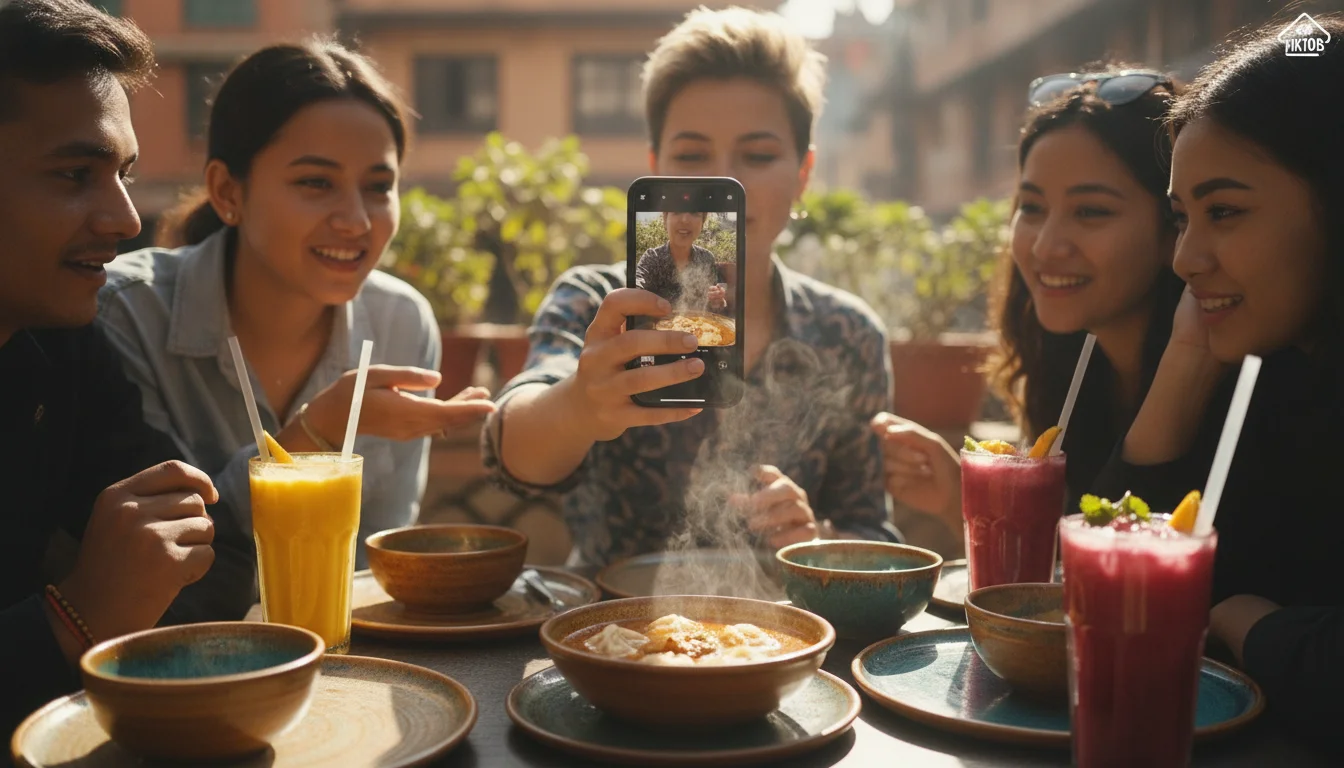
Social media platforms are the primary channels where food businesses thrive visually and build community engagement. With over 16 million active Facebook users alongside a rapidly expanding user base on Instagram and TikTok, establishing a structured social media presence is a mandatory component of digital marketing for restaurants in Nepal.
Platform Breakdown and Strategic Focus Areas
| Social Media Platform | Primary Demographic & Use Case | Strategic Application for Nepali Restaurants |
|---|---|---|
| Millennials & Gen Z; highly visual, aesthetic-driven discovery. | Ideal for high-quality food photography, aesthetic venue shots, and behind-the-scenes content via Instagram Stories and Reels. | |
| Broad demographics; community groups, local event discovery. | Critical for broader reach, promoting family events, sharing comprehensive menu updates, and driving “Click-to-WhatsApp” lead generation advertisements. | |
| TikTok | Gen Z & young Millennials; algorithmic viral discovery. | Essential for driving mass awareness through fast-paced recipe tutorials, humorous kitchen dynamics, and visually satisfying food preparation timelapses. |
| YouTube Shorts | Broad demographics; search-integrated video discovery. | Repurposing TikTok/Reels content to capture video search traffic and build long-term subscriber bases. |
Strategic Posting Cadence and Formats
Success on social media requires rigorous consistency rather than sporadic bursts of activity. Market data suggests an optimal posting cadence includes 1 to 2 feed posts daily, 3 to 5 stories daily, and 2 to 3 short-form videos (Reels/TikToks) per week.
Content deployment must be scientifically timed to align with peak consumer hunger windows—specifically scheduling posts just before the lunch rush (11:00 AM to 12:00 PM) and prior to evening dinner hours (5:00 PM to 6:00 PM). Every post must utilize precise geo-tagging and hyper-local hashtags (e.g., #KathmanduFood, #ThamelEats, #NepalRestaurant) to capture users browsing localized discovery feeds. Furthermore, engagement speed is critical; comments and direct messages should ideally be addressed within one hour to satisfy algorithmic preferences and consumer expectations of instant gratification.
Common Social Media Mistakes
A frequent error observed among hospitality businesses is treating social media strictly as a digital billboard. Posting endless, uninspired photos of food without context, storytelling, or engagement prompts leads to rapid algorithmic suppression. Additionally, cross-posting the exact same content across all platforms without adapting to the specific format requirements (e.g., posting a static landscape photo on TikTok) results in fragmented audience perception and poor engagement.
Content Marketing for Restaurants: Beyond the Plate
Content marketing for restaurants extends far beyond posting the daily special; it involves the strategic distribution of multimedia assets that evoke emotion, establish culinary authority, and drive measurable conversions. A well-balanced restaurant content calendar should adhere to a specific allocation of topics designed to nurture the customer through the marketing funnel.
| Content Category | Allocation | Strategic Purpose & Examples |
|---|---|---|
| Food and Menu Content | 40% | Purpose: Direct revenue generation and visual appeal. Examples: Signature dish spotlights, seasonal menus, chef’s weekly recommendations, ingredient sourcing stories. |
| Cultural and Educational | 25% | Purpose: Establishing authority and cultural connection. Examples: The history of traditional dishes (e.g., Dal Bhat), spice education, cooking tips, and festival dining traditions. |
| Local Community | 20% | Purpose: Building local loyalty and community partnerships. Examples: Staff spotlights, neighborhood event coverage, showcasing partnerships with local farmers. |
| Practical Information | 15% | Purpose: Removing friction from the booking and ordering process. Examples: Delivery area maps, parking guides, reservation instructions, dietary option guides (vegan/gluten-free). |
The Imperative of Professional Food Photography
The culinary adage that “people eat with their eyes first” is absolute in digital marketing. High-quality visuals that accurately capture lighting, texture, and appetizing presentation can double the conversion rate of digital menus. While daily social media updates (like Instagram Stories) can leverage DIY smartphone photography using natural window lighting, professional photoshoots are strictly recommended for signature dishes, website hero images, and paid advertising creatives. In Nepal, a typical professional restaurant photo session ranges from NPR 10,000 to NPR 30,000, representing a high-ROI investment that elevates the entire brand perception.
Festival and Seasonal Marketing Campaigns
The Nepali calendar is rich with festivals and distinct seasonal shifts, offering highly lucrative content marketing opportunities when executed proactively.
-
Festival Alignments: Major cultural festivals such as Dashain, Tihar, and Nepali New Year require dedicated campaign planning starting at least one month in advance.
- Content during these periods should pivot toward promoting family feast bookings, large-group celebration menus, and corporate event packages.
- Weather-Based Marketing: During the extended monsoon season (June–September), content should strategically promote warm comfort foods, indoor entertainment (such as live acoustic music), and emphasize robust, weather-proof delivery options. Conversely, winter marketing can highlight rooftop views, outdoor seating during sunny afternoons, and hearty seasonal recipes.
Paid Advertising: Accelerating Visibility and Conversions
While organic search and social media growth are vital for long-term sustainability, paid digital advertising provides immediate, highly targeted traffic that can fill empty tables on demand. In Nepal, Meta Ads (Facebook and Instagram) and Google Ads represent the most effective paid acquisition channels for hospitality businesses.
Meta Ads (Facebook and Instagram)
Meta’s advertising platform allows for highly granular local targeting, which is essential for brick-and-mortar hospitality. Restaurants can deploy ads specifically reaching users within a tight 5 to 10-kilometer radius of their physical location. Targeting can be further refined by isolating demographics and interests, focusing on users identified as “foodies,” “frequent travelers,” or individuals showing an affinity for specific cuisines and nightlife.
Effective Meta ad creatives require a strong visual hook, a clear and immediate offer (e.g., “Complimentary appetizer with dinner bookings this weekend”), and a frictionless Call-To-Action (CTA) such as “Book Now” or “Get Directions.” The deployment of tracking mechanisms, specifically the Meta Pixel and Conversions API (CAPI), allows restaurants to execute retargeting strategies. This means serving specific, high-urgency ads to users who previously visited the digital menu but abandoned the site without making a reservation. For impactful campaigns in the Nepali market, a minimum sustained ad spend of NPR 1,000 per day is generally recommended to ensure the machine learning algorithm gathers sufficient delivery data.
Google Ads (Search and Local Campaigns)
Unlike social media ads, which disrupt a user’s browsing experience, Google Search Ads capture high-intent users actively seeking a solution. Bidding on targeted keywords such as “romantic dinner Thamel,” “best family restaurant Patan,” or “dinner reservation Kathmandu” ensures immediate visibility at the exact moment a consumer is ready to make a purchasing decision.
Google Search campaigns must heavily utilize ad extensions. Location extensions and call extensions allow users to initiate a phone call or generate physical directions directly from the search engine results page (SERP), driving immediate foot traffic without requiring the user to navigate through the restaurant’s website.
Influencer Marketing: Leveraging Local Trust
Influencer marketing has evolved into a cornerstone of restaurant promotion ideas in Nepal. Modern consumers increasingly trust peer recommendations and authentic reviews over polished corporate advertising. However, the methodology for selecting and collaborating with local food bloggers requires a highly strategic approach to guarantee a positive Return on Investment (ROI).
Categorizing Influencers by Reach and Cost in Nepal
In the Nepali market, influencer tiers, expected engagement rates, and typical compensation structures are well-defined. Restaurant owners must align their campaign goals with the appropriate tier of influencer.
| Influencer Tier | Follower Count | Expected Engagement Rate | Typical Cost per Post (NPR) | Strategic Best Use |
|---|---|---|---|---|
| Nano-Influencers | 1,000 – 10,000 | 8% – 15% | NPR 2,000 – 5,000 | Hyper-local campaigns, niche food concepts, and highly authentic community trust building. |
| Micro-Influencers | 10,000 – 50,000 | 5% – 10% | NPR 5,000 – 20,000 | Targeted restaurant campaigns and authentic food reviews driving foot traffic. |
| Mid-Tier Influencers | 50,000 – 100,000 | 3% – 7% | NPR 20,000 – 50,000 | Broader brand awareness, major menu launches, and new branch openings. |
| Macro-Influencers | 100,000 – 500,000 | 2% – 5% | NPR 50,000 – 200,000 | Mass national reach, large-scale branding, and broad market penetration. |
(Note: Pricing data represents approximate local market benchmarks and varies based on content deliverables)
Execution, Collaboration, and ROI Tracking
The most critical error hospitality businesses make in influencer marketing is prioritizing vanity metrics (raw follower counts) over actual engagement rates and audience alignment. A micro-influencer with 15,000 highly engaged, localized food enthusiasts will yield significantly more physical reservations than a macro-influencer with 200,000 disengaged, geographically scattered followers.
Collaboration models vary based on the campaign scale. Common arrangements include offering complimentary signature meals in exchange for honest reviews, structuring paid partnerships requiring specific deliverables (e.g., one Instagram Reel and three corresponding Stories), or organizing exclusive social media takeovers during soft openings.
To accurately measure the success of an influencer campaign, restaurants must implement concrete tracking mechanisms rather than relying on “likes.” This includes generating custom promotional codes (e.g., a discount code unique to the influencer’s audience) or utilizing specific reservation landing pages linked directly in the influencer’s bio, allowing management to track exact revenue generated against the cost of the collaboration.
Customer Retention: The Power of WhatsApp Marketing
Acquiring a new diner is significantly more expensive than retaining an existing one. For customer retention and direct communication in Nepal, WhatsApp has emerged as the undisputed dominant channel. With over 90% of smartphone users in Nepal actively utilizing the platform, WhatsApp messages boast a staggering 98% open rate, vastly outperforming traditional email marketing (which typically sees open rates of 20% to 25%).
WhatsApp Business Setup and Catalog Integration
Small to medium-sized restaurants and cafes can leverage the free WhatsApp Business application to establish a highly professional communication channel. The profile must be fully optimized with the official business name, physical address, operating hours, and a direct link to the website.
A critical feature for online marketing for cafes in Nepal is the WhatsApp Catalog. Restaurants can upload high-quality images of their dishes, complete with detailed descriptions and exact pricing in Nepalese Rupees (NPR). When a potential customer inquires about menu options, staff can instantly share the digital catalog link directly within the chat interface, creating a frictionless, visually appealing ordering experience without requiring the user to download a separate app.
Broadcast Lists and Promotional Strategy
WhatsApp broadcast lists permit businesses to send messages to up to 256 opted-in contacts simultaneously, delivering messages that appear as personal, one-on-one chats. This feature is highly effective for sending time-sensitive promotions, such as weekday lunch specials, weekend live music announcements, or exclusive discounts. However, restraint is critical; sending unsolicited messages to non-consenting users or broadcasting more than one to two times per week can result in customers reporting the number as spam, potentially leading to permanent account bans from Meta.
Advanced CRM and API Integration for Scale
For larger hospitality operations processing high volumes of inquiries, migrating to the WhatsApp Business API is necessary. Integrating API platforms like WhatZCRM, SleekFlow, or Sparrow SMS allows restaurants to centralize communications into shared team inboxes and deploy advanced automation. While API access incurs monthly software costs and per-message fees (with utility and marketing messages priced variably by Meta), the operational efficiencies gained are transformative.
Key use cases for WhatsApp CRM integrations in restaurants include:
- Automated Booking Confirmations: Instantly sending reservation details, calendar links, and location pins as soon as a booking is logged in the system.
- No-Show Reduction: Sending automated, polite reminders 24 hours and 2 hours prior to a reservation. Industry data indicates this simple automation can reduce devastating no-show rates from 18% to under 6%.
- Post-Purchase Feedback Collection: Triggering a message 24 hours after a meal asking about the dining experience. If the sentiment is positive, the system automatically requests a Google Review, thereby automating reputation growth.
- Digital Loyalty Programs: Modern restaurants are abandoning easily lost physical punch cards in favor of digital points tracking directly inside WhatsApp. Customers receive automated updates on their points tally and digital coupons for free items, driving immense repeat visit frequency.
Email Marketing Synergies
While WhatsApp dominates urgent, conversational, and high-open-rate communications, email marketing remains highly valuable for long-form content, monthly newsletters, and highly detailed promotional campaigns. Building a robust email list through reservation systems or gated Wi-Fi login portals allows restaurants to execute automated welcome sequences for new guests and targeted birthday or anniversary reward campaigns, complementing the immediacy of WhatsApp.
Measuring Success: Moving Beyond Vanity Metrics
Digital marketing efforts must be continuously measured against concrete Key Performance Indicators (KPIs) to justify the return on investment and guide future strategy.
Relying solely on vanity metrics—such as total likes, follower counts, or theoretical reach—paints a dangerously incomplete picture of business health and revenue generation.
A comprehensive analytics setup requires the integration of Google Analytics 4 (GA4) on the restaurant’s website and the Meta Pixel for social media tracking. Restaurant marketing teams must track the following hard conversion actions:
- Website Performance Metrics: Total organic traffic growth, mobile bounce rates, and average time spent on menu pages.
- Google Business Profile Insights: The absolute number of requests for physical directions, direct phone calls generated from the listing, and overall profile views in local search.
- Direct Conversion Tracking: The number of table reservations completed online, clicks on “Order via WhatsApp” buttons, and the redemption rates of specific promotional codes distributed via influencers or social media ads.
By reviewing these metrics on a structured weekly and monthly basis, restaurant operators can accurately calculate their Customer Acquisition Cost (CAC) and reallocate budgets away from underperforming, aesthetic-only campaigns toward the highest-yielding conversion channels.
Common Mistakes in Restaurant Marketing Nepal
Despite the availability of advanced marketing tools, many food businesses in Nepal repeatedly fall into avoidable operational traps that drain their marketing budgets and damage their online reputations:
- Operating Without a Technical Foundation: Attempting to run aggressive Facebook advertising campaigns pointing to a slow, non-mobile-optimized website, or lacking a website entirely, results in massive bounce rates and entirely wasted ad spend.
- Inconsistent NAP Data: Maintaining inconsistent Name, Address, and Phone number (NAP) details across local directories, social media profiles, and Google Maps severely penalizes local search rankings, confusing search engine algorithms and potential diners alike.
- Boosting Posts Without Objectives: Blindly hitting the “Boost Post” button on Facebook without properly configuring custom audiences, implementing tracking pixels, or defining a clear conversion goal is one of the most common ways marketing budgets are squandered in Nepal.
- Ignoring Negative Reviews: Leaving poor reviews unaddressed on public forums signals a severe lack of customer care. Engaging professionally and empathetically with criticism often converts dissatisfied guests into vocal advocates and demonstrates accountability to future readers.
- Failing to Capture Customer Data: Relying entirely on third-party delivery apps (which deliberately mask customer contact data) prevents the restaurant from building an independent database for remarketing and loyalty campaigns, creating a dangerous dependency on external platforms.
Practitioner Insight: Integrating Local Realities with Global Strategy
From extensive professional consulting practice and digital strategy execution across Nepal’s hospitality sector, a distinct pattern of success has emerged. In digital marketing training sessions, industry experts frequently note that the most successful restaurant brands in Nepal are those that prioritize systematic data capture over sporadic viral marketing trends.
One common challenge observed while helping businesses improve their digital presence is the industry’s over-reliance on third-party aggregators and aesthetic social media posting without a corresponding conversion mechanism. A beautiful Instagram feed alone cannot sustain a business if it lacks a frictionless path to booking a table or ordering food.
Practitioner Insight: Arjan KC notes that sustainable growth in the Nepali restaurant sector requires an integrated, engineered model. Businesses must optimize the technical speed of their mobile websites, rigorously maintain their Google Business Profiles with hyper-local schema, and aggressively capture first-party customer data into automated WhatsApp CRM systems. Creativity must be guided by data, customer empathy, and rigorous tracking. When restaurants shift their operational focus from accumulating social media followers to optimizing their local search prominence and retaining existing diners through highly personalized messaging, the resulting impact on top-line revenue is both immediate and compounding.
Search-Friendly FAQs
Q: How much does social media marketing for restaurants in Nepal cost?
A: Costs vary based on the scale of the campaign. Basic management packages (Facebook & Instagram) generally start around NPR 50,000 per month. Paid advertising budgets should be a minimum of NPR 1,000 per day to generate meaningful data and conversions.
Q: Which is more important for a Nepali cafe: Facebook or Instagram?
A: Both serve distinct purposes in online marketing for cafes in Nepal. Instagram is crucial for visual discovery, reaching Gen Z and Millennials, and showcasing the cafe’s aesthetic. Facebook remains essential for broader community reach, detailed menu updates, event promotions, and driving targeted lead-generation advertisements.
Q: Can a restaurant survive without being on delivery apps like Foodmandu or Pathao?
A: Yes, but it requires a strong independent digital presence. While delivery platforms provide immediate volume, building a custom website optimized for restaurant SEO Nepal, combined with a WhatsApp Business ordering system, allows restaurants to bypass high commission fees and own their customer data.
Q: What is the fastest way to improve a restaurant’s Google Maps ranking in Nepal?
A: Ensure your Name, Address (using local landmarks), and Phone number are perfectly consistent across the web. Regularly upload high-quality photos, post weekly updates, and implement a proactive system to generate and respond to customer reviews. Reviews are the strongest ranking factor for local prominence.