Handicraft Export Marketing: Selling Nepali Craft Abroad
Nepali handicrafts already have international buyers: pashmina and cashmere shawls, felt balls and slippers, singing bowls, thangka paintings, lokta paper, metal statues, and woven goods. The challenge for most makers and exporters is not the product. It is being found, trusted, and easy to buy from by people who cannot visit Thamel or Patan.
This guide covers small workshops selling direct to consumers abroad and exporters selling to shops and wholesalers. For broader advice on reaching Nepalis overseas, see diaspora marketing.
Know which buyer you are serving
| Buyer | What they need | Where to reach them |
|---|---|---|
| Individual shoppers abroad | Photos, price in their currency, shipping time, returns | Marketplaces, Instagram, Pinterest, Google |
| Shops and boutiques | Wholesale prices, minimum order, lead time, consistent quality | Website, email, LinkedIn, trade fairs |
| Yoga, wellness, and gift shops | Product knowledge, packaging, custom branding | Website, email, niche directories |
| Fair trade and ethical buyers | Maker stories, working conditions, certifications | Website, fair trade networks, LinkedIn |
| Tourists after their trip | Reordering what they saw in Nepal | Business card QR codes, email, Instagram |
Mixing retail and wholesale on the same page confuses both. Give each its own path.
Tell the maker story honestly
International buyers often pay more for handmade goods when they understand who made them and how.
- Show real artisans and workshops, with permission, and name the process (hand-spinning, felting, hand-hammering, painting).
- Explain how long items take to make and why that affects price.
- Share your history: when the workshop started, where it is, how many people it employs.
- Avoid exaggerated claims about tradition or spiritual properties that you cannot support.
Be precise about materials
Mislabelled materials damage trust for the whole sector.
- Use accurate names and percentages: “70% cashmere, 30% silk” rather than a vague “pashmina”.
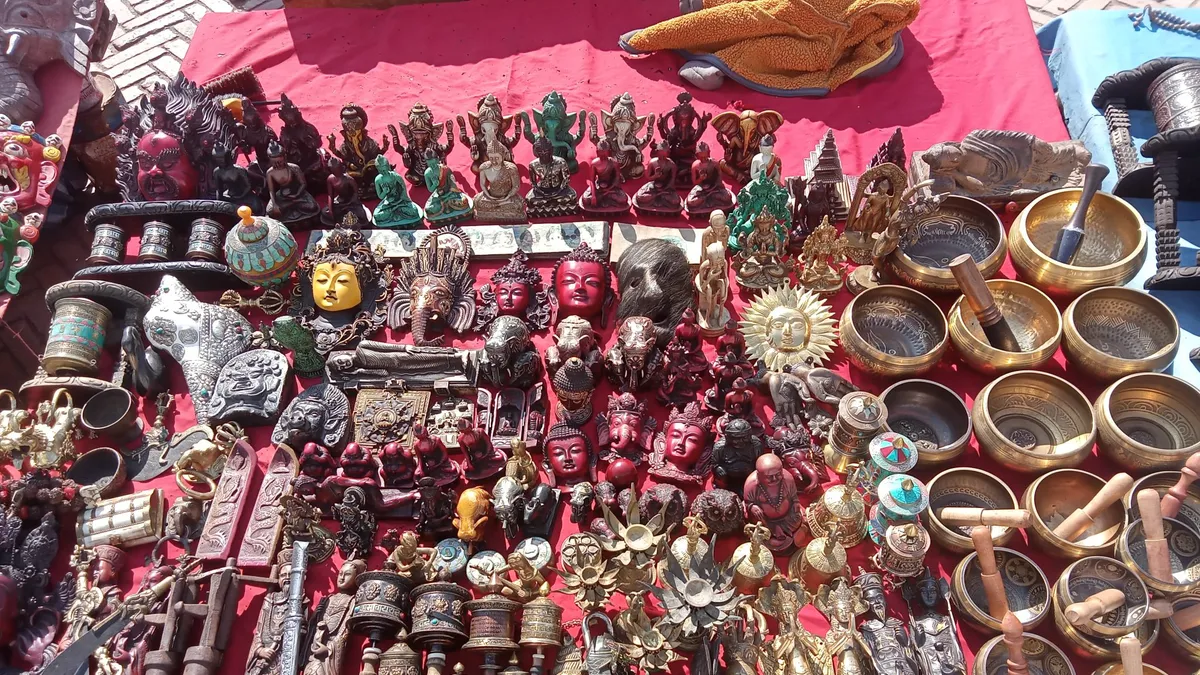
- Explain how singing bowls are made (hand-hammered or machine-made, alloy) and avoid unverifiable claims such as exact metal counts or healing effects.
- Only use “antique” or “old” when true. Items that look old may need clearance from Nepal’s Department of Archaeology before export, so check current rules with your exporter or customs agent.
- Describe dyes (natural or synthetic), sizes, and care instructions.
Build a buyer-ready website
Your website is where wholesale buyers check you out and where retail buyers who found you on social media decide to order.
- Product pages with several real photos, dimensions in centimetres and inches, materials, and care.
- Prices in US dollars or euros, or clear guidance on currency.
- Shipping information: carriers, typical delivery time by region, and who pays customs duties.
- A wholesale page with minimum order quantities, lead times, customisation (colours, logos, packaging), sample policy, and an enquiry form.
- An About page with the maker story, address, and contact details.
Search engines matter here. Buyers search phrases such as “handmade felt slippers wholesale” or “Nepal singing bowl supplier”. The SEO for e-commerce service covers product and category optimisation.
Use marketplaces carefully
Marketplaces put you in front of buyers already searching for handmade goods, but they come with fees and rules.
- Read each marketplace’s seller policies on handmade claims, shipping times, and payments before listing.
- Keep titles and descriptions accurate; avoid copying competitors’ listings.
- Ask satisfied buyers for reviews, which matter a lot on marketplaces.
- Use your own website and email list so you are not dependent on one platform.
Receiving international payments from Nepal has its own hurdles. Confirm with your bank which payment methods work for your business before you promise them to buyers.
Reach wholesale buyers directly
- LinkedIn: connect with buyers at gift, yoga, and home-decor retailers; share new collections and production updates.
- Email: send a simple catalogue (PDF or web page) with wholesale prices on request, and follow up politely.
- Trade fairs and buyer meetings: prepare a printed catalogue with a QR code to your wholesale page.
- Samples: have a clear sample policy and charge for samples or credit them against the first order.
See the LinkedIn B2B guide for building visibility with professional buyers.
Instagram and Pinterest for discovery
Handicrafts are visual, so image-led platforms work well.
- Short videos of products being made perform well.
- Styled photos showing products in homes, studios, or as gifts help buyers imagine using them.
- Pinterest pins can bring buyers searching for décor and gift ideas long after you post.
- Link each post to the matching product page, not just your homepage.
Turn tourists into repeat buyers
Many visitors buy crafts in Nepal and want more after they go home.
- Include a card with a QR code to your website or WhatsApp in every bag.
- Collect email addresses (with permission) for reorders and new collections.
- Offer international shipping for items they saw in the shop.
The offline-to-online QR guide covers printed QR codes and tracking.
Measuring results
- Retail orders and wholesale enquiries by source.
- Enquiry-to-order rate for wholesale.
- Average order value and repeat orders.
- Shipping complaints, delays, and returns.
- Reviews and the share mentioning quality and accuracy.
Common mistakes
- Vague or inflated material claims.
- One page trying to serve tourists, retail shoppers, and wholesalers.
- No shipping times or customs information.
- Relying only on one marketplace.
- Generic photos that look like every other seller’s.
Key takeaways
- Separate retail and wholesale paths.
- Tell real maker stories and describe materials precisely.
- Build a website with product details, shipping information, and a wholesale page.
- Use marketplaces and social media for discovery, and email for repeat business.
- Turn in-person tourist sales into online reorders with QR codes.
How this fits the stack
International work is described on international digital marketing services, with online selling on e-commerce marketing. See also agriculture and agribusiness marketing for food and herb exporters.
Related dictionary terms
Next step
Write a wholesale page with minimum orders, lead times, and a sample policy, and correct any vague material claims on your listings. For help reaching international buyers, scope work through hire packages or contact.


