Furniture Store Marketing in Nepal: Showroom to Delivery
Furniture is a high-value purchase that buyers think about for weeks. A family furnishing a new flat, a couple buying a bed before their wedding, or an office setting up desks will browse Facebook pages, visit several showrooms, and ask about quality, delivery, and after-sales service. Marketing works when it answers those questions before the visit and makes the showroom worth the trip.
This guide covers furniture showrooms, carpentry workshops taking custom orders, and online furniture sellers. Interior design firms are covered with renovation work in construction company marketing.
Step 1: Build a catalogue buyers can use
For each item, show:
- Dimensions in feet and inches or centimetres.
- Materials: solid wood (which type), engineered wood, metal, fabric, leather, or foam density.
- Colours and finishes available.
- Price or starting price.
- Stock status or lead time.
Use Facebook and Instagram catalogues, a WhatsApp catalogue, and a website if you have one. Organise by room: living, bedroom, dining, office, and outdoor.
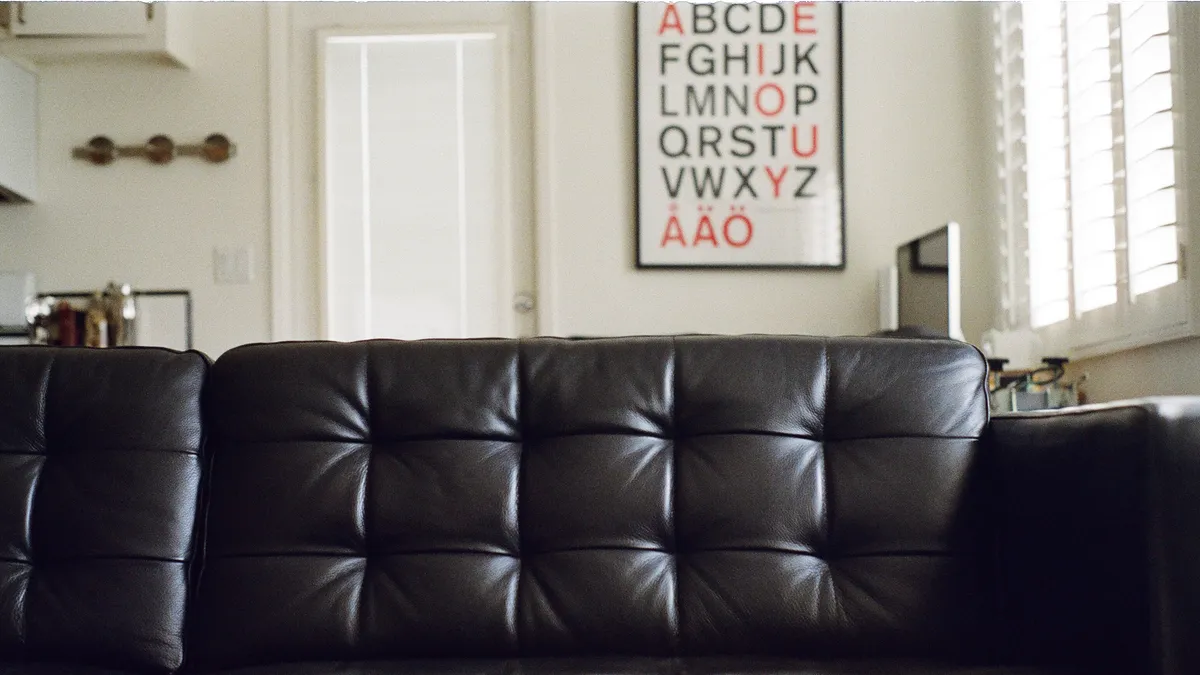
Step 2: Show furniture in real rooms
Showroom photos look like every other shop. Real-room photos help buyers imagine.
- Photograph furniture in customers’ homes after delivery, with their permission.
- Show scale with people or familiar objects.
- Add short videos showing drawers, recliners, sofa-cum-beds, and storage.
- Show close-ups of joints, upholstery, and finishes to prove quality.
The phone product photography guide covers light and angles with a phone.
Step 3: Explain the custom-order process
Many Nepali buyers want furniture made to fit their space.
- Show a portfolio of custom pieces with materials and approximate timelines.
- Explain the steps: measurement visit, design, quotation, advance, production, delivery.
- State advance payment and what happens if the design changes.
- Give realistic timelines, especially before festivals when workshops are busy.
Step 4: Be clear about delivery, assembly, and warranty
- Delivery areas and charges, including upper-floor delivery without lifts.
- Assembly included or not.
- Warranty on frames, mechanisms, and upholstery, and what is excluded.
- After-sales repairs and how to request them.
These details reduce worry and set you apart from sellers who disappear after delivery.
Step 5: Win local search and showroom visits
- Complete your Google Business Profile with categories, hours, showroom photos, and products.
- Add parking and directions information.
- Ask buyers for reviews after delivery and assembly.
- Invite online enquirers to visit, and have staff who can answer material and price questions.
Step 6: Time campaigns to life events
- New homes and apartments: target areas with new housing projects and partner with builders or real estate agents.
- Weddings: bedroom sets and dining tables.
- Dashain and Tihar: home upgrades and festival offers.
- Offices, cafés, and hotels: commercial packages and bulk quotes.
Hypothetical example: A furniture store partners with a housing developer to offer a starter package for new flat owners: a bed, a wardrobe, and a sofa at a bundled price with free delivery. The developer mentions it at handover, and the store gets introductions to buyers furnishing empty homes.
Step 7: Explain payment options
- Accepted payments: wallets, QR, bank transfer, and cards.
- Instalments or EMI, if available, with clear terms and total cost.
- Advance and balance terms for custom orders.
Step 8: Stay in touch with past buyers
- With permission, save contacts and what they bought.
- Share new collections and offers for matching items.
- Offer polishing, re-upholstery, or repair services.
- Ask for referrals when customers are happy with delivery.
Measuring results
- Enquiries and showroom visits by source.
- Enquiry-to-sale rate, online and in-store.
- Average order value.
- Custom-order lead times and on-time delivery.
- Reviews mentioning quality, delivery, and service.
Common mistakes
- No dimensions or materials listed.
- Only showroom photos, no real rooms.
- Unrealistic custom-order timelines before festivals.
- Unclear delivery charges or warranty.
- No follow-up after delivery.
Key takeaways
- Catalogues need dimensions, materials, prices, and stock status.
- Real-room photos and close-ups build confidence.
- Explain custom-order steps, advance terms, and timelines.
- Be clear about delivery, assembly, warranty, and repairs.
- Time campaigns to new homes, weddings, and festivals.
How this fits the stack
The sector service is described on retail marketing Nepal, with online selling on e-commerce marketing. See also retail store marketing in Nepal.
Related dictionary terms
- AOV (average order value)
- Google Business Profile
- Customer retention
- Social proof
- User-generated content
Next step
Add dimensions, materials, and starting prices to your 20 best-selling items, and photograph three recent deliveries in customers’ homes. For help marketing a furniture business, scope work through hire packages or contact.


