Digital Marketing for Indian Healthcare Providers & Hospitals
Industry Overview
The healthcare sector in India represents one of the most dynamic, complex, and rapidly expanding markets in the global economy. This expansion is driven by a confluence of demographic shifts, rising income levels, an acute need for modernized medical infrastructure, and sweeping technological advancements. The Indian hospital market, which forms the critical bedrock of this sector, was valued at approximately US$ 98.98 billion in 2023 and is projected to expand at a compound annual growth rate (CAGR) of 8.0% from 2024 to 2032, ultimately reaching an estimated US$ 193.59 billion by the end of the forecast period. Other prominent financial analyses suggest an even more aggressive trajectory, with the private multi-specialty hospital market alone projected to reach INR 9,800 billion by 2028, reflecting a robust 12% CAGR, and the overall hospital sector expected to eclipse US$ 202.5 billion by 2030. This unprecedented financial growth is fundamentally underpinned by the increasing prevalence of lifestyle and non-communicable diseases (such as diabetes, cardiovascular conditions, and oncology), a burgeoning aging demographic, and an escalating consumer awareness regarding preventive health measures.
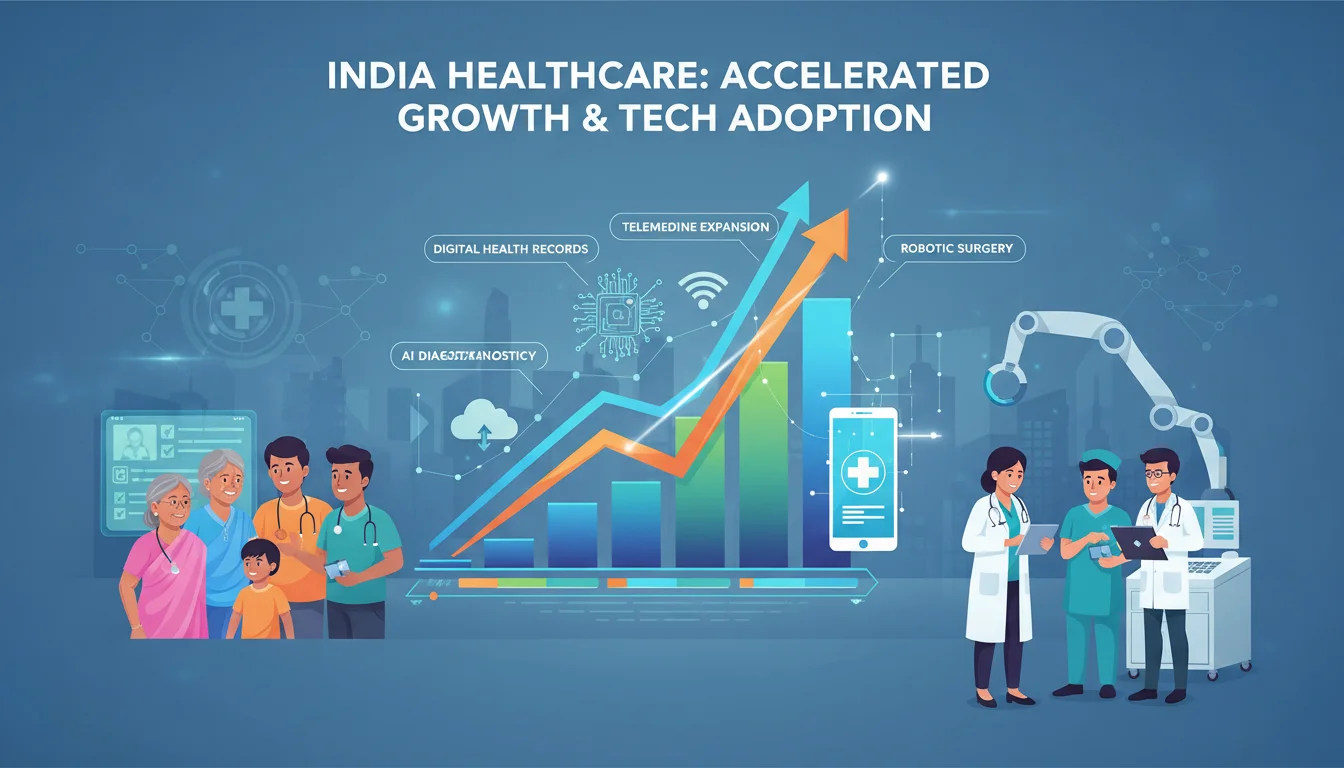
Despite this immense financial expansion and the influx of capital, the industry grapples with profound structural, operational, and geographical challenges. India’s healthcare infrastructure remains critically underserved when evaluated against global benchmarks. Currently, the nation possesses approximately 13 hospital beds per 10,000 people, a figure that sits starkly below the global median of 29 beds per 10,000 individuals. To bridge this infrastructural chasm and achieve the government’s target of three beds per 1,000 individuals by 2025, the country requires an immediate infusion of three million additional hospital beds, necessitating approximately two billion square feet of new healthcare space. Concurrently, the sector faces an immense human resources deficit, requiring an additional 1.54 million doctors and 2.4 million nurses to address the growing healthcare demand. This manpower shortage is particularly pronounced in rural and semi-urban areas, leading to severe urban-rural disparities where high-end tertiary and quaternary care is concentrated almost exclusively in metropolitan hubs, leaving massive populations in the so-called “missing middle” of Tier-2 and Tier-3 cities underserved.
Furthermore, healthcare providers face an intricate and frequently updated regulatory landscape that demands constant operational vigilance. Compliance with frameworks such as the Clinical Establishments Act, the National Accreditation Board for Hospitals and Healthcare Providers (NABH) standards, and the recently enacted Digital Personal Data Protection (DPDP) Act of 2023 requires rigorous data protection protocols, secure electronic medical record (EMR) systems, and substantial investments in cybersecurity. Providers must also navigate the acute financial constraints of their patient base. While government initiatives like the Ayushman Bharat scheme have expanded insurance coverage to millions, out-of-pocket medical expenditure remains unpredictably high for a vast segment of the population. As of recent data, healthcare expenses push an estimated 8 to 9 percent of Indian households below the poverty line, forcing providers to balance the necessity of corporate profitability with the ethical imperative of affordability.
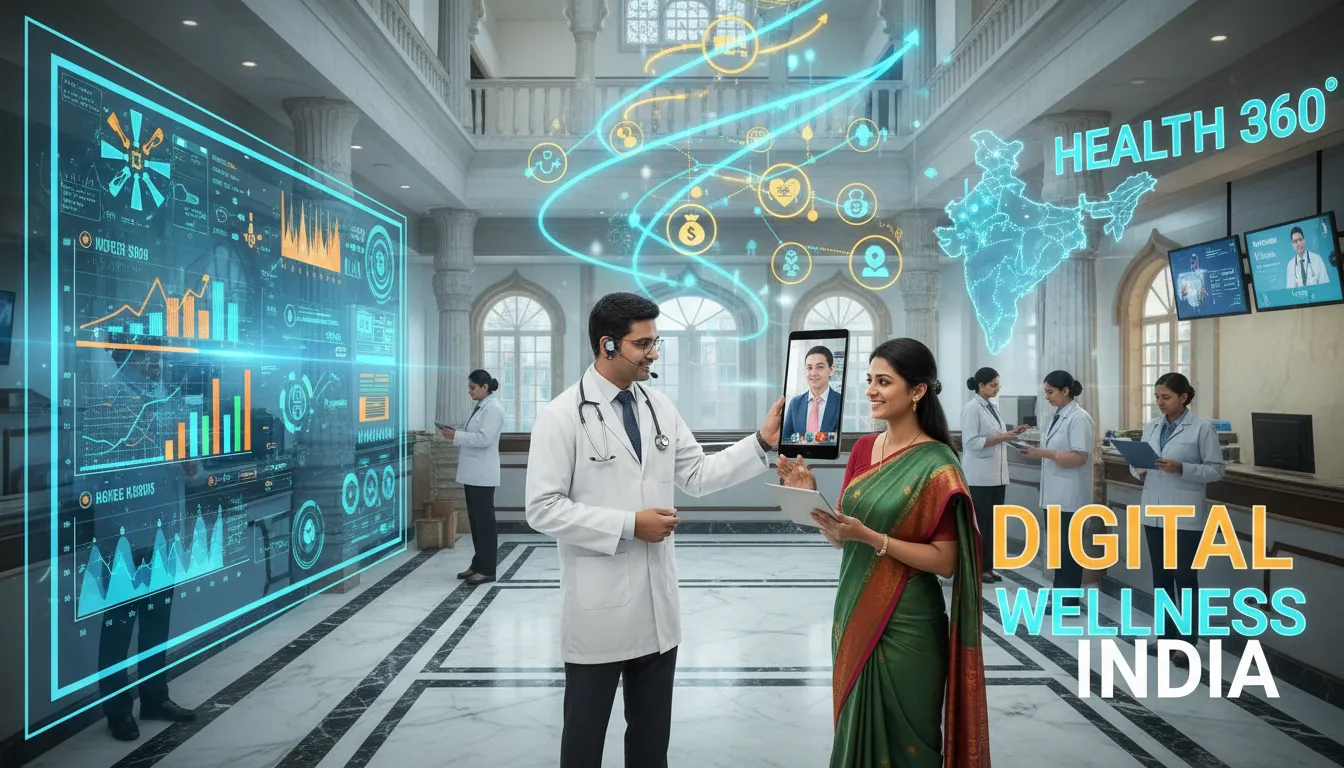
Simultaneously, the industry is witnessing a massive pivot toward digital and remote care models, fundamentally altering how healthcare is delivered. The Indian telemedicine market is expected to reach US$ 5.4 billion by 2025, heavily supported by the demand for remote healthcare, rapid advances in mobile technology, and the normalization of virtual consultations post-pandemic. Medical tourism is another critical growth engine, valued at US$ 7.69 billion in 2024 and expected to reach US$ 14.31 billion by 2029. This sector attracts over 500,000 international patients annually, cementing India’s position as a leading global destination for advanced, cost-effective medical treatments. For hospitals and healthcare businesses, these macro-environmental factors dictate a clear mandate: to survive, scale, and capture market share, providers must transcend traditional, localized operational models and aggressively adopt sophisticated digital patient acquisition and retention frameworks.
- Overall Hospital Market: Current US$ 98.98 Billion, Projected US$ 193.59 Billion (2024–2032, 8.0% CAGR)
- Telemedicine Market: Current N/A, Projected US$ 5.4 Billion (By 2025, 31.0% CAGR)
- Medical Tourism: Current US$ 7.69 Billion, Projected US$ 14.31 Billion (2024–2029)
- Digital Health Market: Current US$ 14.50 Billion, Projected US$ 106.97 Billion (2025–2033, 25.12% CAGR)
- Hospital Bed Density: Current 13 beds per 10,000 people, Projected 30 beds per 10,000 people (Target by 2025)
Digital Landscape in India (Contextual to the Industry)
The digital transformation of the Indian consumer base has fundamentally altered how healthcare is sought, evaluated, and consumed across the subcontinent. As of early 2024, India boasted 751.5 million internet users, representing an internet penetration rate of 52.4%, alongside 1.12 billion cellular mobile connections, which equates to 78.0% of the total population. Social media penetration sits at approximately 462 million active users, capturing nearly 32.2% of the populace, with platforms like Facebook, Instagram, and YouTube maintaining a dominant and persuasive reach across demographic segments. This expansive digital footprint forms the absolute foundation upon which modern healthcare marketing architectures must be built, shifting the paradigm from traditional word-of-mouth referrals to algorithmic discovery.
Consumer behavior in the healthcare sector has shifted definitively from passive reception to active, digital-first investigation. Clinical studies and marketing data indicate that approximately 77% of patients turn to search engines to research symptoms, conditions, and providers before ever scheduling an appointment or stepping foot inside a clinic. This digital health-seeking behavior is no longer restricted to affluent metropolitan areas. Search data from 2024 reveals a remarkable 112% surge in online search activity from Tier-2 cities compared to Tier-1 cities, indicating a massive expansion of digital health literacy and a demand for medical services in semi-urban and rural populations. Healthcare searches overall experienced a 24% year-over-year growth, with specific, highly stigmatized niches like mental health professionals seeing a staggering 41% surge in query volume nationwide. Consumers are increasingly taking ownership of their health outcomes, shifting from reactive illness management to proactive, preventive care. Furthermore, 64% of Indian consumers cite detailed product and service information, transparency, and clinical credibility as critical factors in their health-related purchasing decisions, demanding that healthcare providers supply comprehensive data online.
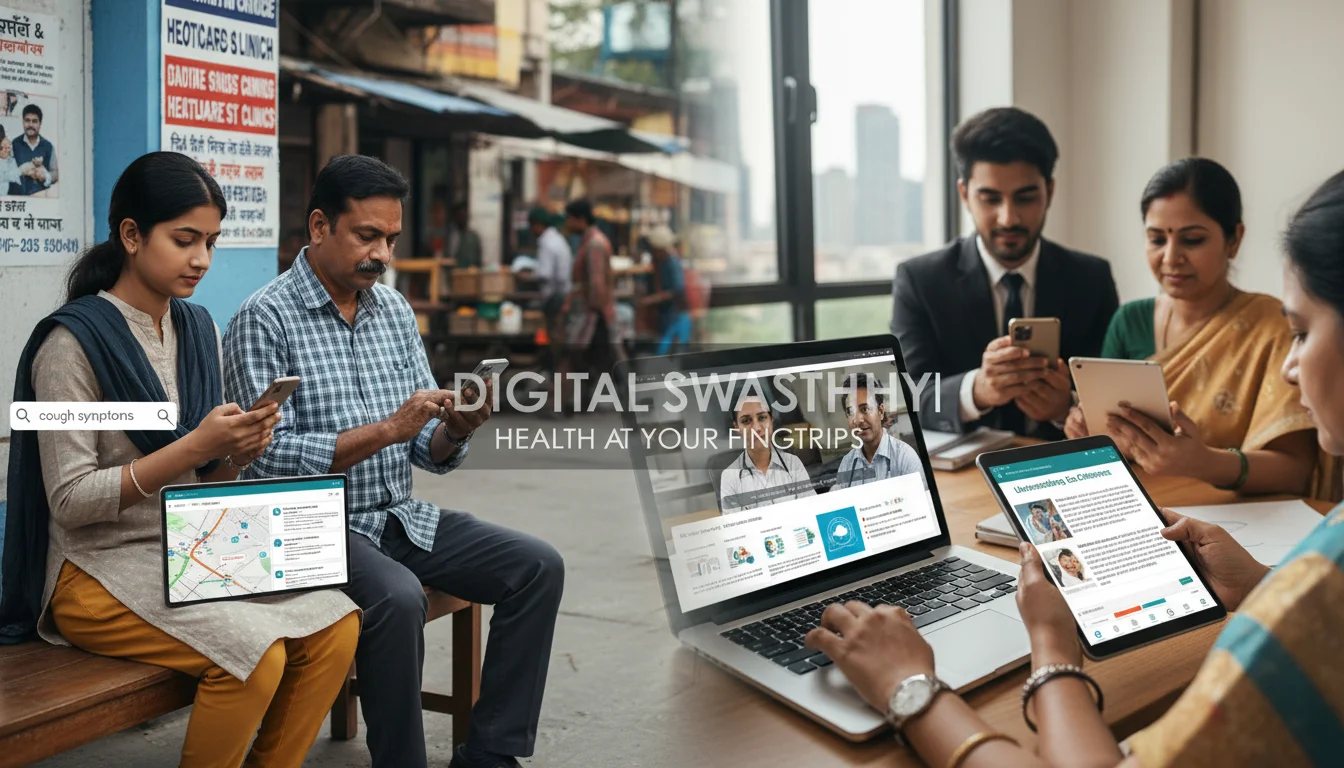
The platforms facilitating this digital health ecosystem are highly diverse, constantly evolving, and deeply integrated into the daily lives of the Indian consumer. While traditional search engines remain the primary discovery tool for new symptoms or specialists, localized communication tools have become integral to the patient retention experience. WhatsApp, for instance, has emerged as the undisputed cornerstone of healthcare communication in India. With unparalleled daily active usage, platforms integrating WhatsApp for appointment scheduling, digital prescription delivery, and post-operative follow-up reminders report significantly higher patient retention rates and vastly improved clinical compliance. The preference for WhatsApp lies in its ubiquity and low barrier to entry, bypassing the friction of requiring patients to download standalone hospital applications.
Simultaneously, dedicated telemedicine and healthcare aggregator platforms such as Practo, Tata 1mg, Apollo 24/7, and Mfine dominate the patient-provider interaction space, offering seamless interfaces for teleconsultations, pharmacy delivery, and home diagnostic bookings. The government-backed eSanjeevani platform alone crossed a staggering 140 million consultations in 2024, proving that digital medical consultation is now a permanent pillar of Indian healthcare infrastructure. Social media platforms serve a different but equally vital purpose in the patient journey. Instagram and YouTube are primarily utilized for health education, community building, and brand humanization, where short-form video content allows medical professionals to dispel myths and explain complex procedures in an accessible format.
This entire landscape is heavily supported and accelerated by the government’s Ayushman Bharat Digital Mission (ABDM), which aims to digitize the entire healthcare ecosystem and create a unified national digital health infrastructure.
By late 2024, the initiative had successfully created over 670 million Ayushman Bharat Health Account (ABHA) IDs and linked 420 million health records, fundamentally altering the interoperability of patient data and forcing private providers to upgrade their technological capabilities. For digital marketers and hospital administrators, this landscape presents a highly engaged, mobile-first audience that demands instant access to credible medical information, seamless digital booking experiences, and highly personalized post-care communication.
| Digital Platform / Channel | Primary Healthcare Use Case | Audience Behavior & Metric |
|---|---|---|
| Google Search / Maps | Initial discovery, symptom checking, local provider finding | 77% of patients search before booking; 112% growth in Tier-2 queries. |
| WhatsApp (Business API) | Appointment booking, prescription delivery, automated reminders | High retention, preferred over standalone hospital apps for daily communication. |
| Practo, Apollo 24/7, 1mg | Teleconsultation, pharmacy delivery, diagnostic booking | High transactional intent; eSanjeevani reached 140M+ consultations. |
| Instagram & YouTube | Patient education, doctor-influencer branding, myth-busting | Preference for short-form video (Reels/Shorts) detailing surgical recovery and wellness. |
| B2B networking, medical tourism promotion, corporate tie-ups | Utilized for establishing institutional authority and recruiting top-tier medical talent. |
Digital Marketing Opportunities
In an industry characterized by intense competition, high capital expenditure, and an acute crisis of consumer trust, digital marketing offers healthcare providers the precise tools required to solve key operational challenges. The primary obstacle for many Indian hospitals is bridging the “confidence gap”—the hesitation patients feel regarding the quality, cost, and reliability of medical care, particularly when they are required to travel from non-metro regions to urban centers for complex treatments. Digital marketing mitigates this systemic friction by establishing institutional authority, demonstrating clinical excellence, and offering transparent communication long before the patient crosses the hospital threshold.
One of the most potent and immediate strategies available to Indian healthcare providers is the implementation of hyper-local Search Engine Optimization (SEO). Because medical emergencies, routine diagnostics, and chronic care consultations are inherently geographical and time-sensitive, optimizing digital assets for local search intent is paramount. By meticulously optimizing Google Business Profiles (GBP) and targeting localized keywords within a specific geographic radius (e.g., a 5-10 kilometer catchment area), hospitals can dominate the “near me” search queries that drive immediate, high-intent foot traffic. A compelling demonstration of this strategy is observed in a case study involving a pain management clinic managed by Dotline Web. The clinic scaled its monthly patient inquiries from a mere 120 to over 1,800 solely by restructuring its hyper-local search funnels, optimizing for conversion-ready patients within a 3-7 mile radius, and refining intent-driven messaging, all without any increase in their overarching advertising budget.
Content marketing heavily anchored in the principles of E-E-A-T (Experience, Expertise, Authoritativeness, and Trustworthiness) represents another critical opportunity. Google’s search algorithms apply stringent “Your Money or Your Life” (YMYL) standards to medical content, actively penalizing websites that disseminate unverified or medically inaccurate information. Hospitals that produce medically reviewed, highly accurate, and patient-centric content—such as detailed guides on surgical recovery timelines, digital symptom checkers, and transparent treatment cost breakdowns—signal immense authority to both search engines and prospective patients. Expanding thin, generic service pages into comprehensive medical resource clusters transforms a hospital’s website from a mere digital brochure into an authoritative medical directory, effectively capturing organic traffic that would otherwise default to aggregator sites.
Social media marketing and the strategic deployment of video content present avenues for profound patient engagement and brand humanization. Complex medical procedures, daunting prognoses, and clinical conditions can be demystified through short-form video content, such as Instagram Reels or YouTube Shorts. Featuring actual hospital physicians explaining treatments, providing seasonal health advice, or dispelling common medical myths bridges the emotional distance between the institution and the patient. A remarkable case study is Sancheti Hospital in Pune, an orthopedic center that felt lost in the digital noise. By partnering with a digital agency to launch an educational content series called “Joint Ventures” featuring real patient recovery stories, and initiating “Ask Dr. Sancheti” live sessions, the hospital redefined its digital presence, moving away from sterile medical jargon to accessible, community-driven healthcare communication.
Influencer marketing within the healthcare space has also surged, fundamentally differing from lifestyle or fashion influencer dynamics. In healthcare, this translates to the rise of “Doctor-Influencers”—credentialed medical professionals who build personal brands on platforms like LinkedIn and YouTube by disseminating verified medical knowledge. Hospitals that collaborate with or support their in-house specialists to build these digital profiles drive patient acquisition through established authority and trust rather than traditional, easily ignored display advertising.
Finally, the integration of automated omnichannel communication, particularly through WhatsApp Business APIs, solves the pervasive challenge of patient retention and administrative bottlenecking. By automating appointment reminders, post-discharge care instructions, diagnostic report delivery, and feedback collection, hospitals drastically reduce no-show rates and enhance the overall patient experience. When patients receive timely, personalized, and secure communication on a platform they utilize daily, institutional loyalty solidifies, transforming single-visit transactions into lifelong healthcare partnerships.
Competitive Analysis
The Indian private healthcare sector is highly fragmented but predominantly led by a few massive corporate chains that have aggressively scaled both their physical infrastructure and their digital ecosystems. Analyzing the digital posture of market leaders such as Apollo Hospitals, Max Healthcare, Fortis Healthcare, Narayana Health, and Manipal Hospitals reveals critical insights into the competitive standards required for digital dominance, as well as the systemic gaps that agile regional players can exploit.
Apollo Hospitals stands as the undisputed market leader and the largest private hospital network in India, operating over 70 hospitals and maintaining an operational bed capacity exceeding 10,000. Apollo’s digital strategy is arguably the most sophisticated and well-funded in the country, centered entirely around its proprietary, fully integrated omnichannel platform, Apollo 24/7. This application seamlessly converges teleconsultations, pharmacy delivery, diagnostic bookings, and electronic health records, effectively serving as a digital front door to their massive physical infrastructure. Furthermore, Apollo invests heavily in Artificial Intelligence for clinical decision support and predictive analytics, utilizing these technological advancements as a powerful public relations and content marketing pillar to project unquestionable clinical superiority. Their robust financial performance, characterized by high revenue and strong EBITDA margins, is directly correlated with their ability to capture patients digitally and retain them within their closed, proprietary ecosystem.
Max Healthcare competes fiercely in the premium urban segment, particularly dominating the lucrative Delhi-NCR region. Max’s competitive advantage lies in its intense focus on high-end quaternary care, specifically in oncology, cardiology, and neurosciences, which yields an industry-leading Average Revenue Per Occupied Bed (ARPOB) approaching INR 77,000 to INR 80,000. From a digital marketing perspective, Max excels at promoting its specialized Centers of Excellence. Their content strategy is highly targeted toward affluent demographics and international medical tourists, heavily featuring advanced treatment information, robotic surgery capabilities, and superior clinical outcomes. They effectively utilize digital channels to defend their premium pricing model by showcasing unparalleled medical expertise and luxury patient experiences.
Fortis Healthcare, backed by IHH Healthcare, similarly focuses on clinical excellence and premium urban patients but has faced historical challenges requiring robust digital reputation management to rebuild brand legacy. Conversely, Narayana Health presents a contrasting but highly successful operational model focused on cost-effective, high-volume care, particularly excelling in cardiac sciences and pediatric care. Their digital presence is optimized for accessibility, affordability messaging, and broad demographic reach.
By targeting mass-market segments and emphasizing value-based care, Narayana maintains high occupancy rates and swift patient throughput, though their digital aesthetics often lack the premium gloss of Max or Apollo. Manipal Hospitals has leveraged aggressive acquisitions (such as the AMRI acquisition in Eastern India) and asset-light expansions to rapidly grow its footprint. Manipal’s digital strategy is characterized by strong diagnostic integration and patient-centric service models, utilizing regional marketing to dominate specific geographic corridors.
Despite the financial and technological sophistication of these top-tier corporate chains, substantial digital gaps remain across the broader industry, presenting lucrative opportunities for emerging hospitals and regional players to outperform them. Many large healthcare providers suffer from generic, corporate messaging that feels sterile and fails to connect emotionally with local patient anxieties. A widespread systemic failure exists in adequately managing online reputation at the hyper-local level; specifically, the delayed, automated, or defensive handling of negative Google reviews on individual clinic pages severely damages patient trust. Furthermore, a significant portion of hospital websites, even among large chains, suffer from poor technical SEO, slow mobile loading speeds, and a lack of intuitive user interfaces, leading to high bounce rates and lost conversions.
Perhaps the most glaring deficiency is the lack of localized, vernacular content. As internet adoption explodes in Tier-2 and Tier-3 cities, millions of new digital patients are searching for complex medical information in regional languages (Hindi, Tamil, Marathi, etc.). Corporate chains often rely strictly on English-language, metro-centric marketing frameworks. Hospitals that invest deeply in multilingual SEO, culturally nuanced content strategies, and hyper-local community engagement possess a distinct, highly profitable opportunity to outmaneuver legacy giants in the fastest-growing geographical segments of the Indian healthcare market.
| Hospital Chain | Key Digital Strength & Focus | Primary Target Demographic | Identifiable Digital Gap / Strategic Opportunity |
|---|---|---|---|
| Apollo Hospitals | Integrated omnichannel app (Apollo 24/7), AI integration | Pan-India, Urban & Semi-urban | High competition in generic keywords; potential for hyper-local digital fatigue. |
| Max Healthcare | Premium specialty content (Oncology/Robotics), high ARPOB | Urban Affluent, Delhi-NCR, Medical Tourists | Limited vernacular outreach; heavily concentrated geographical reliance. |
| Narayana Health | Value-based, high-volume accessibility messaging | Middle-income, Pan-India | Content often lacks the personalized, premium digital feel desired by affluent demographics. |
| Fortis Healthcare | Clinical excellence branding, strong B2B networking | Urban premium patients | Reputation management inconsistencies at the individual facility level. |
| Manipal Hospitals | Diagnostic integration and regional acquisition dominance | South and Eastern India | Requires deeper digital personalization and automated patient retention workflows. |
Recommended Strategy for Healthcare Providers in India
To successfully navigate the complexities of the Indian healthcare market and achieve sustainable patient acquisition, providers must adopt a multifaceted, patient-centric digital marketing strategy. This strategy must transcend generic medical advertising and align precisely with the behavioral nuances, technological preferences, and psychological anxieties of distinct patient personas.
The primary target audience within the Indian healthcare ecosystem can be broadly segmented into two distinct personas, each requiring a tailored digital approach. The first persona is the “Urban Affluent Health Seeker.” Typically aged 30 to 55 and residing in Tier-1 metropolitan areas, this demographic prioritizes extreme convenience, premium hospital infrastructure, and rapid access to renowned specialists. They are highly digitally literate, heavily influenced by online reviews and institutional reputation, and actively seek out preventative care, wellness tracking, and elective procedures. The second persona is the “Emerging Tier-2 Value Patient.” Ranging in age from 25 to 60 and residing in semi-urban or Tier-2/3 cities, this group represents the fastest-growing digital demographic in the country. They rely heavily on institutional trust, word-of-mouth (often validated via digital platforms), and transparent cost structures. They are almost exclusively active on mobile devices, vastly prefer consuming medical content in vernacular languages, and utilize WhatsApp as their primary, trusted digital communication tool for interacting with businesses.
To effectively capture and convert these personas, hospitals must deploy a balanced, omnichannel mix of communication channels and campaign types. For the Urban Affluent demographic, robust Search Engine Marketing (SEM) targeting high-intent specialty keywords is essential. Pay-Per-Click (PPC) campaigns on Google Ads should direct these users to highly optimized, mobile-responsive landing pages designed for immediate appointment booking, featuring minimal friction and clear digital scheduling. Retargeting campaigns across Facebook and Instagram should be utilized for elective procedures (e.g., bariatric surgery, cosmetic dentistry, advanced fertility treatments) to maintain top-of-mind awareness during longer consideration cycles. For the Emerging Tier-2 demographic, the strategy must pivot sharply toward aggressive Local SEO and localized content marketing. Ensuring that the hospital appears in the Google Local Pack for symptom searches in regional languages is critical for driving footfall. Furthermore, establishing a sophisticated WhatsApp Business API infrastructure is absolutely non-negotiable for this segment. WhatsApp must be utilized not merely as a broadcasting tool, but as a comprehensive platform for facilitating end-to-end patient journeys—from initial symptom inquiries and appointment scheduling to post-consultation follow-ups and the secure delivery of diagnostic reports.
Content creation must evolve beyond generic health tips and focus on deep, authoritative medical education that builds absolute trust and satisfies Google’s E-E-A-T criteria. Hospitals should act as media publishers within their specific medical niches. Content pillars should include detailed procedure walkthroughs, transparent discussions on treatment costs and insurance empanelment, and comprehensive FAQs addressing post-operative care and rehabilitation expectations. Video marketing should be a primary focus; producing high-quality, short-form videos featuring hospital specialists discussing specific ailments humanizes the brand and establishes the physicians as approachable experts rather than distant clinical figures. Patient testimonial videos, filmed with high production value, strict adherence to patient privacy, and high emotional resonance, serve as powerful social proof that heavily influences the decision-making process of prospective patients.
For mid-sized hospitals or regional healthcare providers operating under stringent financial constraints, budget-friendly digital marketing approaches can yield massive returns if executed with precision and consistency. The single most cost-effective strategy is the relentless optimization and management of the Google Business Profile (GBP). Ensuring 100% profile completeness, meticulously updating Name, Address, and Phone (NAP) consistency across all local directories, uploading high-resolution imagery of the facilities, and maintaining a proactive review management system requires minimal financial investment but heavily influences local search algorithms. Implementing a systematic, automated approach to review generation—where patients are seamlessly prompted via SMS or WhatsApp to leave a review 48 hours post-discharge—can dramatically elevate a hospital’s local authority, allowing them to outrank larger corporate competitors without the need for exorbitant paid advertising budgets.
| Medical Specialty | Recommended Content Pillar / Topic Idea | Primary Format | Persona Focus |
|---|---|---|---|
| Cardiology | “Warning Signs of a Heart Attack vs. Acid Reflux” | Short-form Video (Reels), Vernacular Blog | Tier-2 Value Patient (Preventative) |
| Oncology | “Navigating Chemotherapy: Costs, Insurance, and Care” | Comprehensive Guide, PDF Download | Urban Affluent (Research heavy) |
| Orthopedics | “Recovery Timeline for Robotic Knee Replacement” | Video Interview with Surgeon, Infographic | Older Demographics / Caregivers |
| IVF / Fertility | “Understanding IVF Success Rates in India” | Anonymous Q&A Webinar, Long-form Blog | Urban Affluent (High discretion) |
| Dental / Aesthetics | “Invisalign vs. Traditional Braces: A Cost Analysis” | Before/After Image Carousels, Interactive Quiz | Younger Demographics (Elective) |
Keywords & SEO Opportunities
The foundation of any successful healthcare digital marketing campaign in India is a meticulously researched, technically sound, and intent-driven SEO architecture. Because medical queries directly impact human health and safety, they fall under Google’s strict “Your Money or Your Life” (YMYL) guidelines.
Consequently, the search engine prioritizes content that demonstrates indisputable medical accuracy, clinical authority, and institutional trustworthiness. A healthcare provider’s keyword strategy must therefore be deeply segmented into high-intent transactional queries and long-tail informational queries, tailored specifically to the Indian linguistic, geographical, and socioeconomic context.
High-intent keywords are utilized by patients at the very bottom of the conversion funnel—individuals who have already identified their medical issue, understand the required intervention, and are actively seeking a provider to facilitate treatment. These keywords are highly competitive, possess high Cost-Per-Click (CPC) rates in paid campaigns, and require pristine on-page SEO and formidable local authority to rank organically. Examples include localized specialty searches such as “best cardiologist in Hyderabad,” “24 hour emergency pediatric hospital near me,” “root canal treatment cost in Mumbai,” or “book appointment for MRI scan Delhi”. Optimizing for these high-value terms involves creating dedicated, hyper-localized landing pages that prominently feature the specific services offered at that exact geographic location. These pages must seamlessly integrate doctor credentials, accepted insurance panels, operational hours, and frictionless calls-to-action (CTAs) for immediate appointment scheduling.
Conversely, long-tail keyword opportunities offer a highly lucrative, budget-friendly avenue for capturing targeted patient traffic with significantly lower competition. These phrases are longer (typically four to six words), reflect specific and nuanced patient anxieties, and represent an audience seeking in-depth medical education during the consideration phase. In the Indian context, long-tail SEO must account for regional health concerns, specific treatment modalities, and the integration of traditional and modern medical inquiries. Opportunities in specialized fields include detailed queries like “minimally invasive spine surgery recovery time for elderly,” “best IVF center with high success rate in Chennai,” “diet chart for gestational diabetes in Hindi,” or “robotic prostate cancer surgery benefits vs traditional”. By developing comprehensive, medically reviewed blog posts and dedicated resource centers targeting these long-tail phrases, hospitals can capture organic traffic early in the patient’s research phase. Providing accurate answers to these complex questions establishes profound brand trust, ensuring that when the patient is finally ready to book a consultation, they choose the institution that educated them.
Furthermore, capturing voice search queries and vernacular search patterns is an emerging, critical necessity for capturing the massive influx of new internet users in India. As digital adoption deepens in non-metro regions, users increasingly rely on voice assistants (Google Assistant, Alexa) to ask conversational medical questions. Optimizing content for natural language queries (e.g., “where is the nearest heart specialist who speaks Tamil” or “what should I do if my child has a high fever at night”) and integrating regional language keywords into the metadata and content structure will secure prime visibility among a rapidly growing, vastly underserved patient demographic.
| Keyword Intent Category | Example Queries (India-Specific) | Search Volume/Competition | Strategic Implementation |
|---|---|---|---|
| High-Intent Transactional | “best oncologist in Delhi NCR”, “emergency hospital open now near me” | High Volume / High Competition | Localized Landing Pages, Google Ads (PPC), Google Business Profile |
| Procedure & Cost (Consideration) | “cost of IVF treatment in Bangalore”, “affordable knee replacement packages” | Medium Volume / Medium Competition | Service Pages with transparent pricing, insurance details, and EMI options |
| Long-Tail Informational | “recovery time for laparoscopic gallbladder surgery”, “early symptoms of pediatric asthma” | Low Volume / Low Competition | Comprehensive Medical Blogs, Doctor Q&A Videos, Downloadable Guides |
| Vernacular / Conversational Voice | “sugar control diet chart in Hindi”, “nearest heart specialist (voice search)” | High Growth / Low Competition | Multilingual deep-dive articles, Voice-optimized FAQ schema markup |
Implementation Roadmap
To transition from high-level digital strategy to tangible clinical revenue, healthcare providers must adopt a phased implementation roadmap. This structured approach prioritizes immediate, low-cost, revenue-generating activities in the short term, while simultaneously building the complex technical and content infrastructure required for unassailable organic dominance in the long term.
The short-term phase
The short-term phase, spanning the first one to three months, must focus exclusively on securing quick wins, capturing existing local demand, and plugging critical digital leaks in the patient acquisition funnel. The absolute first priority is the comprehensive audit, claiming, and rigorous optimization of all Google Business Profiles (GBP) for every hospital branch, diagnostic center, and affiliated clinic. This involves correcting Name, Address, and Phone (NAP) inconsistencies across the web, expanding service categories to capture niche local searches, and implementing a rigorous, automated patient review generation system that prompts satisfied patients for feedback within 48 hours of discharge. Concurrently, the hospital must address critical technical SEO issues on its primary website, ensuring mobile responsiveness, rapid page load speeds, and the implementation of medical schema markup to help search engines accurately parse physician credentials, operational hours, and facility services. Within this initial timeframe, the deployment of targeted Pay-Per-Click (PPC) campaigns focused strictly on high-margin, high-intent specialties—such as orthopedics, oncology, or advanced fertility treatments—will drive immediate patient acquisition and provide vital data on local search query performance. Finally, integrating a WhatsApp Business API to automate appointment confirmations, reduce no-shows, and handle basic patient inquiries will yield immediate improvements in operational efficiency and patient satisfaction.
The long-term strategy
The long-term strategy, encompassing months six through twelve and beyond, shifts focus toward establishing impregnable organic authority, lowering the overall Cost Per Acquisition (CPA), and driving deep community engagement. This phase involves the systematic rollout of an E-E-A-T compliant content architecture. The hospital should produce a steady, scheduled stream of high-quality, medically reviewed articles, whitepapers, and video content targeting the meticulously researched long-tail and vernacular keywords. As this proprietary content library matures, organic search traffic will exponentially increase, allowing the hospital to gradually reduce its reliance on expensive paid advertising budgets. Furthermore, this period should see the formal launch of “Doctor-Influencer” campaigns, where key hospital specialists are positioned as industry thought leaders across LinkedIn, YouTube, and specialized medical forums through consistent, high-value medical commentary. Finally, the hospital must invest in advanced data analytics and Customer Relationship Management (CRM) integrations. By tracking the entire digital patient journey—from the initial Google symptom search, through the website interaction, to the post-operative WhatsApp follow-up—healthcare administrators can calculate precise acquisition costs, measure the lifetime value of patients across different clinical specialties, and continuously refine their marketing investments based on empirical, data-driven insights rather than marketing guesswork.
Conclusion
The digitization of the Indian healthcare sector is no longer an impending trend to be monitored; it is the absolute current operational reality. With the overarching market projected to approach US$ 200 billion in the coming decade, driven by an increasingly affluent, insured, and health-conscious population, the battle for patient acquisition, trust, and retention has decidedly moved online. Patients are overwhelmingly turning to search engines, social media platforms, and digital aggregators to make critical, life-altering health decisions. Healthcare providers that fail to establish a commanding, authoritative, and deeply empathetic digital presence risk rapid obsolescence, surrendering their market share to more agile competitors who understand how to expertly navigate the intersection of clinical excellence and digital visibility.
To thrive in this highly regulated and fiercely competitive landscape, hospitals must entirely transcend generic, billboard-style advertising. Sustainable success requires the meticulous execution of hyper-local SEO to capture immediate geographical demand, the creation of medically rigorous and transparent content to establish unassailable E-E-A-T authority, and the deployment of sophisticated omnichannel communication frameworks—particularly leveraging platforms like WhatsApp—to guarantee seamless patient retention. The digital infrastructure must act not merely as a marketing channel, but as a seamless extension of the physical hospital, guiding the patient with care and clarity from their initial digital inquiry through to successful clinical outcomes.
Executing a digital strategy of this magnitude and complexity requires specialized expertise that deeply understands both the technical intricacies of digital marketing algorithms and the stringent ethical and regulatory boundaries of medical promotion in India. Generic marketing approaches invariably fail in the high-stakes healthcare environment. To operationalize these intricate digital architectures, healthcare providers require partnerships with specialized technology and marketing firms.
Gurkha Technology, a premier digital marketing and technology agency based in Nepal, possesses the deep technical acumen, creative capabilities, and strategic foresight required to architect and manage these complex healthcare campaigns. With proven, award-winning capabilities in advanced technical SEO, robust custom web development, and data-driven performance marketing, Gurkha Technology stands ready to partner with ambitious Indian healthcare providers. By leveraging their specialized expertise, hospitals can seamlessly bridge the gap between their clinical superiority and their digital discoverability, ensuring sustainable revenue growth and unparalleled patient engagement in the modern digital age.
Related reading
- Explore all blog articles
- Digital Marketing Services in Nepal
- Complete Guide to Digital Marketing for Healthcare Providers in Nepal
- Case Study: Local SEO for a Kathmandu Healthcare Clinic (+340% Map Views)
Nepal parallel: hospitals, clinics, and diagnostics
Nepal healthcare marketing must balance patient acquisition with ethical constraints (no guaranteed outcomes, clear specialist credentials). Priorities:
- Department landing pages — Cardiology, ortho, and maternity pages with doctor schema outperform generic hospital homepages.
- Appointment CTAs — Phone and Viber/WhatsApp beat long forms on mobile.
- Review governance — Systematic post-visit review requests for GBP; respond in Nepali and English.
Agencies should read our healthcare-adjacent SEO for Nepal guide for technical baselines.