Calgary Emergency Furnace Repair & Winter Heating Guide
Winter Heating Failures and Emergency Furnace Repair in Calgary: A Comprehensive Industry Analysis
Introduction to the Climatological Imperative
The meteorological environment of Calgary, Alberta, presents a unique and severe challenge to residential and commercial building infrastructure. Situated at the confluence of the Canadian Prairies and the foothills of the Rocky Mountains, the region’s climate is characterized by extreme volatility. It is uniquely marked by sudden, dramatic temperature fluctuations driven by regional Chinook winds—which can rapidly elevate ambient temperatures by up to 20°C within hours—interspersed with prolonged periods of severe Arctic cold fronts. During the peak winter months, ambient baseline temperatures frequently plummet below -30°C, with severe wind chill factors effectively reducing external temperatures to -40°C or colder.
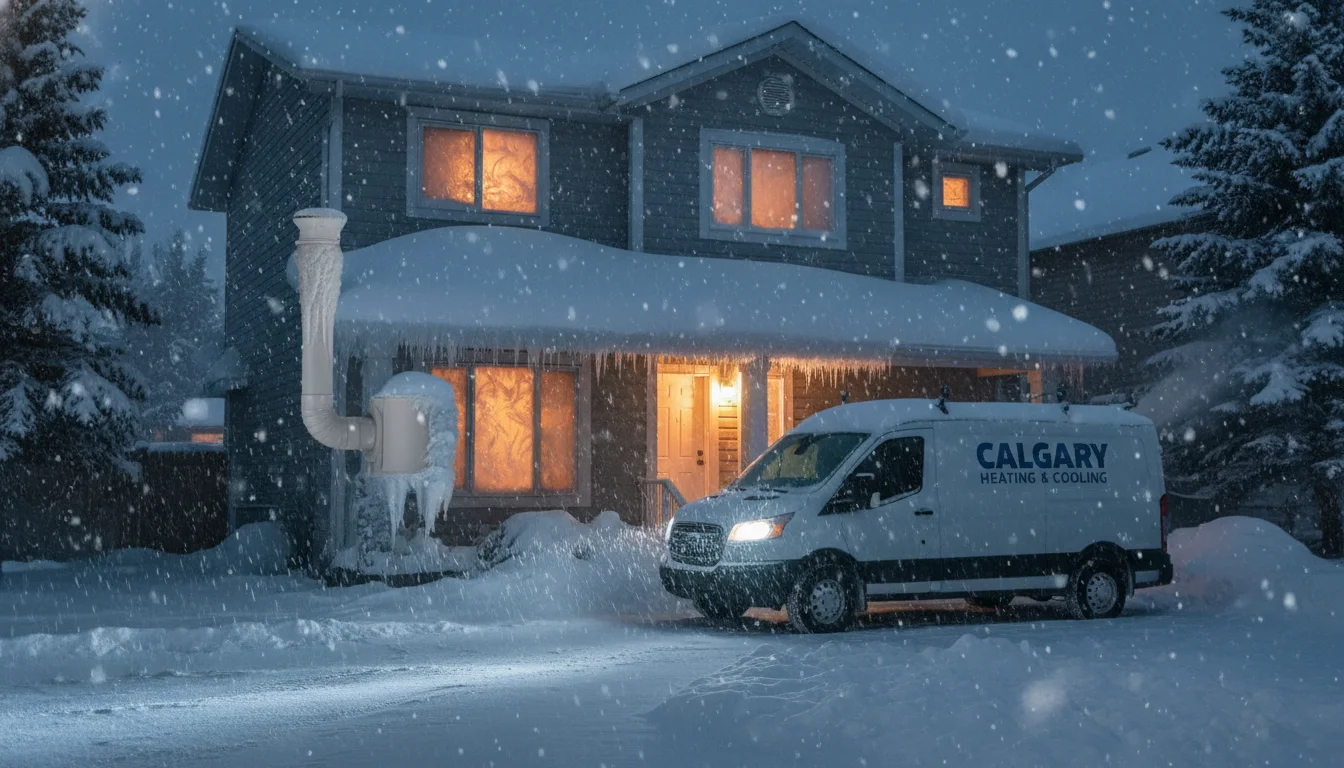
In this harsh climatological context, residential and commercial heating systems transcend the status of mere comfort appliances; they operate as critical life-safety infrastructure. A complete cessation of heating capabilities during a deep freeze poses immediate physiological risks to building occupants. Furthermore, the catastrophic failure of a primary heating source introduces the severe financial risk of frozen and ruptured internal plumbing networks, which can result in tens of thousands of dollars in secondary water damage. Consequently, the operational reliability of forced-air gas furnaces, hydronic boilers, and heat pumps, coupled with the rapid deployment capabilities of local Heating, Ventilation, and Air Conditioning (HVAC) technicians, form a crucial matrix of municipal resilience.
This exhaustive report provides a deep analytical evaluation of the emergency furnace repair sector in Calgary as of the 2025-2026 winter season. By examining the environmental and mechanical etiology of heating failures, the microeconomics of emergency dispatch protocols, the consumer psychology navigating predatory market dynamics, the competitive landscape of local HVAC service providers, and the regulatory frameworks governing contractor safety, this analysis delivers comprehensive, actionable intelligence for property owners, facility managers, and industry stakeholders operating within this high-stakes market.
The Pathophysiology of Winter Heating System Failures
To fully understand the dynamics of the emergency HVAC repair market in Calgary, it is necessary to diagnose the root causes of systemic heating failures. Furnace breakdowns in this region are rarely spontaneous events; rather, they represent the culmination of environmental stressors compounding underlying mechanical vulnerabilities. During extreme cold snaps, heating systems operate continuously at maximum capacity, stripping away operational redundancies and exposing latent defects. The analysis of failure modes reveals a combination of thermodynamic, aerodynamic, and electronic catalysts.
The Paradox of High-Efficiency Condensate Freezing
One of the most prevalent, geometrically specific, and paradoxical causes of furnace failure in northern Alberta involves the venting infrastructure of modern, high-efficiency condensing furnaces. Unlike older standard-efficiency models (typically operating at 80% Annual Fuel Utilization Efficiency, or AFUE) that vent high-temperature exhaust vertically through an atmospheric chimney, high-efficiency systems (95% to 98% AFUE) extract a maximum amount of sensible and latent heat from the combustion process. To capture this latent heat, the furnace utilizes a secondary heat exchanger to condense the water vapor created during the combustion of natural gas. The resulting exhaust is remarkably cool but heavily saturated with moisture, allowing it to be vented horizontally through polyvinyl chloride (PVC) piping directly out the side of the residential structure.
When this warm, highly humid exhaust interfaces with -40°C ambient air at the exterior vent termination, a rapid phase change occurs. The moisture condenses and instantly freezes, initiating a progressive accumulation of rime ice around the vent opening. If this ice builds up sufficiently, it drastically restricts or entirely occludes the exhaust airflow. Modern furnace control boards are equipped with sensitive pneumatic pressure switches designed to detect this precise loss of draft. To prevent the potentially lethal backdrafting of carbon monoxide gas into the living space, the control board will immediately terminate the ignition sequence, resulting in a sudden and complete loss of heat.
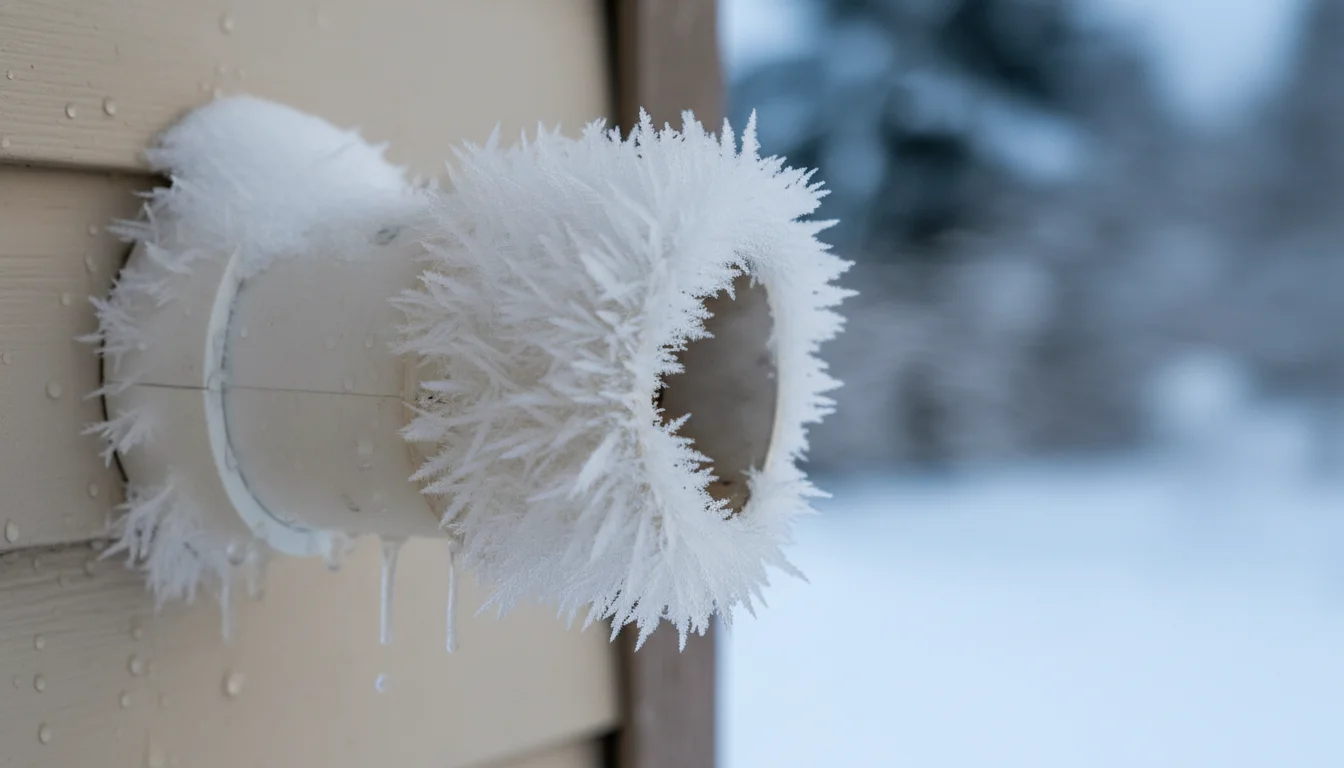
This thermodynamic vulnerability is further exacerbated by architectural design flaws prevalent in certain newer residential developments. Detailed analyses of recent construction trends reveal specific instances where developers and builders have positioned the fresh air intake pipe in excessively close proximity to the exhaust vent. Under specific wind conditions or thermal inversions, the intake aspirates the steam-laden exhaust, accelerating internal ice formation within the intake pipe itself. In instances involving prominent builders such as Trico Homes, structural complaints regarding this exact phenomenon have been controversially dismissed by developers as a non-defect, with the onus placed entirely on the homeowner to manually climb ladders and chip away the accumulated ice at -20°C as part of routine “winter maintenance”.
Aerodynamic Restriction and Thermal Overload
Beyond external venting complications, internal airflow restrictions represent the primary catalyst for mechanical failure. Calgary experiences uniquely dry and dusty winters, accelerating the particulate loading of furnace air filters. The application of highly restrictive, high-MERV (Minimum Efficiency Reporting Value) filters without proper ductwork modification further exacerbates this issue. When a filter becomes heavily occluded, the Total External Static Pressure (TESP) within the return air ductwork spikes exponentially, forcing the internal blower motor to draw excessive electrical amperage in a futile attempt to maintain the volumetric airflow required for heat transfer.
This aerodynamic restriction precipitates a secondary, far more dangerous failure cascade: thermal overload. Without a sufficient volume of ambient air passing over the primary and secondary heat exchangers to absorb the intense combustion heat, the internal ambient temperature of the furnace cabinet rapidly exceeds safe operating parameters. High-limit temperature safety sensors will register this thermal anomaly and repeatedly shut down the burner assembly to prevent a structural compromise. Over time, this constant short-cycling degrades the solid-state ignition control modules, places severe microfarad strain on the blower motor run capacitor, and ultimately leads to microscopic hairline fractures in the heat exchanger itself. A compromised heat exchanger is a fatal mechanical flaw that demands the immediate legal condemnation and replacement of the equipment due to the severe risk of carbon monoxide poisoning.
Electronic Degradation and Combustive Anomalies
The age of the system dictates the specific nature of its combustive failures. Older, legacy heating systems operating within the Calgary market frequently experience pilot light failures or thermocouple degradation. The thermocouple, a rudimentary thermoelectric generator, relies on the heat of the standing pilot flame to generate a millivolt current that holds the main gas valve open. When this component degrades due to sustained thermal oxidation, it fails to detect the standing flame, subsequently shutting off the gas valve as an automated fail-safe.
Conversely, modern systems rely on advanced electronic ignition mechanisms, primarily hot surface igniters (made of fragile silicon carbide or silicon nitride) or direct spark ignition modules. These delicate electronic components are highly susceptible to micro-fractures caused by the violent, repeated thermal expansion and contraction cycles endemic to a Calgary winter, eventually failing to achieve the precise resistive temperature required to ignite the volatile gas-air mixture. Furthermore, modern units utilize flame rectification sensors to verify the presence of combustion. These sensors pass a microampere alternating current through the flame plasma to the grounded burner assembly. However, they frequently accumulate an insulating layer of silica, dust, and carbon soot. This microscopic insulation blocks the electrical current, leading the primary control board to falsely determine that ignition has failed, subsequently locking out the entire system to prevent raw gas accumulation.
The Microeconomics of Emergency HVAC Repair Dispatch
The emergency HVAC repair market in Calgary operates on a distinctly inelastic demand curve. When a residential heating system fails at 2:00 AM during a -35°C deep freeze, the consumer’s price sensitivity drops precipitously. This inelasticity is driven by the immediate threat of property damage and the visceral physical peril of freezing temperatures. Consequently, the economic structuring of emergency service dispatch is complex, requiring service providers to carefully balance the exorbitant overhead costs of maintaining 24/7 technician standby rosters against ethical pricing matrices and long-term consumer retention strategies.
Dispatch Fees and After-Hours Premiums
The baseline cost of initiating a service call within the HVAC industry is universally structured around a diagnostic or dispatch fee.
During standard operational hours (typically Monday through Friday, 8:00 AM to 5:00 PM), this fee generally covers the logistical cost of routing a fully stocked service vehicle, the technician’s transit time, and the initial hour of diagnostic labor required to effectively isolate the electromechanical fault.
However, during after-hours periods, weekends, or statutory holidays, the industry standard shifts significantly. Emergency HVAC calls inherently disrupt scheduled operational workflows and require substantial overtime compensation for on-call technicians. As a direct result, the standard dispatch fee is typically subjected to a heavy multiplier. Market data indicates that standard service calls costing between $75 and $125 can escalate to an after-hours diagnostic premium ranging from $150 to $300, simply to authorize the deployment of a vehicle.
Beyond the initial dispatch fee, the hourly labor rate for the subsequent repair work often incurs a 1.5x to 2.0x emergency multiplier. This compounding effect can rapidly transform a routine maintenance fix into a substantial financial burden. For instance, a repair that would normally invoice at $350 during a Tuesday afternoon can easily exceed $600 to $800 during a Sunday night blizzard.
Component Pricing and Variable Repair Costs
The final invoice for an emergency repair is largely dictated by the specific component that has failed. The variation in component pricing is immense, influenced heavily by whether the parts are proprietary Original Equipment Manufacturer (OEM) components or universal aftermarket replacements. The following breakdown provides a comprehensive macroeconomic analysis of expected component replacement costs within the Calgary market, factoring in standard labor parameters and emergency multipliers.
| Failed Component / Service Action | Standard Estimated Market Cost (CAD) | Emergency / After-Hours Estimated Cost (CAD) | Technical Nuance and Market Availability Dynamics |
|---|---|---|---|
| Diagnostic/Dispatch Fee | $79 - $149 | $150 - $300+ | Highly dependent on geographic zone, time of day, and weather severity. Represents the baseline cost to deploy an asset. |
| Blower Motor Replacement | $500 - $1,200 | $800 - $2,500+ | Variable speed Electronically Commutated Motors (ECM) command a massive premium over standard Permanent Split Capacitor (PSC) motors. ECMs frequently face winter supply chain shortages. |
| Igniter / Flame Sensor | $150 - $350 | $250 - $600 | Often a rapid diagnostic fix. The components are cheap, but the cost reflects the highly specialized diagnostic labor required to identify the fault. |
| Main Circuit Board Replacement | $300 - $800 | $600 - $1,200 | OEM proprietary boards are subject to strict supply chain constraints. Burned relays or blown low-voltage fuses are common precursors. |
| Compressor (Heat Pump/AC) | $750 - $2,000 | $1,500 - $3,000+ | A catastrophic failure involving high-pressure refrigerant recovery and specialized brazing techniques. Extremely labor-intensive. |
| Condenser or Evaporator Coil | $400 - $1,500 | $800 - $2,000+ | Requires extensive teardown of the indoor cabinet or outdoor unit. Often necessitates total system replacement if out of warranty. |
Disruptive Pricing Models: The “No After-Hours Fee” Approach
In direct response to the intense consumer friction generated by exorbitant emergency multipliers, several prominent Calgary HVAC providers have adopted highly disruptive pricing models designed to capture maximum market share and foster intense brand loyalty. Notably, Knight Plumbing, Heating & Air Conditioning operates on a strict, heavily advertised “No After-Hours Fees” policy. Under this specific economic model, the corporate entity absorbs the overtime overhead and logistical strain, offering 24/7 service without applying the traditional 1.5x to 2x labor multipliers or inflating the baseline diagnostic rate for nocturnal or holiday dispatches.
This strategy operates on the long-term calculus of customer acquisition cost (CAC) versus lifetime customer value. By deliberately alleviating the immediate financial anxiety associated with a midnight breakdown, firms employing this model generate substantial organic goodwill. Once the immediate crisis is resolved at a fair market rate, the homeowner is statistically highly likely to contract the same firm for highly lucrative future capital projects, such as full system replacements (costing $4,000 to $12,000) or lucrative annual maintenance agreements. Alberta Heating follows a similar paradigm, strategically waiving the extra late-night visitation charges entirely if the consumer elects to proceed with the quoted repair work, effectively rolling the diagnostic overhead into the fixed-rate repair cost to soften the psychological impact of the invoice.
The Evolution Toward Flat-Rate Pricing
The modern Calgary HVAC market has largely transitioned away from legacy “time and materials” billing toward “flat-rate” pricing structures. Companies such as JPS Furnace & Air Conditioning and Alberta Indoor Comfort provide upfront, transparent, standardized estimates post-diagnosis. In a flat-rate model, the technician utilizes a standardized pricing matrix that dictates the total comprehensive cost of a specific repair (e.g., replacing a draft inducer motor), regardless of whether the specific technician takes one hour or three hours to execute the physical repair. This model deliberately removes the “guessing game” for the consumer, mitigating the pervasive fear that a technician might artificially inflate labor hours to boost the invoice. Simultaneously, it creates an internal corporate incentive that rewards highly skilled, efficient technicians who can execute repairs rapidly without compromising safety.
Consumer Psychology, Predatory Practices, and Market Traps
An exhaustive analysis of the Calgary emergency HVAC sector requires acknowledging the intense friction points and predatory practices that invariably emerge when consumers are negotiating from a position of profound vulnerability. The synthesis of aggregate consumer reviews, Better Business Bureau (BBB) complaints, and organic community forums reveals a clear, persistent dichotomy between ethical triage operations and opportunistic profiteering by specific market actors.
The Corporatization of HVAC and Aggressive Upselling Dynamics
The most consistent and vitriolic criticism leveled against the HVAC industry in Calgary involves the aggressive pivoting of a minor emergency repair into a high-pressure sales pitch for a total system replacement. Consumers frequently report that specific national-level corporate entities—most notably those heavily involved in complex, long-term equipment rental contracts, such as Reliance Home Comfort—utilize exorbitant emergency labor quotes as a deliberate psychological wedge.
By intentionally overpricing the immediate repair of a functional but older system (e.g., quoting “$1800 per hour for labor” or marking up standardized parts by $2000 to $3000 over standard market rates), the commissioned technician artificially alters the homeowner’s economic math. Under the intense duress of a freezing home, a $6,000 to $12,000 new furnace contract is framed as the only rational, financially viable solution. These specific sales practices are frequently described by Calgary consumers as outright “piracy” and “trickery,” leading to a profound, systemic erosion of trust in large corporate providers.
Consequently, highly rated local firms deliberately counter-market against these exact tactics to capture disenfranchised consumers. Entities like Arpi’s Industries and JPS Furnace strictly advertise “no high-pressure sales tactics” and deploy salaried or non-commissioned diagnostic technicians. This ensures that the diagnostic assessment is driven purely by mechanical reality rather than a commission-based sales quota designed to extract maximum immediate capital.
The Breakdown of Infrastructure: The “Fake 24/7” Phenomenon
Another critical failure point in the market is the systemic breakdown of advertised 24/7 service claims during extreme, city-wide weather events. Market analysis indicates that while dozens of firms heavily advertise round-the-clock emergency dispatch capabilities for Search Engine Optimization (SEO) benefits, their actual logistical infrastructure completely collapses when ambient temperatures reach -30°C and call volumes surge by 500%.
Consumers report contacting numerous self-proclaimed 24-hour emergency companies during these deep freezes, only to encounter endless automated voicemail loops, overloaded answering services, or outright logistical refusals to dispatch personnel. This harsh reality underscores the vital importance of evaluating firms based on robust, scalable infrastructure rather than marketing rhetoric. Companies that guarantee live-operator support at all hours—such as JPS’s highly publicized “no voicemail” promise—or those with highly decentralized, neighborhood-based technician routing grids (like Knight Plumbing) demonstrate the verifiable operational resilience required to actually execute their marketing claims during a legitimate environmental crisis.
The “Independent Operator” Archetype
At the granular level of the market, highly reputable independent owner-operators wield significant influence, serving as a direct countermeasure to corporate sales tactics. Public discourse frequently illuminates the dichotomy between corporate HVAC entities and these localized tradesmen.
Independent operators—colloquially championed under names like “Keith my furnace guy”—are heavily recommended and deeply trusted for their absolute refusal to participate in aggressive upselling or predatory pricing. These independent, highly experienced journeymen are particularly sought after for servicing legacy equipment (e.g., 50-year-old cast iron atmospheric furnaces) that corporate technicians might immediately condemn as a liability in order to push a highly profitable modern replacement. Their corporate overhead is drastically lower, allowing for highly competitive hourly rates and transparent diagnostics. However, their primary critical vulnerability is scale; their response times during a systemic city-wide freeze can be severely hindered by their lack of fleet depth, rendering them unavailable when the entire city requires simultaneous triage.
Technical Triage: Homeowner vs. Professional Intervention
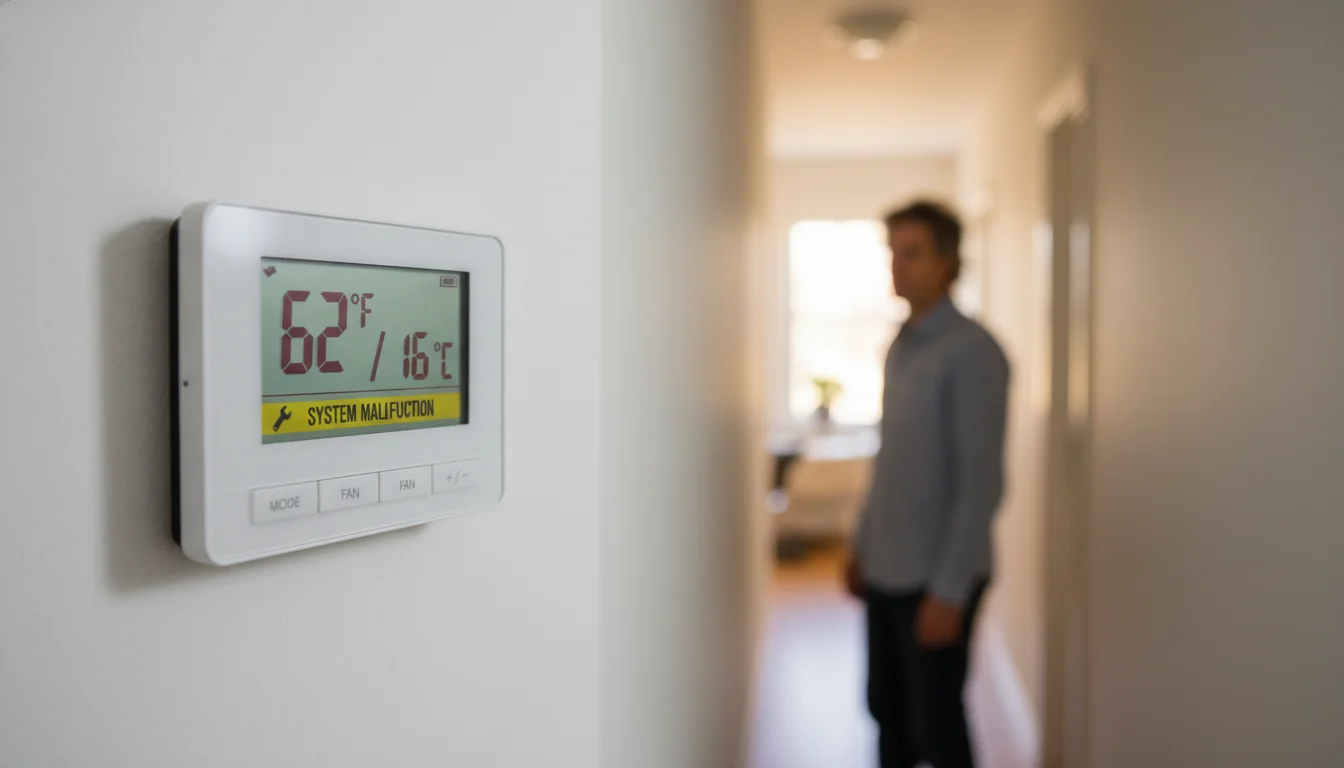
Given the extreme financial premiums attached to emergency dispatch, it is imperative for property owners to execute a structured pre-dispatch diagnostic protocol. While specialized repairs demand licensed intervention, a significant percentage of “no-heat” calls are triggered by minor oversight issues that do not necessitate a $300 diagnostic fee.
Industry leaders advise homeowners to execute a rigid, 2-to-3-minute diagnostic checklist before authorizing an emergency dispatch. However, this period of troubleshooting must be strictly truncated; lingering in a freezing environment to debug a complex system puts both the property and the occupants at profound risk.
The standard pre-dispatch protocol dictates checking the following parameters:
- Immediate Safety Assessments: If the distinct odor of mercaptan (natural gas) is present, all troubleshooting must cease immediately. The premises must be evacuated, and emergency services (911/ATCO Gas) must be notified.
- Thermostat Interrogation: Ensure the digital or analog thermostat is actively set to the “heat” position, and the setpoint is demonstrably higher than the ambient room temperature. If the screen is blank, replacing the internal batteries is the immediate next step.
- Filtration Assessment: Extract and inspect the primary air filter. If the media is completely black or heavily occluded, it must be removed. A severely clogged filter will trigger the high-limit thermal switch, completely disabling the burner assembly.
- Electrical Isolation: Inspect the main residential electrical panel to ensure the dedicated furnace breaker has not tripped due to an amperage spike.
- Exterior Venting Visual Inspection: For high-efficiency systems, perform a visual inspection of the exterior PVC exhaust and intake terminations to ensure they are completely free of rime ice or heavy snow drifts.
If these primary non-technical interventions fail to restore system operation, the homeowner must immediately pivot to engaging a licensed HVAC professional to prevent catastrophic indoor temperature degradation.
Competitive Matrix: Deep Dive into Calgary’s Premier Providers
The Calgary emergency HVAC sector is highly fragmented, comprising massive corporate entities, mid-sized regional powerhouses, and localized enterprises. The efficacy of these providers is directly correlated with their dispatch speed, the robustness of their post-repair warranties, their technical competency across diverse brands, and their adherence to stringent safety protocols.
Tier 1: Legacy Powerhouses and Regional Leaders
Arpi’s Industries Ltd. Operating continuously in the Calgary market for nearly six decades (55+ years), Arpi’s Industries represents one of the most established institutional players in the region. Their sheer corporate scale affords them a massive, heavily capitalized service fleet, which theoretically insulates their dispatch queue against the overwhelming volume spikes that occur during -40°C weather events. As a designated Lennox Premier Dealer (and recipient of an unprecedented 27 Dave Lennox Awards), Arpi’s possesses deep, highly specialized technical knowledge of premium, complex high-efficiency systems.
A key competitive differentiator for Arpi’s is their proprietary “No Lemon Guarantee” and their “Complete Care Extended Furnace Warranty,” which provides an industry-leading 10 to 14 years of comprehensive coverage on parts and installation labor. Their technicians are prominently NATE (North American Technician Excellence) certified, and their operational protocols are heavily scrutinized for thoroughness. Consumer data notes their meticulous diagnostic procedures, which involve comprehensive electrical and airflow testing prior to recommending component replacement. Furthermore, their prominence is underscored by their status as the designated HVAC contractor for regional Costco operations, an endorsement requiring stringent corporate vetting. However, analyzing broader market sentiment reveals occasional consumer friction regarding premium pricing algorithms on specific OEM parts, a common byproduct of supporting massive corporate overhead and infrastructure.
JPS Furnace & Air Conditioning JPS Furnace & Air Conditioning operates as a highly aggressive, deeply customer-centric disruptor that has rapidly scaled to the highest tier of Calgary HVAC providers. Their operational model relies heavily on comprehensive warranty structures and the mass adoption of subscription-based preventative maintenance. Partnered heavily with Daikin, JPS provides robust 12-to-14-year warranties on parts and labor for new installations, alongside lifetime warranties on select premium heat exchangers.
For emergency repair, their dispatch window spans from 8:00 AM to 11:00 PM, supported by an explicit “no voicemail” guarantee. This ensures that panicked consumers facing freezing pipes instantly connect with a live dispatch operator rather than an automated answering service. While independent analyses classify their baseline rates as leaning toward the premium end of the market, their strict adherence to transparent flat-rate pricing completely eliminates post-repair invoice shock. Furthermore, their competitive capital structuring is evident in consumer quotes; in detailed consumer comparisons for heat pump/furnace combination retrofits, JPS provided highly competitive quotes ($16,600) compared to legacy competitors ($21,400). Their robust integration with financial institutions, offering rapid, credit-friendly financing starting at $58 per month, positions them highly favorably for consumers facing unexpected, catastrophic system failures requiring complete unit replacement.
Knight Plumbing, Heating & Air Conditioning With a distinguished 50-year operational history, Knight Plumbing combines deep institutional knowledge with a highly consumer-friendly economic model. Their primary strategic advantage lies in their aforementioned strictly enforced 24/7 availability coupled with an absolute zero after-hours fee policy. Knight aims for a rapid four-hour emergency response window, facilitated by a decentralized model of deploying technicians who reside directly within the local Calgary neighborhoods they serve, thereby entirely bypassing centralized dispatch logistical bottlenecks during heavy snow events.
Their commitment to operational excellence is validated by consecutive HomeStars Best of the Best Awards (2025, 2026) and the Better Business Bureau’s Business Ethics Award for Southern Alberta. Knight’s technical scope is vast, servicing all major brands with a specific installation focus on Trane, Goodman, and Amana. Crucially, they address the root thermodynamic cause of mechanical failures rather than executing temporary triage; their strict protocols require technicians to perform comprehensive post-repair safety checks, including systemic draft analysis and carbon monoxide leak testing. Their service is backed by a robust two-year minimum labor warranty on repairs, ensuring that expedited emergency fixes do not result in costly subsequent callbacks.
Action Furnace Action Furnace is a highly visible, heavily marketed entity in the Alberta HVAC space, heavily emphasizing rapid, same-day deployment for winter emergencies across their Calgary, Edmonton, and Red Deer operational hubs. They are frequently cited as a top choice for immediate triage due to their massive fleet density. Their operational model strongly incentivizes consumer enrollment in their “Comfort Club,” a recurring membership that grants the consumer heavily discounted dispatch fees and guaranteed priority routing within 24 hours. While their customer service and promptness are widely lauded in public forums, comparative pricing analyses indicate that their equipment replacement quotes—frequently focused on the Amana product line—can run significantly higher than competitors. In recorded instances comparing identical home retrofits, Action Furnace quotes exceeded local market averages by several thousand dollars.
Tier 2: Agile Mid-Sized Operators and Niche Specialists
Infinite Heating and Air Conditioning Focusing strategic operations primarily in Eastern Calgary, Infinite Heating operates on a hyper-agile model guaranteeing a definitive 2-hour response window for emergencies. This aggressive response standard is critical during sudden deep freezes when interior temperatures drop precipitously. Their highly transparent operational model is backed by licensed technicians and a standardized 1-year warranty on executed repairs. Consumer feedback highly praises specific technicians within their roster for executing comprehensive mechanical room cleanups and offering proactive, educational maintenance advice alongside critical repairs. This intense focus on localized consumer satisfaction has generated substantial organic trust and a perfect A+ BBB rating since 2023.
Calgary Air Heating and Cooling Ltd.
Calgary Air
Positioned as a highly agile alternative to the massive legacy firms, Calgary Air explicitly targets quick service response times and honest, conservative diagnostics. Their logistical operational radius extends far beyond the immediate Calgary municipal boundaries to encompass surrounding exurban and rural communities such as Chestermere, Cochrane, and Okotoks. This addresses a critical market gap where rural property owners frequently face extended wait times or outright refusals for emergency heating dispatch during blizzards. Their operational protocols heavily emphasize life safety, dictating immediate evacuation protocols if carbon monoxide alarms are active, and comprehensive gas-leak isolation procedures upon arrival before any mechanical diagnostics begin.
The Heating Ninja
The Heating Ninja addresses the unpredictable nature of HVAC breakdowns with a staunchly dedicated 24/7 emergency model. Their logistical footprint covers Calgary, Airdrie, Chestermere, and Okotoks. While they do apply standard after-hours fee premiums to offset their operational costs, they offset consumer friction by enforcing strict price transparency and providing definitive, guaranteed repair estimates prior to tool deployment. Their operational definition of an emergency specifically includes freezing weather heat loss, ensuring that critical triage calls are bumped to the absolute top of the dispatch queue over routine maintenance requests.
McAra Energy Inc. & Alberta Heating
McAra Energy distinguishes itself by focusing on comprehensive financing choices and specialized installations of York commercial and residential systems, backed by strong 10-year parts warranties. Conversely, Alberta Heating focuses heavily on end-to-end solutions and transparent billing, notably waiving late-night emergency charges if the homeowner proceeds with the repair, effectively absorbing the diagnostic risk to secure the labor contract.
Matrix of Brand Capabilities and Manufacturer Alignment
The capability of an HVAC provider is intrinsically linked to their access to OEM parts and their manufacturer-specific training. The Calgary market services a massive array of legacy and modern equipment.
- Lennox International: Sub-brands include Lennox, Ducane, and Armstrong Air. Local specialists include Arpi’s Industries (Lennox Premier).
- Daikin Industries: Sub-brands include Daikin, Goodman, and Amana. Local specialists include JPS Furnace (Daikin), Action Furnace (Amana), and Knight (Goodman/Amana).
- Carrier Global: Sub-brands include Carrier, Bryant, Payne, Keeprite, Tempstar, and Heil. JPS Furnace services all, along with various independents.
- Trane Technologies: Sub-brands include Trane and American Standard. Local specialists include Knight Plumbing (Trane) and JPS Furnace.
- Johnson Controls: Sub-brands include York, Luxaire, and Coleman. McAra Energy maintains a York focus.
Note: Premier emergency providers such as JPS Furnace and Knight Plumbing explicitly state their capability to service and repair all makes and models (including Rheem and Ruud), recognizing that winter emergencies do not afford homeowners the luxury of waiting for brand-specific specialists.
Geographical Logistics and Exurban Challenges
The logistical execution of emergency HVAC repair is heavily complicated by the vast geographical footprint of the Greater Calgary Area. Managing a fleet of technicians during a -30°C blizzard requires highly sophisticated routing software and robust supply chains. The premier companies maintain massive service radiuses to capture market share, but this introduces severe challenges in maintaining advertised response times.
Providers like Reliance Home Comfort and Calgary Air list extensive service territories that span deeply into rural Alberta. The operational radius includes municipalities such as Bowden, Carstairs, Chestermere, Cochrane, Crossfield, De Winton, Didsbury, Gleichen, Innisfail, Langdon, Lethbridge, Medicine Hat, Okotoks, Olds, Priddis, Red Deer, Rocky View County, Strathmore, and Sylvan Lake.
Dispatching a technician to Priddis or Gleichen at 3:00 AM requires navigating unplowed, highly dangerous rural roads, adding immense time and risk overhead to the service call. Consequently, firms with highly localized, neighborhood-specific dispatch protocols (such as Infinite Heating’s focus on Eastern Calgary or Knight Plumbing’s decentralized technician routing) frequently outperform massive regional fleets in actual door-to-door emergency response times during severe weather events.
The Economics of Preventative Maintenance and Membership Models
The highest-performing and most financially stable firms in the Calgary HVAC sector have actively transitioned from a reactive, unpredictable “break-fix” economic model to a proactive, highly predictable recurring revenue structure via preventative maintenance memberships. From the corporate financial perspective, these programs smooth out revenue curves during the temperate “shoulder seasons” (spring and fall) and ensure a captive, loyal consumer base. From the consumer perspective, they serve as a critical, highly rational financial hedge against catastrophic winter emergency pricing.
Mechanisms and Actuarial Logic of the Membership Model
Programs such as the JPS Care Club, the Action Furnace Comfort Club, and the Arpi’s Gold Plan represent the absolute industry standard. The economic architecture of these memberships is highly calculated and mutually beneficial:
- Guaranteed Priority Dispatch: During a -40°C anomaly, dispatch centers at major firms are instantly overwhelmed, resulting in organic wait times spanning multiple days. Membership contracts legally bind the HVAC firm to prioritize the subscriber, effectively allowing them to skip the general public queue and receive guaranteed emergency service within a strict 24-hour window.
- Fee Waivers and Substantial Discounts: Memberships universally waive standard punitive travel fees and apply aggressive discounts (typically a flat 20%) to all subsequent emergency repair labor, OEM parts, annual tune-ups, and indoor air quality accessories (like duct cleaning).
- Proactive Risk Mitigation: By bundling free annual tune-ups into the monthly recurring cost, highly trained technicians have the opportunity to clean silica off flame sensors, test capacitor microfarad readings with multimeters, and inspect primary heat exchangers for micro-fissures in October. This preemptively eliminates the exact mechanical vulnerabilities that trigger 2:00 AM failures in February.
The financial calculus heavily favors consumer enrollment. A single mitigated emergency dispatch fee, paired with a 20% discount on a variable-speed ECM blower motor replacement, mathematically eclipses the annual cost of the subscription. This renders these programs a highly rational economic choice for Calgary homeowners seeking to cap their infrastructure liability. Furthermore, legacy programs incorporate deep-cleaning services, which substantially reduces the Total External Static Pressure across the ducting system, thereby exponentially extending the operational lifecycle of the primary HVAC asset.
Regulatory Compliance, Safety Standards, and the COR Designation
Given the inherent, life-threatening dangers of manipulating volatile natural gas lines, high-voltage electrical circuits, and carbon monoxide exhaust mechanisms, the regulatory and safety frameworks governing Calgary’s HVAC contractors are of paramount importance. Beyond basic municipal licensing, standard commercial liability insurance, and mandatory WCB (Workers’ Compensation Board) coverage, the absolute gold standard for operational safety and institutional legitimacy in the province is the Certificate of Recognition (COR).
The Institutional Implications of COR Certification
Issued by rigorous certifying partners such as the Alberta Construction Safety Association (ACSA) under the direct purview of the Government of Alberta’s Occupational Health and Safety division, COR is not a mere administrative formality or marketing badge. It is a rigorous, deeply audited validation that an employer’s internal health and safety management system meets or exceeds strict provincial legislative standards.
For an HVAC firm to achieve and maintain COR status, it must subject itself to comprehensive, relentless external audits evaluating its hazard identification protocols, its emergency response capabilities, and its ongoing technician safety training regimes. The competitive landscape clearly distinguishes these elite operators; premier Calgary HVAC and mechanical providers, including Arpi’s Industries, Knight Plumbing, Action Furnace, Iconic Electric and Controls, Aecon, Breathe Clean Alberta, and JDC Mechanical, hold active, verifiable COR designations.
Consumer Protection and Transferred Liability
The relevance of COR certification extends directly and forcefully to the consumer. Residential plumbing and HVAC repairs are inherently high-risk operations involving the maneuvering of heavy machinery, the manipulation of pressurized explosive gasses, and labor within confined spaces (such as mechanical rooms and attics). Should an undocumented, uninsured, or fundamentally unsafe contractor suffer a severe injury while operating on private property, the homeowner can, under specific legal conditions, be held personally liable for damages.
Utilizing a COR-certified firm provides an ironclad guarantee that the contractor is fully compliant with the Workers’ Compensation Board (WCB) of Alberta, entirely shielding the property owner from any semblance of workplace injury liability. Furthermore, COR-certified firms systematically deploy highly trained, dual-ticketed journeypersons who are deeply versed in local building codes and municipal bylaws.
This prevents the execution of illegal or dangerous exhaust venting modifications that could severely compromise the home’s structural safety, void homeowner insurance policies, or jeopardize occupant health.
Integrating Green Initiatives and the CEIP Framework
The regulatory and legislative landscape in Calgary is also rapidly shifting toward aggressive energy efficiency and carbon reduction. High-tier providers actively align with government-backed environmental strategies by operating as Qualified Contractors for the Alberta Clean Energy Improvement Program (CEIP). This program represents a massive shift in how capital-intensive HVAC infrastructure is funded.
It allows consumers—particularly those facing the sudden, multi-thousand-dollar burden of replacing a destroyed furnace during an emergency—to finance highly efficient, environmentally friendly systems through property tax-tied mechanisms. This eases immediate capital constraints while actively reducing the municipality’s overall carbon footprint. Similarly, forward-thinking firms differentiate themselves by adhering to aggressive internal environmental protocols, actively recycling up to 95% of all extracted metals, copper, and synthetic materials from condemned HVAC systems, thereby minimizing the ecological impact of massive infrastructure overhauls.
Conclusion
The emergency furnace repair market in Calgary is entirely dictated by the extreme environmental and climatological realities of the region. A systemic heating failure in -40°C weather is a critical, high-stress event requiring highly trained, rapidly deployable tradesmen capable of navigating complex mechanical, electrical, and combustive systems under intense duress. The primary modes of failure—ranging from the standard mechanical degradation of heavily strained blower motors to the highly specific, paradoxical phase-change freezing of PVC vent terminations in modern high-efficiency systems—demand precision diagnostics to avoid catastrophic property damage and ensure life safety.
Economically, the Calgary market demonstrates a stark division between predatory, high-pressure corporate sales models designed to exploit consumer vulnerability, and ethical, transparency-driven operations focused on long-term client retention. Consumers are best protected by proactively engaging with firms that prioritize flat-rate billing matrices, definitively waive punitive after-hours labor multipliers, and maintain robust, economically rational preventative maintenance memberships that legally guarantee queue prioritization during severe blizzards.
Furthermore, the selection of an emergency HVAC contractor should be heavily weighted toward those possessing the Alberta Certificate of Recognition (COR). This designation serves as an empirical, government-audited guarantor of safety compliance, technical competency, and absolute liability protection for the homeowner. Ultimately, successfully navigating a winter heating failure in Calgary requires proactive market awareness. By aligning with established, highly vetted providers possessing scalable emergency infrastructure, robust decade-long warranties, and transparent economic models, property owners can effectively mitigate the severe physiological and financial risks posed by the unrelenting severity of the Albertan winter.