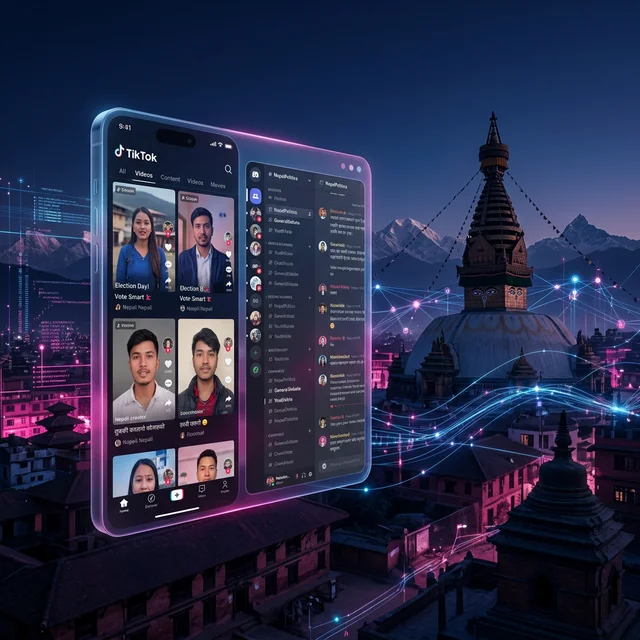
What Is Internet Governance and Why Should Young Professionals Care?
If you work in tech, digital marketing, or education in Nepal, you’ve probably heard the term Internet Governance (IG) thrown around in conferences or webinars. It sounds heavy, bureaucratic, and honestly—a bit boring.
Most people think it’s just politicians and CEOs discussing laws in Geneva or New York.
But let me ask you a few questions:
- Why can you access TikTok today but maybe not tomorrow?
- Who decides that your nepal.np domain works globally?
- Why is your internet slower or more expensive than in other countries?
- Who protects your data when you use international apps?
That is Internet Governance. It’s not just policy; it’s the operating system of our digital lives. And for young professionals in Nepal, understanding it isn’t just about civic duty—it’s a massive career advantage.
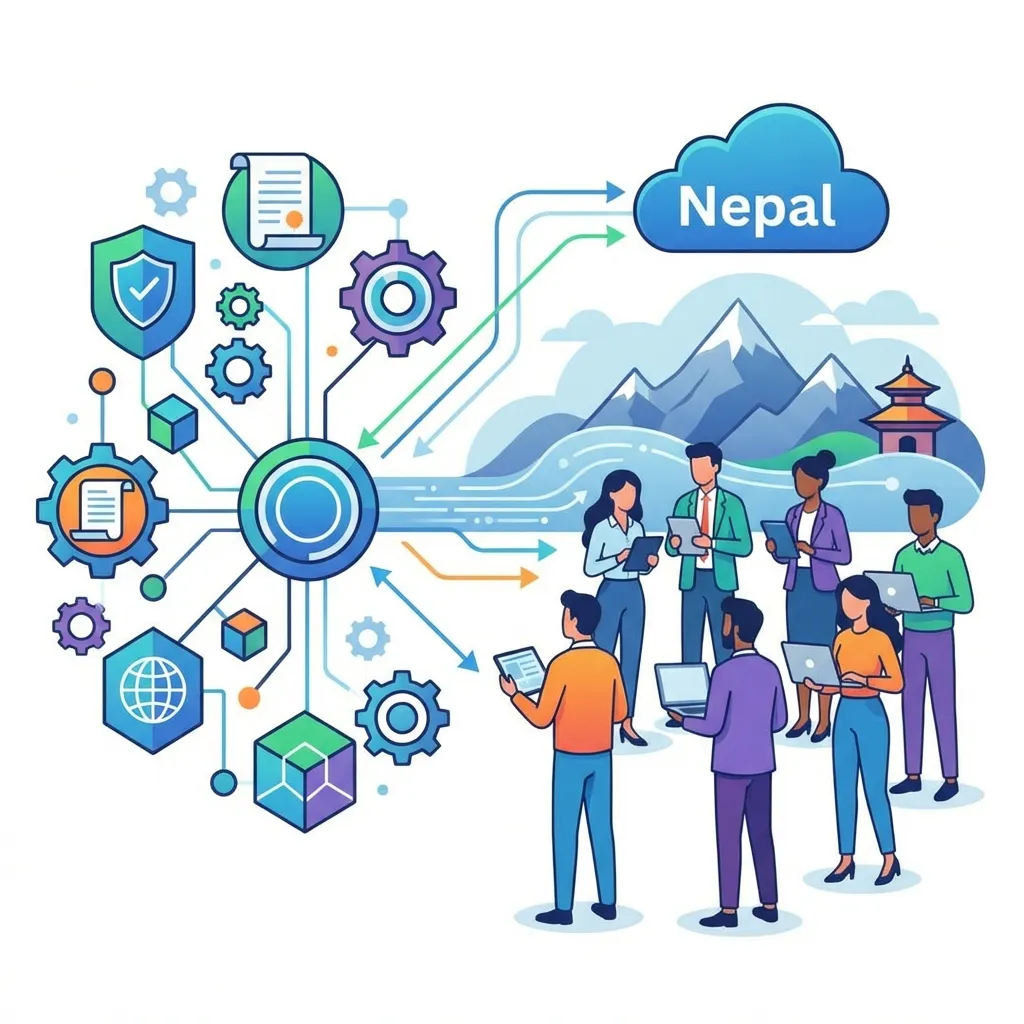
So, What Actually Is Internet Governance?
The official definition from the World Summit on the Information Society (WSIS) says:
“Internet governance is the development and application by governments, the private sector and civil society, in their respective roles, of shared principles, norms, rules, decision-making procedures, and programmes that shape the evolution and use of the Internet.”
Okay, that’s a mouthful. Let’s break it down into “Nepali English”:
Internet Governance is simply the way different groups (governments, companies, and regular people) come together to agree on how the internet should work.
It’s not ruled by one king. It’s more like a stakeholder meeting (or a massive Zoom call) where everyone gets a say—though some voices are definitely louder than others.
The Three Layers of the Internet (And Who “Governs” Them)
To understand IG, you have to stop thinking of the internet as one thing. It has layers:
1. The Infrastructure Layer (The Pipes)
- What it is: The physical cables, root servers, and IP addresses.
- Who manages it: Technical bodies like ICANN (we’ll talk about them soon), APNIC (Asia Pacific Network Information Centre), and ISPs like WorldLink or Nepal Telecom.
- The Governance Issue: How do we ensure the internet stays connected and stable? What happens if a country wants to “cut off” its internet?
2. The Logical Layer (The Protocols)
- What it is: The standards that let computers talk to each other (TCP/IP, HTTP).
- Who manages it: Engineers and groups like the IETF (Internet Engineering Task Force).
- The Governance Issue: Keeping standards open so that a startup in Kathmandu can build an app that works in London without asking for permission.
3. The Economic & Social Layer (The Content & Rules)
- What it is: Social media, e-commerce, user rights, content moderation.
- Who manages it: Governments (laws involved), Tech Giants (Meta, Google rules), and Civil Society (activists).
- The Governance Issue: Cybercrime, hate speech, data privacy, and digital taxation. This is where most of the “political” fights happen.
Why Should a Young Nepali Professional Care?
You might be thinking, “Arjan dai, I’m just a digital marketer / developer. Why does this matter to me?”
Here is why:
1. It Affects Your Business and Job
If policies change regarding data privacy or cross-border payments, your ability to run Facebook Ads or receive payments from freelance clients changes instantly. Knowing why these changes happen helps you adapt before your competitors do.
2. It’s Where the Future is Being Written
Right now, rules are being written about Artificial Intelligence, Digital Identity, and Cybersecurity. If we (Nepalis) aren’t at the table, we just have to follow rules made by the US, EU, or China. Do you want to be a rule-taker or a rule-shaper?
3. It’s a Global Career Pathway
The IG community is incredibly welcoming to youth. Organizations like Internet Society (ISOC), ICANN, and APNIC afford fellowships, travel grants, and training programs (like APIGA—Asia Pacific Internet Governance Academy) specifically for young people. It’s a ticket to a global network of experts.
The “Multistakeholder” Magic
The coolest thing about IG is that it runs on a Multistakeholder Model. This means:
- Governments don’t run everything.
- Tech Companies don’t run everything.
- Technical communities don’t run everything.
Civil Society (that’s you, me, NGOs, academics) has an equivalent seat at the table. In forums like the IGF (Internet Governance Forum), a student from Kathmandu can stand up and ask a question to a Google VP or a Minister. That kind of access doesn’t exist in many other industries.
Where Does Nepal Stand?
Nepal has a vibrant but fragmented Internet Governance scene. We have the Nepal IGF, youth forums, and active civil society groups. But we need more technical professionals and business people engaging in policy. We tend to leave it to the lawyers and activists.
We need you—the creators, the builders, the marketers—to explain how policies affect the real digital economy.
Real-Life Example: The TikTok Ban
Remember the “TikTok Ban” discussions? That was a classic Internet Governance issue.
- Government Focus: Social harmony and content control.
- Private Sector Focus: Loss of marketing revenue and ISP bandwidth costs.
- Civil Society Focus: Freedom of expression and digital rights.
Understanding IG helps you see the whole picture, not just one angry Facebook status about it.
How to Get Started?
You don’t need a degree in law. You just need curiosity.
- Read: Follow blocks like APNIC Blog or CircleID.
- Join: Look up the Internet Society Nepal Chapter.
- Attend: Watch out for Nepal IGF or apply for apIGA (more on my experience there in future posts!).
The internet isn’t magic. It’s a system built and maintained by people. And as a digital citizen, you have a right—and a responsibility—to help shape it.
This is the first article in my “Internet Governance Explained” series, inspired by my journey with APIGA Nepal. Stay tuned for the next post where we crack open the black box of ICANN!