Learning Objectives
By the end of this chapter, you will be able to:
- Define Business Process Management (BPM) as a management discipline.
- Describe the five phases of the BPM lifecycle: Design, Model, Execute, Monitor, and Optimize.
- Explain the role of a Business Process Management Suite (BPMS).
- Understand how BPM provides a framework for both BPI and BPR.
What is Business Process Management (BPM)?
Business Process Management (BPM) is a management discipline that treats business processes as strategic assets to be continuously improved. Unlike one-time projects like BPI or BPR, BPM is an ongoing, systematic approach to managing and optimizing an organization’s processes to align them with business strategy.
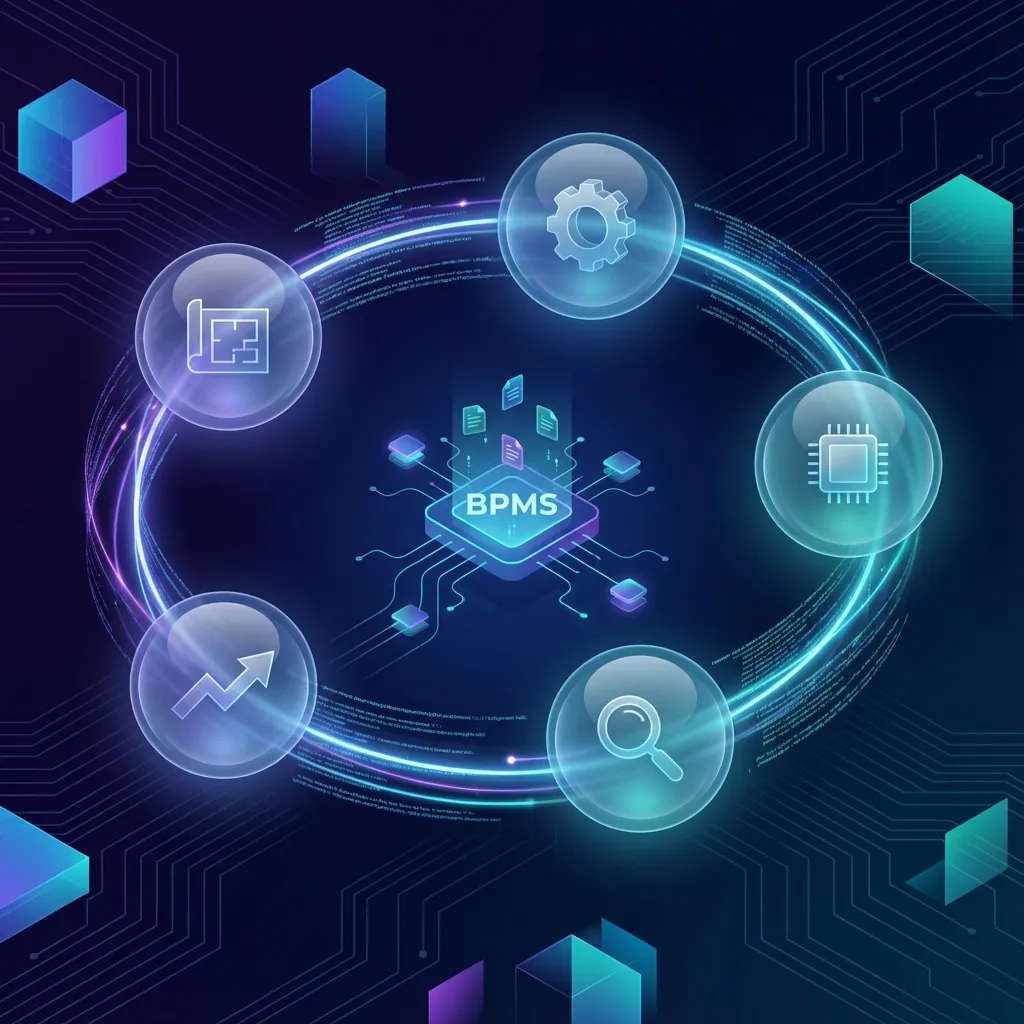 Figure 1: Business Process Management Overview
BPM is not just about technology; it is a holistic discipline that encompasses strategy, governance, methods, and IT tools. It provides a framework for an organization to become more agile, efficient, and customer-focused.
The Business Process Management Lifecycle
BPM is a continuous cycle, often depicted with the following five phases:
flowchart TB
    D["📝 DESIGN\nDefine & Map Processes"]
    M["📊 MODEL\nSimulate & What-If"]
    E["▶️ EXECUTE\nImplement with BPMS"]
    MO["📹 MONITOR\nTrack KPIs Real-time"]
    O["🔧 OPTIMIZE\nAnalyze & Improve"]

    D --> M --> E --> MO --> O
    O -->|"Continuous\nCycle"| D

    style D fill:#1565c0,color:#fff
    style M fill:#6a1b9a,color:#fff
    style E fill:#2e7d32,color:#fff
    style MO fill:#ef6c00,color:#fff
    style O fill:#c62828,color:#fff
Figure 2: The BPM Lifecycle - A Continuous Loop
-
Design: In this phase, the team identifies existing processes or designs new ones. This involves understanding the strategic goals of the business and defining how the process will help achieve them. The “as-is” process is mapped, and the ideal “to-be” process is designed.
-
Modeling: The team takes the process design and uses it to create a visual model. This model includes theoretical inputs and expected outputs, and it allows for “what-if” analysis. By simulating the process, the team can see how it might perform under different conditions without having to implement it in the real world.
-
Execution: The modeled process is implemented. This is where Business Process Management Suites (BPMS) often come into play. A BPMS is a software suite that helps automate the execution of the process, manage handoffs between people and systems, and enforce business rules.
-
Monitoring: As the process is executed, its performance is tracked in real-time. Key Performance Indicators (KPIs) that were defined in the Design phase are monitored, such as cycle time, defect rates, and costs. This data is often presented in dashboards for managers to review.
-
Optimization: The performance data collected during the Monitoring phase is analyzed to identify new bottlenecks or opportunities for improvement. This analysis feeds back into the Design phase, creating a continuous loop of improvement. This is where BPI methodologies are applied on an ongoing basis.
The Role of BPM Suites (BPMS)
A Business Process Management Suite (BPMS) is a software toolkit designed to support the BPM discipline. These suites typically provide:
- A graphical interface for modeling and designing processes.
- A workflow engine to automate the execution of processes.
- Tools for creating and managing business rules.
- Dashboards and analytics for monitoring process performance.
- Features for managing and collaborating on process improvements.
BPM: Unifying BPI and BPR
BPM can be seen as the overarching discipline that provides a home for both Business Process Improvement and Business Process Reengineering.
- BPI is used within the Optimization phase of the BPM lifecycle for making continuous, incremental improvements.
- BPR can be used within the Design phase when monitoring reveals that a process is fundamentally broken and requires a radical redesign.
By adopting a BPM approach, an organization moves from ad-hoc improvement projects to a state of continuous process evolution and optimization.
Summary
Business Process Management (BPM) is a holistic and continuous discipline for managing and improving an organization’s processes. By treating processes as strategic assets and following the lifecycle of Design, Model, Execute, Monitor, and Optimize, companies can achieve greater efficiency, agility, and alignment with their strategic goals. BPM provides the framework that integrates both incremental improvements (BPI) and radical redesigns (BPR) into a unified strategy for operational excellence.
Key Takeaways
- BPM is an ongoing management discipline, not a one-time project.
- The BPM lifecycle creates a continuous loop of process improvement.
- BPMS are the software tools that help automate and manage the BPM lifecycle.
- BPM provides a unifying framework for both BPI and BPR.
Discussion Questions
- Why is BPM described as a “discipline” rather than just a “project”?
- Explain the relationship between the “Monitoring” and “Optimization” phases of the BPM lifecycle.
- Can a company practice BPM effectively without using a BPMS? What challenges might it face?