Learning Objectives
By the end of this chapter, you will be able to:
- Define Business Process Improvement (BPI) and its primary goals.
- Describe the five phases of the DMAIC framework (Define, Measure, Analyze, Improve, Control).
- Define Business Process Reengineering (BPR) and its core principles.
- Differentiate between the incremental BPI approach and the radical BPR approach.
- Explain why BPR is considered a high-risk, high-reward strategy.
1. Business Process Improvement (BPI)
Business Process Improvement (BPI) is a systematic methodology aimed at making incremental improvements to an organization’s existing business processes. Unlike radical overhauls, BPI focuses on identifying and eliminating inefficiencies, bottleneck, and waste within a defined process to make it more effective and efficient.
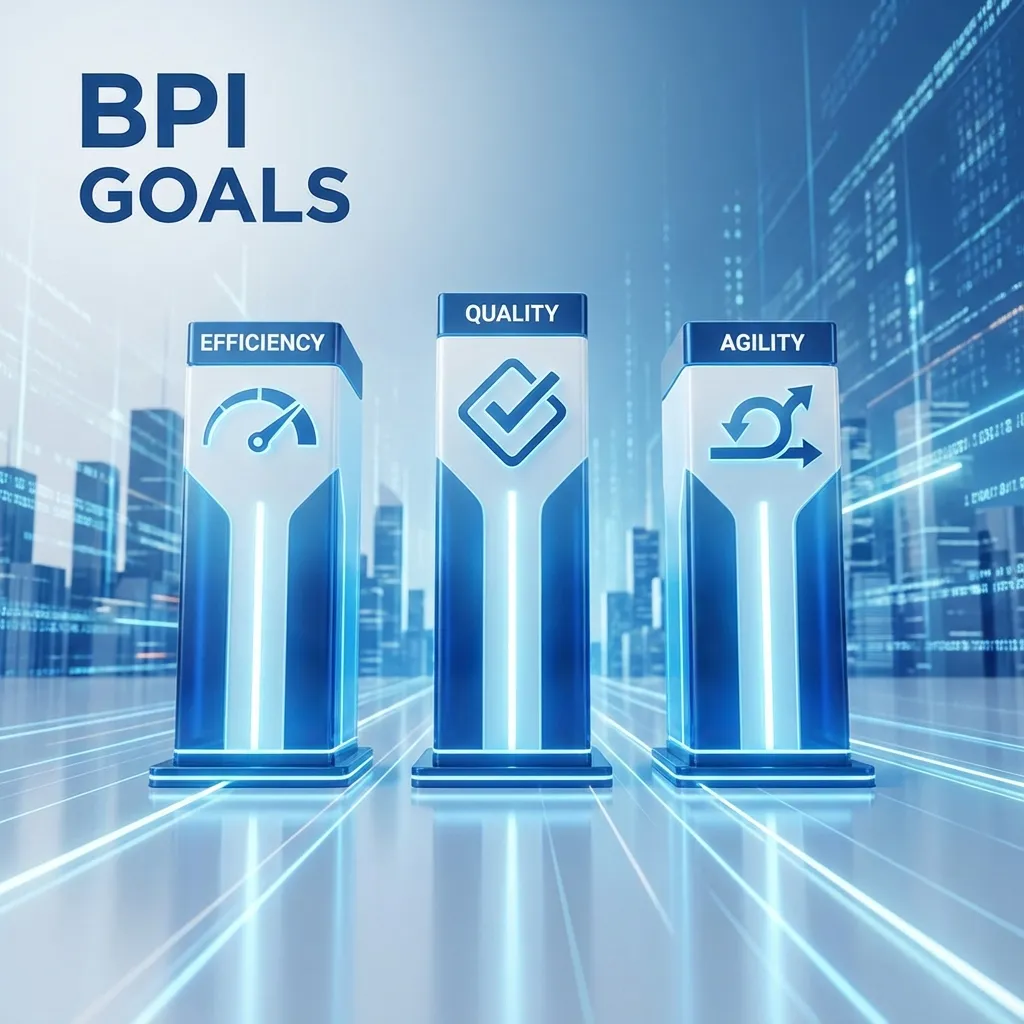 Figure 1: Business Process Improvement Goals
Goals of BPI
The primary objectives of BPI are to optimize process performance by focusing on:
- Increasing Efficiency: Reducing the time, effort, and resources (cost) required to complete a process.
- Improving Quality: Reducing errors, defects, and variations in the process output.
- Enhancing Agility: Making processes more flexible and adaptable.
The DMAIC Framework
A widely used framework for implementing BPI is DMAIC, a core tool of the Six Sigma methodology.
flowchart TB
    D["🎯 DEFINE\nProblem & Goals"]
    M["📏 MEASURE\nCurrent Performance"]
    A["🔍 ANALYZE\nRoot Causes"]
    I["🛠️ IMPROVE\nImplement Solutions"]
    C["📋 CONTROL\nSustain Gains"]

    D --> M --> A --> I --> C
    C -.->|"Continuous\nImprovement"| D

    style D fill:#1565c0,color:#fff
    style M fill:#6a1b9a,color:#fff
    style A fill:#c62828,color:#fff
    style I fill:#2e7d32,color:#fff
    style C fill:#ef6c00,color:#fff
- Define: Clearly define the problem, scope, and goals.
- Measure: Collect data to establish a baseline of current performance.
- Analyze: Identify the root cause of the problem.
- Improve: Implement solutions to address the root cause.
- Control: Sustain the gains by monitoring performance.
2. Business Process Reengineering (BPR)
Business Process Reengineering (BPR) is the radical redesign of an organization’s core business processes to achieve dramatic improvements in critical measures of performance, such as cost, quality, service, and speed.
 Figure 2: Business Process Reengineering Concept
The core concept is to start with a “clean sheet” approach: “If we were starting this company today, how would we design this process?”
Key Principles of BPR
- Radical Redesign: Reinventing the process from scratch.
- High Goals: Aiming for 10x improvement, not just 10%.
- Top-Down: Requires strong senior management support.
- IT as Enabler: Using technology to enable entirely new ways of working.
3. Comparison: BPI vs BPR
| Feature | BPI (Improvement) | BPR (Reengineering) |
|---|---|---|
| Goal | Incremental, continuous improvement | Radical, dramatic improvement |
| Scope | Narrow, specific process | Broad, cross-functional processes |
| Approach | “As-is” analysis, bottom-up | Clean sheet, top-down |
| Risk | Low | High |
| Enabler | Statistical control (DMAIC) | Strategic Information Systems |
The Risk Factor
While BPR offers high rewards, it is high-risk. Many BPR projects fail due to resistance to change, lack of leadership, or unrealistic expectations. BPI is generally safer and focuses on culture of continuous improvement.
Summary
Organizations use both BPI and BPR to manage change. BPI is for fine-tuning and fixing existing processes using data (DMAIC). BPR is for blowing up broken processes and starting over to achieve a major competitive breakthrough. Information Technology is the essential tool that makes both approaches possible.