Learning Objectives
By the end of this chapter, you will be able to:
- Define social media.
- Define digital marketing and its main channels.
Social Media
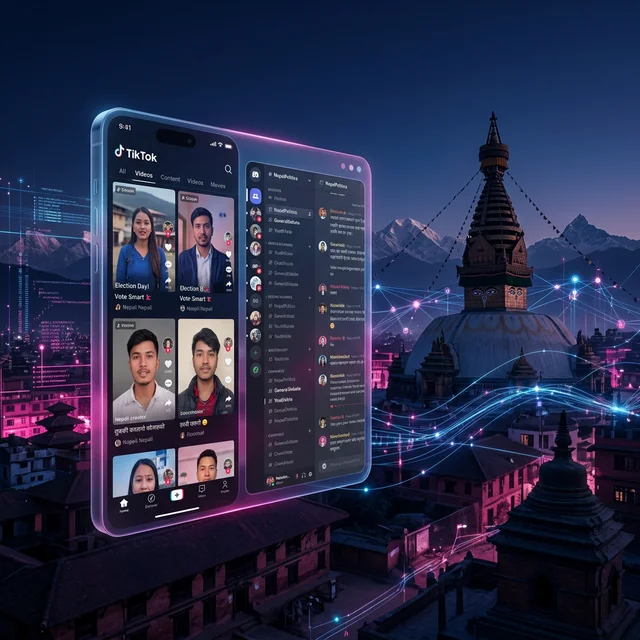
Social media refers to websites and applications that are designed to allow people to share content quickly, efficiently, and in real-time. They are a key part of Web 2.0, focused on user-generated content and online interaction.
- Examples: Facebook, Twitter, Instagram, LinkedIn, TikTok.
Digital Marketing
Digital marketing is the component of marketing that uses the internet and online-based digital technologies to promote products and services. Key channels include:
- Search Engine Optimization (SEO): The process of improving your website to increase its visibility when people search for products or services related to your business in Google, Bing, and other search engines.
- Content Marketing: Creating and sharing valuable online content (such as blog posts, videos, and infographics) to attract and retain an audience.
- Social Media Marketing: Using social media platforms to connect with your audience to build your brand, increase sales, and drive website traffic.
Summary
Social media platforms have become a dominant force in communication and content sharing. Businesses leverage these platforms through digital marketing, which encompasses a range of online strategies. Key among these are SEO, to improve search engine visibility, and content and social media marketing, to engage with customers and build a brand community.
Key Takeaways
- Social media allows users to create and share content in real-time.
- Digital marketing uses online channels to promote products and services.
- SEO, content marketing, and social media marketing are key digital marketing channels.
Discussion Questions
- What is the difference between traditional marketing and digital marketing?
- Why is SEO so important for businesses today?
- Think of a brand that does social media marketing well. What makes them effective?