Learning Objectives
- Name business benefits of IT in three groups: run better, reach farther, stay compliant.
- Name individual benefits in three groups: connect, learn, earn, and live easier.
- Map IT to each business function with a concrete output.
- List negative impacts and how a small firm or user limits each.
The core idea
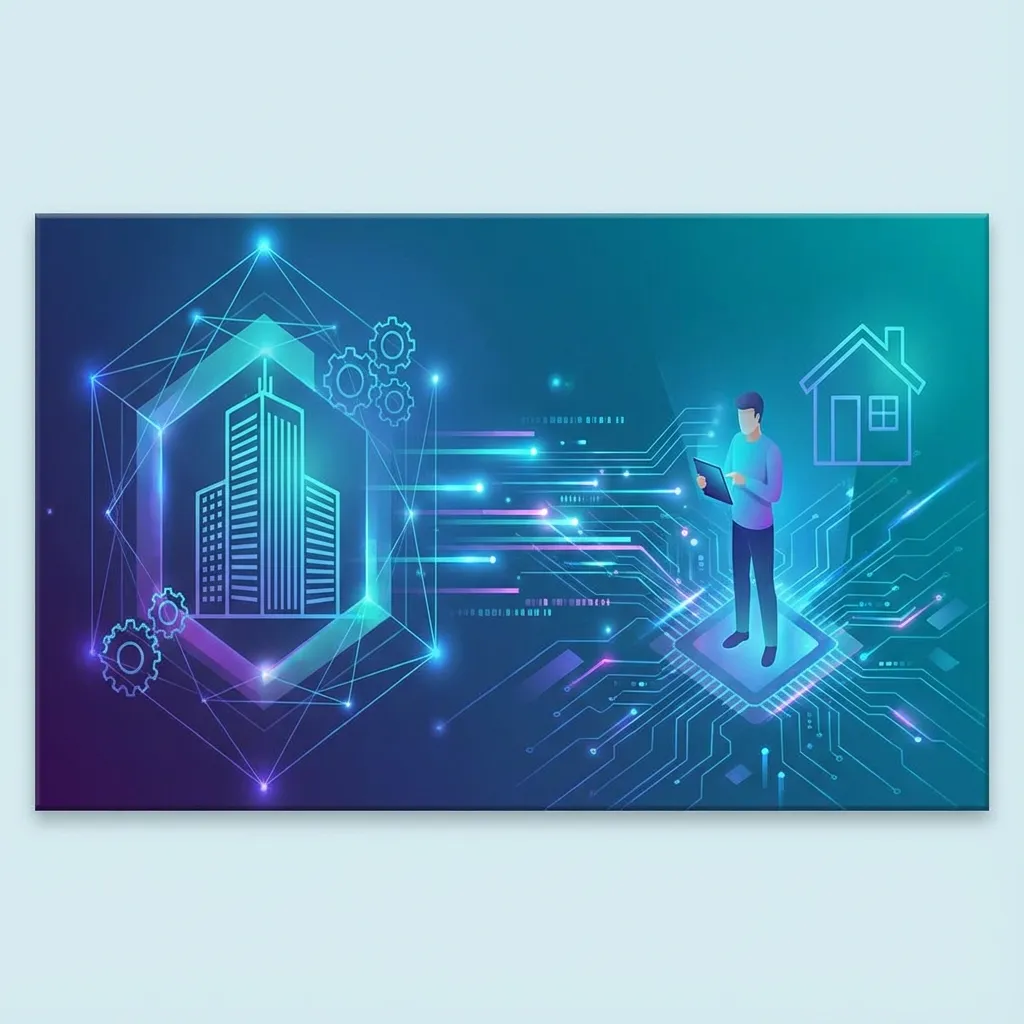
IT shortens distance between intent and result. A business sells and complies with fewer steps. An individual learns and earns from the pocket tool.
flowchart TB
  IT["Information Technology"] --> Biz["Business: run, reach, keep correct"]
  IT --> Ind["Individual: connect, access, live"]
Framework 1: IT for business, grouped
Run better today
- Efficiency - POS posts stock as it bills, closing takes minutes.
- Decisions - dashboards turn yesterday sales into today orders.
- Service - websites and apps answer at 9 p.m. without opening the shutter.
- Cost control - one entry serves billing, stock, and accounting.
Reach farther tomorrow
- Communication - shared files and video keep branches aligned.
- Global reach - Facebook, Daraz, or own site sells beyond the ward.
- Innovation - wallets, QR, and online courses grow from the same base.
Keep correct and compliant
- Records - timestamped data steadies audit and IRD e filing.
- Control - roles and logs show who did what and when.
IT across functions: one page view
| Function | IT output you can check |
|---|---|
| Accounting | Ledger, VAT return, and financial statement from one data entry |
| Marketing | Ad, email campaign, and analytics that show cost per click and per sale |
| Sales | POS bill, online order, and CRM that tracks repeat customers |
| Operations | Barcode scan, stock level, and production or purchase schedule |
| HR | Online application, biometric attendance, and payroll slip |
| Management | Dashboard and video meeting for plan versus actual |
Framework 2: IT for individuals, grouped
- Connect - Viber, WhatsApp, and video keep families linked abroad.
- Access - search and video lectures put teachers on the phone.
- Convenience - mobile banking, QR, and Nagarik App reduce trips to offices.
- Entertainment and health - streaming, telemedicine, and fitness apps fill hours and catch early care.
- Work and income - freelancing lets youth serve clients from Kathmandu to Canada.
- Inclusion - wallets give a hill hamlet payments without a branch.
Framework 3: The other side, also grouped
| Risk | What it means |
|---|---|
| Digital divide | No internet or skill means no service, even when service exists |
| Privacy loss | Leaked customer list draws spam and fraud |
| Cybercrime | Phishing and fake QR drain accounts |
| Job displacement | Routine entry and cash counting shrink |
| Health and addiction | Long screen time and endless scrolling |
| Misinformation | False news spreads faster than correction |
| E waste | Discarded phones harm soil and water |
Each risk has a counter: shared access for divide, least privilege for privacy, QR verification for crime, time limits for health.
Self-check
Nepal worked example: a Bhaktapur tailor that priced reach versus risk (NPR, BS 2081)
A tailor in Bhaktapur holds 280 regular customers as of 2081-05-02. No QR, only calls. Peak orders are missed because customers cannot visit to measure. Sales average NPR 185,000 at 28 percent margin = NPR 51,800. Cash only means two bank trips per week, about 6 hours per month at NPR 400.
On 2081-05-08 the owner prices a small plan: internet NPR 1,200 per month, QR setup free with 1 percent fee, Facebook and Viber free, and a Google Form for measures linked to a printed card. One time print and board NPR 3,800, training NPR 1,500.
To 2081-08-08, QR share rises to 33 percent, cash trips fall to two per month, saving 4 hours = NPR 1,600. Viber adds 18 orders at NPR 1,400, margin NPR 392 each = NPR 7,056 extra. After spread of one time cost NPR 1,767 per month and fees about NPR 620, net gain is about NPR 6,269 per month. One phishing link arrives 2081-07-22. The shop sets a rule: no link clicks for payments, only counter scan, and daily review. Risk is contained without losing the channel.
Example 1: In a cooperative or finance reading, weigh IT as control and inclusion. Ask: did QR and forms keep an audit trail for every receipt as of BS 2081-05-20, and can the same phone number receive payment without exposing customer data.
Example 2: In a market and shop reading, weigh IT as reach and service. Ask: which channel brought the 18 new orders, how does the Forms card cut measurement visits, and what single rule keeps the QR channel safe.
Key Takeaways
- Business IT groups into run better, reach farther, and keep correct. Each function has a concrete digital output.
- Individual IT groups into connect, access, convenience, income, and inclusion.
- Nepal shows both: Nagarik App and QR expand reach, while remit calls and freelancing show income and connection.
- Risks group into divide, privacy, crime, job shift, health, false news, and e waste, each with a practical counter.
Discussion Questions
- Which business benefit would you prove first in a three staff shop: efficiency, reach, or records. Why.
- How has IT changed how you learn and earn in the last two years.
- Which negative impact worries your community most and what one rule would reduce it.
Exercises
Short answer
- List three business benefits under Run better and one example each.
- List three individual benefits and one Nepali example for each.
- What is digital divide.
Long answer
- Explain IT across six business functions with a table and a Nepali example for each.
- Discuss positive and negative impacts of IT on individuals and society in Nepal, showing grouped risks and counters.