Teaching case. This case is a composite based on typical Nepali businesses. Names are withheld and the figures are illustrative, chosen to make the calculations realistic.
Overview
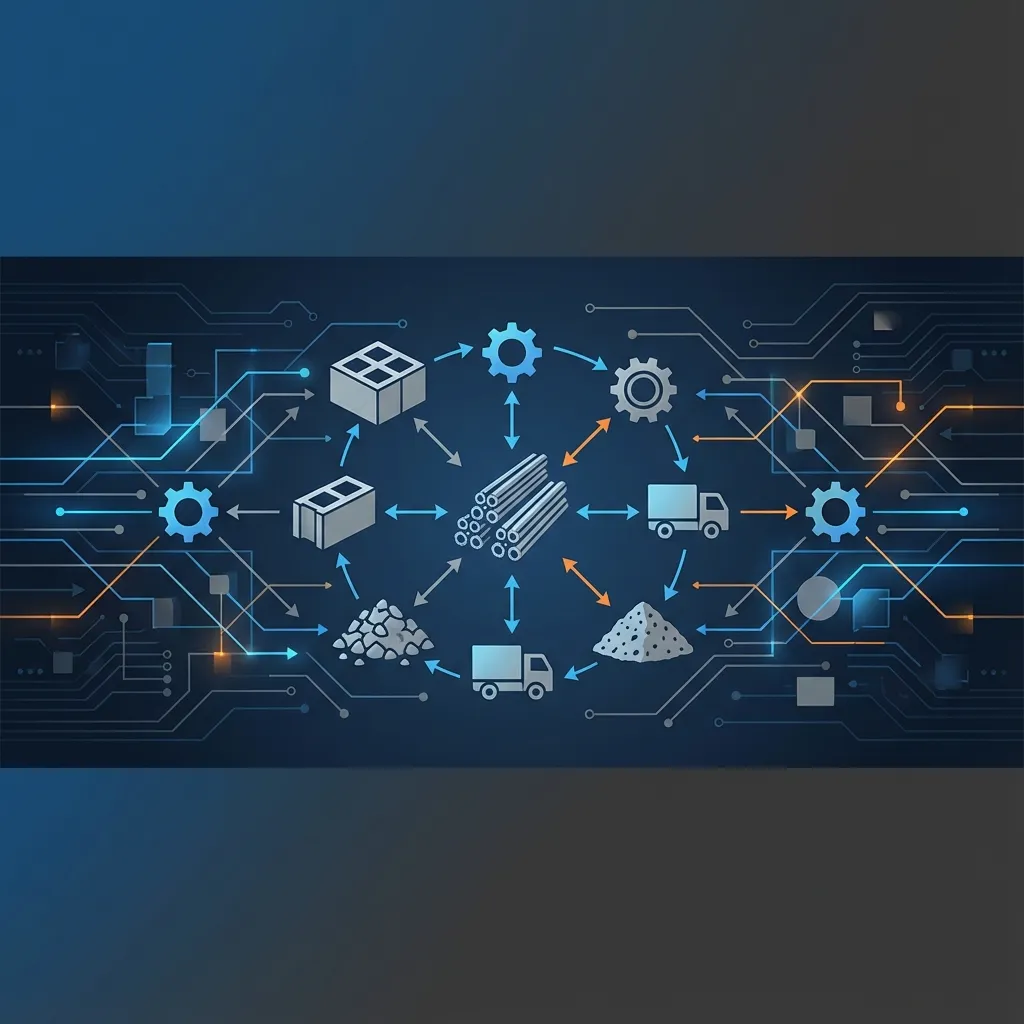
SME contractors struggled with price discovery and delivery windows. The marketplace enabled RFQs, negotiated pricing, and integrated delivery quotes.
flowchart LR
    BUY[Contractor Buyer] --> RFQ[Submit RFQ]
    RFQ --> SUP1[Supplier Quote A]
    RFQ --> SUP2[Supplier Quote B]
    SUP1 --> NEG[Counter-Offer Chat]
    SUP2 --> NEG
    NEG --> ESC[Escrow Payment]
    ESC --> LOG[Logistics and Delivery]
    LOG --> BUY
Figure 1: Construction B2B Marketplace RFQ Workflow
Background
Small contractors building houses and small commercial buildings bought cement, rods, bricks, and sand from local suppliers by phone. Prices changed often and differed between suppliers, delivery dates were uncertain, and quality disputes were common. Contractors spent hours calling suppliers to compare prices. Suppliers, for their part, had idle trucks on some days and too many orders on others.
Key Moves
- Supplier onboarding with verified stock locations and daily price updates.
- Buyer RFQ + counter‑offer chat; escrow for high‑value orders.
- Logistics module: truck capacity, lead times, and route pricing.
- Analytics for suppliers: win rates, quote turnaround, and seasonality.
Outcomes
- Faster sourcing; fewer delivery disputes; better supplier utilization.
- Transparent competition lowered prices for buyers while expanding supplier reach.
Lessons (Unit 8 lens)
- B2B marketplaces must embed workflow (RFQ, approvals) and logistics to add real value.
- Trust levers (verification, escrow) are critical for high‑ticket trades.
The Numbers
- A contractor needs 500 bags of cement. Three suppliers quote Rs. 820, Rs. 790, and Rs. 805 per bag, delivered.
- Choosing the lowest quote saves Rs. 30 per bag against the highest: Rs. 15,000 on one order.
- Escrow is used only for orders above Rs. 2,00,000, where the risk of non-delivery justifies the extra step.
Case Questions
- Which type of B2B marketplace is this (e-distributor, e-procurement, exchange, or consortium)? Justify your answer.
- How does the RFQ workflow improve price discovery for contractors?
- Why did the marketplace need a logistics module to add real value?
- What trust mechanisms are needed for high-value B2B trades, and why?
- What would make suppliers willing to publish their prices on a public marketplace?
Chapters covered
Use the unit notes below to review the theory this case applies in practice.