Beyond Demographics: Mastering Nepali Audience Targeting for Deeper Connections
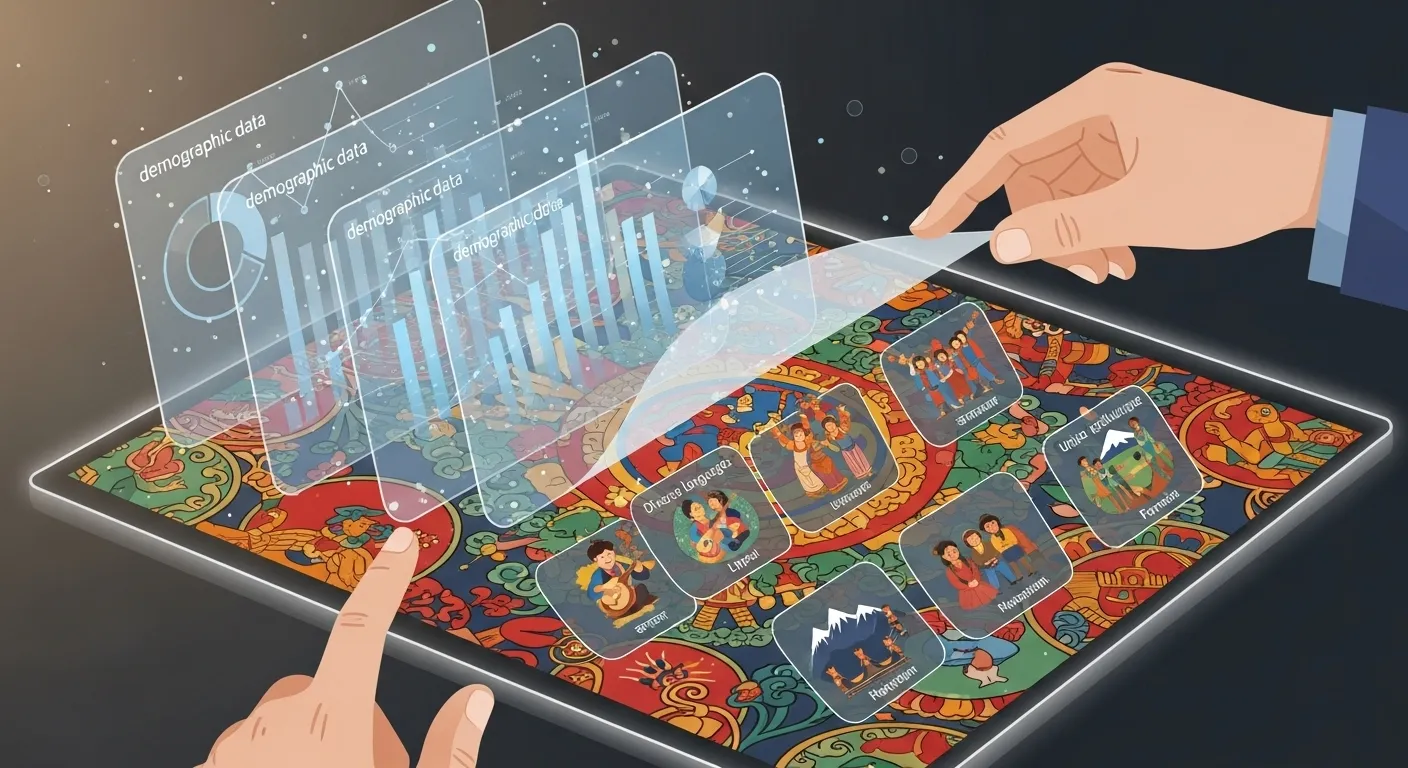
In the vibrant and diverse digital landscape of Nepal, simply knowing your audience’s age and gender isn’t enough. To truly connect, engage, and convert, businesses need to delve deeper into the unique cultural, linguistic, and behavioral nuances that define the Nepali audience. This is the essence of mastering Nepali audience targeting. For a deeper dive into the Nepali consumer’s mind, see our post on the psychology of Nepali buyers.
As a digital marketing expert in Nepal, I’ve seen how a nuanced understanding of the local context can transform campaigns from generic to highly impactful. This post will guide you through the critical elements of targeting the Nepali audience, moving beyond basic demographics to build deeper connections.
Why Generic Targeting Fails in Nepal
Nepal is a mosaic of diverse ethnic groups, languages, traditions, and socio-economic realities. A marketing message that resonates in the Terai might fall flat in the Himalayas, and what appeals to an urban youth might not connect with a rural elder. Generic targeting leads to:

- Irrelevance: Messages that don’t speak to the specific needs or values of a segment.
- Low Engagement: Audiences ignore content that doesn’t feel like it’s for them.
- Wasted Ad Spend: Paying for impressions and clicks from people unlikely to convert.
- Brand Disconnect: Your brand appears out of touch or insensitive to local customs.
graph TD
  A[Generic Targeting] --> B{Fails in Nepal};
  B --> C[Irrelevance];
  B --> D[Low Engagement];
  B --> E[Wasted Ad Spend];
  B --> F[Brand Disconnect];
Figure 1: Consequences of Generic Targeting in Nepal
Key Elements of Mastering Nepali Audience Targeting
1. Beyond Demographics: Understanding Psychographics
While demographics (age, gender, location, income) provide a basic framework, psychographics reveal the “why” behind consumer choices.
- Values & Beliefs: What are the core values that drive decisions? (e.g., family, community, tradition, modernity, spirituality, sustainability).
- Lifestyles: Are they urban professionals, students, farmers, homemakers, or migrant workers? Their daily lives influence their online habits and purchasing power.
- Interests & Hobbies: What are their passions? (e.g., Nepali music, trekking, local cuisine, Bollywood, social causes, technology).
- Aspirations: What are their hopes and dreams? How can your product/service help them achieve those?
How to Gather: Surveys, focus groups, social media listening, analyzing content consumption, ethnographic research.
2. Language Diversity and Communication Style
Nepal has over 120 languages. While Nepali is the official language and English is widely understood, especially in urban areas, language choice and communication style are critical.
- Multilingual Content: Consider offering content and ads in Nepali (or Romanized Nepali) for broader reach and deeper connection. Test both English and Nepali versions.
- Formal vs. Informal: Understand the appropriate tone for your target segment. Some audiences prefer a more formal approach, while others respond to a casual, friendly tone.
- Direct vs. Indirect Communication: Nepali communication can often be more indirect. Tailor your calls-to-action and messaging accordingly.
- Visual Language: Ensure your visuals complement your linguistic choices and are culturally appropriate.
3. Geographic Nuances and Local Context
Nepal’s diverse geography means that regional differences are significant.
- Urban vs. Rural: Digital literacy, internet access, and product needs vary greatly between urban centers (Kathmandu, Pokhara) and rural areas.
- Regional Preferences: Food, clothing, and cultural practices can differ by region. Tailor product offerings and promotions accordingly.
- Local Events & Festivals: Align your marketing campaigns with local festivals and events (e.g., Dashain, Tihar, Chhath, Lhosar) for maximum relevance and impact. For more on this, see our post on cultural factors influencing conversions.
4. Device Usage and Internet Accessibility
- Mobile-First: The vast majority of internet users in Nepal access the web via mobile phones. Your digital assets (websites, ads, emails) must be fully optimized for mobile.
- Data Costs & Speed: Consider that many users might be on limited data plans or slower connections. Optimize content for fast loading.
5. Trust and Social Proof
Building trust is paramount in the Nepali market, where personal recommendations and community validation hold significant weight.
- Local Testimonials: Feature reviews and testimonials from actual Nepali customers.
- Community Engagement: Actively participate in local online communities and groups.
- Influencer Marketing: Collaborate with local micro-influencers who have genuine connections with your target audience.
- Transparency: Be clear about pricing, delivery, and return policies.
mindmap
  root((Mastering Nepali Audience Targeting))
    1. Beyond Demographics
      Values & Beliefs
      Lifestyles
      Interests & Hobbies
      Aspirations
    2. Language Diversity
      Multilingual Content
      Formal vs. Informal Tone
      Direct vs. Indirect
      Visual Language
    3. Geographic Nuances
      Urban vs. Rural
      Regional Preferences
      Local Events & Festivals
    4. Device Usage
      Mobile-First
      Data Costs & Speed
    5. Trust & Social Proof
      Local Testimonials
      Community Engagement
      Influencer Marketing
      Transparency
Figure 2: Key Elements for Effective Nepali Audience Targeting
Implementing Advanced Nepali Audience Targeting
- Facebook Audience Insights: Use this tool to explore demographics, interests, and behaviors of people connected to your page or custom audiences.
- Google Analytics (GA4): Segment your website visitors by location, device, and behavior to understand their preferences.
- Custom Audiences & Lookalikes: Leverage your existing customer data to create custom audiences for retargeting and lookalike audiences to find new, similar prospects.
- A/B Testing: Continuously test different messaging, visuals, and offers on various audience segments to see what resonates best.
Final Thoughts
Mastering Nepali audience targeting is about more than just ticking boxes; it’s about building genuine connections. By delving into the cultural marketing nuances, understanding language diversity, and analyzing the unique consumer behavior of different segments, your business can create highly relevant and impactful digital marketing in Nepal campaigns that drive engagement, conversions, and sustainable growth.
Related Posts and Resources
- Digital Marketing in Nepal (Complete Guide)
- Google Ads in Nepal: Practical Strategy
- SEO Analytics for Nepali Businesses
- eCommerce Analytics Setup in Nepal
- eCommerce Metrics That Matter
- Email Marketing Guide for Nepal
- Email Marketing ROI in Nepal
- Facebook Ads Budget Guide (Nepal)
- Cultural PPC Strategy for Nepal
- Competitor Analysis Framework for Nepal