Indian Pharma Digital Marketing: Research & Trends Report
Industry Overview

The Indian pharmaceutical industry, historically recognized globally as the “Pharmacy of the World,” is currently navigating a profound structural and strategic inflection point. For decades, the sector’s overarching strategy was defined by a volume-driven approach, primarily functioning as a generic manufacturing hub that exported container-loads of basic formulations to the United States and Europe. However, the era of simple, scale-based growth is concluding. In its place, a highly sophisticated, capital-intensive, and technology-driven ecosystem is rapidly emerging. The contemporary landscape is characterized by a strategic pivot toward complex biosimilars, advanced Contract Development and Manufacturing Organizations (CDMO), next-generation therapeutic modalities, and highly integrated domestic healthcare delivery systems.
This transformation is supported by a robust infrastructure comprising over 10,500 manufacturing units and approximately 3,000 distinct pharmaceutical enterprises operating across the subcontinent. As a critical pillar of the national economy, the sector ranks among the top five in manufacturing Gross Value Added (GVA), attracts roughly 4% of foreign direct investment, and sustains nearly 2.7 million livelihoods. The evolution of this industry is not merely a corporate endeavor but is intimately tied to India’s macroeconomic trajectory. As the national Gross Domestic Product (GDP) targets an unprecedented escalation from $3.6 trillion to a projected $30 to $35 trillion by 2047, the pharmaceutical sector’s performance remains absolutely critical to realizing this vision.
Current Market Size, Growth, and Trends
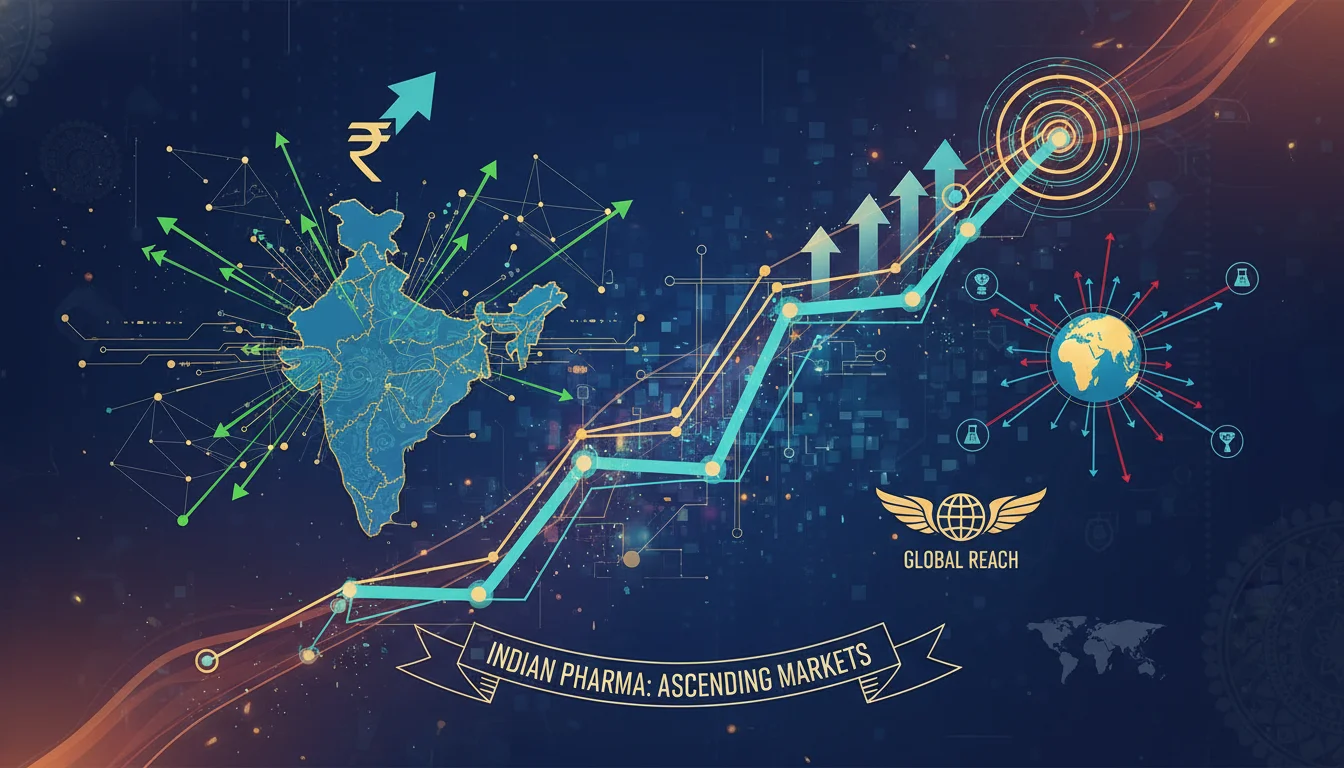
Macroeconomic indicators project the domestic Indian pharmaceutical market to expand at a robust Compound Annual Growth Rate (CAGR) of 11.62% between 2025 and 2030. Consequently, the domestic market size is anticipated to escalate from a baseline of $53.29 billion in 2025 to over $92.32 billion by the end of the decade. Extended long-term projections aligned with the government’s “Viksit Bharat” vision anticipate the sector reaching an astonishing $450 billion valuation by 2047. This growth trajectory is deeply intertwined with India’s unique structural advantage regarding export parity. The export market currently matches the domestic market in absolute volume, generating approximately $27 billion in generic drug exports in the 2024 fiscal year. Forward-looking models suggest export valuations will reach between $120 billion and $130 billion by 2030, thereby expanding India’s share of the global pharmaceutical market from its current 3% to nearly 5%.
Simultaneously, the therapeutic composition of the domestic market is undergoing a significant demographic shift. While acute therapies maintain the majority market share at 61%, chronic therapies currently command 39% of the market and are accelerating rapidly. Within the first half of 2025, chronic segments—particularly Cardiac and Neurological therapies—demonstrated robust double-digit growth. The launch of novel therapies, such as GLP-1 receptor agonists, has further bolstered the share of chronic therapeutic areas and slightly elevated the market share of multinational corporations (MNCs) operating within India.
Consolidation and strategic realignment are accelerating at an unprecedented velocity. In the third quarter of 2025 alone, the Indian pharmaceutical sector recorded mergers and acquisitions worth $3.5 billion, signaling a resurgence in strategic deal-making following a subdued 2024. Crucially, the strategic intent behind these acquisitions has shifted. Entities are no longer merely acquiring revenue or scale; they are aggressively acquiring technological capabilities, manufacturing intellectual property, and establishing regional footholds, with Latin American markets such as Brazil and Mexico emerging as primary targets for geographic expansion. Private Equity (PE) and Venture Capital are playing an increasingly dominant role, particularly within the biotechnology sub-sector, which is valued at $130 billion in 2024 and projected to reach $300 billion by 2030, supported by an ecosystem of over 6,000 active biotech start-ups.
Economic & Market Indicators
Domestic Market Valuation: $53.29 Billion (2024-2025 Baseline), $92.32 Billion / $450 Billion (2030-2047 Projections)
Global Export Valuation: $27 Billion (2024-2025 Baseline), $120–$130 Billion (2030-2047 Projections)
Growth Trajectory: 11.62% CAGR (2025–2030) (2024-2025 Baseline), Sustained double-digit expansion (2030-2047 Projections)
M&A Velocity: $3.5 Billion (Q3 2025) (2024-2025 Baseline), Continued consolidation via PE and VC (2030-2047 Projections)
Therapeutic Dominance: Acute (61%), Chronic (39%) (2024-2025 Baseline), Cardiac & Neuro leading with double-digit growth (2030-2047 Projections)
Key Challenges Faced by Businesses in this Industry
The transition toward a value-driven pharmaceutical economy is accompanied by severe regulatory, operational, and structural friction. The most profound operational challenge currently facing the industry is the rigorous enforcement of the Uniform Code for Pharmaceutical Marketing Practices (UCPMP) 2024.
The UCPMP 2024 guidelines enforce absolute transparency and fundamentally alter how pharmaceutical companies interact with Healthcare Professionals (HCPs). The code explicitly prohibits hidden incentives, lavish hospitality, undocumented brand reminders, and the unstructured distribution of free samples. Every interaction, sponsorship, or piece of distributed content must now be documented, justified, and devoid of exaggerated claims. Furthermore, the guidelines mandate that all promotional claims be backed by up-to-date, verifiable scientific evidence, and comparisons between drugs must be factual, fair, and capable of immediate substantiation. The financial and administrative burden of this compliance is immense. Companies are required to report exact expenditures related to free samples, Continuing Medical Education (CME), and conferences via the Department of Pharmaceuticals portal, exposing organizations to independent risk-based audits and complex valuation dilemmas regarding tax deductions for brand reminders under the Income Tax Act.
Consequently, traditional, relationship-based pharmaceutical marketing is being rendered structurally obsolete. The bottleneck for modern pharmaceutical enterprises is no longer just content creation, but rather the speed and compliance of content delivery. Marketing teams are frequently trapped in extensive Medical, Legal, and Regulatory (MLR) review cycles, where unintegrated systems cause campaign approvals to take weeks. By the time a compliant campaign goes live, the market opportunity has often vanished. Furthermore, while multinational corporations possess the capital to deploy advanced compliance architectures, domestic small and medium-sized enterprises (SMEs) face severe resource constraints. These SMEs struggle to allocate sufficient capital toward the digital infrastructure necessary to compete, highlighting a significant digital maturity gap within the sector.
Digital Landscape in India (Contextual to the Industry)
Internet & Social Media Usage Relevant to the Industry
India’s digital infrastructure has expanded exponentially, bridging the historical urban-rural divide and facilitating unprecedented access to healthcare information. By 2025, the proliferation of affordable smartphones and pervasive broadband connectivity in Tier 2 and Tier 3 municipalities has created a deeply connected populace. The Indian consumer landscape is evolving rapidly, driven by a blend of traditional values and modern digital enablement.
For the pharmaceutical industry, this digital ubiquity mandates a transition toward “phygital” engagement—strategies that seamlessly blend physical medical interactions with robust digital follow-ups. However, the digital maturity of engagement strategies varies drastically across the corporate spectrum. Top-tier organizations and multinational corporations operate with global digital playbooks, leveraging predictive analytics, Artificial Intelligence (AI) driven personalization, and comprehensive omnichannel campaigns. Conversely, mid-tier and domestic firms rely more heavily on foundational digital tools, such as messaging platforms, social media boosting, and basic Customer Relationship Management (CRM) software, adapting these technologies for regional language customization and scaled outreach.
Popular Platforms Among the Target Audience
Platform preference is deeply bifurcated between the general patient population and the specialized community of Healthcare Professionals (HCPs).
For patient engagement and direct-to-consumer (DTC) awareness, WhatsApp is the undisputed cornerstone of the Indian digital ecosystem, boasting over 480 million active users. In the healthcare context, WhatsApp has evolved far beyond casual messaging; it serves as a high-trust, low-friction digital interface where decisions are influenced, medical adherence is driven, and patient education is disseminated. Social media platforms such as YouTube and Meta (Facebook and Instagram) are critical for broad disease awareness campaigns, particularly when deploying short-form video content to target younger demographics or when breaking cultural taboos in rural markets.
Conversely, Healthcare Professionals exhibit distinctly different platform utilization.
Despite the rising prominence of specialized networking platforms like LinkedIn and Doximity, email remains the most trusted, foundational, and widely utilized channel for clinical updates and professional pharmaceutical communication. The architecture of this email consumption, however, is highly specific. An overwhelming 84% of clinical emails are read on mobile devices rather than desktop interfaces. Furthermore, HCPs demonstrate a high propensity for adopting dedicated medical knowledge portals and specialized applications. Platforms such as CiplaMed, an industry-leading digital knowledge repository offering eCMEs, clinical guidelines, and podcasts, have successfully aggregated over 100,000 healthcare professionals by providing peer-reviewed, high-value clinical utility rather than promotional material.
Consumer Online Behavior Related to Healthcare
The Indian healthcare consumer is progressively shifting from a paradigm of reactive illness treatment to one of proactive, tech-enabled wellness. By 2025, 53% of Indian consumers reported actively engaging in behaviors to monitor their health metrics, manage their diets, and improve their wellness. This intentionality is heavily augmented by consumer hardware; 56% of users have already integrated wearable health devices into their daily routines, and an additional 40% express the intent to purchase wearables to support health monitoring in the coming year.
Search engine behavior reveals acute health anxieties and a massive appetite for digital self-education. Throughout 2024 and 2025, the most dominant health-related queries in India revolved around distinguishing the overlapping symptomatic profiles of respiratory viruses, specifically differentiating between the Flu, COVID-19, and Dengue fever. Chronic condition management also dominated aggregate search volumes. Consumers generated millions of queries focused on blood pressure reduction methodologies, cholesterol management, understanding “normal sugar levels,” and strategies to lower A1C for diabetes control. Furthermore, nutritional awareness is driving distinct search patterns; queries for “Vitamin B12” and B12-rich dietary options recorded 2.7 million searches, representing a 54% year-over-year increase.
A critical behavioral shift defining the 2025 landscape is the demand for absolute transparency. Approximately 64% of Indian consumers prioritize detailed product information, accurate performance claims, and clarity regarding medicinal origins when selecting health and wellness products. This demand for transparency extends into the economic evaluation of therapeutics, evidenced by the high volume of inquiries regarding the efficacy and safety of generic medicines versus their expensive branded counterparts, reflecting a highly value-conscious consumer base seeking to alleviate the financial burden of chronic prescriptions. Finally, linguistic diversity fundamentally shapes online behavior. With India’s immense linguistic plurality, millions of searches regarding symptoms, treatments, and local clinic availability are conducted in regional languages such as Hindi, Tamil, Telugu, and Bengali, necessitating multilingual digital marketing architectures.
Digital Marketing Opportunities
The stringent regulatory environment imposed by the UCPMP 2024, combined with the digital maturation of both patients and HCPs, forces a necessary transition. Pharmaceutical marketing can no longer rely on volume-based, promotional “push” tactics; it must evolve into a value-driven, educational, and structurally compliant engagement model. Digital marketing provides the precise architectural solutions required to navigate this transition effectively.
Solving Key Challenges Through Digital Architecture
The profound challenge of regulatory compliance can be systematically resolved by embedding compliance mechanisms directly into the digital marketing workflow. Treating Medical, Legal, and Regulatory (MLR) compliance as a manual, reactive process at the end of content creation leads to systemic failure and campaign paralysis. The strategic opportunity lies in deploying modular content systems—centralized, cloud-based repositories of pre-approved, digitally tagged content blocks. By utilizing metadata, digital audit trails, and automated compliance engines, pharmaceutical companies can ensure that every digital asset distributed by a medical representative is instantly verifiable and strictly UCPMP-compliant, thereby reducing approval bottlenecks from several weeks to mere days.
Furthermore, digital architecture solves the crisis of data fragmentation. In legacy pharmaceutical organizations, Customer Relationship Management (CRM) logs, Content Management Systems (CMS), and field force analytics operate in isolated silos, resulting in duplicate records, conflicting engagement metrics, and a complete inability to calculate true Return on Investment (ROI). Establishing a Unified Customer View (UCV) via robust API middleware connects these disparate layers. This integration allows marketing leaders to trace the exact, continuous journey of a physician—from downloading a clinical trial PDF, to attending a digital webinar, to receiving a localized WhatsApp update—enabling precise attribution and eliminating redundant, spam-like outreach.
Best Strategies for Pharmaceutical Companies in India
-
Search Engine Optimization (SEO) and Organic Content Marketing
With consumers instinctively turning to search engines for symptom analysis and disease comprehension, SEO serves as the foundational pillar of digital patient engagement. Strategic content marketing must focus on comprehensive, highly authoritative disease education rather than immediate product promotion. Creating meticulously researched, medically reviewed topic clusters around chronic illnesses (for example, “The Complete Guide to Managing Hypertension in India” or “Understanding Thyroid Diagnostics”) establishes profound brand trust, captures high-intent organic traffic, and naturally aligns with the educational mandates of the UCPMP.
-
Omnichannel HCP Engagement & Advanced eDetailing
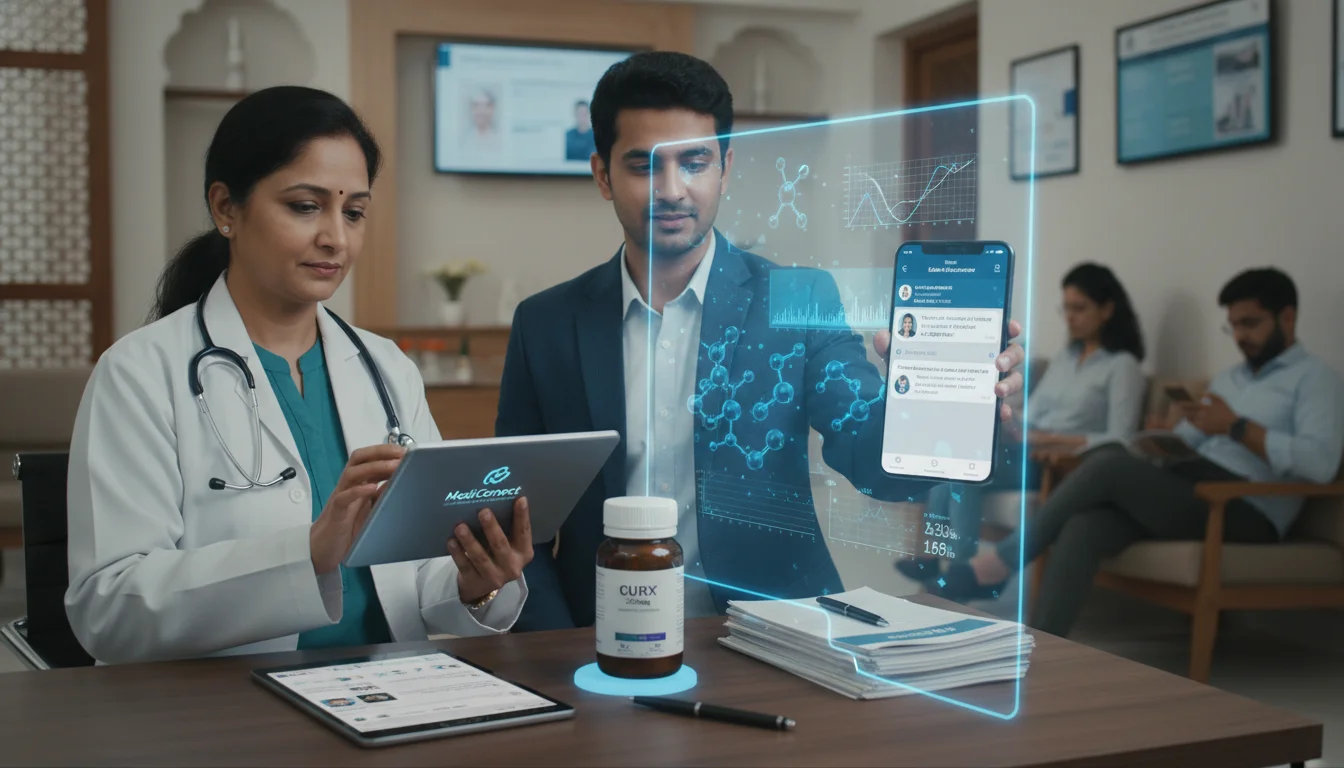
The modern medical representative must be empowered with interconnected digital tools to facilitate sophisticated phygital engagement. Relying on static, generic PDFs is no longer sufficient. Utilizing Closed Loop Marketing tools and Progressive Web Apps (PWAs), representatives can present interactive eDetailing presentations on tablets during clinic visits. Crucially, these systems log engagement duration per slide and can immediately trigger compliant, personalized follow-up literature—such as relevant clinical trial data—via institutional email or WhatsApp based on the physician’s specific inquiries during the consultation.
-
WhatsApp Marketing Automation and Workflows
In the Indian context, WhatsApp is not merely a social platform; it is a critical business infrastructure. Platforms built on the official WhatsApp Business API (such as WATI, AiSensy, and Gallabox) offer unprecedented engagement metrics, regularly achieving 98% open rates and 45-60% click-through rates. For pharmaceutical marketers, WhatsApp facilitates automated, secure patient adherence programs, dosage reminders, and encrypted communication loops with HCPs. When integrated properly, WhatsApp workflows drive engagement rates that are 5 to 6 times higher than traditional broadcast emails.
-
Artificial Intelligence (AI) Chatbots and Cognitive Relief
The deployment of AI chatbots has transitioned from experimental pilots to practical execution. Pharmaceutical companies are actively deploying sophisticated bots designed to provide “cognitive relief” to time-poor HCPs. These tools reduce friction in information access, allowing physicians to instantly query complex drug interactions, verify dosages, and access safety profiles in real-time, thereby improving clinical efficiency and brand reliance.
-
Purpose-Driven Influencer and KOL Marketing
Pharmaceutical influencer marketing diverges sharply from consumer goods; it relies strictly on credentialed medical professionals and Key Opinion Leaders (KOLs). Partnering with respected KOLs to conduct virtual Continuing Medical Education (CME) modules, expert panel webinars, or localized YouTube awareness campaigns ensures that complex medical information is disseminated with high credibility while remaining rigorously compliant with UCPMP standards regarding scientific accuracy.
Local and Global Case Studies
-
Abbott India – The Thyroid Awareness Loop:
To combat severely underdiagnosed thyroid conditions in India, Abbott partnered with the Indian Thyroid Society to deploy a comprehensive omnichannel campaign. They integrated digital screening tools, physical mobile clinics, and widespread medical education programs. By screening over two million individuals and feeding this diagnostic data into systems accessible to local doctors, Abbott prioritized the delivery of actionable clinical data over aggressive product pushing. This collaborative, data-driven approach resulted in massive, sustained increases in screenings, diagnoses, and subsequent treatments.
-
Novartis – Gilenya Patient Ecosystem:
Operating in a highly crowded market for Multiple Sclerosis (MS) treatments, Novartis bypassed traditional, doctor-centric marketing by creating a bold, direct-to-patient digital community specifically for women managing the disease. By integrating symptom tracking tools, peer story sharing, and physician dashboards, the campaign generated real-time behavior loops.
This digital ecosystem elevated brand awareness among the target demographic to 76%, and drove sustained prescribing rates as physicians observed their patients becoming highly informed, proactive participants in their own care.
- Eli Lilly – Cialis and Frictionless Sampling: Facing intense competition and physician skepticism regarding the prolonged pharmacokinetic half-life of Cialis, Eli Lilly launched an innovative, digitally-supported initiative termed “The Cialis Promise.” Through a targeted HCP engagement platform, they empowered doctors to offer free patient samples backed by a satisfaction guarantee. By shifting the experience into the hands of the physician and the patient, the campaign systematically dismantled friction and built immense confidence, rapidly capturing up to 40% market share in critical territories.
- DG7 SEO Campaign for an Indian Pharma Giant: An established pharmaceutical entity suffering from a disproportionate dependency on expensive Pay-Per-Click (PPC) advertising required a sustainable inbound lead pipeline. By restructuring their entire SEO architecture to target highly specific niche audiences—including clinical laboratories, biotech startups, and specialized scientists—the company achieved a 117% increase in organic search traffic, drastically reducing their reliance on paid media while simultaneously improving lead quality.
Competitive Analysis
An analysis of the top pharmaceutical companies operating in India—such as Sun Pharma, Cipla, Dr. Reddy’s Laboratories, and Mankind Pharma—reveals distinct strategic posturing, varying degrees of digital maturity, and profound insights into the competitive dynamics of the sector.
Current Digital Presence of Top Businesses in India
Sun Pharmaceutical Industries As India’s largest pharmaceutical entity by market capitalization (valued at approximately 3.79 lakh crore INR) and revenue (over ₹60,000 crore), Sun Pharma’s digital presence is massive, anchored heavily in corporate reputation, global trust, and Environmental, Social, and Governance (ESG) leadership. Their digital strategy emphasizes cutting-edge R&D, specialty generics, and advanced drug delivery systems. While their corporate footprint is formidable, their direct patient engagement often defaults to broad, high-visibility public health initiatives, such as the “Swasth India” awareness campaign, rather than highly granular, localized digital product ecosystems.
Cipla Cipla demonstrates exceptional digital maturity, leveraging its historic heritage as a pioneer in access to medicines to build highly engaging digital platforms, particularly within its stronghold of respiratory care. Cipla successfully launched “CipAir,” an innovative mobile application designed to facilitate initial asthma screening directly via smartphone, addressing the massive underdiagnosis of respiratory conditions in India. For the professional audience, Cipla operates “CiplaMed,” an industry-leading digital knowledge platform that offers eCMEs, interactive guideline infographics, and expert podcasts across 19 medical specialties. This platform has successfully aggregated a community of over 100,000 healthcare professionals by providing immense clinical utility. Furthermore, their “Inhalers Hain Sahi” social media campaign remains a benchmark in Indian healthcare marketing for successfully breaking the pervasive stigma surrounding asthma inhaler usage.
Dr. Reddy’s Laboratories Dr. Reddy’s operates with a highly aggressive, forward-looking global portfolio strategy. This is visibly evident in their digital communications and press strategies regarding the launch of generic weight-loss drugs (specifically, generic Wegovy/semaglutide) across 87 emerging markets, including India, Brazil, and Turkey. Their digital narrative is heavily focused on product pipelines, complex market positioning against global rivals like Novo Nordisk and Eli Lilly, and addressing the global epidemic of obesity and diabetes through affordable generics.
Mankind Pharma Mankind Pharma presents a fascinating divergence from traditional MNC strategies. They have masterfully executed a digital and physical marketing strategy tailored almost exclusively for Tier 2 cities, Tier 3 municipalities, and rural Indian markets. Recognizing the intense saturation and competition within urban centers, Mankind leveraged extremely affordable pricing and highly localized marketing to penetrate these underserved geographies. Their consumer-facing campaigns—most notably for the Manforce condom brand—utilized high-profile ambassadors like Sunny Leone and targeted regional media to successfully break deep-seated cultural taboos regarding sexual health. This bold approach allowed them to capture a massive 28% share of the rural condom market, demonstrating the profound efficacy of localized, culturally resonant marketing.
What They Are Doing Well
The top-tier entities excel in distinct domains. Cipla’s creation of the CiplaMed portal brilliantly circumvents traditional promotional restrictions by providing genuine, peer-reviewed utility to HCPs, thereby building enduring brand loyalty. Mankind Pharma’s hyper-focus on Tier 2 and Tier 3 demographics demonstrates a profound understanding of Indian socio-economics, utilizing affordable product lines and vernacular messaging to capture market share where larger MNCs struggle with distribution and cultural resonance. Meanwhile, entities like Sun Pharma and Dr. Reddy’s effectively utilize their digital presence to project global R&D dominance and reassure international investors of their scale and compliance capabilities.
Gaps and Opportunities to Outperform Them
Despite the massive scale of these organizations, several critical vulnerabilities present distinct opportunities for agile, mid-sized competitors to capture market share:
- Linguistic Deficits in Technical Content: While companies like Mankind excel at regional advertising for over-the-counter products, the deep clinical content and sophisticated HCP portals offered by top-tier firms are almost exclusively presented in English. There is a profound gap in delivering highly technical, clinical simplifications in Hindi, Tamil, Telugu, and Bengali. Competitors who localize complex medical literature for regional practitioners can rapidly capture the loyalty of non-metropolitan HCPs.
- Fragmented Tech Stacks and Data Silos: Many legacy pharmaceutical companies, despite their wealth, suffer from “tech stack failure.” Their CRM systems, content engines, and field force analytics operate in isolated silos, leading to duplicate records, inaccurate engagement metrics, and sluggish campaign execution. Agile competitors who architect a Unified Customer View (UCV) from inception can outmaneuver larger firms through highly precise, data-driven, and perfectly timed campaign execution.
- Speed to Market and MLR Paralysis: The severe regulatory burden of UCPMP 2024 slows down large, highly bureaucratic organizations. Mid-sized firms that aggressively adopt AI-driven compliance engines and modular content creation workflows can achieve MLR approvals in days rather than weeks, allowing them to launch compliant digital campaigns significantly faster than legacy giants.
Recommended Strategy for Pharmaceutical Companies in India
To effectively capture market share in this heavily regulated and highly competitive environment, pharmaceutical companies must deploy a highly segmented, omnichannel strategy that prioritizes educational utility, rapid digital execution, and absolute regulatory compliance.
Target Audience Personas
Persona 1: The Urban Chronic Patient
- Demographics: 35-65 years old, residing in Tier 1 metropolitan areas (e.g., Mumbai, Delhi, Bengaluru), managing chronic conditions such as diabetes, hypertension, or cardiovascular disease.
- Preferences: Exhibits high digital literacy. Actively uses wearable technology (smartwatches, fitness bands) for biometric tracking. Conducts extensive, high-intent Google research on symptoms and condition management (e.g., “how to lower A1C fast,” “normal blood pressure chart by age”).
- Needs: Demands absolute transparency regarding drug ingredients and pricing. Requires clear, scientifically backed explanations comparing the efficacy of generic versus branded medications. Seeks seamless integration with telehealth platforms and digital prescription fulfillment.
Persona 2: The Tier 2 & 3 Value Seeker
- Demographics: 25-55 years old, residing in regional municipalities, Tier 3 cities, and rural peripheries.
- Preferences: High reliance on mobile internet rather than desktop access. Heavy consumption of localized content via WhatsApp and regional language YouTube channels.
- Needs: Prioritizes affordability. Requires accessible health education delivered in vernacular languages to demystify complex medical conditions and break deep-seated cultural taboos regarding preventive medicine and chronic care.
Persona 3: The Time-Poor Healthcare Professional (HCP)
- Demographics: Physicians, specialists, and clinic operators functioning in high-volume, high-stress patient environments across both urban and semi-urban settings.
- Preferences: Consumes clinical updates predominantly via mobile email between patient appointments. Highly resistant to irrelevant, promotional detailing. Receptive to interacting with AI chatbots for rapid cognitive relief regarding drug data.
- Needs: Requires concise, strictly evidence-backed data. Demands frictionless access to clinical trial summaries, patient assistance programs, and Continuing Medical Education (CME) modules with minimal administrative overhead.
Recommended Channels and Campaign Types
- Precision Email & Closed-Loop eDetailing (HCP Focus): Transition field forces away from static literature toward tablet-based Progressive Web Apps (PWAs).
These platforms facilitate interactive eDetailing during clinical visits, log engagement duration, and instantly trigger compliant, personalized follow-up literature via institutional email or WhatsApp, directly addressing the HCP’s specific inquiries.
WhatsApp Business API Ecosystems (Dual Focus)
For patients, deploy WhatsApp automation to deliver opt-in medication adherence reminders, localized diet charts for diabetic management, and encrypted post-prescription support. For HCPs, provide a secure, automated channel integrated with the CRM, allowing reps to trigger pre-approved trial updates or sample order forms immediately post-visit.
Regional Short-Form Video Marketing
Capitalize on the explosive consumption of short-form video content by launching symptom-awareness campaigns on YouTube Shorts and Meta platforms. Crucially, this content must be localized into primary regional languages (Hindi, Tamil, Telugu) to effectively capture the rapidly expanding Tier 2 and Tier 3 broadband audience, educating them on the necessity of early diagnosis.
Content Ideas Specific to Pharmaceutical Companies in India
- “Generic vs. Branded” Educational Series: Create highly transparent, FDA and CDSCO-backed digital content explaining the science of bioequivalence. Directly address the core consumer anxiety by explaining how generic medications provide the “same quality at 70% less price,” detailing how the lack of R&D and marketing overhead in generics results in massive cost savings without compromising therapeutic efficacy.
- Interactive Symptom Maps and Digital Triage: Develop digital web assets where users can interact with detailed body maps to understand the physical manifestations of chronic diseases (similar to the highly successful Eli Lilly Cymbalta campaign). This empowers patients to self-identify risk factors and drives them to consult a physician for professional diagnosis.
- Disease Awareness Days Integration: Strategically align content calendars with global and national health awareness days (e.g., World Diabetes Day, World Hypertension Day, World Asthma Day). Utilize these peak public interest periods to launch unbranded, highly educational microsites that foster patient communities and disseminate critical prevention data.
Budget-Friendly Digital Marketing Approaches
For mid-sized and regional pharmaceutical companies, attempting to match the multi-million dollar advertising budgets of top-tier MNCs is financially unfeasible. Budget-friendly approaches must focus on establishing high-ROI, owned digital assets and automating workflows:
- Mid-Tier WhatsApp Software Providers: Avoid the prohibitive costs of custom enterprise application development by leveraging cost-effective WhatsApp Business Solution Providers (BSPs). Platforms such as WATI (starting at ₹2,499/month), AiSensy, or Gallabox provide robust, API-driven automated communication pipelines, chatbot builders, and CRM integrations at a fraction of the cost of legacy enterprise software.
- Progressive Web Apps (PWAs) over Native Apps: Instead of building and maintaining expensive native applications for iOS and Android, develop PWAs. These web-based applications require significantly lower development capital, consume minimal storage on user devices, and operate effectively on low-bandwidth, fluctuating networks prevalent in Tier 3 cities, making them ideal for both patient portals and rep eDetailing tools.
- Long-Tail SEO Focus: Shift marketing budgets away from highly competitive, prohibitively expensive generic Pay-Per-Click (PPC) keywords. Instead, invest in creating deep, organic content that targets highly specific, localized, long-tail search queries. This strategy builds long-term domain authority and generates a sustainable inbound pipeline without ongoing ad spend.
Keywords & SEO Opportunities
In an era increasingly dominated by Artificial Intelligence Overviews (SGE) and the proliferation of voice search, the architectural focus of pharmaceutical SEO must pivot sharply from broad, single-word “head terms” to highly specific, conversational, and regional long-tail keywords. Because medical queries are deeply tied to urgent user intent, capturing digital traffic at the precise moment of a patient’s health anxiety yields the highest conversion rates for patient support programs, diagnostic tools, and localized clinic referrals.
High-Intent Keywords for Ranking
High-intent keywords target users who are actively seeking immediate solutions, pricing transparency, or critical disease management protocols. These users have moved beyond passive curiosity and are at the decision-making stage of their healthcare journey.
| SEO Category | High-Intent Keyword Examples | Strategic Rationale |
|---|---|---|
| Symptom Identification & Triage | “Symptoms of COVID vs Flu 2025”, “Why am I so tired all the time”, “Early signs of Dengue fever” | Captures massive top-of-funnel traffic at the exact onset of illness. Channels users into diagnostic portals or telehealth consultations. |
| Chronic Disease Management | “How to lower A1C fast”, “Normal blood pressure by age chart”, “Diet plan for thyroid patients in India” | Captures sustained, recurring traffic for Cardiac and Anti-diabetic portfolios, which represent the fastest-growing market segments. |
| Pricing, Value & Efficacy | “Generic vs branded medicines same quality”, “Why are generic drugs 70% cheaper”, “Best affordable BP medicine brands” | Directly addresses the primary economic barrier to sustained medical adherence. Absolutely critical for firms manufacturing affordable generic portfolios. |
Long-Tail Keyword Opportunities (India-Specific)
India’s immense linguistic and geographic complexity demands a highly localized, long-tail SEO strategy. Furthermore, modern AI search engines utilize semantic analysis to extract direct answers to complex questions; structuring content to answer these questions directly dramatically increases the probability of ranking as a cited source in AI-generated summaries.
- Hyper-Niche Medical B2B Queries: Ranking for broad terms like “software” or “pharmaceuticals” is financially inefficient. Instead, optimize for hyper-specific B2B queries such as “EMR software for dermatologists in India,” “CDMO capabilities for complex biosimilars in Mumbai,” or “API manufacturers for cardiovascular drugs in Gujarat”.
- Regional Vernacular Translation & Multilingual LLMs: Translating high-volume health queries into regional languages is the most significant untapped SEO opportunity in the Indian market. Localizing comprehensive queries regarding thyroid symptoms, hypertension management, or diabetes diet plans into Hindi, Tamil, Telugu, and Bengali immediately unlocks the massive, less-competitive, high-growth Tier 2 and Tier 3 digital audience. Utilizing open multilingual Large Language Models (LLMs) like mT5 and IndicTrans2 can automate the simplification of complex clinical text into patient-friendly vernacular.
- Voice Search Optimization: As smartphone penetration deepens in rural areas, voice search is becoming the primary interface for many users. Voice search inherently utilizes natural, conversational phrasing rather than fragmented keywords. Content must be structured to provide direct, immediate answers to conversational questions such as: “Where can I find an open pharmacy near me for insulin?” or “What are the common side effects of high blood pressure medication?”.
Implementation Roadmap
Executing a comprehensive digital transformation while ensuring absolute alignment with the stringent UCPMP 2024 compliance mandates requires a meticulously phased deployment strategy. Pharmaceutical organizations must prioritize foundational architecture before scaling advanced omnichannel outreach.
Short-Term Quick Wins (1–3 Months)
- Digital Audit & MLR Tech Stack Integration: The immediate priority is conducting a rigorous audit of existing CRM, CMS, and marketing workflows. Transition away from chaotic, email-based compliance approvals to a centralized digital repository. Implement modular content systems where all promotional assets are pre-tagged with compliance metadata, ensuring immediate readiness for audits.
- Deploy Baseline WhatsApp Automation: Select a highly secure, budget-friendly WhatsApp Business Solution Provider (such as AiSensy or WATI). Launch automated customer support pipelines capable of handling basic, non-diagnostic FAQs regarding medication dosage instructions, storage guidelines, and localized medical representative availability.
- Launch SEO Content Clusters: Identify 5 to 10 high-intent chronic care topics central to the company’s therapeutic portfolio (e.g., Hypertension management, Vitamin B12 deficiency). Restructure existing, disparate web content into comprehensive, medically reviewed clusters targeting specific long-tail queries to immediately boost organic visibility.
- Equip Field Force with PWAs: Roll out lightweight, mobile-optimized Progressive Web Apps (PWAs) for the medical field force. Ensure that these eDetailing materials track engagement duration, slide views, and facilitate compliant, one-click follow-up emails to HCPs.
Long-Term Strategy (6–12 Months)
- Establish the Unified Customer View (UCV) Architecture: Implement sophisticated API middleware to seamlessly connect the CRM (e.g., Salesforce/Veeva), website analytics, content management systems, and email marketing platforms. This structural integration ensures marketing leaders possess a single, real-time, holistic dashboard of every HCP and patient interaction, permanently eliminating data silos and enabling accurate ROI attribution.
- Deploy AI Chatbots for Clinical HCP Support: Transition chatbot capabilities from handling basic patient FAQs to serving as advanced, highly secure clinical data retrieval systems for physicians.
These bots must provide instant, accurate access to complex drug interactions, pharmacokinetic profiles, and clinical trial summaries, offering true cognitive relief to time-poor practitioners.
- Scale Regional and Vernacular Content: Systematically roll out localized landing pages, interactive symptom checkers, and educational video content in primary regional languages (Hindi, Tamil, Telugu, Bengali). This aggressive localization strategy is essential to capture the rapidly expanding Tier 2 and Tier 3 market share.
- Develop Comprehensive Patient Ecosystems: Move beyond static, single-product websites to develop robust, interactive patient support portals (emulating the success of platforms like CiplaMed or the Novartis Gilenya community). Integrate connected symptom trackers, seamless telehealth linkages, and moderated peer-support communities to drive long-term therapeutic adherence and brand loyalty.
Conclusion
The Indian pharmaceutical sector is undergoing an irreversible metamorphosis. As the industry accelerates toward a projected valuation of $130 billion by 2030 and targets an ambitious $450 billion by 2047, success is fundamentally contingent upon a comprehensive transition to a digital-first commercial reality. This digital transformation is no longer a peripheral marketing option; it is an absolute operational necessity. The rigid, mandatory enforcement of the UCPMP 2024 guidelines has permanently dismantled the industry’s historical reliance on unstructured, incentive-heavy field marketing and opaque promotional tactics. Concurrently, the behavioral paradigm of the market has shifted entirely. Both patients and healthcare professionals now demand instantaneous, highly transparent, and rigorously evidence-backed medical information delivered seamlessly through mobile ecosystems, wearables, and conversational AI interfaces.
Digital marketing in the modern pharmaceutical space serves as the structural backbone for regulatory compliance, highly precise HCP education, and sustained patient adherence. The organizations that will dominate the market over the next decade are those that possess the foresight to integrate their technological architecture—eliminating data silos to establish a Unified Customer View—while delivering vital clinical content at exceptional speed across highly localized, vernacular, and personalized omnichannel networks.
Transforming Strategy into Execution
Executing a highly technical, compliance-driven digital marketing strategy in the complex South Asian medical landscape requires highly specialized expertise that bridges the critical gap between digital innovation and stringent regulatory reality. Establishing unified tech stacks, securing API middleware, and deploying multilingual SEO architectures are complex endeavors that demand seasoned technological partnership.
For pharmaceutical entities looking to navigate this complex transition and outpace their competitors, Gurkha Technology, a premier digital marketing and technology agency based in Nepal, provides the exact strategic and technical scaffolding required for profound success. Boasting deep, nuanced expertise in regional digital behavior and digital intelligence, Gurkha Technology specializes in comprehensive Search Engine Optimization (SEO) tailored for the linguistic diversity of the subcontinent, advanced UI/UX web development for sophisticated patient and HCP portals, and the deployment of robust, data-driven marketing campaigns. By leveraging their extensive proficiency in developing custom tech stacks, managing complex Web and E-commerce developments, and adhering strictly to compliance-friendly operational policies, Gurkha Technology can effectively orchestrate a pharmaceutical brand’s transition to a Unified Customer View. Partnering with Gurkha Technology ensures that pharmaceutical enterprises maximize their digital outreach, maintain absolute ethical and regulatory compliance, and secure a dominant, future-proof position in the rapidly expanding South Asian healthcare market.