The Future of Internet Governance in the Age of AI and Emerging Technologies
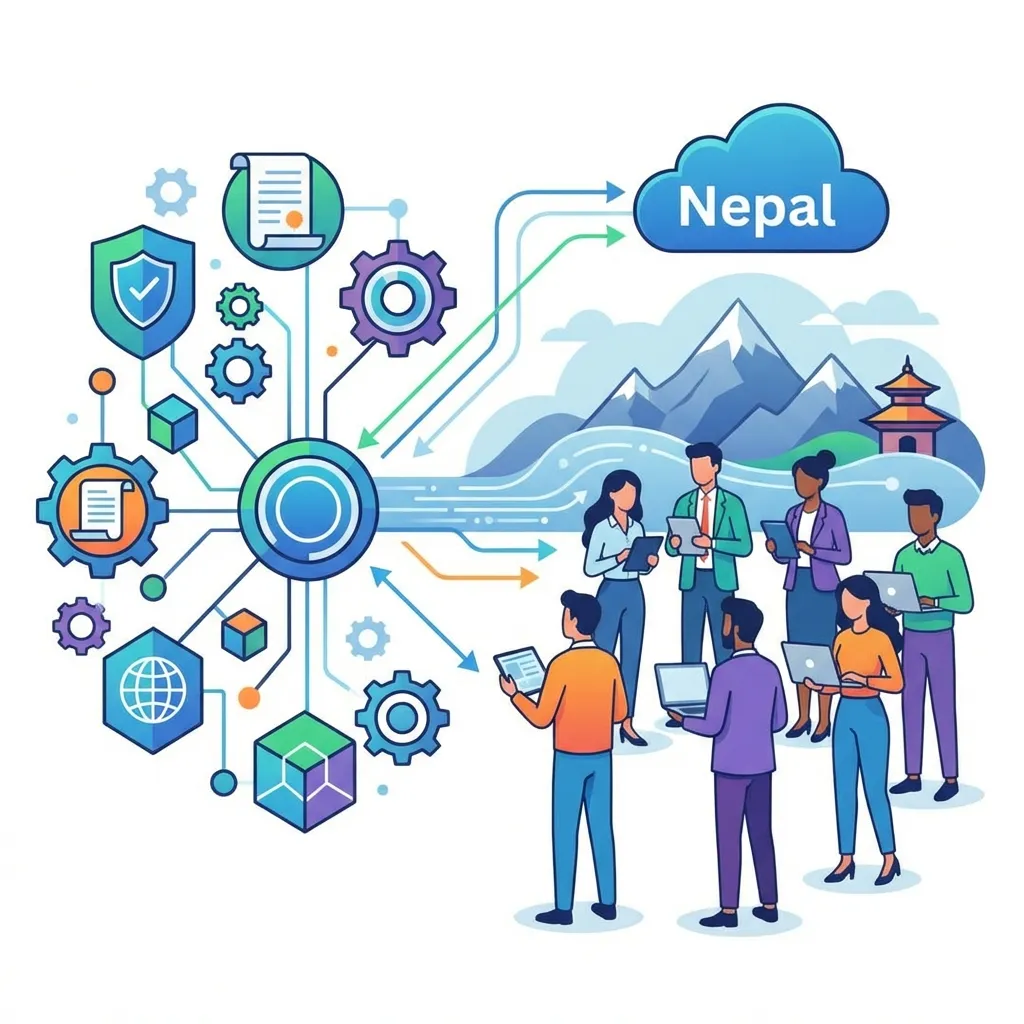
As we wrap up this series on Internet Governance, we have to look forward. The rules we have today were built for the Web 2.0 era—social media and smartphones.
But a tsunami is coming.
The New Challenger: Artificial Intelligence
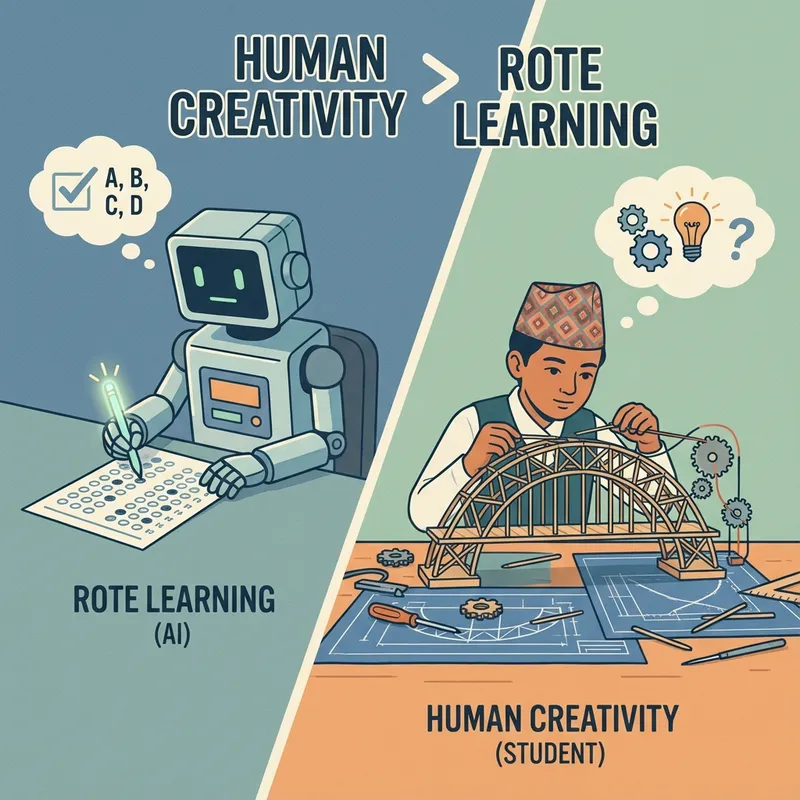
AI doesn’t just run on the internet; it changes the nature of the internet.
- Generative Spam: What happens to spam filters when AI can write perfect, personalized phishing emails at a scale of billions?
- Data Scraping: Does OpenAI have the right to scrape the entire Nepali internet to train its model? Who decides?
- Algorithmic Bias: If the internet is curated by AI, and the AI is biased, is the internet free?
Governance Challenge: The speed of AI development is 100x faster than the speed of policy making. We need “Agile Governance.”
The Fragmentation Risk
We are seeing a trend towards “Techno-Nationalism.” Countries want their own AI, their own Cloud, their own Internet. If we aren’t careful, the global internet will shatter into varying “Splinternets”—a Chinese internet, a US internet, an EU internet, and the rest of us stuck in between.
The Role of Nepal
In this era of giants fighting, small nations have a role. We can be the “Digital Switzerland.” We can advocate for protocols over platforms. We can push for Open Source AI that is accessible to all, not just rich nations.
Final Thoughts on the Series
Over the last 15 posts, we’ve traveled from the definition of IG to the future of AI. My goal wasn’t to make you an expert. It was to make you care. Because the internet is the most powerful tool humanity has ever built. Leaving its governance to “someone else” is a risk we cannot afford.
See you at the next Nepal IGF.