Best Enterprise Password Managers for Remote Teams 2026
Enterprise Credential Security and Password Management for Distributed Teams: 2026 Market Analysis
The Evolving Strategic Imperative of Credential Security in 2026
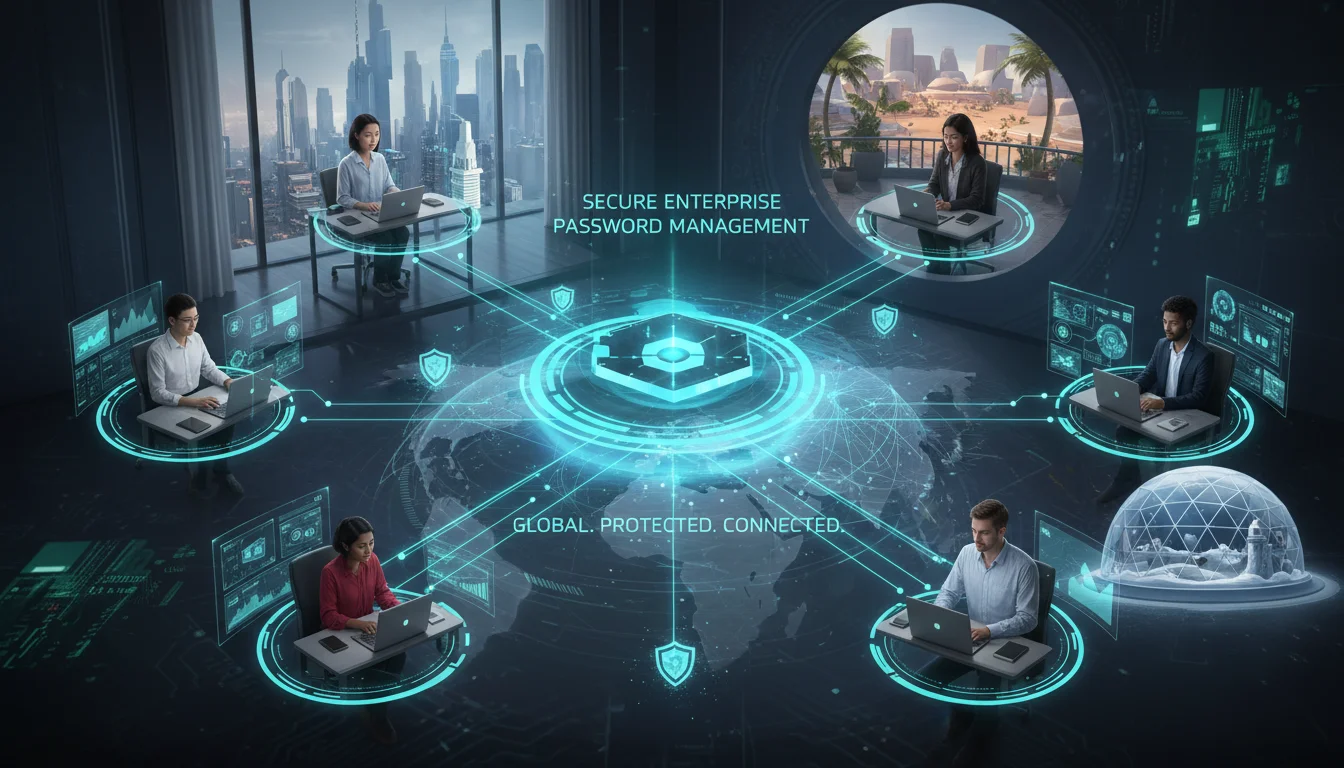
The transition of global enterprises toward highly distributed, asynchronous workforce models has fundamentally reorganized the perimeter of corporate cybersecurity. As remote operations solidify as standard practice in 2026, the traditional physical and network-based perimeters that once guarded corporate assets have been permanently superseded by identity and access endpoints. In this decentralized environment, every remote employee, contractor, and third-party collaborator represents a potential ingress point for malicious actors. Consequently, the macroeconomic implications of credential mismanagement have reached historic, unsustainable peaks for organizations lacking modernized infrastructure. Recent forensic data from IBM’s latest Annual Cost of a Data Breach report indicates that the average financial impact of a corporate data breach has escalated to a staggering $4.4 million per incident. This financial burden is crippling for large organizations and can be fatal for small to medium-sized businesses (SMBs). More critically, the 2025 Data Breach Investigations Report published by Verizon confirms that 81 percent of all hacking-related enterprise breaches remain directly attributable to weak, compromised, or stolen passwords.
Concurrently, the FBI Internet Crime Complaint Center (IC3) reported overall cybercrime losses exceeding $16.6 billion, representing a 33 percent year-over-year escalation largely driven by credential-based phishing, spoofing, and extortion attacks. Security experts emphasize that growing digital identity threats fuel the demand for secure credential management and password-management technologies. The modern enterprise can no longer rely on ad hoc password storage methods, such as spreadsheets, sticky notes, or localized browser password managers, which are highly vulnerable to localized malware and human error. Instead, organizations require automated, scalable password management solutions capable of handling the growing complexity and volume of digital credentials across an expanding digital footprint.
To mitigate these escalating threat vectors, enterprise password management (EPM) platforms have evolved significantly from isolated, encrypted digital vaults. In 2026, these platforms function as comprehensive, cloud-native Identity and Access Management (IAM) and Privileged Access Management (PAM) ecosystems. These advanced platforms natively integrate with foundational corporate infrastructure through Single Sign-On (SSO), System for Cross-domain Identity Management (SCIM) provisioning, and highly granular Role-Based Access Control (RBAC). For scaling organizations—particularly those managing hybrid teams distributed across geographically diverse regions such as the Asia-Pacific (APAC) and South Asia (e.g., Kathmandu, Nepal)—the selection of an enterprise password manager now demands a rigorous evaluation of zero-knowledge cryptographic architectures, regional data sovereignty compliance, network latency overhead, and localized channel partner support. This report provides an exhaustive analysis of the leading EPM platforms, dissecting their architectural capabilities, pricing models, usability metrics, and strategic positioning to empower IT and security leaders in their procurement decisions.
The Architecture of Trust: Zero-Knowledge Cryptography and Threat Mitigation
The efficacy of an enterprise password manager in a scaled, distributed environment is entirely predicated on its underlying architectural framework. Merely encrypting a password on a centralized server is no longer sufficient against advanced persistent threats (APTs). The platform must enforce strict cryptographic principles while remaining virtually invisible to the end-user workflow, ensuring high adoption rates without compromising operational security.
Fundamental Zero-Knowledge Principles
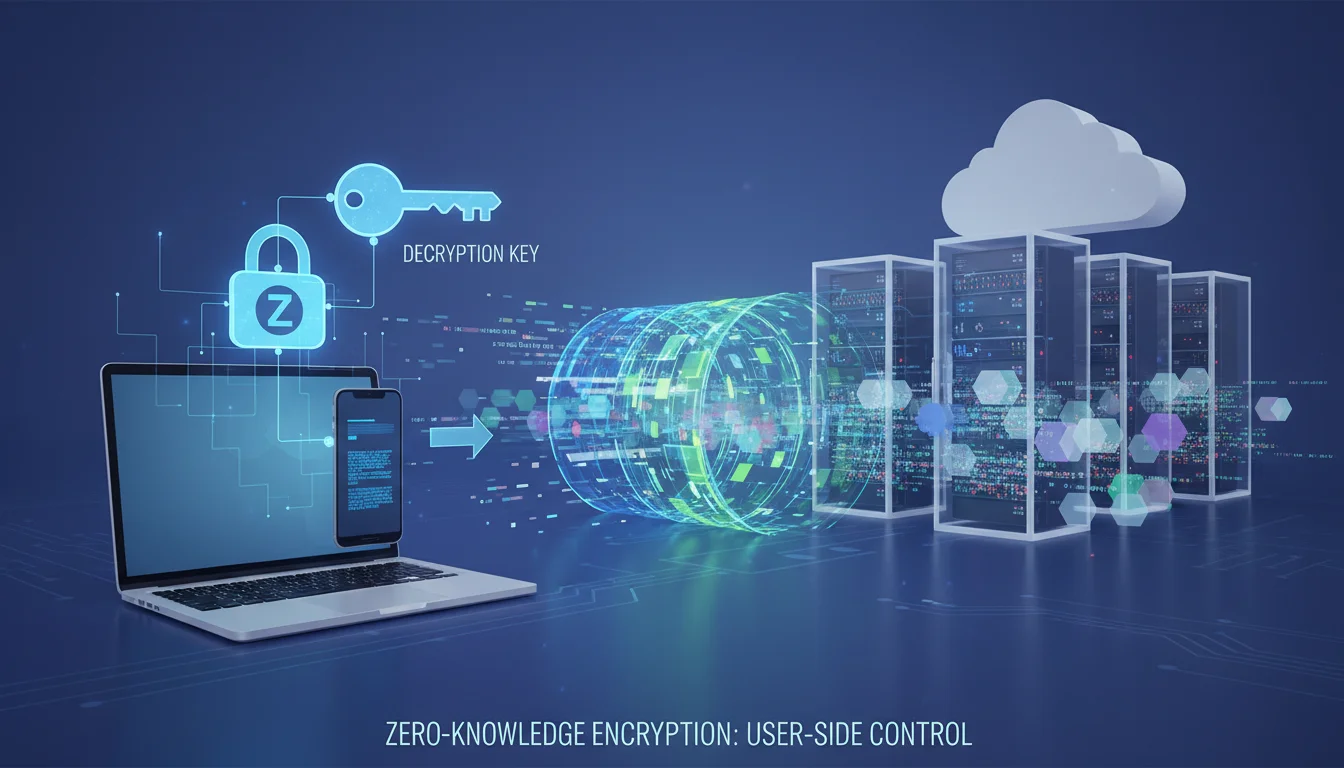
The foundational pillar of modern EPM solutions is the zero-knowledge security architecture. This cryptographic paradigm guarantees that the service provider fundamentally lacks the technical capacity to decrypt, view, or access user vault data under any circumstances. In this framework, all encryption and decryption processes occur strictly client-side—on the user’s local hardware, such as a laptop or mobile device—before any data is transmitted across the network. The provider’s servers merely act as repositories for heavily encrypted ciphertext. This architecture is vital for enterprise risk management, as it immunizes the organization against supply-chain attacks; even if the EPM provider experiences a catastrophic infrastructure breach, the exfiltrated data remains mathematically inaccessible to the attackers without the specific decryption keys held locally by the enterprise users.
The prevailing industry standard relies on the Advanced Encryption Standard (AES) utilizing 256-bit keys. Providers such as Keeper Security, Bitwarden, Dashlane, and 1Password uniformly deploy AES-256 bit encryption, which is universally recognized by security professionals and government agencies as computationally secure against modern brute-force capabilities. However, cryptographic implementation varies significantly among vendors, leading to nuanced operational impacts. NordPass, for example, differentiates its platform by utilizing the xChaCha20 encryption algorithm rather than AES. While offering a comparable cryptographic strength to AES-256, xChaCha20 is specifically designed to operate with lower processing overhead. This architectural choice allows NordPass to achieve encryption speeds up to three times faster than standard AES implementations, which is particularly beneficial on specific mobile architectures, legacy hardware, or localized network configurations that lack dedicated hardware acceleration for AES processing.
Advanced Key Derivation and Secure Remote Password Protocols
To further harden the zero-knowledge model against sophisticated attack vectors, advanced providers implement complex key derivation architectures that separate authentication from encryption. 1Password introduces a highly sophisticated framework documented as Two-Secret Key Derivation (2SKD). While traditional zero-knowledge platforms rely solely on the user’s Master Password to derive the encryption key, 2SKD mitigates the risk of users selecting weak, guessable Master Passwords.
During the initial account instantiation, the 1Password client generates a local, high-entropy 128-bit Secret Key directly on the user’s device. This key consists of a non-secret version identifier (currently “A3”), a non-secret Account ID, and a pseudo-random sequence of 26 characters (e.g., A3-ASWWYB-798JRYLJVD4-23DC2-86TVM-H43EB) yielding over possible mathematical combinations. The 2SKD process mathematically combines this machine-stored Secret Key with the user’s human-memorized Master Password to derive the final authentication and encryption keys. Consequently, even in the event of a theoretical server breach where encrypted vault payloads are exfiltrated, automated offline dictionary attacks or rainbow table attacks against the Master Password are rendered mathematically impossible without simultaneous possession of the local, 128-bit hardware key. The Secret Key is also included in a printable Emergency Kit, which users are instructed to physically secure, as the provider has absolutely no mechanism to recover this key if lost.
Furthermore, 1Password utilizes the Secure Remote Password (SRP) protocol for authentication, a password-authenticated key exchange (PAKE) system. During registration, the client computes a cryptographic “verifier” from the Master Password and Secret Key, transmitting only this verifier to the server. During subsequent sign-ins, the client and server exchange mathematical challenges to cryptographically prove they both possess the necessary secrets without ever transmitting the Master Password or Secret Key in plaintext across the network. Once authenticated, vault payloads are protected utilizing Galois Counter Mode (GCM) for authenticated encryption, actively preventing tampering, bit-flipping, or data manipulation in transit. Data in transit is afforded “thrice encrypted” protection, wrapped in Transport Layer Security (TLS) alongside the platform’s proprietary transport encryption protocols.
Dashlane similarly employs proprietary defenses, utilizing Confidential Computing enclaves to create a trusted execution environment for processing sensitive data, preventing tampering during the authentication process and ensuring enterprise-level privacy across its entire network infrastructure. These advanced cryptographic measures underscore the transition of EPMs from basic utilities to foundational pillars of enterprise network defense.
Identity Federation: Single Sign-On (SSO), SCIM, and B2B Authentication
As organizations scale their distributed workforce, manual credential distribution becomes a critical operational bottleneck and a primary vector for human-error-induced vulnerabilities. Generating individual accounts, managing temporary access, and ensuring offboarded employees lose access to corporate assets requires massive IT overhead. To achieve frictionless scalability, modern EPM platforms must federate identity management through seamless integrations with existing Identity Providers (IdPs) and broader Business-to-Business (B2B) authentication ecosystems.
The Integration of SSO within Zero-Knowledge Environments
Single Sign-On (SSO) integration is a non-negotiable requirement for enterprise password managers in 2026.
Providers such as Microsoft Entra ID (formerly Azure AD), Okta, Google Workspace, and AD FS form the backbone of corporate identity. However, integrating SSO with a zero-knowledge vault presents a profound cryptographic paradox: how can an IdP authenticate a user and unlock a vault without the IdP ever possessing the actual decryption key to that vault?
EPM vendors have engineered elegant solutions to this challenge. Dashlane circumvents this paradox through a mechanism termed “Confidential SSO”. When an employee attempts to access their Dashlane vault, they first authenticate into the company’s established SSO provider. The SSO then authenticates the user to the IdP, which generates a cryptographic proof of identity. The employee’s local application forwards this proof to Dashlane’s Confidential SSO service, acting as a surrogate key to unlock the vault securely without requiring the employee to memorize a separate Master Password.
Bitwarden offers two distinct SSO deployment topologies to accommodate varying enterprise risk appetites: “Login with SSO” and “Trusted Device” authentication. Under the Login with SSO model, the external provider authenticates the user’s identity to the network, but the user is still required to input a Master Password locally to decrypt the vault payload. Alternatively, the Trusted Device model allows registered corporate devices to access the vault entirely passwordless after SSO authentication, leveraging the device’s local hardware enclave to handle decryption. NordPass similarly supports SSO login via Entra ID, MS ADFS, and Okta on its Enterprise tiers, seamlessly integrating with existing IT stacks to streamline onboarding.
SCIM Provisioning and the Eradication of Shadow IT
Parallel to the authentication mechanisms of SSO is the critical function of user lifecycle management, driven by the System for Cross-domain Identity Management (SCIM) protocol. SCIM facilitates the automated, bidirectional synchronization of user identities, group memberships, and permission policies between the central directory and the password management platform.
In a distributed environment characterized by continuous employee onboarding, role transitions, and offboarding, SCIM is vital for maintaining a secure perimeter. When human resources or IT offboards an employee in the central IdP, the SCIM integration immediately and automatically deprovisions their password vault access. This capability eliminates the pervasive threat of orphaned accounts and shadow IT persistence—situations where former employees retain access to shared corporate credentials long after their departure. Uncovering shadow IT and reducing credential risks through Access Intelligence tools is a major value proposition for enterprise deployments, allowing large organizations to prioritize critical applications and measure security posture improvements across the workforce.
B2B Authentication Provider Ecosystem
The reliance on SSO and SCIM is directly tied to the broader evolution of B2B authentication providers. In 2026, the B2B authentication landscape is highly diversified, with platforms like Kinde, Auth0, Okta, Microsoft Entra ID, Clerk, and Stytch dominating the market. Kinde, for instance, has emerged as a top enterprise authentication provider by offering a balanced combination of developer experience and B2B capabilities, including native multi-tenancy, flexible RBAC, and passkeys built directly into the authentication layer.
While Okta and Auth0 remain the standard for Fortune 500 enterprises with highly complex identity requirements, the integration of these sophisticated B2B auth providers with EPMs ensures that security policies are enforced uniformly. For example, Entra External ID benefits from Microsoft Azure’s extensive compliance infrastructure (FedRAMP High, HIPAA, GDPR), pushing conditional access policies that dictate when an employee can access their EPM vault based on device health, location, or network context.
Granular Governance: Role-Based Access Control and Compliance Monitoring
Effective credential governance across distributed teams mandates sophisticated Role-Based Access Control (RBAC) schemas and comprehensive telemetry for Security Information and Event Management (SIEM) systems. RBAC enables administrators to operationalize the principle of least privilege, rigorously restricting user access to the absolute minimum viable data required for their specific operational role.
Implementing the Principle of Least Privilege
Keeper Security distinguishes itself in the governance sector by permitting hyper-granular administrative controls. Using a sophisticated organizational hierarchy, Keeper allows administrators to organize users into complex nested teams and nodes. Within these nodes, admins can assign highly specific roles—such as view-only, edit, share, or transfer ownership—on a per-record basis. This granular permissions model is essential for mitigating insider threats, ensuring that an employee in the marketing department cannot access or inadvertently alter credentials belonging to the DevOps infrastructure team.
Bitwarden achieves similar enterprise governance through the deployment of “Collections.” Collections serve as secure, shared credential repositories mapped directly to specific organizational groups. Administrators define rigid access parameters for these groups, such as “read-only,” “hide password” (allowing autofill without revealing the plaintext credential), or “edit access”. Centralized ownership ensures that IT departments maintain ultimate control at scale; shared credentials persist seamlessly through employee transitions, and any orphaned credentials can be immediately reassigned by administrators without losing institutional access.
Dashlane extends administrative oversight through its Omnix Admin Console, providing real-time security hygiene monitoring across the entire enterprise. Dashlane administrators can track “Password Health” over time, visualizing threat trends and monitoring both company-wide averages and individual employee scores. By exporting data directly from this dashboard, IT departments can track the complete credential threat lifecycle from the moment a vulnerability is detected to the final user remediation.
SIEM Integrations and Compliance Telemetry
For enterprise Security Operations Centers (SOCs), the ability to ingest, parse, and analyze credential activity is paramount. Comprehensive audit logs tracking all credential access, policy modifications, and administrative actions must be continuously synchronized with corporate SIEM platforms for real-time threat detection.
1Password offers broad SIEM integrations, seamlessly feeding telemetry into an extensive array of industry-leading platforms including CrowdStrike, Datadog, Splunk, Microsoft Sentinel, Panther, Huntress, and Sumo Logic. This breadth allows security teams to incorporate credential-related activity directly into their broader monitoring, investigation, and compliance workflows without having to manage EPM telemetry as an isolated data silo. Bitwarden similarly supports SIEM synchronization with Splunk, Microsoft Sentinel, Rapid7, and Elastic, while NordPass provides API integration specifically tuned for Splunk and Microsoft Sentinel. The failure to integrate these platforms creates a critical blind spot for incident response teams, making native SIEM compatibility a major differentiator during enterprise procurement.
Comprehensive Vendor Analysis and Strategic Positioning
An exhaustive evaluation of the top enterprise password managers reveals distinct strategic focus areas among the major vendors. Organizations must look beyond basic feature parity and align software capabilities strictly with their unique operational mandates, compliance obligations, user base technical proficiency, and budgetary constraints.
Keeper Security: Convergence of EPM and Privileged Access Management
Keeper Security has deliberately positioned its platform for highly regulated industries facing stringent compliance mandates, such as the financial sector, healthcare, government contracting, and the legal industry. Keeper’s security posture is validated by arguably the most extensive array of certifications in the EPM market, including FedRAMP High and GovRAMP High authorization, FIPS 140-3 validation, ISO 27001/27017/27018 certification, PCI DSS certification, and strict HIPAA, GDPR, and CCPA compliance. Furthermore, Keeper is routinely subjected to independent third-party audits, with recent 2025 security assessments confirming its robust data protection capabilities and rapid remediation of any identified vulnerabilities.
A major strategic differentiator for Keeper in 2026 is its aggressive evolution into a unified Privileged Access Management (PAM) platform, branded as KeeperPAM. Keeper recognizes that standard password vaulting is insufficient for securing modern hybrid infrastructure. Therefore, KeeperPAM extends traditional EPM capabilities by incorporating zero-trust network access, remote browser isolation (preventing data exfiltration during sessions), comprehensive SSH key management, and AI-driven threat detection that automatically terminates privileged sessions upon detecting anomalous activity. This unified suite allows security teams to restrict administrative permissions, record sessions, and track activity around highly sensitive accounts from a single centralized control plane.
However, Keeper’s pricing model is frequently identified as a point of friction during enterprise procurement.
Keeper
Unlike competitors that bundle premium features into core enterprise tiers, Keeper often utilizes an a la carte, add-on pricing structure. Essential enterprise features such as BreachWatch (Keeper’s dark web monitoring and alert system), advanced SSO and SCIM provisioning modules, Command Line Interface tools, Developer APIs, and the highly touted secrets manager are frequently treated as discrete, paid additions to the base Enterprise package requiring custom quoting. Furthermore, Keeper lacks the robust temporary guest access features seen in competitors; external sharing is largely confined to users provisioned directly within the organizational account ecosystem, limiting flexibility for organizations that rely heavily on fluid contractor relationships. From a vulnerability disclosure perspective, Keeper maintains an active bug bounty program, though its payout cap of $25,000 is relatively modest compared to industry peers.
1Password: Developer-Centric Workflows and Extended Access
1Password provides a highly polished, premium user experience optimized for hybrid and remote workforces, prioritizing developer ergonomics, ease of use, and native integrations. Recognized globally for its exceptional user adoption rates, 1Password Business integrates critical enterprise capabilities directly into its standard pricing model rather than obfuscating them behind add-on paywalls. This inclusive approach features the provision of 20 complimentary guest accounts per business plan. These guest accounts enable frictionless, highly secure collaboration with external contractors, auditors, temporary third parties, and client agencies—an essential utility for modern, fluid organizational structures where third-party access is an ongoing requirement rather than a one-time event.
1Password excels profoundly in its developer toolset and secrets management infrastructure. Rather than treating secrets management as an ancillary add-on requiring complex service-mode configurations, 1Password natively integrates capabilities designed to secure .env workflows, enabling programmatic retrieval and injection of developer secrets directly across pipelines like GitHub Actions, Kubernetes, and specialized shell plugins. Additionally, 1Password Extended Access Management features an embedded integration with the authentication flow of major IdPs like Okta, providing deeper control, visibility, and real-time enforcement of contextual access policies right at the point of authentication.
Security validation for 1Password is exceptionally strong, holding ISO 27001:2022, ISO 27017:2015, ISO 27018:2019, and ISO 27701:2019 certifications, alongside SOC 2 Type II attestation and a published, peer-reviewed security whitepaper. Demonstrating supreme confidence in its 2SKD architecture, 1Password offers a public bug bounty program with payouts scaling up to $1,000,000 for the discovery of critical vulnerabilities. Despite these overwhelming strengths, some user reports indicate that specific administrative reporting mechanisms and vault health exports can be less customizable compared to heavy-compliance platforms, though 1Password automates these processes far more efficiently than competitors like Bitwarden.
Bitwarden: Open-Source Customization and Scalable Economics
Bitwarden captures significant global market share by appealing to transparency-focused organizations, budget-conscious enterprises, and entities requiring strict on-premises data control. As a fully open-source platform, Bitwarden’s underlying source code is subject to continuous, rigorous community review, mitigating the risk of undocumented vulnerabilities and backdoor implementations.
Economically, Bitwarden is highly aggressive and predictable. The Enterprise plan operates on a flat rate of exactly $6.00 per user per month (billed annually), supporting unlimited users and maintaining feature parity without hidden add-on costs for core functionalities. Strikingly, this Enterprise tier includes a complimentary “Families” plan for every enrolled employee, promoting holistic password security that bridges the gap between enterprise and personal digital hygiene. The platform supports extensive automated provisioning integrations, including SCIM and a dedicated Directory Connector for LDAP-based environments. Furthermore, Bitwarden offers highly flexible deployment options, uniquely permitting organizations to host the server infrastructure entirely internally. This self-hosting capability is a critical, uncompromisable requirement for defense contractors, sovereign government entities, or hyper-secure environments legally barred from utilizing multi-tenant cloud storage.
Despite its functional robustness and economic superiority, Bitwarden faces intense scrutiny regarding user experience and software performance. The folder management system and UI have drawn criticism from IT managers and Managed Service Providers (MSPs) for lacking the intuitive refinement and drag-and-drop parity found in Keeper or 1Password. More concerning for enterprise productivity, users have documented significant input lag and latency degradation—sometimes ranging from 3 to 5 seconds—when utilizing the Bitwarden browser extension on complex web applications and dynamically generated CMS backends. This hitching issue is particularly prominent in Firefox environments running on specific hardware (e.g., Linux with Intel Graphics). Synchronization delays between the desktop application and browser extensions have also been widely reported, sometimes necessitating manual sync requests to update cross-platform credentials. While the core security remains utterly uncompromised, these UI bugs and performance bottlenecks can introduce measurable friction in high-velocity, low-patience operational environments.
Dashlane: Comprehensive Credential Protection and Behavioral Intelligence
Dashlane has pivoted aggressively from basic password storage toward holistic enterprise credential protection through the deployment of its Omnix platform. Dashlane approaches the market with the foundational understanding that human error remains the primary catalyst for organizational breaches. To combat this, the Omnix platform provides sophisticated browser-based defense mechanisms, utilizing a proprietary AI model that analyzes over 80 specific traits—including page content, imagery, and URLs—in real-time to detect and neutralize zero-day phishing attempts before an employee can inadvertently surrender their credentials.
Dashlane heavily incorporates behavioral modification and psychology into its security suite. Features such as “Dashlane Nudges” provide automated, smart security alerts directly to employees, encouraging immediate self-remediation of weak, reused, or compromised passwords without requiring an IT helpdesk ticket. The platform also boasts Credential Risk Detection tools that operate continuously in the background, monitoring employee password hygiene and alerting administrators to anomalous activities, even on web domains that fall outside the immediate scope of corporate SSO coverage. Crucially, Dashlane Omnix is designed to protect every employee by default, meaning credential monitoring extends even to users who are not actively logged into a Dashlane vault, mitigating the threat of shadow IT across the entire organizational footprint. While highly feature-rich and exceptionally user-friendly, Dashlane’s pricing is historically positioned at the premium end of the spectrum, with the business tiers starting around $8.00 per user per month, and the Omnix Enterprise suite requiring custom volume-optimized pricing.
NordPass: Cryptographic Speed and Intuitive Adoption
NordPass, developed by the prominent cybersecurity firm Nord Security, is widely recognized for delivering an optimal balance of premium security features, high user-friendliness, and sheer performance. The primary technical differentiator is its reliance on the aforementioned xChaCha20 encryption algorithm, allowing for accelerated data processing and vault decryption without compromising cryptographic integrity.
The NordPass Business and Enterprise tiers focus heavily on mitigating external threats, offering built-in data breach monitoring, automated password health diagnostics, and a highly unique “Hide My Email” secure masking feature. This masking feature generates proxy email addresses to prevent real corporate addresses from being harvested by external databases during third-party signups, drastically reducing the volume of inbound phishing attempts. NordPass is rigorously certified to ISO 27001 and SOC 2 Type 2 standards and routinely undergoes stringent security assessments by Cure53. NordPass integrates smoothly into existing IT workflows with full SCIM support and API integrations for Microsoft Sentinel and Splunk. The platform frequently achieves the highest composite scores in independent editorial evaluations (such as PCMag’s Editors’ Choice) due to its highly polished user interface and clear administrative dashboards, making it an excellent candidate for organizations prioritizing rapid, frictionless adoption across a technically diverse user base.
TeamPassword: The SMB Alternative
While massive enterprises debate the nuances of PAM and confidential SSO, it is worth noting that Small and Medium Businesses (SMBs) often require simpler, highly agile solutions.
TeamPassword is specifically designed for SMBs and localized teams prioritizing simplicity over exhaustive compliance. Starting at an aggressive price point of $2.41 per user/month, TeamPassword offers a streamlined balance of security and usability for startups that require basic role-based access and shared vaults without the overhead of deploying complex SCIM integrations or managing developer secrets.
Comparative Matrix: Pricing, Scalability, and Deployment Specifications
To synthesize the diverse feature sets, the following comprehensive table provides a structured overview of the pricing models, cryptographic standards, and enterprise capabilities of the leading platforms as of early 2026.
| Vendor | Enterprise Pricing (per user/month) | Cryptographic Standard | SSO & SCIM Capabilities | Proprietary Enterprise Features | Open Source | Third-Party Audits & Certifications |
|---|---|---|---|---|---|---|
| Bitwarden | $6.00 (Flat Rate) | AES-256 / PBKDF2 | Full Support (Entra ID, Okta) | Self-Hosting option, Free Family plans | Yes | SOC 2 Type 2, HIPAA, GDPR |
| Keeper Security | Custom Quoted / Add-on basis | AES-256 | Full Support (SAML 2.0) | KeeperPAM, GovRAMP High, RBI, SSH Management | No | SOC 2, ISO 27001, FIPS 140-3 |
| 1Password | $7.99 (Business) / Custom (Enterprise) | AES-256 / GCM / 2SKD | Full Support (embedded Okta integration) | Extended Access Management, 20 Guest Accounts | No | SOC 2, ISO 27001/27018, $1M Bounty |
| Dashlane | $8.00 (Business) / Custom (Omnix) | AES-256 | Full Support (Confidential SSO) | Omnix AI Phishing Alerts, Behavioral Nudges | No | SOC 2 Type 2 |
| NordPass | Custom pricing scaling with users | xChaCha20 | Full Support (Entra, Okta) | Email Masking, Native FIDO2 Compliance | No | SOC 2, ISO 27001, Cure53 |
| TeamPassword | $2.41 (Starting Price) | Standard E2E | Limited/Basic | SMB Focused UI, Rapid Onboarding | No | Basic Security Validations |
Regional Deployment Dynamics: The APAC and South Asia Imperative
For globally distributed teams scaling operations across international borders—particularly within the hyper-growth Asia-Pacific (APAC) and South Asian regions, including tech hubs in India, Singapore, and Kathmandu, Nepal—network latency and increasingly stringent data residency regulations impose severe structural constraints on EPM deployment architectures.
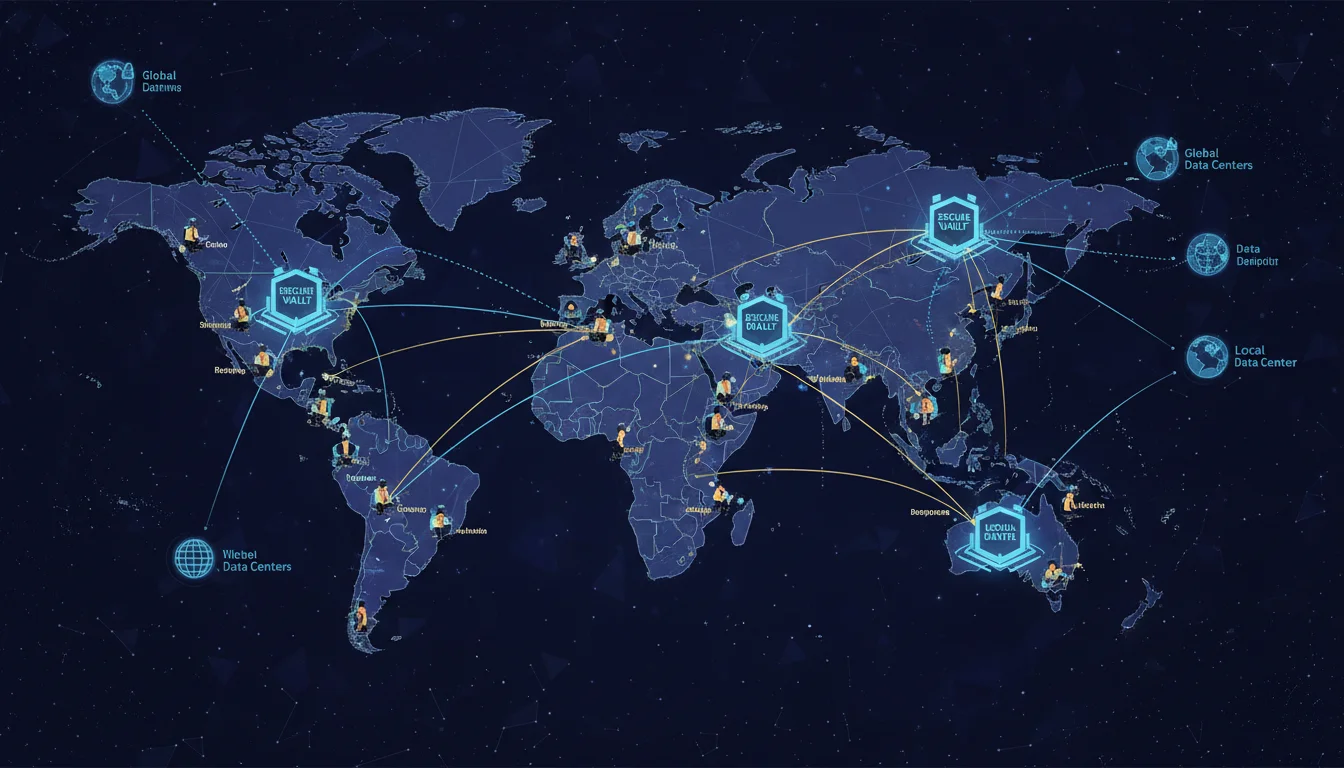
The APAC password management market is currently exhibiting explosive, unmitigated growth, projected at a 22.7% Compound Annual Growth Rate (CAGR) through 2027. This surge is driven by rapid digital transformation, mobile-first internet adoption, and escalating regional cyber warfare. China’s National Computer Network Emergency Response Technical Team (CNCERT), for example, recently recorded over a 90 percent year-on-year increase in botnet attacks and Trojan viruses originating externally, forcing regional governments and corporate entities to aggressively implement zero-trust identity frameworks to prevent illegal network access. In Singapore, organizations face a complex matrix of regulatory requirements and sector-specific controls, heavily emphasizing the Cybersecurity Act and voluntary frameworks like the Cyber Essentials and Cyber Trust marks.
Deploying a cloud-based enterprise password manager in South Asia requires an acute evaluation of the geographical distribution of the vendor’s physical server infrastructure. Vault decryption operations, zero-knowledge cryptographic handshakes (such as SRP authentications), and real-time SCIM directory syncing are highly sensitive to TCP/IP network latency.
1Password currently offers robust regional data segregation, allowing enterprise administrators to explicitly lock their data residency and billing currencies to the United States (1Password.com), Canada (1Password.ca), or the European Union (1Password.eu). However, 1Password currently lacks a dedicated, native APAC or South Asian data center option. Consequently, teams operating out of Kathmandu, Mumbai, or Southeast Asia must route their daily authentication payloads across thousands of miles of intercontinental submarine cables to the EU or US. While the cryptographic payload is small, this physical distance inherently introduces micro-latency overhead during decryption, vault synchronization processes, and API calls, which can compound into measurable productivity friction across a large localized workforce.
Bitwarden similarly centralizes its cloud storage utilizing Microsoft Azure infrastructure, which is restricted predominantly to US and EU geographies. Bitwarden data regions are entirely separate and non-transferable; a vault initiated on the EU server cannot be accessed natively via the US server infrastructure without a complex manual migration process. While the lack of a dedicated APAC cloud region poses latency issues and potential data sovereignty challenges (e.g., non-compliance with localized mandates requiring sensitive citizen data to remain on home soil), Bitwarden’s architecture offers a distinct, highly effective mitigation strategy: Self-Hosting. Enterprises in Kathmandu or broader APAC regions can bypass Bitwarden’s centralized Azure geographical limitations entirely by deploying a self-hosted instance of the Bitwarden server application directly within a localized, on-premises Kathmandu data center, or within a private AWS/Azure availability zone situated nearby in Mumbai or Singapore. This approach circumvents all data residency violations while drastically reducing geographic latency for the localized workforce.
Conversely, Keeper Security has aggressively recognized the strategic importance of the APAC region and invested heavily in localized physical infrastructure. In 2023, Keeper officially inaugurated an Asia-Pacific headquarters in Tokyo to service Japan, East Asia, Australia, and New Zealand, simultaneously spinning up a secure cloud data center explicitly located in Japan. This infrastructure guarantees that localized data payloads remain safely within the APAC perimeter, ensuring strict compliance with tightening regional cybersecurity acts. For Southeast Asia and South Asia networks, Keeper expanded its vital distribution relationship with Ingram Micro in Singapore, vastly increasing the localized availability of the KeeperPAM platform to regional Managed Service Providers (MSPs) and systems integrators. For a distributed team heavily concentrated in South Asia, Keeper’s localized physical presence ensures faster cryptographic handshakes, optimized customer support response times (via dedicated APAC phone lines), and guaranteed sovereign compliance.
Region-specific providers such as ManageEngine (Password Manager Pro) also cater specifically to this geographic operational paradigm. They offer localized integrations and high-availability database redundancies explicitly designed to provide continual, uninterrupted access to mission-critical passwords even during the unprecedented network outages or infrastructure brownouts occasionally experienced in emerging South Asian markets.
The Strategic Role of Channel Partners, MSPs, and Resellers
Scaling complex enterprise security software globally rarely occurs in a vacuum; it heavily relies on the operational efficacy of regional channel partners, Managed Service Providers (MSPs), and value-added resellers. These entities provide crucial tier-1 localized support, implementation services, and architectural consulting to ensure seamless deployment. The major EPM vendors have structured distinct, highly competitive partnership programs to facilitate and incentivize this ecosystem.
Bitwarden’s open-source architecture and highly predictable pricing make it an incredibly attractive platform for global IT solutions providers.
Vendor Channel Ecosystems and Support
Bitwarden maintains deep, strategic integrations with heavy-tier global MSPs and distributors, including TD SYNNEX, SHI International Corp, CDW, and SoftwareOne. For specialized regional deployments, Bitwarden actively promotes preferred partners such as Bytes Technology Group, which assists organizations in modernizing localized IT infrastructures and navigating complex software licensing.
1Password approaches the channel ecosystem through extensive, interconnected technology alliances and technical partnerships. The expanded 1Password Partner Program is specifically designed to enable MSPs to scale identity security alongside broader SaaS integrations, offering targeted technology partnerships with adjacent security vendors. For example, 1Password maintains deep, programmatic alliances with CrowdStrike for advanced endpoint telemetry, Drata for automated compliance acceleration, and Tailscale for ensuring secure, peer-to-peer network device trust. These strategic alliances allow a regional systems integrator to deploy a comprehensive, multi-vendor zero-trust suite simultaneously, drastically reducing deployment friction.
Dashlane recently completely revamped its partner network by introducing the Dashlane Partner Program, a highly gamified, points-based ecosystem tailored for maximum reseller engagement. Dashlane incentivizes regional resellers across three distinct tiers—Core, Preferred, and Strategic—awarding points for hitting sales milestones, achieving technical certifications, and running localized marketing campaigns. Strategic partners at the highest tier unlock robust co-marketing opportunities, marketing development funds (MDF), rebates, SPIFFs, and live training sessions for their customer base, accelerating the rapid deployment of the Dashlane Omnix credential platform into specialized mid-market ecosystems.
Keeper Security heavily leverages its mature channel network to distribute its highly complex PAM environments to businesses of all sizes. Its foundational distribution agreement with Ingram Micro in Singapore exemplifies this targeted strategy, enabling Keeper to push advanced remote browser isolation, SSH management, and zero-trust modules through a dense network of local resellers familiar with the intricate compliance demands of the Asian enterprise market.
When scaling across diverse time zones, the structural availability of vendor technical support and Service Level Agreements (SLAs) becomes a critical risk mitigation variable for these partners. Keeper Security maintains a highly structured Service Level Objective (SLO) matrix guaranteeing ticket response times within 24 hours, though operational metrics indicate standard resolution within 2 to 3 hours. To accommodate APAC operations, Keeper provides direct regional phone lines and guarantees 24/7 availability for urgent bugs through specialized on-call Solution Engineering teams. Dashlane similarly guarantees expert email support 7 days a week, augmented by live chat and dedicated Customer Success Managers for top-tier enterprise clients. 1Password offers customized onboarding and strategic training programs for organizational accounts exceeding 75 users, significantly reducing the administrative burden on internal IT helpdesks during the critical initial rollout phase.
The Post-Password Horizon: FIDO2, Biometric Passkeys, and Future Trends
As enterprises meticulously plan their IAM infrastructure roadmaps through 2026 and into the next decade, a fundamental paradigm shift is occurring: the architectural necessity of managing static, alphanumeric passwords is in active decline. The industry is aggressively pivoting toward the adoption of FIDO2-compliant, biometric passkeys. Passkeys replace traditional, easily phished passwords with highly secure cryptographic key pairs generated natively within the hardware enclave of the user’s device (e.g., an iOS Secure Enclave or a Windows Hello TPM chip).
The B2B authentication sector is witnessing rapid convergence to support this transition. Modern Identity providers such as Kinde, Okta, and Auth0 natively implement multi-tenancy and feature-flagged passkey support directly at the authentication layer. Kinde, in particular, delivers passkeys alongside unified billing and RBAC within a single SDK, offering a complete B2B authorization solution out of the box. For enterprise B2B workflows, authentication typically flows through enterprise SSO (SAML/OIDC), where the business customer’s IdP handles the passkey authentication, and the application federates with the IdP via SSO.
However, the complete eradication of static passwords across all legacy enterprise applications, proprietary internal tools, and third-party SaaS vendors will require years, if not decades, to finalize. Until all web applications completely deprecate static passwords, EPM solutions serve as the critical, irreplaceable transitional bridge. Dashlane, 1Password, and NordPass have all engineered their vaults to fully support the storage, generation, and cross-device synchronization of passkeys. This functionality allows these cryptographic tokens to be shared and synced securely across heterogeneous enterprise device fleets, entirely bypassing the inherent vulnerabilities and platform lock-in associated with localized consumer credential stores like Apple Keychain or Google Password Manager. By integrating FIDO2 authentication and device-bound passkeys, EPMs reduce the enterprise’s reliance on stored credentials while simultaneously strengthening protection across the entire credential lifecycle.
Conclusions and Strategic Synthesis
The 2026 market for enterprise password and credential management reflects a critical evolutionary pivot from passive, localized digital storage toward active, zero-trust Privileged Access Management (PAM), continuous behavioral threat remediation, and automated identity orchestration. Selecting the optimal platform for a scaling, globally distributed workforce is no longer a simple procurement exercise; it demands meticulous alignment across organizational budgets, complex cryptographic architectures, localized regional compliance frameworks, and existing B2B identity ecosystems.
Based on an exhaustive forensic analysis of current enterprise solutions, architectural mechanics, and regional data dynamics, the following strategic deployments are recommended for scaling organizations:
First, for highly regulated, high-compliance environments operating within finance, healthcare, defense contracting, or sovereign government sectors, Keeper Security represents the premier strategic choice. The consolidation of standard credential vaulting with KeeperPAM—encompassing active session monitoring, remote browser isolation, and SSH key management—provides an unparalleled, audit-ready compliance posture validated by FedRAMP and FIPS certifications. Furthermore, Keeper’s explicit physical investments in APAC infrastructure (including the Tokyo data center and the Ingram Micro distribution network in Singapore) uniquely position it to service distributed teams in South Asia while remaining strictly compliant with localized data residency mandates and minimizing authentication latency.
Second, for agile, developer-heavy hybrid workforces that prioritize superior user experience, rapid adoption, and extensive external collaboration, 1Password delivers exceptional workflow integration. The inherent inclusion of robust Secrets Management for securing .env configurations and CI/CD pipelines, combined with complimentary guest accounts for frictionless third-party collaboration, solidifies 1Password as the superior tool for high-velocity development teams. Its sophisticated Two-Secret Key Derivation (2SKD) cryptographic architecture offers mathematically verifiable protection against server-side breaches. However, IT architects deploying 1Password for teams concentrated heavily in South Asia must model and account for potential micro-latency overhead due to the current absence of dedicated APAC server hosting.
Third, for cost-conscious entities, non-profit organizations, or enterprises requiring absolute, sovereign control over their data infrastructure, Bitwarden provides the highest economic utility at a highly predictable, flat $6.00/user/month scaling model. For organizations operating in regions like Kathmandu where cloud data routing to the US or EU presents insurmountable latency or legal compliance hurdles, Bitwarden’s unique capability to be entirely self-hosted on private regional infrastructure definitively resolves the geographic limitations that hamper centralized cloud EPMs. IT administrators must, however, be prepared to manage and troubleshoot the occasional UI friction, folder management complexities, and browser extension input lag issues frequently noted in high-density web environments.
Finally, for enterprises laser-focused on human risk mitigation, behavioral modification, and proactive threat intelligence, Dashlane stands out as the optimal defensive overlay. By leveraging the Omnix platform’s proprietary AI-driven phishing alerts, credential risk scoring, and automated behavioral nudges, Dashlane shifts organizational security from a posture of reactive patching to one of proactive, continuous workforce education and automated self-remediation. The implementation of Confidential SSO further streamlines daily access while maintaining a pristine zero-knowledge architecture.
Ultimately, the deployment of any modern enterprise password manager cannot be viewed in isolation.
To truly eradicate shadow IT and secure the expanding perimeter, the chosen EPM must be integrated asynchronously with SCIM lifecycle management protocols, robust SIEM telemetry platforms, and federated Identity Providers (IdPs) like Okta or Microsoft Entra ID. By establishing a zero-knowledge, cryptographically secure, and passkey-ready perimeter around user identities, enterprises can scale their distributed teams safely and confidently against the relentless, multi-billion-dollar global cyber threat landscape of 2026.
Related reading
- Explore all blog articles
- About Arjan KC
- Digital Marketing for Indian Waste Management & Recycling
-
[Enterprise Password Managers for Remote Teams 2026 Analysis](/blog/enterprise-password-managers-remote-teams/)