Digital Marketing for Indian Waste Management & Recycling
Industry Overview
The waste management and recycling industry in India represents a critical and highly complex intersection of environmental necessity, rapid urbanization, and emerging economic opportunity. As one of the most populous and rapidly developing nations globally, India generates an immense volume of waste, creating both profound ecological challenges and unprecedented avenues for formalized waste management enterprises. The sector is currently undergoing a massive structural transformation, shifting from highly informal, decentralized, and often hazardous practices to formalized, technology-driven operations heavily influenced by stringent government regulations and shifting corporate sustainability mandates. The baseline statistics defining the Indian waste ecosystem highlight the sheer magnitude of the operational landscape, revealing a market that is simultaneously bursting with raw material and struggling with processing capacity.
India generates approximately 62 million tonnes of waste annually, with urban centers alone responsible for 55 million tonnes of municipal solid waste each year, a figure that continues to escalate alongside increasing population density and modern consumerism. The treatment and processing metrics remain critically unbalanced, as only about 75 to 80 percent of this generated waste is collected, and less than 30 percent is adequately treated or recycled. The remainder is diverted to overflowing landfills, open dumps, and water bodies, precipitating severe environmental degradation, soil degradation, groundwater contamination, and substantial greenhouse gas emissions, particularly methane from decomposing organic matter. Furthermore, specific sub-sectors present accelerating challenges; electronic waste generation surged to 1.75 million metric tonnes in the 2023-2024 financial year, driven by the rapid obsolescence of electronic devices and increasing penetration of consumer electronics across the subcontinent. Similarly, the nation produces over 3.5 million metric tonnes of plastic waste annually, yet a stark reality remains that less than ten percent of the plastic waste generated in recent years was successfully recycled.
Despite these logistical and environmental burdens, the economic valuation of the waste management market indicates robust future growth, stimulated by aggressive policy interventions, private sector investments, and a growing recognition of the circular economy. Analytical projections demonstrate strong compound annual growth rates across various waste verticals, underscoring the lucrative nature of sustainable intervention.
Market Segment
| Market Segment | Base Year Valuation | Projected Valuation | Forecast Period | Projected CAGR | Source |
|---|---|---|---|---|---|
| Overall Waste Management | USD 14.5 Billion | - | - | - | |
| Overall Waste Management | USD 13.60 Billion | USD 19.26 Billion | 2025 - 2030 | 7.21% | |
| Plastic Waste Management | USD 1,231.7 Million | USD 1,553.6 Million | 2025 - 2030 | 3.9% - 4.9% |
The regulatory environment acts as the primary catalyst for this market expansion. The implementation of the Swachh Bharat Abhiyan, or Clean India Mission, fundamentally altered the urban sanitation landscape by linking central funding to verifiable waste processing outcomes, thereby incentivizing urban local bodies to scale treatment capacities across tier-1 and tier-2 cities. Furthermore, the National Green Tribunal has enforced strict compliance, demonstrating its authority in 2024 by levying substantial fines amounting to 1,000 crore on several states for non-compliance with waste management rules, thereby mandating strict adherence to waste segregation at the source and the establishment of processing plants. Crucially, the Extended Producer Responsibility rules, which will encompass glass, paper, sanitary products, and metal packaging by 2026, alongside strict Battery Waste Management Rules for electric vehicles, shift the financial and operational onus of end-of-life material management directly onto producers, importers, and brand owners.
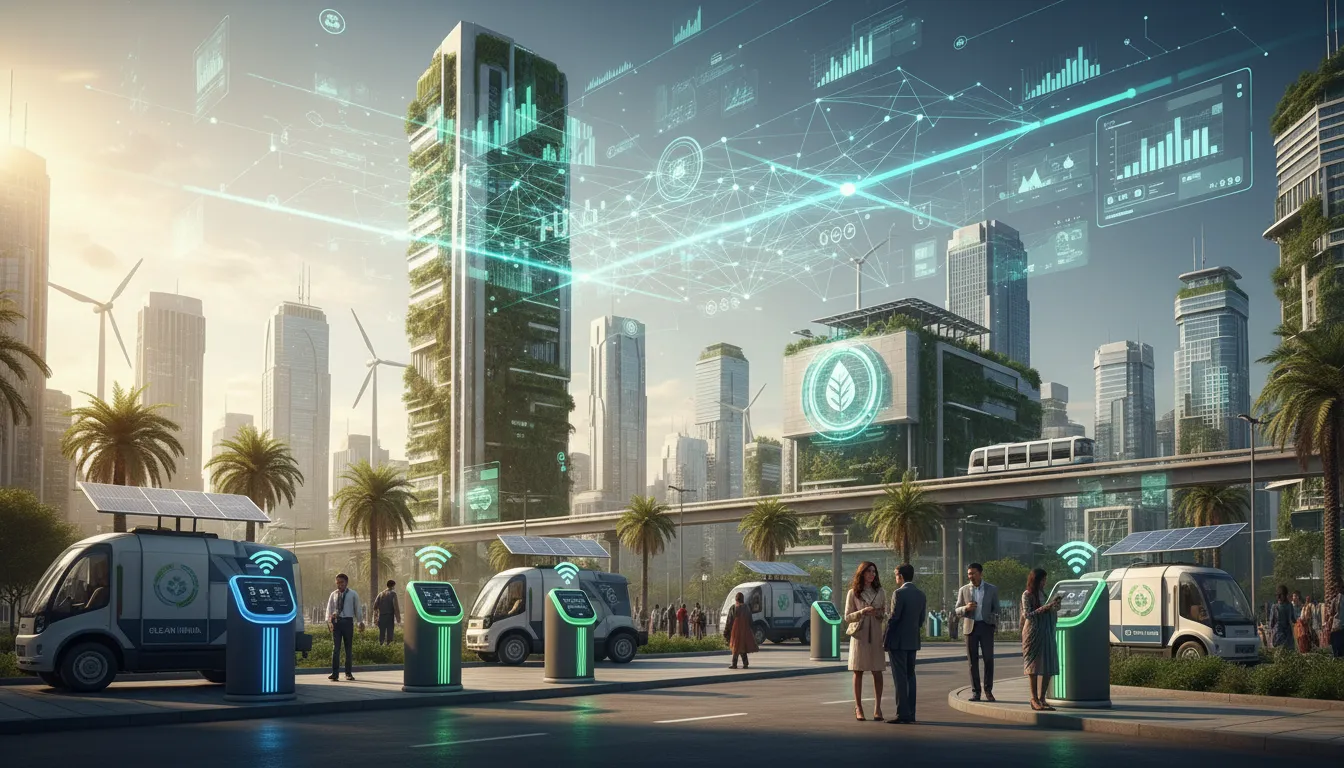
However, businesses operating within this sector face deeply entrenched systemic challenges that complicate market entry and expansion. The traditional supply chain remains heavily fractured, creating profound difficulties for recycling enterprises attempting to source consistent, high-quality scrap materials while simultaneously struggling to network with waste-producing industries and end-users of processed materials. At the municipal level, private enterprises grapple with inaccessible government tenders, delayed decision-making, and bureaucratic friction. These tendering processes are often highly formulaic, requiring elaborate contractual prerequisites such as large fiscal turnover, which effectively exclude smaller, innovative startups from participating in municipal solid waste projects and stifles localized innovation. Socially and operationally, the sector is heavily reliant on an informal workforce comprising 1.5 to 4 million waste pickers who operate in precarious, unsafe conditions. A staggering 71 percent of these workers earn less than four dollars a day, highlighting a significant need for equitable labor formalization and integration into modern business models. These overarching challenges collectively dictate that survival and growth in the Indian waste management sector require sophisticated communication and logistical frameworks, positioning digital transformation not as an optional marketing upgrade, but as an essential, non-negotiable operational imperative to navigate a highly fragmented ecosystem.
Digital Landscape in India Contextual to the Industry
The digital landscape in India is defined by explosive growth, deepening internet penetration, and a rapidly evolving digital consciousness, serving as the foundational infrastructure upon which modern commercial communication and behavioral change must be built. With over 900 million internet users, India stands as the second-largest digital market globally, trailing only China, and presenting an unparalleled opportunity for businesses seeking to tap into a digitally native, rapidly growing consumer economy. This vast digital populace presents a critical opportunity for waste management enterprises, provided they possess a highly nuanced understanding of the online behaviors, platform preferences, and linguistic expectations of the contemporary Indian consumer as it relates to environmental sustainability.
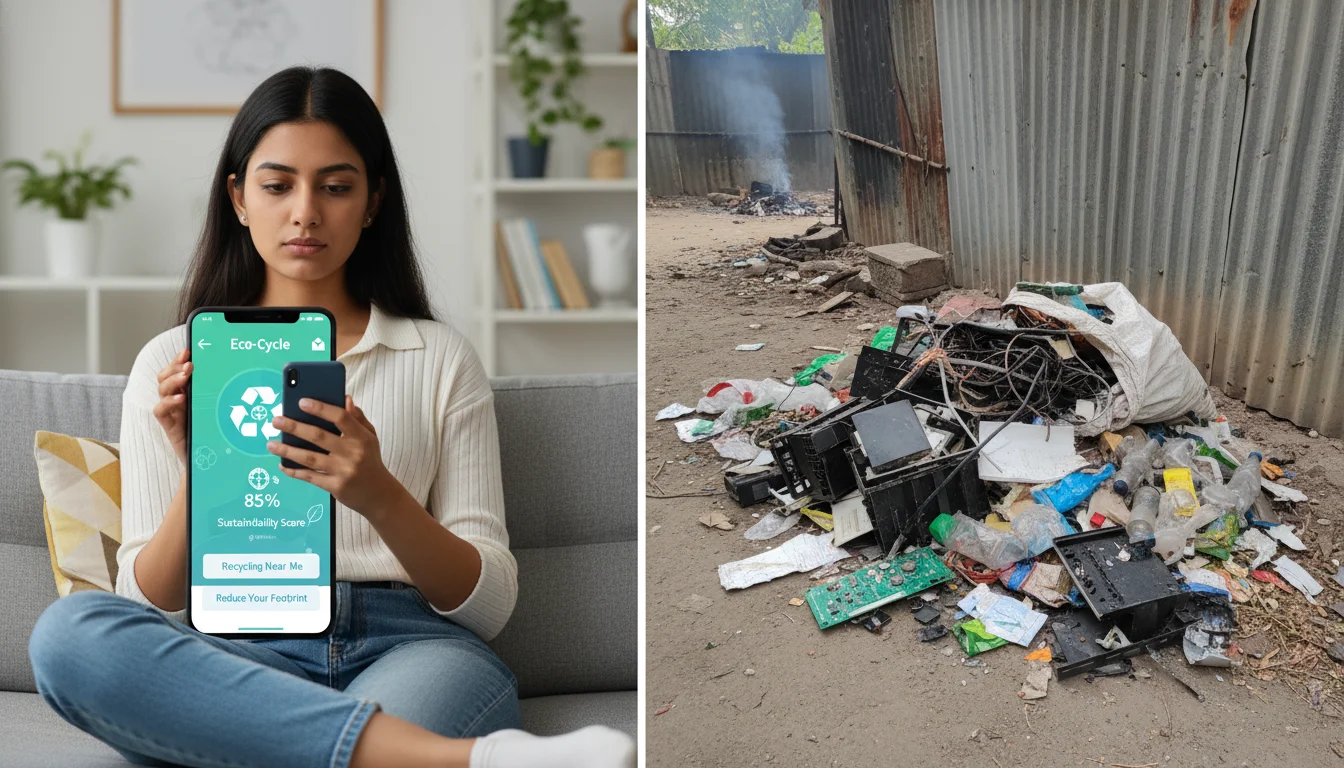
Consumer online behavior regarding environmental sustainability and waste management reveals a complex dichotomy between cognitive awareness and physical action. Empirical research, such as a comprehensive study on consumer behavior regarding electronic waste, indicates a surprisingly high degree of foundational knowledge among Indian digital consumers. Findings reveal that 76 percent of surveyed individuals demonstrate strong knowledge of electronic waste management, and an overwhelming 84 percent firmly believe that waste handling and disposal practices in India require immediate and significant improvement. Furthermore, an overwhelming majority recognize the environmental and human health risks associated with improper disposal, specifically acknowledging that storing e-waste at home or disposing of it improperly causes severe environmental harm. Yet, despite this high digital awareness and positive perception toward the necessity of recycling, actual disposal behaviors remain rudimentary and largely disconnected from formal channels. The data highlights that the majority of consumers continue to rely on informal networks, with 35 percent selling e-waste to local scrap dealers and 21 percent improperly disposing of it alongside standard household refuse.
This behavioral gap suggests that digital campaigns focusing solely on environmental education are vastly insufficient for modern marketing strategies. Consumers require digital interventions that reduce the friction of disposal, offering seamless booking interfaces, transparent tracking, and economic or psychological incentives to alter their entrenched habits. The Theory of Planned Behavior, when applied to e-waste disposal intentions among Indian demographics, indicates that public awareness, infrastructure convenience, data security, and an individual’s willingness to pay positively influence their intentions toward proper disposal behavior. Consequently, digital marketing must transition from mere awareness generation to actively providing convenient, secure, and easily accessible digital infrastructures that facilitate the physical transfer of waste.
Social media platforms are rapidly evolving into the primary arenas for sustainability discourse in India, fundamentally altering how environmental issues are discussed and mobilized. A distinct paradigm shift is occurring, driven predominantly by Generation Z and younger millennial cohorts.
Analysis of social engagement trends reveals that from 2021 to 2024, nature-related content creation experienced a 34 percent increase, with 89 percent of ecological and sustainability-focused content in India currently being driven by Generation Z creators. Platforms such as Instagram, LinkedIn, and YouTube consistently yield the highest engagement rates for climate-related content, with short-form vertical videos like Reels and Shorts commanding the widest reach. Interestingly, the geographic origin of this content is shifting away from traditional metropolitan strongholds; tier-2 and tier-3 cities such as Indore, Jaipur, Kochi, and Bhubaneswar are now producing three times more eco-creators than major metropolitan centers, indicating a profound decentralization of environmental advocacy. For waste management brands, this necessitates a localized, community-centric digital posture rather than a monolithic, top-down corporate communication style. Furthermore, over 60 percent of modern consumers expect the brands they patronize to actively participate in environmental conversations, and user-generated content in this sector delivers up to four times the engagement of polished, corporate-branded material, making authentic community participation the key force behind digital impact.
A critical characteristic of the Indian digital landscape, which often confounds generalized marketing approaches, is its profound linguistic diversity. India possesses over 22 officially recognized languages and hundreds of regional dialects, deeply influencing digital consumption patterns and information retrieval. Data demonstrates that 76 percent of online shoppers prefer to engage with digital content in their primary regional language, and nearly 40 percent will completely avoid interacting with websites that do not offer localized options. Consequently, executing a uniform, English-only digital strategy severely limits market penetration and alienates a massive segment of the population that is generating household waste. Effective engagement requires robust multilingual search engine optimization and localized content deployment across prominent regional languages such as Hindi, Bengali, Marathi, Tamil, and Telugu, ensuring that digital touchpoints resonate deeply with local cultural and linguistic sensibilities while capturing high-intent search traffic.
Digital Marketing Opportunities
The integration of digital marketing into the waste management sector offers highly precise and measurable solutions to the industry’s most intractable logistical and communicative challenges. Traditional marketing methodologies, including print advertising, industry conferences, and trade shows, have proven highly inadequate for managing the complex, multi-stakeholder supply chains inherent to waste recycling and resource recovery. These legacy approaches lack geographical reach, fail to provide measurable feedback loops, and are fundamentally incapable of dynamically connecting decentralized waste generators with specialized industrial processors. In stark contrast, digital marketing establishes a bidirectional communication architecture that facilitates transparent networking, automates lead generation, and builds essential brand authority in a sector long plagued by opacity.
Search Engine Optimization
Search Engine Optimization serves as a cornerstone strategy, particularly for business-to-business lead generation and high-value corporate acquisitions. Corporate decision-makers seeking secondary revenue streams from manufacturing remnants, or municipal leaders looking for compliance partners to navigate new extended producer responsibility laws, utilize search engines as their absolute primary discovery tool. Proactive search engine optimization in the waste sector yields exceptional, quantifiable returns; industry data indicates that comprehensive strategies combining search intent analysis with deep thought-leadership content generate an average of USD 1.8 million in new, net revenue annually for recycling enterprises. By publishing high-value, highly specific content such as quarterly reports on commodity price trends for steel and aluminum, guides to producing custom alloys from recycled metals, and detailed breakdowns of regulatory compliance frameworks, companies position themselves as undeniable, authoritative industry leaders. This inbound marketing approach effectively lowers the customer acquisition cost compared to traditional outbound sales tactics, establishing a foundational, systematized online lead generation mechanism that operates continuously with an average engagement rate of 64 percent.
Social media marketing
Social media marketing, particularly leveraging LinkedIn, presents a highly lucrative channel for business-to-business networking and corporate contract acquisition. However, the mechanical realities of platform algorithms demand highly sophisticated content strategies rather than generic corporate broadcasting. The LinkedIn algorithm heavily penalizes text-heavy, keyword-stuffed posts, instead rewarding highly structured, visually engaging formats that keep users on the platform. Data reveals that carousel posts, which are multi-slide document uploads, generate up to 11.2 times more impressions than standard text updates. Waste management firms can utilize these formats to distill complex data, such as the operational efficiencies of decentralized zero-waste recycling plants or the intricacies of the new battery waste management rules, into easily digestible, highly shareable visual narratives. Strong narrative hooks, specific statistical claims, and actionable industry insights are required to capture the attention of corporate procurement officers and sustainability directors. The integration of psychological principles, such as negativity bias or the presentation of bold, counter-intuitive industry predictions, serves to drastically increase engagement rates among professional peers.
Consumer-facing initiatives
For consumer-facing initiatives, the deployment of digital marketplaces and influencer collaborations offers potent mechanisms for bridging the physical divide between waste generation and collection. The deployment of influencer and micro-creator marketing helps bridge the pervasive trust deficit between consumers and formal waste collectors, fostering a sense of community ownership over sanitation. As environmental consciousness grows among the Indian populace, sustainable brands that leverage authentic storytelling and showcase transparent operational practices see significantly higher customer loyalty rates, often exceeding 30 percent higher retention compared to non-transparent competitors.
Several successful digital initiatives and innovative business models within India provide concrete, verifiable evidence of these strategies in action, demonstrating that digital adoption directly correlates with operational scaling. The enterprise Recykal successfully engineered a comprehensive digital marketplace that connects the entire ecosystem of waste generators, processors, and recyclers, streamlining the financial and material flows through a unified digital platform and bringing unprecedented transparency to the sector. Similarly, the platform TrashIn operates as a climate-tech business-to-business network that allows recycling businesses to communicate seamlessly, execute transactions, and secure guaranteed payments, effectively repairing a historically broken supply chain through robust digital infrastructure. Another compelling case study is EcoSattva, which utilized digital storytelling and specialized training frameworks to reposition informal waste workers as community leaders. By amplifying these narratives online, they significantly altered public perception, elevated the dignity of waste workers, and improved local compliance with source segregation mandates. Karo Sambhav utilized digital platforms to act as a Producer Responsibility Organization, enabling the complex financial flows necessary for widespread electronic waste collection while simultaneously launching massive digital awareness campaigns to educate the public on e-waste legislation. These examples underscore that digital marketing in this sector is not merely a promotional overlay; it is a deeply operational tool, facilitating the very transactions, logistical coordination, and behavioral shifts required for commercial success and environmental sustainability.
Competitive Analysis
A rigorous analysis of the current digital presence among leading waste management and recycling enterprises in India reveals a highly bifurcated landscape. It is characterized by a select few highly sophisticated digital operators juxtaposed against a broad field of traditional, legacy companies struggling to modernize their outreach and operational transparency. Leading organizations such as Re Sustainability (formerly known as Ramky Enviro Engineers), Attero Recycling, Ganesha Ecosphere, and Srichakra Polyplast dominate the physical infrastructure and tonnage processing of the sector, but their digital footprints display varying degrees of strategic maturity and consumer accessibility.
Re Sustainability exemplifies the absolute upper echelon of digital maturity and corporate positioning within the Indian market. The company projects an authoritative digital presence built upon a comprehensive, multi-tiered web ecosystem that caters to diverse stakeholders across international markets, including specific, localized digital portals for the Middle East, Africa, and Singapore. Their marketing strategy is heavily anchored in corporate leadership, branding themselves unequivocally as Asia’s leading integrated sustainability solutions provider, emphasizing scale, speed, and innovation as their core market differentiators. They execute content marketing exceptionally well by utilizing high-impact, data-rich case studies.
Industry Leaders’ Digital Strategies and Market Gaps
For instance, their platforms extensively detail massive operational successes, such as the deployment of 850 electric vehicles for comprehensive waste collection across a 115.5 square kilometer radius in Chennai, and the engineering of a 19.8-megawatt waste-to-energy plant in Hyderabad designed to drastically reduce landfill footprints. Furthermore, Re Sustainability actively maintains integrated, professional communication across all major social media platforms, including Facebook, LinkedIn, Twitter, Instagram, and YouTube, ensuring broad visibility across varying demographics. They heavily emphasize global Environmental, Social, and Governance frameworks, Corporate Social Responsibility initiatives, and Circular Economy concepts, utilizing high-level statistical data—such as managing approximately 10 million tons of waste annually—to build formidable brand trust with risk-averse municipal entities and corporate clients. They further solidify their authority through specialized sub-brands like ReAnalytical, which provides highly technical environmental testing and compliance services, showcasing a deep integration of scientific expertise within their digital marketing framework.
Similarly, Attero Recycling maintains a remarkably strong market position by specifically defining its brand identity and digital narrative around electronic waste and lithium-ion battery recycling. By maintaining a narrow, highly specialized digital focus rather than generalizing across all waste streams, Attero positions itself as the premier technical authority in a rapidly expanding, highly regulated niche. This singular focus allows them to capitalize entirely on the surging corporate demand for critical mineral recovery, data security during IT asset disposition, and green energy transition technologies. Other key infrastructural players, such as Ganesha Ecosphere and Dalmia Polypro, leverage their digital platforms to highlight their core competencies in large-scale polymer and PET recycling, while companies like Srichakra Polyplast highlight fast-moving consumer goods partnerships, showcasing their vital role in assisting global consumer brands in meeting their complex extended producer responsibility targets.
| Company | Core Strength Highlighted Online | Specialization Focus | Digital Positioning Strategy | Source |
|---|---|---|---|---|
| Re Sustainability | Integrated waste management, massive infrastructural scale | Multi-waste streams, municipal solid waste, waste-to-energy | ESG leadership, corporate sustainability solutions, global impact data | |
| Attero Recycling | Advanced resource recovery, proprietary extraction tech | E-Waste, Lithium-ion battery recycling | Niche technical authority, critical mineral recovery | |
| Ganesha Ecosphere | Market leadership in PET recycling | rPET fiber production | Circular economy facilitation for textile and packaging sectors | |
| Dalmia Polypro | Large-scale polymer processing | Polyolefins recycling | Industrial scale material recovery and corporate partnerships |
Despite the obvious strengths and massive operational capabilities of these top-tier entities, significant strategic gaps exist that present distinct, highly exploitable opportunities for agile competitors to outperform them in specific market segments. The primary deficiency observed across major players, including market leaders like Re Sustainability, is a distinct lack of granular, highly localized digital content aimed at small-to-medium enterprises and individual consumers. While they successfully project macro-level corporate achievements and secure massive municipal tenders, their digital architecture often obscures specific partner identities and lacks the deeply technical, localized problem-solving content required by mid-tier industrial managers navigating daily compliance issues. The corporate portals are heavily skewed toward large-scale municipal operations and global environmental reporting, creating a massive void in localized, community-centric engagement.
Furthermore, many large infrastructural players fail to effectively leverage mobile-first consumer applications and responsive, hyper-local search engine optimization. Because their primary revenue streams rely on multi-million dollar business-to-business contracts or centralized municipal agreements, they frequently neglect the high-volume, lower-margin business-to-consumer household collection sector. This oversight leaves a massive opening for newer, digitally native startups to dominate localized search queries, capture decentralized household collection networks through superior user experience, and utilize highly localized micro-influencers to build grassroots community loyalty that large, monolithic corporations simply cannot replicate due to their rigid brand guidelines.
Recommended Strategy for Waste Management and Recycling Services in India
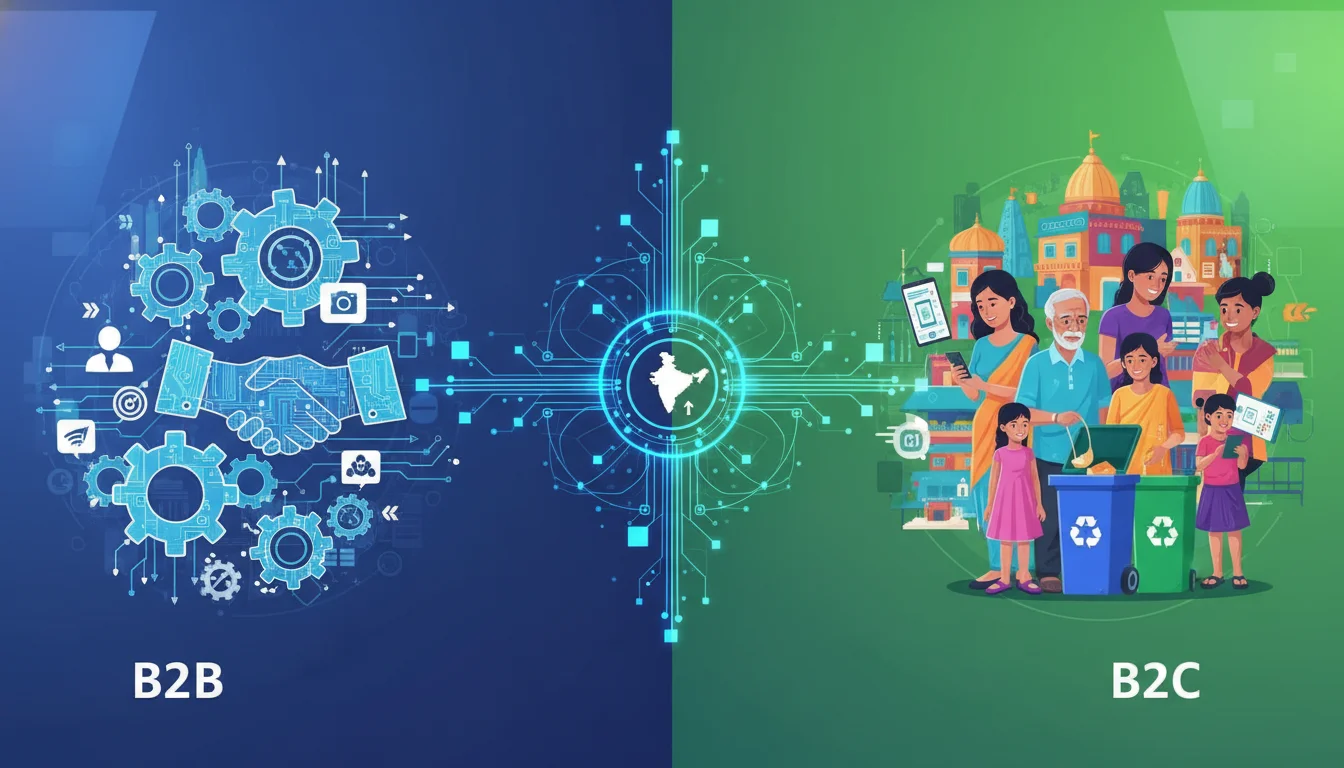
To aggressively capture market share in this rapidly evolving and multifaceted sector, a bifurcated digital marketing strategy is absolutely required. This strategy must be engineered to simultaneously address the complex, risk-averse procurement needs of corporate business-to-business clients while seamlessly catering to the convenience-driven, environmentally conscious demands of individual business-to-consumer households.
Business-to-Business Corporate Client Persona
The first target audience persona centers on the Business-to-Business Corporate Client. This persona typically includes Industrial Factory Managers, Corporate Sustainability Directors, and Municipal Procurement Officers tasked with waste oversight. Demographically, they represent professional decision-makers aged 35 to 55, located primarily in major industrial hubs and rapidly expanding metropolitan centers. Their primary preferences and operational pain points revolve around navigating complex regulatory compliance, maximizing logistical efficiency, generating secondary revenue from manufacturing waste streams, and ensuring the seamless execution of extended producer responsibility mandates to avoid steep tribunal fines. They inherently require robust data security for sensitive intellectual property disposal, verifiable audit trails for all processed materials, and highly transparent, predictable pricing models.
Business-to-Consumer Urban Household Persona
The second target audience persona focuses on the Business-to-Consumer Urban Household. This group is predominantly comprised of millennial and Generation Z individuals, aged 18 to 34, residing across tier-1, tier-2, and increasingly tier-3 cities. They possess a high baseline of environmental awareness and are philosophically driven by ethical consumption, but their primary behavioral constraint is transactional convenience. They demonstrate a strong preference for brands that offer frictionless digital interactions, completely transparent operational practices, and highly localized, vernacular communication that speaks directly to their immediate community challenges.
Engagement Strategy for Corporate Persona
To effectively engage the corporate persona, LinkedIn stands unparalleled as the premier recommended channel. The campaign types deployed here must focus strictly on authoritative thought leadership and highly targeted account-based marketing. Content ideas should eschew promotional fluff in favor of deep utility; this includes publishing detailed quarterly analyses of commodity scrap prices, comprehensive guides on navigating the latest Ministry of Environment compliance frameworks, and highly structured carousel posts breaking down the specific financial return on investment of implementing zero-waste manufacturing protocols. The narrative hook for these campaigns must fundamentally challenge conventional industrial assumptions regarding waste, framing it not as a costly disposal liability, but as an untapped secondary revenue stream and a critical pillar of corporate risk management and supply chain resilience.
Engagement Strategy for Consumer Persona
For the consumer persona, Instagram, YouTube Shorts, and localized Google search optimization are the optimal channels, leveraging the preference for short-form visual content. Campaign types should emphasize grassroots community mobilization, user-generated content propagation, and transparent, behind-the-scenes storytelling. Content ideas include vertical video series showcasing the exact lifecycle of a locally recycled plastic bottle, hyper-local awareness campaigns highlighting specific regional water contamination or air pollution crises, and educational breakdowns demonstrating how local informal waste workers are being empowered, paid fairly, and formalized by the company’s localized operations.
Budget-Friendly Digital Approach
A highly effective, budget-friendly digital approach essential for operating efficiently within the Indian market revolves around the aggressive utilization of WhatsApp Business automation coupled with meticulous Google My Business profile optimization. Search engine optimization for localized queries captures users at the precise moment of high commercial intent, requiring minimal continuous advertising spend compared to broad, untargeted national campaigns. Concurrently, deploying automated WhatsApp booking assistants fundamentally revolutionizes the logistical supply chain and customer service interface.
By setting up structured, artificial intelligence-driven workflows, a WhatsApp chatbot can instantly acknowledge consumer pickup requests, automatically collect vital metadata regarding the specific waste type, volume, and exact geolocation, and subsequently present a pre-qualified, ready-to-execute booking to a human logistics dispatcher. This automation architecture drastically reduces the human capital required for initial customer service triage, decreases initial response times by up to 90 percent, and critically prevents potential clients from seeking alternative, informal disposal methods due to communication friction or latency. This strategic integration bridges the historical gap between digital environmental awareness and actual physical waste collection with minimal financial overhead, making it ideal for scaling startups and expanding enterprises alike.
Keywords & SEO Opportunities
A dominant, revenue-generating search engine optimization strategy in the waste management sector necessitates a highly precise understanding of underlying user search intent. Broad, short-tail keywords generally attract users who are merely in the informational or educational phase of their journey, whereas highly specific, long-tail keywords—which account for over 91 percent of all web searches across search engines—strongly signal a user who is further along the buying cycle, ready to execute a transaction, or actively looking to secure a service contract. For waste management companies in India, capturing these low-competition, high-intent searches is vital for establishing continuous, high-quality lead generation.
The search engine optimization strategy must encompass a multi-layered approach that includes high-volume national industry terms and hyper-specific, localized service queries. Furthermore, to legitimately capitalize on the profound linguistic preferences of the Indian digital market, keyword research and on-page optimization must extend beyond English into major regional languages to capture the vast demographic that exclusively searches in their native tongue.
Keyword Classification
| Keyword Examples | Estimated Global / Regional Intent |
|---|---|
| High-Intent Core Keywords waste management, dumpster rental, electronic waste, plastic waste, hazardous waste disposal | Broad commercial intent; users seeking immediate, overarching commercial services or pricing structures. |
| B2B Long-Tail Keywords commercial e-waste pickup, manufacturing remnant recycling, compliance waste management solutions | Corporate entities seeking specific logistical solutions or regulatory compliance partnerships; high monetary value. |
| B2C Local Long-Tail Keywords appliance recycling near me, TV disposal near me, construction waste disposal [City Name], yard waste removal | Urban consumers or local independent contractors requiring immediate, location-specific collection services. |
| Regional / Vernacular (Hindi) ई-कचरा रीसाइक्लिंग (e-waste recycling), कचरा प्रबंधन सेवा (waste management service) | Capturing the vast demographic of internet users who prefer searching and transacting in their primary native language in Northern and Central India. |
| Regional / Vernacular (Marathi) ई-कचरा व्यवस्थापन (e-waste management), प्लास्टिक पुनर्वापर (plastic recycling) | Targeting the heavily industrialized hubs and highly eco-conscious tier-2 cities within the state of Maharashtra. |
| Regional / Vernacular (Tamil) மின்னணு கழிவு மறுசுழற்சி (e-waste recycling) | Reaching manufacturing and IT corridors in Southern India where local language preference dictates service selection. |
By implementing a sophisticated