Digital Marketing for Indian Printing & Packaging Growth
Industry Overview
The printing and packaging industry in India operates as a foundational macroeconomic pillar, providing critical infrastructure and support for virtually every manufacturing and retail sector, including fast-moving consumer goods (FMCG), pharmaceuticals, electronics, food processing, and e-commerce. Historically, the Indian print sector was heavily anchored in traditional commercial printing, relying on high-volume production of newspapers, magazines, catalogs, and corporate brochures. In stark contrast, this apparent downturn has catalyzed a monumental pivot toward packaging, effectively rescuing and revitalizing the broader printing ecosystem. Packaging has fundamentally evolved; it is no longer merely a protective vessel for product transit but rather a sophisticated, multifaceted medium crucial for brand identity, consumer engagement, supply chain traceability, and environmental compliance.
Current Market Size, Growth, and Trends
The empirical data surrounding the Indian printing and packaging sector highlights its sheer scale and rapid expansion. Currently ranked as the fifth-largest sector within the Indian economy, the national packaging industry was valued at approximately USD 84 billion (Rs. 7,36,092 crore) in 2024. Forecasts indicate a highly robust trajectory, with the market projected to reach USD 143 billion by 2029, expanding at a Compound Annual Growth Rate (CAGR) of 11.00%. Other aggressive economic models suggest the sector could touch USD 204.81 billion by 2025, operating at an accelerated CAGR of 26.7%. Consequently, India has recently surpassed Japan to become the world’s third-largest packaging market, driven predominantly by the e-commerce boom and the localization of manufacturing through government initiatives such as “Make in India”.
Within this expansive ecosystem, specific sub-segments demonstrate dynamic growth patterns. The paper packaging market, fueled by an urgent regulatory and consumer-driven shift away from single-use plastics, reached USD 19.07 billion in 2025 and is projected to escalate to USD 46.43 billion by 2030, registering a CAGR of 19.48%. Flexible paper packaging commands a dominant 53.74% share of this specific market, while food applications account for a massive 32.05% of the end-use revenue. Simultaneously, the custom printing market—driven by an intense demand for hyper-personalized brand experiences—generated USD 2,451.8 million in 2024 and is expected to grow at a CAGR of 11.8% to reach USD 4,790.4 million by 2030. While screen printing historically generated the largest revenue, digital printing is emerging as the most lucrative and fastest-growing technique, offering unparalleled agility for short-run, variable-data production.
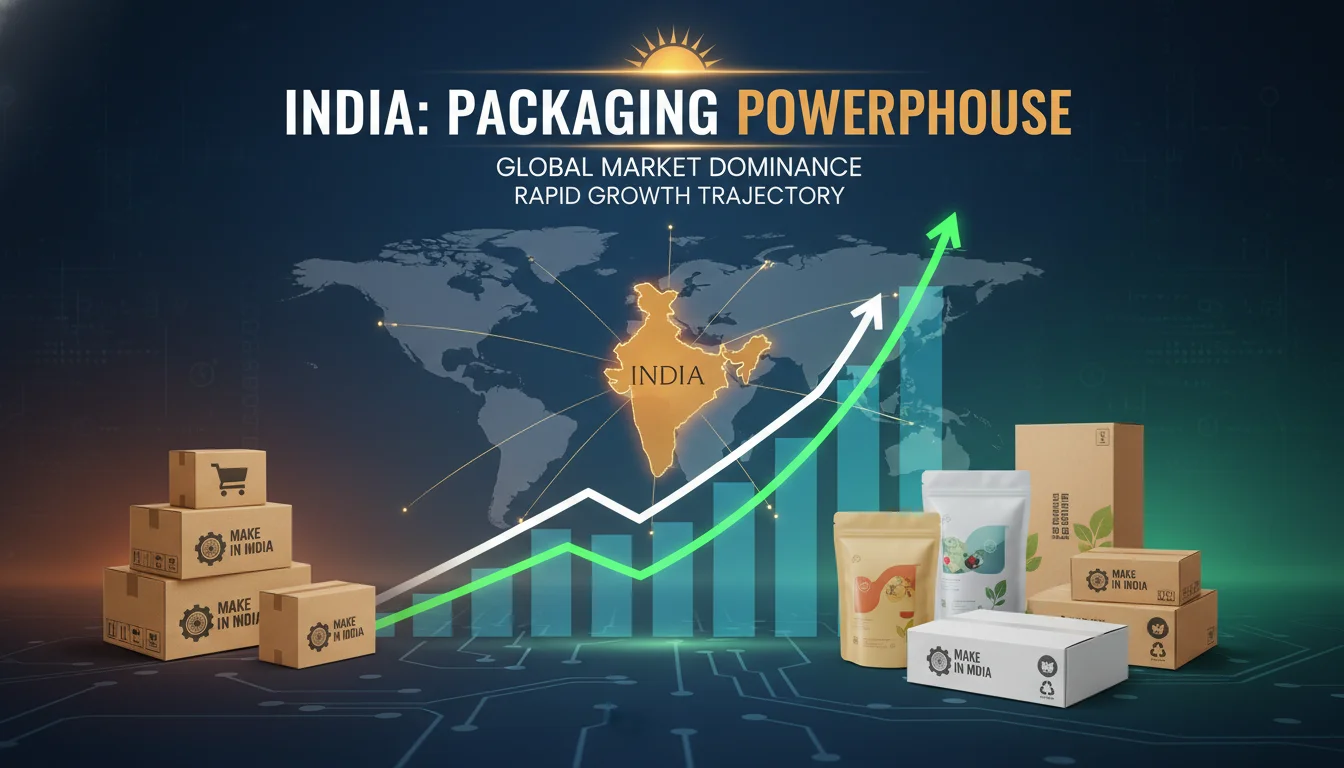
Table 1 delineates the projected growth trajectories of pivotal segments within the Indian printing and packaging market, synthesizing current intelligence.
| Market Segment | Base Year Valuation | Projected Valuation (Year) | Projected CAGR | Primary Growth Drivers |
|---|---|---|---|---|
| Overall Indian Packaging | USD 84 Billion | USD 143 Billion | 11.00% | E-commerce expansion, rising domestic consumption, localized manufacturing |
| Paper Packaging | USD 19.07 Billion | USD 46.43 Billion | 19.48% | Stringent sustainability mandates, aggressive plastic substitution |
| Custom Printing | USD 2.45 Billion | USD 4.79 Billion | 11.80% | Brand personalization, rapid advancements in digital printing infrastructure |
| Global Packaging Printing | USD 423.53 Billion | USD 640.33 Billion | 4.70% | Demand for smart packaging, APAC regional dominance |
A defining trend reshaping the industry is the relentless push toward sustainability and advanced material science. With Extended Producer Responsibility (EPR) regulations becoming strictly mandated across India, manufacturers face intense pressure to transition from traditional multi-layer laminates to fully recyclable mono-material pouches and paper-based self-adhesive labels. The food and beverage sector, in particular, relies heavily on innovations such as ethylene vinyl alcohol (EVOH) integrated into multi-material laminates to extend shelf life while navigating complex recycling challenges. Furthermore, the industry is witnessing the advent of “smart packaging,” which embeds Radio-Frequency Identification (RFID) tags, Near Field Communication (NFC), and artificial intelligence-driven sensors to monitor freshness, ensure digital traceability, and combat counterfeiting in the pharmaceutical and FMCG supply chains.
Key Challenges Faced by Businesses in this Industry
Despite its lucrative growth profile, the Indian printing and packaging sector is a highly volatile operational environment fraught with technological, environmental, and competitive bottlenecks.
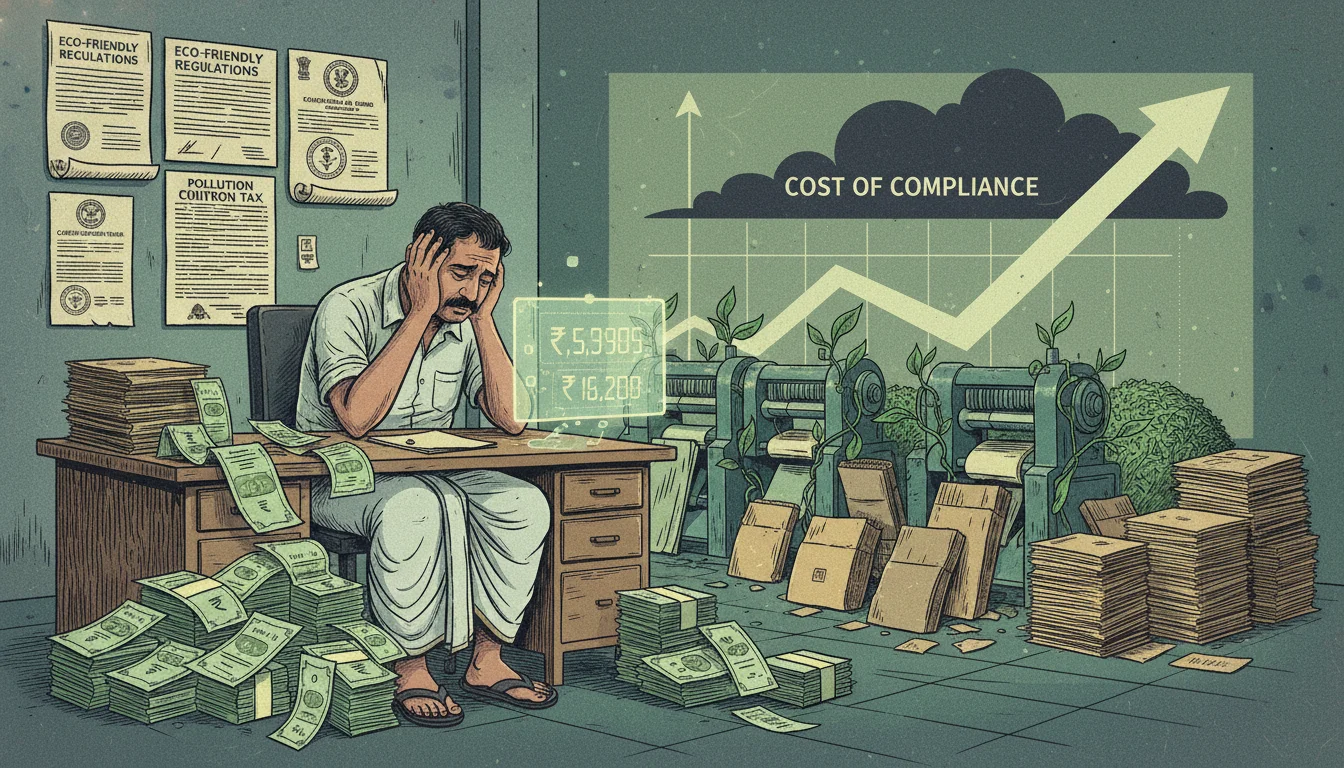
Foremost among these challenges is the astronomical capital expenditure required to align with modern sustainability goals. The transition from legacy manufacturing processes to eco-friendly practices—such as sourcing bagasse (a sugarcane byproduct) or investing in state-of-the-art effluent treatment plants—requires massive financial outlays. It is estimated that the Indian paper and packaging industry must inject approximately Rs. 50,000 crore to achieve mandated sustainability targets. For Micro, Small, and Medium Enterprises (MSMEs), which constitute the lifeblood of the Indian manufacturing sector, the high upfront costs of compliance act as a severe barrier to profitability and survival. Furthermore, stringent environmental regulations regarding wastewater and greenhouse gas emissions continuously inflate operational and compliance costs.
Operationally, manufacturers grapple with acute technical inefficiencies related to print quality and substrate versatility. Modern packaging demands printing across diverse materials, including high-barrier flexible films, coated glass, metalized surfaces, and rough corrugated boards. This diversity frequently leads to inconsistent print quality, faded graphics, poor ink adhesion, and smudging, which severely degrades brand perception. These technical failures necessitate slower production speeds and frequent machine recalibrations, leading to higher unit costs and substantial material wastage in high-volume runs.
Competitively, the domestic market is under siege from cheap imports, primarily from China and Indonesia, creating an environment of intense price warfare and market saturation. To survive, Indian businesses cannot merely compete on price; they must optimize their manufacturing throughput and drastically elevate their brand positioning. However, traditional B2B sales methodologies—relying on localized word-of-mouth, physical trade shows, and manual relationship-building—are proving entirely insufficient in an era where procurement processes have digitized. The inability of many legacy packaging firms to effectively articulate their value propositions online results in lost market share to more digitally agile competitors.
Digital Landscape in India (Contextual to the Industry)
The digital transformation of the Indian subcontinent has fundamentally rewired B2B consumer behavior, establishing a commercial reality where digital proficiency is inextricably linked to corporate survival. With ubiquitous access to high-speed internet and the aggressive penetration of mobile technology into tier-2 and tier-3 manufacturing hubs, the professional procurement ecosystem has migrated entirely online. This macro-level paradigm shift has profound implications for how printing and packaging companies must architect their go-to-market strategies to capture high-value, long-term contracts.
Internet & Social Media Usage Relevant to Printing and Packaging Companies
India’s digital landscape is unequivocally defined by a “mobile-first, video-first” consumer base. The democratization of digital access is evidenced by the staggering rise in rural smartphone penetration, which escalated from 36% in 2018 to 84% by 2024, aligning closely with the national average of 89.1%. For B2B packaging manufacturers, this statistic is critical; it signifies that modern procurement officers, brand managers, and supply chain executives are perpetually connected, conducting exhaustive vendor research via mobile devices long before initiating formal contact.
A transformative development within this digital consumption pattern is the overwhelming dominance of short-form video. Formats such as Instagram Reels and YouTube Shorts have transcended their B2C entertainment origins to become vital tools for B2B discovery. Short-form video is currently the most viewed format in India, with 97% of consumers engaging with it daily, and 92% explicitly preferring Reels over alternative platforms. In the B2B marketing sphere, video consumption is accelerating at 1.6 times the rate of all other content types across professional networks. Short-form videos that concisely demonstrate manufacturing capabilities—such as the burst strength of a corrugated box, the precision of automated die-cutting machinery, or the flawless application of shrink sleeves—allow manufacturers to instantly convey operational scale and build trust. Approximately 82% of B2B marketers acknowledge that video significantly expedites the trust-building process with key decision-makers.
Popular Platforms Among the Target Audience
Platform relevance in the Indian B2B packaging sector is determined by a platform’s networking utility, search visibility, and capacity for direct, frictionless communication.
First, LinkedIn serves as the undisputed global and regional hub for professional networking, corporate brand architecture, and B2B lead generation.
For packaging firms, LinkedIn is not optional; it is a critical venue for connecting with FMCG procurement heads, showcasing thought leadership regarding circular economy compliance, and executing sophisticated B2B influencer marketing campaigns.
Second, the WhatsApp Business API has emerged as the most vital conversational commerce tool in the Indian market. Given the deeply relational nature of Indian business, WhatsApp bridges the gap between formal corporate communication and immediate accessibility. The integration of the WhatsApp API with digital aggregators like IndiaMART allows manufacturers to instantly deploy automated, personalized quotes, 3D product catalogs, and follow-up sequences to inbound inquiries, vastly reducing speed-to-lead and dramatically improving conversion probabilities in a highly competitive sector. Data indicates that nearly 60% of users are highly receptive to transactional messaging and offers via WhatsApp.
Third, visual and video-centric platforms such as Instagram and YouTube serve distinct research functions. Instagram acts as a high-fidelity visual portfolio for custom packaging, luxury rigid boxes, and vibrant flexible labels, appealing directly to brand marketers and design influencers. Conversely, YouTube functions as an essential repository for long-form, highly technical content—such as detailed factory tours, unboxing analyses, and equipment capability demonstrations—catering to the deep-research phase of the B2B buying cycle.
Fourth, established B2B marketplaces such as IndiaMART and TradeIndia remain high-traffic, mandatory destinations for SME procurement and broad lead generation. However, reliance exclusively on these aggregator portals risks commoditizing a manufacturer’s offerings, making an independent, authoritative digital presence crucial for brand differentiation and premium pricing.
Consumer Online Behavior Related to Printing and Packaging Companies
The purchasing behavior of B2B buyers within the Indian packaging industry has evolved to mirror the frictionless expectations of modern B2C e-commerce. Corporate buyers now demand instant access to technical specifications, pricing transparency, and robust social proof. Research underscores that the contemporary B2B buyer relies on more than ten distinct external influencers—including peer networks, digital content, social media platforms, and industry forums—before finalizing a vendor decision. Consequently, an omnichannel digital presence is non-negotiable.
A highly specific behavioral hallmark of the Indian market is the reliance on “intent-driven,” price-conscious search queries. Indian procurement officers frequently utilize definitive modifiers in search engines to cut through informational noise. Queries such as “corrugated box manufacturer in Ahmedabad,” “custom eco-friendly packaging cost,” or “flexible packaging film price per kg” dominate local service searches. Dual-language phrasing and region-specific vocabulary further complicate search behavior, requiring hyper-localized SEO strategies.
Furthermore, the demand for immediate gratification and transparency has elevated expectations for interactive website functionalities. B2B buyers are increasingly frustrated by the traditional, protracted “request a quote” email cycle. They now expect sophisticated, self-serve digital tools, such as embedded 3D visualizations of packaging designs and real-time, algorithmic pricing calculators directly on the manufacturer’s website, enabling them to evaluate costs and aesthetics instantly.
Digital Marketing Opportunities
The multifaceted challenges plaguing the Indian printing and packaging sector—ranging from immense capital expenditure requirements and high customer acquisition costs to intense domestic and international price competition—can be systematically dismantled through the strategic application of advanced digital marketing. By transitioning from reactive, localized traditional selling to proactive, data-driven digital inbound strategies, packaging firms can achieve unprecedented, scalable growth.
How Digital Marketing Can Solve Key Challenges
To neutralize the threat of cheap imports and domestic price wars, packaging companies must fundamentally elevate their brand perception from a commoditized vendor to an indispensable strategic partner. Digital marketing facilitates this transformation by providing a platform to articulate unique value propositions, such as rigorous ISO-certified quality control, adherence to sustainable material sourcing, and rapid logistical turnaround times. Through targeted Content Marketing and Search Engine Optimization (SEO), a company establishes authoritative subject-matter expertise. When a packaging firm publishes an exhaustive whitepaper on “Navigating Extended Producer Responsibility (EPR) in the Indian FMCG Sector” or a technical guide on “Maximizing Shelf Life with High-Barrier EVOH Laminates,” it captures high-intent traffic, educates the buyer, and builds insurmountable trust before pricing negotiations ever commence. This educational positioning justifies premium pricing and insulates the firm from race-to-the-bottom bidding wars.
Furthermore, digital transformation optimizes operational efficiencies within the sales pipeline. The integration of Customer Relationship Management (CRM) systems with automated marketing workflows ensures that no inquiry is lost, drastically reducing the cost of lead acquisition and improving the overall Return on Investment (ROI).
Best Strategies for Printing and Packaging Companies in India
Search Engine Optimization (SEO) & High-Intent Paid Search (PPC)
SEO represents the bedrock of sustainable digital visibility. For commercial printers and packaging providers, optimizing digital architecture for both broad industry terms and highly specific, localized long-tail keywords is paramount. Paid Search campaigns (Google Ads) provide immediate, targeted visibility for purely transactional queries. In the B2B space, where sales cycles extend across months, retargeting campaigns are exceptionally effective; maintaining brand visibility to a procurement officer who previously visited the site ensures top-of-mind recall during the critical vendor selection and final approval phases.
Interactive Web Experiences: 3D Mockups and Dynamic Quote Calculators
The deployment of interactive digital tools on B2B websites serves as a profound differentiator in a crowded market. Traditional packaging procurement relies on multiple iterations of physical prototyping, which is costly, slow, and environmentally wasteful. Integrating web-based 3D packaging preview tools—leveraging technologies like Adobe Dimension, Esko Studio, or Pacdora APIs—empowers clients to upload their proprietary artwork and instantly view photorealistic, 360-degree renderings of corrugated boxes, shrink sleeves, or flexible pouches directly within their browser. Coupling this visual capability with an interactive quote calculator—where a user inputs specific parameters such as dimensions, material GSM, print finishes, and volume to receive an algorithmic cost estimate—drastically eliminates friction, captures high-quality contact data, and accelerates the sales pipeline from weeks to minutes.
B2B Influencer Marketing and Strategic Social Proof
Influencer marketing within the B2B industrial sector is a highly sophisticated endeavor centered on thought leadership and empirical authority, moving far beyond the superficial metrics of B2C lifestyle endorsements. Partnering with prominent supply chain experts, sustainability advocates, or recognized voices on LinkedIn can exponentially expand a packaging brand’s reach. Influencers command deep credibility; when an industry authority dissects a manufacturer’s innovative biodegradable packaging solution or advanced printing capabilities, it carries the persuasive weight of an organic, peer-reviewed endorsement rather than a corporate advertisement. Strategies include executive thought-leadership positioning, co-hosting industry podcasts, and leveraging micro-influencers to validate technical claims.
Short-Form Video Production and Omnichannel Content Marketing
Deploying high-fidelity, short-form videos (Instagram Reels, YouTube Shorts) to highlight automated manufacturing processes, rigorous quality testing (e.g., edge-crush tests for corrugated boards), or the tactile unboxing experience of a premium rigid box humanizes the corporate brand and provides indisputable, visual proof of capability. Content marketing strategies must heavily emphasize detailed case studies, as demonstrating quantifiable past successes with recognizable, blue-chip brands is the most potent form of B2B social proof available, effectively mitigating perceived risk for new buyers.
Local and Global Examples/Case Studies
Real-world applications unequivocally validate the efficacy of these digital interventions.
Uflex Limited, India’s largest multinational flexible packaging conglomerate, executed an aggressive SEO and digital optimization campaign to fortify its online dominance. By focusing meticulously on technical site improvements, search engine-friendly URL structures, and the generation of high-authority backlinks, Uflex achieved a remarkable 35% increase in organic traffic. More critically, the firm secured first-page Google rankings for highly competitive, high-intent keywords such as “Packaging Film Manufacturers in India” and “Rotogravure Printing Machines,” directly resulting in a 10% surge in qualified lead generation.
Similarly, an international digital marketing case study for a B2B packaging firm operating across Asian markets demonstrated that comprehensive SEO and localized SEM activities increased monthly leads from 120 to over 200, while simultaneously slashing the cost-per-lead by more than 50% (from SGD 25 to SGD 12). In the burgeoning Direct-to-Consumer (D2C) space, brands such as Ghar Soaps utilized a massive coalition of micro-influencers to showcase product packaging and efficacy, resulting in over 25 million organic views and a staggering 300% spike in website traffic. This illustrates the profound viral potential of well-executed digital campaigns surrounding consumer packaged goods and their visual presentation.
Competitive Analysis
A granular analysis of the top-tier printing and packaging conglomerates in India reveals a stark dichotomy between their formidable physical manufacturing capabilities and their highly disparate levels of digital maturity. Industry leaders such as Uflex, TCPL Packaging, Huhtamaki India, and AGI Greenpac dominate the market by revenue, production scale, and global footprint. However, dissecting their digital footprints offers critical insights into prevailing industry gaps, exposing lucrative vulnerabilities that agile MSMEs can aggressively exploit.
Current Digital Presence of Top Businesses in India
Table 2 provides a comparative snapshot of key financial and strategic metrics for select industry leaders, contextualizing their scale and operational focus.
| Company Name | Strategic Market Focus | Price-to-Earnings (PE) | Price-to-Book (PB) | Net Profit (PAT TTM in Cr) | Key Digital Footprint Characteristics |
|---|---|---|---|---|---|
| Uflex Ltd. | Global flexible packaging, holography, advanced polymers | 17.9 | 0.3 | 302 | Strong technical SEO, corporate scale presentations, high organic visibility. |
| TCPL Packaging Ltd. | Sustainable folding cartons, Southern India expansion, mono-polymer films | 15.0 | 3.3 | 114 | Excellent digital PR for acquisitions and expansions, strong corporate governance messaging. |
| AGI Greenpac Ltd. | Glass containers, specialized high-end packaging | 10.0 | 1.5 | 333 | Robust B2B portal presence, traditional corporate website structure. |
| Huhtamaki India Ltd. | Global sustainable packaging, flexible solutions | N/A | N/A | High ROE/ROCE relative to peers | Deeply content-driven focus on global circular economy and EPR compliance thought leadership. |
Financial data derived from.
What They Are Doing Well:
Uflex unequivocally stands out for recognizing the commercial necessity of a modernized digital inbound architecture. As previously noted, their highly structured approach to SEO—targeting high-intent B2B industrial keywords rather than broad terms—has successfully generated sustained inbound leads. Their digital strategy is heavily augmented by active social media utilization, comprehensive corporate presentations, and thought leadership that effectively communicates their massive technological prowess and global operational scale.
TCPL Packaging excels in traditional corporate communications and operational transparency. They actively and effectively leverage digital platforms (LinkedIn, specialized industry press like PrintWeek) to announce strategic greenfield facilities, cutting-edge technological acquisitions (such as their advanced Bobst rotogravure presses with TAPS automation), and their shift toward fully recyclable mono-polymer laminates. Their use of digital channels is primarily informational and investor-focused, serving to reassure existing stakeholders and enterprise clients of their continuous growth and operational stability.
Huhtamaki India relies heavily on its global reputation and intellectual capital regarding sustainability. Their digital content strategy is sharply focused on thought leadership regarding eco-friendly packaging, carbon reduction, and circular economy initiatives, aligning seamlessly with the mandates of multinational FMCG corporations.
Gaps and Opportunities to Outperform Them
Despite generating massive revenues, the digital strategies of these legacy giants are frequently characterized by a static, “corporate brochure” mentality. This approach leaves vast, unaddressed gaps in the Digital Customer Experience, presenting significant opportunities for agile competitors.
- Lack of Interactive Digital Procurement Tools: The most glaring vulnerability across top-tier B2B websites in this sector is the total absence of self-serve, interactive functionalities. Buyers cannot interact with 3D models of packaging, nor can they access dynamic, real-time pricing calculators based on volume, GSM, and substrate choices. An agile SME manufacturer can easily outmaneuver these monolithic corporations by integrating seamless, interactive Webflow calculators or customized pricing engines that instantly provide value and capture high-intent lead data.
- Underutilization of B2B Influencer Marketing and Humanization: While large firms publish extensive corporate PR and sustainability reports, there is a distinct absence of humanized, relatable B2B influencer marketing. Engaging industry experts on LinkedIn to critically review packaging quality, discuss real-world sustainability metrics, or host interactive webinars remains a massively untapped channel in the Indian context.
- Absence of Hyper-Local and Intent-Driven Content Architecture: Large corporations invariably focus their SEO efforts on broad, national, or global keywords to reflect their scale. Mid-sized packaging firms can capture significant, highly profitable market share by ruthlessly dominating localized, high-intent search queries (e.g., “pharmaceutical folding carton manufacturer in Gujarat” or “custom printed corrugated boxes in Pune”). Utilizing highly optimized Google Business Profiles and meticulously localized landing pages exploits this gap.
- Poor Integration of Automated Follow-ups and Speed-to-Lead: The speed-to-lead in traditional B2B manufacturing is notoriously slow, often taking days for a sales representative to respond to a web inquiry. Implementing AI-driven WhatsApp Business API integrations to instantly acknowledge inquiries, distribute digital catalogs, and initiate triage conversations creates a competitive advantage in responsiveness that larger, highly bureaucratic organizations simply cannot match.
Recommended Strategy for Printing and Packaging Companies in India
To successfully navigate the intense competitive and digital complexities of the Indian market, printing and packaging MSMEs must abandon fragmented, reactive marketing tactics. Success requires the implementation of a cohesive, data-driven digital strategy built upon a precise understanding of the target audience, judicious budget allocation, and the deployment of high-converting, educational content.
Target Audience Persona (Age, Location, Preferences)
In the B2B manufacturing sector, purchasing decisions are rarely unilateral. A successful digital strategy must be engineered to cater to a complex buying committee, which typically comprises three distinct, highly influential personas:
-
The Decision-Maker (C-Suite, VP of Operations, Plant Manager):
- Profile: Ages 45-60. Located in corporate headquarters across major metros (Mumbai, Delhi NCR, Bangalore).
- Preferences: Focused entirely on macro-level ROI, scalability, operational efficiency, and overall brand impact. They are highly analytical and consume high-level case studies, comprehensive industry reports, and financial performance data. They require proof of supply chain resilience and long-term partnership viability.
-
The Procurement Officer / Supply Chain Lead:
- Profile: Ages 35-50. Located near manufacturing hubs (Gujarat, Tamil Nadu, Maharashtra).
- Preferences: Highly pragmatic and driven by cost-efficiency, vendor reliability, and strict regulatory compliance (especially EPR mandates). They actively search for pricing transparency, bulk supply capabilities, logistical footprint, and seamless onboarding experiences. They are the primary users of B2B portals and price calculators.
-
The Influencer (Packaging Engineers, Marketing Managers, Brand Leads):
- Profile: Ages 28-45. Located in corporate offices.
- Preferences: These individuals dictate the technical specifications and aesthetic requirements. They are highly active on digital platforms (LinkedIn, Instagram, Pinterest), extensively researching new material sciences, 3D design capabilities, innovative print finishes, and enhanced unboxing experiences. They value creativity, sustainability, and technological integration.
Recommended Channels and Campaign Types
A robust digital strategy for Indian packaging companies must operate continuously across the entire marketing funnel—from initial brand awareness to immediate, transactional lead generation.
- Search Engine Optimization (SEO) & Local SEO: The absolute foundation of inbound lead generation.
Emphasizing localized SEO ensures that a manufacturing facility appears prominently when buyers search within specific industrial clusters, capturing high-intent, immediate-need traffic.
- LinkedIn Marketing & Social Selling: Utilizing LinkedIn’s sophisticated targeting capabilities to reach specific job titles (e.g., “Procurement Head at FMCG” or “Brand Manager”). Campaigns should blend Sponsored Content with direct InMail outreach. Furthermore, encouraging executive leadership to actively post thought-leadership content humanizes the brand and builds corporate authority.
- WhatsApp Marketing Automation: An essential utility for the Indian market. Utilizing the WhatsApp Business API to run “Click-to-WhatsApp” ads on Facebook and Instagram captures immediate consumer intent, allowing the sales team to engage prospects directly on their preferred, high-engagement communication channel, drastically improving lead qualification speed.
- Short-Form Video Campaigns (Reels/Shorts): Producing 30 to 60-second high-quality videos demonstrating factory operations, structural integrity tests of corrugated boxes, or the visual appeal of holographic and digital printing. This leverages the massive Indian appetite for short-form content to visually prove manufacturing excellence.
- Exhibition Digital Integration (Phygital Strategies): Maximizing ROI from major industry events like PrintPack India 2025 or PackPlus 2024. Digital strategies must include pre-event targeting via LinkedIn to drive stall footfall, utilizing QR-code-enabled digital business cards and 3D catalogs on the floor, and triggering automated post-event email/WhatsApp nurturing sequences via integrated visitor management systems (like n-Gauge) to convert interactions into sales pipeline.
Content Ideas Specific to Printing and Packaging Companies
Content must deliberately transition from purely promotional material to highly educational resources, positioning the manufacturer as an indispensable consultant rather than a transactional vendor.
- Educational Guides & Whitepapers: Publish highly authoritative content such as “The 2025 Executive Guide to EPR Compliance for FMCG Packaging in India,” or “Strategies to Reduce E-commerce Transit Damage Utilizing Custom Corrugated Engineering”.
- Interactive Diagnostic Tools: Develop web-based tools like a “Packaging Sustainability Calculator” where brands can input their current plastic usage metrics and immediately visualize the carbon offset and potential cost savings of switching to paper-based or mono-material alternatives provided by the manufacturer.
- In-Depth Visual Case Studies: Detailed breakdowns highlighting a specific client challenge (e.g., rapid food spoilage), the technical solution engineered (e.g., high-barrier EVOH multi-layer films), and the ultimate commercial impact (e.g., shelf-life extended by 40%, reducing return rates).
- Behind-the-Scenes Manufacturing Content: Time-lapse videography of a state-of-the-art digital printing press run, the precision of a die-cutting machine, or the automated folding and gluing of corrugated boxes to visibly demonstrate operational scale, cleanliness, and technological sophistication.
Budget-Friendly Digital Marketing Approaches
For MSMEs operating under constrained marketing budgets, avoiding common pitfalls—such as lacking clear goals, engaging in short-term thinking, or copying competitors blindly—is critical to preventing capital bleed. The implementation of the “70-20-10” budget allocation framework is highly recommended to maximize ROI.
- 70% of the digital budget should be rigorously allocated to proven, high-ROI, bottom-of-funnel channels. This includes highly targeted Google Search Ads capturing exact-match, high-intent keywords, and sustained investment in foundational SEO and Google Business Profile (Local SEO) optimization.
- 20% should be invested in high-potential growth channels showing early traction, such as LinkedIn B2B targeted advertising and the development of evergreen, high-quality content assets (whitepapers, professional video case studies).
- 10% should be strictly reserved for experimental, vanguard strategies. This could involve partnering with micro-influencers in the logistics or sustainability space, or testing new AI-driven design and integration tools.
Furthermore, MSMEs must strategically leverage government policy support. The Union Budget for FY26 significantly raised the investment and turnover limits for MSMEs (e.g., medium enterprises now have a turnover limit of Rs. 500 crore), allowing companies to reinvest greater capital into digital infrastructure and marketing without losing their beneficial MSME classification.
Keywords & SEO Opportunities
Effective keyword research within the Indian B2B context requires a highly nuanced understanding of localized search behavior, dual-language phrasing quirks (e.g., mixing English with regional terminology), and the explicit commercial intent heavily embedded in specific queries.
High-Intent Keywords for Ranking
High-intent keywords reside at the absolute bottom of the marketing funnel. The user has completed their educational research phase and is actively seeking a vendor to initiate an immediate transaction. In India, these queries are heavily characterized by distinct price modifiers (“cost”, “price”, “rates”) and explicit geographical markers. Capturing these keywords ensures the highest possible conversion rate for paid advertising and localized organic rankings.
Table 3 illustrates core high-intent keywords that Indian packaging companies must target.
| Keyword Category | Example High-Intent Keyword | Strategic Value & User Intent |
|---|---|---|
| Location-Based | corrugated box manufacturers in [City Name] | Captures localized procurement officers seeking immediate, proximate suppliers to reduce freight costs. |
| Material/Custom | custom [material] packaging suppliers near me | High commercial intent for specialized needs (e.g., custom rigid boxes, custom printed flexible films). |
| Volume/B2B | bulk packaging supplies wholesale India | Targets enterprise-level buyers or distributors seeking massive volume and economies of scale. |
| Price/Pricing | flexible packaging film price per kg | Highly transactional. The buyer is explicitly in the rate-negotiation and vendor comparison phase. |
| Equipment/CapEx | rotogravure printing machine cost | Essential for B2B machinery suppliers; indicates readiness to make significant capital investments. |
These bottom-of-funnel keywords indicate profound readiness to evaluate quotes, making them the primary, non-negotiable targets for Google Ads bidding and meticulously optimized, localized landing pages.
Long-Tail Keyword Opportunities (India-Specific)
Long-tail keywords are highly specific, conversational phrases that generally consist of three or more words. While they possess lower individual monthly search volumes compared to broad head terms, their cumulative volume is massive. More importantly, they face significantly lower competitive resistance, allowing MSMEs to rank highly with relatively less effort. Long-tail keywords capture buyers deep in the research and problem-solving phase, allowing a manufacturer to intercept the lead, provide value, and build trust long before the buyer begins searching for generic suppliers.
Table 4 highlights highly lucrative long-tail keyword structures specifically tailored to current trends in the Indian printing and packaging sector.
| Strategic Category | Example India-Specific Long-Tail Keyword | User Intent / Application Strategy |
|---|---|---|
| Sustainability | best alternatives to single use plastic packaging India | Educational intent. Target with comprehensive blog posts; firmly positions the brand as a sustainable advisory expert. |
| Retail Efficiency | retail ready packaging solutions for FMCG brands | Niche targeting. Attracts large retail or supermarket supply chain managers looking to optimize shelf space and labor efficiency. |
| Regulatory Compliance | EPR compliant flexible packaging materials India | Deep regulatory intent. Highly specific to current Indian environmental mandates; perfectly captures anxious corporate procurement teams. |
| Technical Solutions | high barrier multi layer EVOH films for food preservation | Problem-solving intent. Attracts food processing engineers actively seeking highly technical solutions for extended shelf-life. |
| E-commerce/D2C | custom printed corrugated shipping boxes for D2C brands | Strong commercial intent. Capitalizes heavily on the massive, ongoing surge of direct-to-consumer startup brands across India requiring unique unboxing experiences. |
Implementing a robust, consistently updated blog and resource center that specifically, thoroughly answers these long-tail queries will drive compounded, high-quality organic traffic over time, establishing the manufacturer’s domain as a central, authoritative hub of industry knowledge.
Implementation Roadmap
To ensure a structured, measurable, and highly effective digital transformation, printing and packaging companies must deploy their strategies in distinctly phased horizons. This roadmap prioritizes immediate revenue generation to fund further marketing investments, while systematically building long-term, unshakeable digital equity.
Short-Term Quick Wins (1–3 Months)
The initial phase is relentlessly focused on capturing existing market demand, optimizing currently underperforming digital assets, and establishing rapid, frictionless communication channels.
1. Digital Audit and Local SEO Domination:
-
Claim, verify, and exhaustively optimize the Google Business Profile (GBP).
- Ensure absolute consistency of Name, Address, and Phone number (NAP) data across all Indian business directories (JustDial, TradeIndia, Sulekha).
- Rapidly design and publish localized, high-converting landing pages targeting specific high-intent keywords (e.g., “Premium Rigid Box Manufacturer in Delhi NCR”).
WhatsApp Business API Integration & Automation:
- Deploy the WhatsApp Business API, fully integrating it with the company website and existing B2B portal listings (such as IndiaMART).
- Configure automated greeting messages, digital PDF catalog distribution, and instant quotation follow-up sequences. This addresses the critical industry flaw of slow response times, instantly engaging leads while competitors delay.
High-Intent PPC Campaigns & Retargeting:
- Launch highly targeted Google Search Ad campaigns focusing exclusively on bottom-of-funnel, exact-match commercial keywords (e.g., “buy bulk corrugated boxes online”) to generate immediate Requests for Quotation (RFQs).
- Implement tracking pixels (Meta and Google) to establish retargeting campaigns, capturing website visitors who demonstrated intent but did not immediately convert.
Foundational Content Baseline:
- Eliminate critical website friction points by creating exhaustive FAQ pages detailing minimum order quantities (MOQs), average turnaround times, logistics, and available substrates/printing technologies.
Long-Term Strategy (6–12 Months)
With a revenue-generating foundation firmly established, the secondary phase shifts focus toward achieving technological differentiation, cementing brand authority, and building automated scale.
Deployment of Interactive Web Tools (Calculators & 3D):
- Develop and natively embed an interactive pricing calculator on the website. This allows prospects to dynamically estimate costs based on dimensions, materials, and print options. This acts as a highly potent lead magnet, effectively gating the final estimated price behind a mandatory lead-capture form.
- Integrate advanced 3D packaging visualization software (utilizing APIs from platforms like Pacdora or Adobe Dimension). This enables clients to upload their artwork and view real-time, 360-degree 3D mockups of boxes or pouches directly on the browser, drastically accelerating the design approval process.
B2B Influencer and Omnichannel Thought Leadership:
- Initiate deeply collaborative campaigns with industry experts on LinkedIn. Sponsor content where respected influencers critically review the durability, print quality, or eco-friendliness of the manufacturer’s packaging lines.
- Launch a sustained series of high-production-value, short-form videos (Reels/Shorts) detailing the intricacies of the manufacturing processes, quality assurance tests, and sustainable practices, capitalizing on India’s preference for video content.
Advanced Content SEO and Whitepapers:
- Roll out a comprehensive editorial calendar targeting the long-tail keywords identified previously. Publish deep-dive, highly technical whitepapers on subjects such as “Navigating the Shift to Mono-Materials in Indian FMCG Packaging” to capture top-of-funnel corporate engineering leads.
Exhibition Digital Ecosystem Integration (Phygital Domination):
- For upcoming, critical industry events (e.g., PrintPack India 2025, PackPlus), establish a hybrid physical-digital strategy. Utilize pre-event digital targeting to drive specific accounts to the booth, utilize QR-code-enabled digital business cards and augmented reality catalogs on the exhibition floor, and trigger automated CRM workflows (leveraging platforms like n-Gauge) to seamlessly nurture the leads generated post-event into the sales pipeline.
Conclusion
The Indian printing and packaging industry has unequivocally reached a critical, transformational inflection point. Driven by a massive e-commerce boom, increasingly stringent environmental regulations mandating circular economy practices, and the rapid, disruptive evolution of digital printing technologies, the sector is expanding at an unprecedented rate. However, the operating environment remains exceptionally unforgiving and fiercely competitive, fraught with existential challenges surrounding immense capital expenditure, technical consistency, and intense, relentless price pressure from both domestic saturations and overseas imports.
In this complex landscape, digital marketing is no longer a peripheral, discretionary corporate function; it is the central nervous system of sustainable commercial growth. The era of traditional, localized, relationship-based selling is rapidly giving way to digitized, frictionless procurement. Modern B2B buyers now conduct exhaustive, multi-touchpoint online research, demand absolute pricing transparency, and expect interactive, consumer-grade digital experiences before ever electing to speak to a sales representative. Packaging companies that fail to aggressively digitize their customer acquisition strategies will inevitably face severe margin compression and irreversible market share erosion.
Conversely, manufacturers that strategically and holistically deploy technical SEO, high-intent paid advertising, interactive 3D web tools, highly engaging short-form video content, and automated WhatsApp communication infrastructure will systematically lower their customer acquisition costs. They will elevate their brand perception from commoditized vendors to strategic partners, enabling them to capture high-value, long-term enterprise contracts.
To execute this complex digital transformation seamlessly and profitably, packaging businesses require a strategic partner possessing deep technical expertise and a highly nuanced understanding of industrial B2B marketing dynamics. Gurkha Technology, a leading digital marketing company in Nepal, stands uniquely positioned to drive this exponential growth. By leveraging profound regional market insights, executing advanced technical integrations—from developing automated quote calculators to orchestrating complex WhatsApp API deployments—and engineering comprehensive, intent-driven SEO strategies, Gurkha Technology empowers printing and packaging enterprises to dominate the digital landscape. Partnering with Gurkha Technology ensures that your digital infrastructure works tirelessly to generate high-quality leads, build unwavering industry authority, and ultimately transform your digital presence into your most powerful, scalable manufacturing asset.