Digital Marketing for India's Booming Pet & Vet Care
Industry Overview
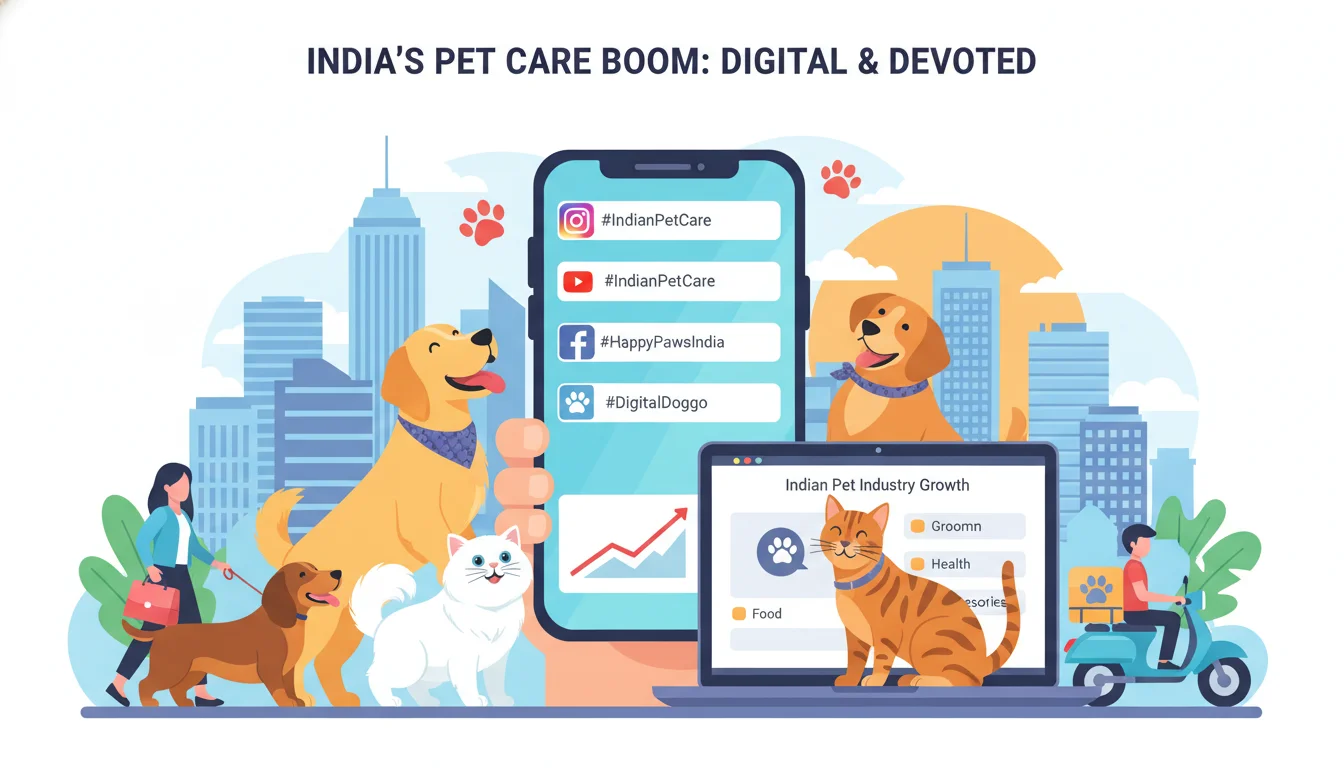
The landscape of pet care services and veterinary clinics in India has undergone a profound structural, economic, and cultural transformation over the past decade. Historically, pet ownership within the subcontinent was largely utilitarian, with animals predominantly serving as guard dogs in urban settings or functioning within agrarian environments. However, rapid urbanization, rising disposable incomes, and the proliferation of nuclear families have catalyzed a sweeping cultural shift toward pet humanization. Today, pets are unequivocally viewed as integral family members, emotional anchors, and lifelong companions. This psychological transition from traditional “pet ownership” to modern “pet parenting” is the primary engine driving exponential market growth, compelling consumers to demand premium, specialized, and highly accessible care for their companion animals. The behavioral shift is starkly visible in ethnographic observations; post-pandemic work-from-home models have allowed individuals to spend unprecedented time with their pets, strengthening bonds and heightening awareness regarding animal hygiene, nutrition, and mental well-being.
The demographics underlying this surge reveal a dynamic market driven by younger generations. Urban millennials and Generation Z individuals are at the vanguard of this movement, representing a formidable economic force. Industry analysis indicates that Gen Z is leading the surge in pet parenting in India, with 70% of Indian pet parents being first-time owners in 2024. This demographic is characterized by high digital literacy, heightened awareness of animal welfare, and a propensity to spend disposable income on premium pet nutrition, preventive veterinary care, and lifestyle services such as grooming and behavioral training. The market has correspondingly evolved from offering fragmented, basic necessities to a sophisticated ecosystem of organized premium offerings, transitioning pet care into a luxury lifestyle category.
The economic footprint of the Indian pet care industry is expanding at an unprecedented rate, segmented broadly into pet care products and veterinary healthcare services. The overall Indian pet industry is experiencing rapid growth, scaling from an estimated USD 3.6 billion in 2024 to a projected USD 7 billion by 2028. Specifically, the India pet care products market attained a valuation of USD 628.15 million in 2024 and is projected to expand at a Compound Annual Growth Rate (CAGR) of 23.70% from 2025 to 2034, eventually reaching an estimated USD 5269.39 million. Concurrently, the India veterinary healthcare market reached USD 2.3 billion in 2025 and is anticipated to climb to USD 6.3 billion by 2034, exhibiting a robust CAGR of 11.72%. Other analytical models project the broader veterinary services market to generate USD 10,343.0 million by 2033, growing at a CAGR of 10.1%.
This expansion is underpinned by a booming pet population. In 2019, India housed approximately 26 million pets. By 2024, this figure surged to 42 million, with dogs constituting the overwhelming majority at 36.8 million, a demographic expected to surpass 51 million by 2028. Feline ownership, while representing a smaller segment at nearly 4 million pets in 2024, is also witnessing steady adoption rates. The market value distribution further highlights the economic priorities of pet parents. The current market, valued roughly at 4,500 crores INR, sees 2,500 crores dedicated to pet food, 1,000 crores to care, treatments, and accessories, and 100 crores allocated to grooming and boarding services.
| Market Segment | Base Year Valuation | Forecast Year Valuation | Projected CAGR | Primary Drivers |
|---|---|---|---|---|
| Pet Care Products | USD 628.15 Million | USD 5269.39 Million | 23.70% | Gen Z adoption, premiumization, specialized nutrition |
| Veterinary Services | USD 4391.6 Million | USD 10343.0 Million | 10.10% | Preventive care, chronic disease management, specialized treatments |
| Veterinary Healthcare | USD 2.3 Billion | USD 6.3 Billion | 11.72% | Zoonotic disease awareness, vaccination drives, rapid diagnostics |
| Total Pet Industry | USD 3.6 Billion | USD 7.0 Billion | N/A | Humanization of pets, omnichannel retail expansion, D2C platforms |
A significant trend reshaping the sector is the rising demand for preventive veterinary care and specialized wellness programs. Livestock farmers and urban pet owners alike are increasingly investing in disease prevention, driven by growing awareness of zoonotic diseases and the emotional and financial costs of acute pet illnesses. This includes robust demand for vaccination initiatives, deworming, parasite control, and advanced veterinary diagnostics like point-of-care fast tests. Furthermore, there is a discernible spike in chronic conditions among pets, such as obesity, diabetes, and arthritis, mirroring human health trends. This escalation has magnified the necessity for regular health check-ups, specialized rehabilitation, and long-term care management. State and central governments are actively supporting the sector through initiatives such as free anti-rabies vaccination drives, alongside corporate investments like Mars India’s manufacturing facility in Telangana and Karnataka’s focus on pet care research.
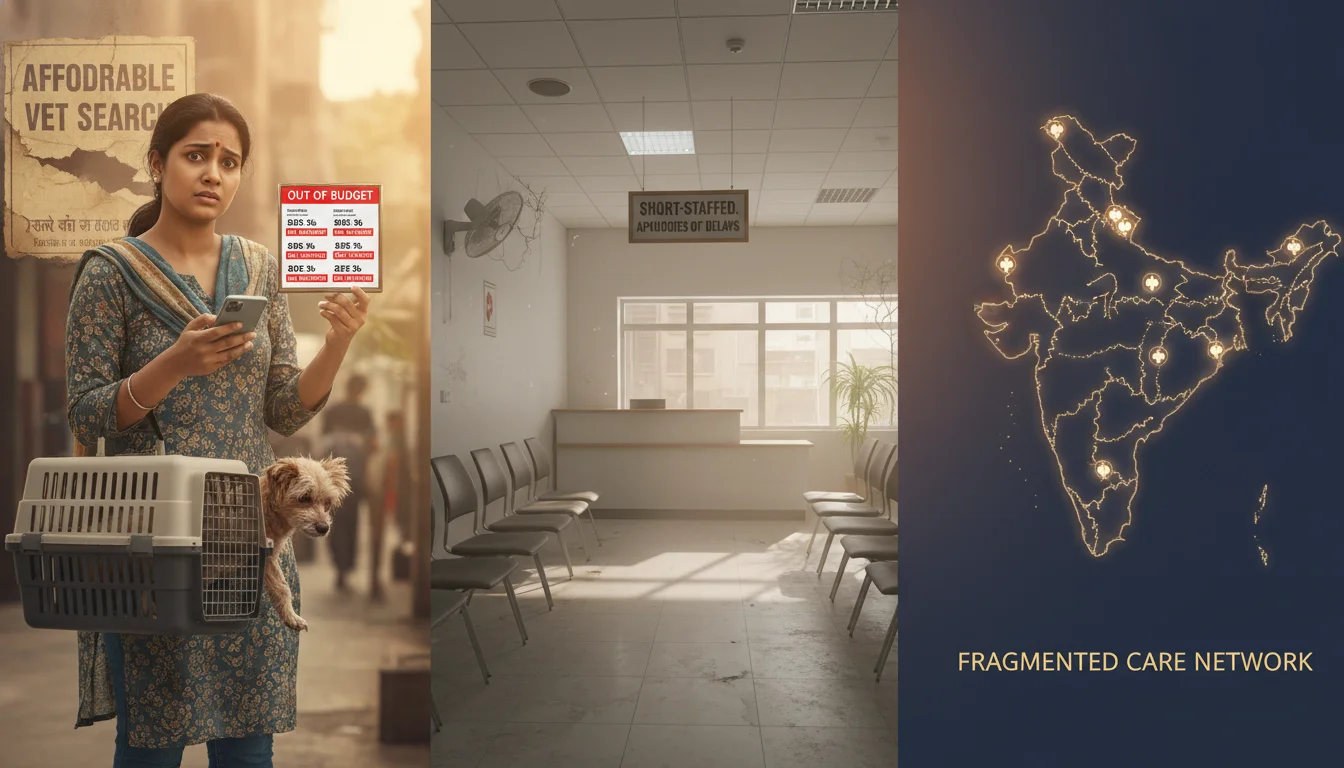
Despite the lucrative outlook, the industry is fraught with systemic and operational hurdles. First, accessibility and affordability remain persistent challenges. Despite the premiumization of the urban market, approximately 30% of pet parents still face significant barriers to accessing affordable veterinary care, indicating a critical gap in semi-urban and middle-income demographics. Second, the veterinary industry is grappling with acute labor shortages. Clinics and animal hospitals frequently face staffing deficits, leading to operational bottlenecks where facilities are forced to turn away patients, subsequently increasing wait times and diminishing the quality of customer experience. Third, the sector remains highly fragmented. While large players are consolidating, thousands of independent, localized veterinary clinics struggle to establish a distinct brand identity or implement standardized digital patient management systems. Finally, securing long-term customer retention is exceedingly difficult. With the influx of first-time pet owners who lack deep-rooted loyalty to legacy clinics, businesses face the challenge of continuously engaging clients beyond initial vaccinations or emergency visits.
Digital Landscape in India (Contextual to the Industry)
The Indian digital ecosystem is characterized by deep smartphone penetration and ubiquitous, low-cost internet access. For the modern Indian pet parent, the smartphone is the primary conduit for pet care education, community building, and service procurement. Research indicates that the pet industry marketplace is becoming increasingly omnichannel. While physical in-store sales for standard accessories have softened as consumers recoil from years of inflation, online channels are experiencing robust momentum, driven by consumers seeking the convenience and cost-efficiency of e-commerce. Pet owners are increasingly utilizing social media to share and endorse distinctive experiences, effectively becoming micro-influencers for the brands and clinics they trust.
Digital behavior among Indian pet owners is deeply emotional, highly social, and community-driven. The humanization of pets means that owners actively seek validation, expert advice, and shared communal experiences online. In cities with a high pet-household ratio, such as Gurgaon and Pune, digital networks form the backbone of offline socialization. Neighborhoods have dedicated Facebook groups and WhatsApp communities where pet parents organize park playdates, discuss pet-friendly policies, and share hyper-local recommendations for veterinarians and groomers. Dogs are increasingly given their own social media profiles, interacting within these virtual ecosystems to build a digital presence parallel to their owners, discussing daily activities, and garnering hundreds of followers.
The digital platforms commanding the most attention among Indian pet parents reflect a blend of visual storytelling, hyper-local community building, and direct messaging utility. Instagram and YouTube dominate visual discovery. Millennials and Gen Z pet parents heavily consume short-form video content focused on pet lifestyle, grooming transformations, and behind-the-scenes clinic procedures. Brands leveraging YouTube Shorts have reported amplified reach and stronger emotional connections with their audience. Facebook remains a powerhouse for hyper-local community engagement and peer-to-peer advice. In India, WhatsApp transcends basic messaging to function as a primary business interface. For veterinary clinics and pet services, WhatsApp is critical for daily coordination, appointment scheduling, sharing medical prescriptions, and facilitating post-treatment follow-ups.
Recognizing that daily pet care in India is often fragmented, specialized digital startups have emerged to bridge the knowledge and service gap. Platforms like Sploot illustrate the evolution of online consumer behavior. Sploot began as an educational Instagram page for Indian dog parents addressing behavior and nutrition, progressed to WhatsApp groups for webinar coordination, and eventually evolved into a dedicated social app and service delivery platform offering fresh meals and dog-walking subscriptions. This trajectory underscores the consumer appetite for dedicated, pet-centric digital ecosystems that combine community trust with transactional utility.
The online behavior of the Indian pet parent follows a distinct funnel from anxiety-driven research to lifestyle-driven advocacy.
First-time owners often experience high anxiety regarding pet nutrition, behavioral issues, and health symptoms. When faced with a pet health issue, the immediate reflex is to search for symptoms or queries like “veterinarian near me” on mobile devices. Statistics reveal that 96% of people learn about a local business online, and 68% of all online experiences begin with a search engine. Furthermore, digital empathy plays a massive role in consumer choice. Pet parents are highly influenced by online reviews. The reputation of a veterinary clinic is heavily scrutinized through Google Reviews; a clinic with a high volume of positive, detailed testimonials will consistently outperform a clinic with an outdated or sparse digital footprint.
Digital Marketing Opportunities
The operational and growth challenges facing Indian pet care businesses—ranging from labor shortages to customer retention and market fragmentation—can be systematically addressed through targeted, data-driven digital marketing strategies. A comprehensive digital presence acts as an automated triage system, an educational hub, and a relentless lead generation engine.
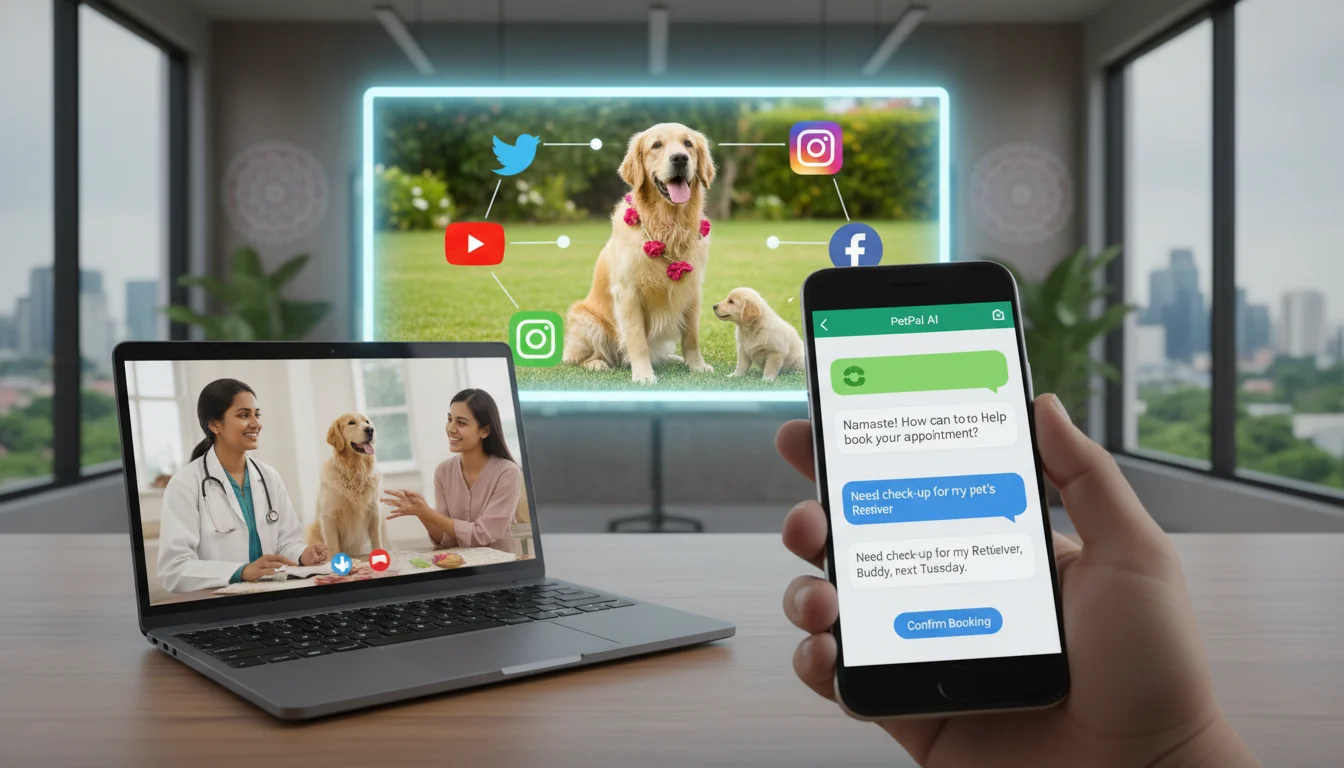
Digital marketing and automation can significantly reduce the administrative burden on clinic staff, thereby alleviating the strain of labor shortages. By implementing AI-driven chatbots on websites, automated WhatsApp booking flows, and digital triage questionnaires, clinics can streamline patient intake without requiring constant human intervention. Automated appointment reminders via SMS or WhatsApp drastically reduce no-show rates, optimizing the veterinarian’s schedule and maximizing revenue per hour. Furthermore, telemedicine integration within a digital marketing framework allows clinics to offer remote consultations for minor behavioral or nutritional queries, expanding their reach to semi-urban populations who may face geographical or financial barriers to physical visits. Moving beyond transactional relationships requires continuous digital engagement. Subscription models for pet grooming, email newsletters providing seasonal pet care advice, and loyalty programs managed via mobile applications ensure that the clinic remains top-of-mind throughout the pet’s lifespan.
Search Engine Optimization (SEO) and Local SEO
Search Engine Optimization (SEO) and Local SEO represent the bedrock of veterinary marketing. Because veterinary care is inherently a hyper-local service, Local SEO is paramount. Optimizing a Google Business Profile (GBP) is the single most effective strategy to capture high-intent traffic. This involves ensuring Name, Address, and Phone number (NAP) consistency across all directories, actively managing and responding to online reviews, and publishing location-specific keywords. Furthermore, traditional SEO on the clinic’s website—featuring detailed service pages for distinct procedures like laparoscopic spaying or canine physical therapy—ensures visibility when pet parents research specific treatments.
Social media marketing and content strategies
Social media marketing and content strategies must pivot from purely promotional to highly educational and empathetic. High-quality educational content establishes the clinic’s authority and builds trust. Formats should include behind-the-scenes video content showcasing the cleanliness of the surgical theater or a day in the life of a veterinary technician. Educational reels debunking pet nutrition myths, and emotional storytelling highlighting successful patient recoveries or adoption success stories resonate deeply with the humanized pet culture. WhatsApp marketing is unparalleled for client engagement in India. Clinics can utilize WhatsApp APIs to send post-treatment care instructions, automated vaccination reminders, and digital prescriptions. Scanning a QR code at the clinic reception to join a WhatsApp broadcast list allows the clinic to passively collect Google Reviews by sending automated feedback requests hours after the appointment.
Pay-Per-Click (PPC) advertising
Pay-Per-Click (PPC) advertising via Google Ads is highly effective for capturing immediate, transactional intent. Concurrently, Meta Ads (Facebook and Instagram) are ideal for generating awareness for elective services, such as grooming spa packages or behavioral training workshops, targeting users based on their demonstrated interest in pet-related content. Seasonal and event-based marketing is also highly effective in India. Campaigns can be tailored to the summer months focusing on hydration and cooling mats, the monsoon season addressing tick prevention and indoor enrichment, and the Diwali festival offering fear-free solutions for noise anxiety and safe boarding facilities.
Several case studies illustrate the profound impact of strategic digital marketing in the veterinary and pet care sector. A global leader in animal health pharmaceuticals revitalized their fragmented strategy by partnering with Hibbert Solutions to optimize their CRM platform through Salesforce Marketing Cloud. By mapping the customer journey and deploying an omnichannel strategy across email, webinars, and website interactions, they significantly enhanced engagement with animal health professionals. In the clinical space, Digital Empathy transformed the Valley Center Veterinary Clinic by completely overhauling their stagnant digital presence. By clarifying brand promises and modernizing their website, the clinic saw an increase in new clients and patient visits even amid an industry-wide downward trend. Innovetive Petcare, which operates clinics across multiple states, utilized Hootsuite to empower local partner clinics to take agency over their social channels. By posting hyper-local content regarding weather emergencies and special promotions, they achieved a 108% year-over-year increase in Facebook followers. Furthermore, a specialized PetDesk PPC campaign for a 24-hour emergency hospital demonstrated the power of intent-based advertising. By splitting ads into transactional keywords during business hours and branded ads when competitors were closed, the hospital achieved a remarkable 9.84% click-through rate, generating nearly 6,000 direct phone calls in just six months.
Competitive Analysis
The Indian pet care landscape features a diverse ecosystem comprising massive corporate entities, agile Direct-to-Consumer (D2C) startups, and legacy independent clinics. Analyzing the digital footprint of the market leaders provides a strategic blueprint for competitive differentiation and identifies critical gaps that regional players can exploit.
Heads Up For Tails (HUFT)
Heads Up For Tails (HUFT) dominates the premium pet lifestyle and retail segment. From its inception in 2008 as a single kiosk funded by a modest $15,000 bootstrap investment by founder Rashi Narang, HUFT has grown into a leader in a $1.1 billion organized market, operating over 95 stores across 15 cities. Their digital presence is a masterclass in brand building within a previously unbranded industry. HUFT operates a seamless omnichannel experience supported by robust AWS cloud infrastructure, enabling personalized shopping experiences and optimized inventory management. They further enhanced customer experience during the pandemic by deploying a dynamic AI agent named “Poppins” via Yellow.ai. HUFT excels at empathy-driven marketing and community engagement, heavily promoting its foundation focused on stray animal welfare (the FADIN initiative) and adoption drives, which aligns perfectly with the values of the modern, conscientious pet parent. Their content strategy relies heavily on an educational portal (“Learn with HUFT”) and the active use of YouTube Shorts to amplify reach. However, HUFT’s primary focus remains retail and lifestyle accessories, leaving the clinical, diagnostic, and acute healthcare segment largely unoccupied by their brand, presenting a clear boundary in their market dominance.
Zigly
Zigly, backed by Cosmo First Limited, operates as a tech-enabled omnichannel pet care brand that is aggressively expanding its physical footprint. Currently running 37 centers with plans to reach 60 centers by FY26, Zigly invests heavily in physical infrastructure, requiring a CapEx of Rs 45–60 lakh per 1,200–1,500 sq. ft. outlet. Their digital strategy is characterized by high-production brand positioning campaigns. Their #NoCompromise campaign effectively tapped into the psychology of modern pet parents who refuse to settle for subpar care, disseminating the message across YouTube, social media, radio, and the MyGate app. Zigly is actively acquiring established veterinary hospitals, such as the Small Animal Clinic in Mumbai and Dr. Santa Animal Healthcare in Bengaluru, marketing themselves as multi-specialty hubs. The vulnerability in Zigly’s approach lies in its rapid scaling; as they transition to franchise models and national campaigns, maintaining the hyper-local, intimate community connection required for veterinary trust becomes increasingly challenging.
Vetic
Vetic represents a rapidly expanding, tech-enabled veterinary clinic chain whose digital architecture is explicitly designed for high conversion and immediate lead capture. Vetic’s website features a persistent “Book Appointment” call-to-action requiring minimal user input, drastically reducing booking friction. They execute aggressive Local SEO, maintaining dedicated landing pages for specific procedures across various Indian metropolises.
Vetic prominently displays massive social proof, boasting over 125,000 happy pet parents and a 4.9-star rating, while utilizing a proprietary app to lock consumers into their ecosystem by offering a 15% discount on initial grooming sessions and promising 2-hour doorstep delivery of pet products. While highly efficient, the heavy emphasis on performance marketing can occasionally result in a clinical, less personalized brand tone, providing an opening for independent clinics to win on deep, singular doctor-patient relationships.
At the macro level, pharmaceutical and healthcare conglomerates such as Zoetis, Merck Animal Health, Boehringer Ingelheim, and domestic leaders like Hester Biosciences and Intas Pharmaceuticals dominate the B2B landscape. Zoetis, holding an estimated 20% market share in India, is actively expanding its capability centers in Hyderabad to support global diagnostic and digital work. These entities command massive market share through deep distributor networks and extensive R&D. Their digital presence is largely focused on educating veterinarians and pushing biologics, historically lacking direct-to-consumer emotional engagement.
| Competitor | Core Digital Strategy | Key Strengths | Vulnerabilities / Opportunities to Outperform |
|---|---|---|---|
| Heads Up For Tails | Omnichannel retail, Community building, AI integration | High emotional resonance, educational content, cause marketing, robust AWS infrastructure | Primarily retail-focused; less dominance in acute clinical services. |
| Zigly | D2C brand campaigns, Strategic acquisitions | Strong brand messaging (#NoCompromise), multi-specialty marketing, aggressive capital deployment | Rapid scaling and national focus may dilute hyper-local community connection and personalized trust. |
| Vetic | Aggressive Local SEO, Proprietary App ecosystem | Frictionless booking, 24/7 positioning, massive social proof, strong conversion funnels | Brand can appear overly corporate; independent clinics can exploit the lack of singular, continuous doctor-patient relationships. |
| Pharmaceutical Giants (Zoetis, Merck) | B2B distributor networks, R&D education | Unmatched product innovation, global diagnostic capabilities | No direct-to-consumer emotional engagement; clinics must act as the consumer-friendly translators of their medical advancements. |
To outperform these market leaders, independent veterinary clinics and regional pet care services must deploy hyper-localized asymmetrical strategies. Attempting to outspend venture-backed chains on national awareness campaigns is a losing proposition. Instead, independent clinics must dominate the micro-local space through granular, long-tail local SEO. While a chain targets a broad city keyword, an independent clinic must optimize for specific neighborhoods. Furthermore, independent clinics can leverage hyper-personalization via WhatsApp, sending personalized post-surgery video updates that large corporations struggle to replicate at scale. Finally, adopting and aggressively marketing specialized niches, such as “Fear-Free Certified” or “Gentle Handling” grooming, allows local clinics to siphon premium, highly discerning clients away from higher-volume, high-stress corporate chains.
Recommended Strategy for Pet Care Services and Veterinary Clinics in India
To navigate the highly competitive Indian pet care landscape, businesses must deploy a holistic, omnichannel strategy that balances empathetic brand building with data-driven performance marketing. This strategy must be meticulously tailored to the unique demographic and behavioral nuances of the Indian pet parent.
Understanding the target audience is crucial for message alignment. The strategy should address two primary consumer personas. The first persona is the First-Time Gen Z or Millennial Pet Parent. Typically aged 22 to 30 and residing in urban centers, this demographic views their pet—often an adopted Indian native breed (Indie) or a popular breed like a Golden Retriever—as their child. They experience high anxiety regarding pet health, rely heavily on digital communities for validation, and prioritize organic or natural products. Their digital behavior involves spending hours on Instagram Reels and YouTube Shorts, and they utilize Google to search for every minor symptom. The marketing hook for this persona relies on highly educational content, aesthetic clinic environments, community playdates, and transparent, behind-the-scenes processes. The second persona is the Established Urban Professional. Aged 32 to 45, operating in dual-income households within Tier-1 cities such as Delhi NCR, Mumbai, or Bengaluru, this demographic is time-poor but highly affluent. They seek absolute convenience, premium care, and multi-specialty services under one roof, treating pet expenses as non-negotiable family healthcare. Their digital behavior favors efficient booking systems, automated reminders, and comprehensive online reviews. The marketing hook for this segment requires subscription models, 24/7 emergency availability, frictionless online appointment scheduling, and telemedicine access.
A robust strategy requires a diversified channel approach to capture these personas across their digital journey. The Google Business Profile (GBP) remains the absolute priority for capturing local intent. A content-driven, mobile-optimized website must act as a 24/7 digital receptionist, featuring individual pages for each service to capture granular search traffic. Instagram and YouTube Shorts serve as the primary engines for brand awareness and emotional connection, focusing on visually engaging, bite-sized formats. The WhatsApp Business API must function as the central nervous system for client retention, managing automated booking flows, post-treatment care instructions, and review generation. Finally, Google Ads (Search Network) must be utilized for highly targeted Pay-Per-Click campaigns capturing bottom-of-the-funnel traffic, such as emergency veterinary searches.
Content creation must be culturally relevant and address specific seasonal and environmental challenges unique to India. Developing the “Indie Dog Narrative” by creating content that celebrates the adoption and care of Indian native breeds taps into the growing rescue movement and resonates with conscientious owners. Seasonal marketing is critical; Monsoon Survival Guides should educate owners on combating tick fever, leptospirosis, and maintaining paw hygiene during heavy rains. Similarly, weeks prior to Diwali, clinics should launch extensive safety campaigns focused on creating safe spaces, utilizing anti-anxiety wraps, and recognizing stress signals in pets to combat noise-induced trauma. Nutrition localization is also vital; content must address the realities of Indian household diets versus formulated pet foods, guiding parents on what human foods are safe and what spices are toxic. Finally, producing Clinic Tour Reels—walkthrough videos demonstrating hygiene protocols, specialized equipment, and fear-free waiting areas—lowers the barrier to entry for anxious first-time owners.
For smaller, independent clinics unable to afford massive advertising expenditures, several highly effective, budget-friendly digital marketing approaches can drive substantial growth:
- Creating a “Review Flywheel” is paramount; implementing a zero-cost WhatsApp message triggered post-visit that asks satisfied clients for a Google Review acts as free, perpetual local SEO.
- Integrating QR codes into offline marketing is highly effective; printing WhatsApp QR codes on physical pamphlets allows clinics to instantly convert offline foot traffic into online digital engagement.
- Clinics can engage in community cross-promotion by partnering with local pet-friendly cafes or residential society WhatsApp groups to distribute digital flyers containing introductory consultation discounts.
- Finally, generating User-Generated Content (UGC) by running seasonal photo contests on social media encourages followers to tag the clinic, thereby exponentially increasing organic reach for the minimal cost of a small prize.
Keywords & SEO Opportunities
Search Engine Optimization for veterinary clinics and pet care services is a high-stakes arena where securing a position on the first page of Google is an absolute necessity. Industry data indicates that 95% of pet owners never scroll past Google’s first page, and 92% of pet owners choose a practice that shows up on the first page of local search results. Understanding search intent is critical to effectively mapping keywords to the customer journey.
Keywords must be categorized based on the user’s underlying motivation:
- Informational intent involves users seeking educational advice, such as “puppy vaccine schedule”.
- Navigational intent occurs when a user is looking for a specific brand or clinic location.
- Commercial intent describes users actively researching and comparing options, such as “best dog boarding in Mumbai”.
- Finally, Transactional intent represents users who are ready to book a service immediately, utilizing terms like “emergency vet near me open now”.
High-intent transactional and commercial keywords command the highest conversion rates and should be the primary focus for core service pages and paid advertising campaigns.
Keyword Category
-
General Training
- High-Volume Keyword Examples: “dog training near me”, “canine training near me”
- Global Monthly Search Volume: 301,000
- Search Intent: Commercial
-
Puppy Specific
- High-Volume Keyword Examples: “puppy training near me”, “puppy pad”
- Global Monthly Search Volume: 60,500 / 49,500
- Search Intent: Commercial / Informational
-
Behavioral/Niche
- High-Volume Keyword Examples: “potty training puppy”, “dog behaviorist near me”
- Global Monthly Search Volume: 27,100 / 22,200
- Search Intent: Commercial
-
Urgent Care
- High-Volume Keyword Examples: “aggressive dog training near me”, “reactive dog training”
- Global Monthly Search Volume: 12,100
- Search Intent: Transactional (Urgent)
-
Veterinary Core
- High-Volume Keyword Examples: “emergency vet”, “vet near me”, “pet surgery”
- Global Monthly Search Volume: N/A (Highly localized)
- Search Intent: Transactional
While high-volume keywords are fiercely competitive, long-tail keywords—longer, more specific phrases—offer a strategic advantage. Although they possess lower overall search volumes, long-tail keywords boast significantly higher conversion rates due to their exact specificity and lower competition. In the Indian context, combining service types with specific hyper-local modifiers (targeting specific neighborhoods rather than just broad city names) is highly lucrative.
Location-specific long-tail opportunities include phrases such as “affordable vet for low-income families in [City]”, “pet dental cleaning in [Neighborhood]”, or “mobile euthanasia service in [City]”. Pet owners also frequently conduct symptom-based long-tail searches. Creating dedicated blog posts targeting queries like “why is my golden retriever shedding so much in summer”, “home remedies for dog tick fever India”, or “cat not eating during monsoon” can drive massive top-of-funnel organic traffic to the clinic’s website. Furthermore, focusing on behavioral and niche care modifiers is highly effective for premium services. Incorporating intent-focused qualifiers such as “gentle dog grooming near me”, “stress-free pet grooming salon”, “fear-free dog groomers”, or “hypoallergenic gentle grooming” targets a niche of discerning pet owners who prioritize their pet’s emotional and physical safety, allowing the clinic to command higher price points.
Implementation Roadmap
To transition from theoretical strategy to operational execution, pet care businesses require a phased implementation roadmap that prioritizes foundational digital infrastructure before scaling to advanced automation and paid acquisition.
Short-Term Quick Wins (Months 1–3)
The objective of the first 90 days is to establish digital authority, rectify foundational technical errors, and capture low-hanging local search traffic.
During the first month, the focus must be on the digital audit and establishing a Local SEO baseline. Clinics must claim, verify, and exhaustively populate their Google Business Profile. It is critical to ensure that the Name, Address, and Phone number are identical across the clinic’s website, Google Maps, JustDial, and all local directories to prevent algorithmic confusion. High-quality, professional photographs of the clinic exterior, reception area, surgical facilities, and staff must be uploaded to build visual trust. Simultaneously, the clinic must implement a mobile-responsive website overhaul, ensuring rapid load times and integrating a prominent, frictionless booking portal.
The second month transitions into automation and review generation. The clinic must deploy the WhatsApp Business API, configuring automated welcome messages and basic triage chatbots to handle frequently asked questions, such as clinic hours or standard vaccination pricing. Automated appointment reminders must be activated to reduce no-shows. Concurrently, a systematic review generation protocol must be instituted. Reception staff should be trained to verbally request reviews, which is immediately followed by an automated WhatsApp link post-checkout, establishing the review flywheel.
By the third month, the focus shifts to foundational content and initial paid campaigns. The clinic should launch its first series of SEO-optimized blog posts targeting high-volume local and symptom-based long-tail keywords. To generate immediate return on investment, a tightly geofenced Google Ads PPC campaign must be initiated, specifically bidding on high-intent, emergency, and transactional keywords.
Long-Term Strategy (Months 6–12)
Once the digital foundation is secure and organic local leads are flowing consistently, the strategic focus shifts to community building, content domination, and maximizing customer lifetime value.
Months four through six dictate the scaling of social media and video content. A consistent content calendar must be developed, prioritizing Instagram Reels and YouTube Shorts. Content should rotate systematically between educational veterinary tips, emotional recovery stories, and promotional grooming discounts. During this period, the clinic must also launch its first major seasonal marketing campaigns, aligning promotions with Indian festivals and distinct weather patterns, such as comprehensive pre-monsoon tick prevention packages.
Months seven through nine require advanced omnichannel integration. Clinics should explore custom mobile application development, providing clients with a dedicated platform to access digital prescriptions, track vaccination schedules, and order therapeutic pet food directly from the clinic, effectively mimicking the successful retention ecosystems deployed by industry leaders like Vetic. Furthermore, email marketing sequences should be implemented to nurture leads, such as a “Puppy Care 101” educational drip campaign triggered automatically when a new client registers a young pet.
In the final quarter of the year (months ten through twelve), the objective is community dominance and rigorous data analytics. The clinic should host and digitally promote local physical events, such as adoption drives in partnership with local NGOs, pet socialization workshops, or dogathons, firmly establishing the brand as the epicenter of the local pet community. Finally, management must conduct a rigorous, data-driven analysis of Google Analytics and Meta Pixel data to identify the highest converting channels, refining the marketing budget allocation to aggressively scale the strategies delivering the maximum return on investment.
Conclusion
The Indian pet care and veterinary industry is currently experiencing a historic paradigm shift. The exponential growth in the pet population, climbing to over 42 million, coupled with the profound humanization of companion animals, has created a sophisticated, multi-billion dollar market characterized by consumers who demand premium, empathetic, and highly accessible care. However, the modern Indian pet parent is fundamentally digital-first. They navigate the complexities of pet ownership through mobile search engines, validate clinic reputations almost exclusively via Google Reviews, and expect frictionless, instant communication through platforms like WhatsApp.
In this fiercely competitive landscape, a veterinary clinic’s clinical expertise is no longer sufficient to guarantee business survival or regional growth; it must be matched by an equally robust proficiency in digital visibility. Digital marketing serves as the critical bridge connecting a clinic’s offline medical capabilities with the online anxieties and immediate needs of the pet parent. Whether it is mitigating operational labor bottlenecks through automated WhatsApp booking flows, overcoming geographical barriers via telemedicine, or dominating local search results to capture lucrative emergency cases, a sophisticated digital infrastructure is the ultimate competitive moat. Independent clinics and regional brands that fail to adapt their digital footprint will inevitably lose market share to highly capitalized, tech-enabled corporate chains that understand the modern consumer journey.
To seamlessly navigate this digital transformation and outperform the competition, veterinary clinics and pet care services require bespoke, industry-specific technological solutions. Gurkha Technology, a premier digital marketing company in Nepal, provides the exact suite of specialized services required to dominate this landscape. With deep expertise in bespoke digital strategy, Gurkha Technology can engineer custom, mobile-optimized clinic websites and dedicated mobile applications that streamline patient management and lock in long-term customer loyalty. Furthermore, their proficiency in managing AI-driven Google Ads Performance Max campaigns and highly targeted Meta Ads ensures that clinics capture high-intent local traffic with maximum return on investment. By partnering with Gurkha Technology for comprehensive Search Engine Optimization and sophisticated social media management, pet care businesses can effectively transition from being merely a local medical facility to becoming an authoritative, deeply trusted, and highly profitable brand within their community.