Digital Marketing for Indian Cooperatives: Strategies & Growth
Industry Overview
The cooperative movement in India represents one of the most profound socio-economic frameworks in the global economy, drawing its foundational philosophical grounding from the ancient concept of “Vasudhaiva Kutumbakam,” which translates to “the world as one family”. This enduring ethos of collective well-being, mutual respect, and shared responsibility continues to shape the trajectory of cooperative institutions, which operate fundamentally on democratic member control and equitable economic participation. Today, guided by the central government’s strategic vision of “Sahkar se Samriddhi” (Prosperity through Cooperation), the sector is undergoing a historic revitalization aimed at expanding grassroots empowerment while establishing a formidable footprint in the modern digital economy.
Current Market Size, Growth, and Trends
The sheer scale of the Indian cooperative sector is monumental and unparalleled globally. Current assessments indicate that there are more than 8.5 lakh registered cooperative societies across the nation, with approximately 6.6 lakh functioning actively. These institutions serve a staggering 32 crore members across 30 diverse economic sectors, effectively linking over 10 crore women to the cooperative ecosystem primarily through specialized Self-Help Groups (SHGs). The financial magnitude of this sector is clearly demonstrated by the capital disbursed by apex regulatory and developmental bodies; for instance, the National Cooperative Development Corporation (NCDC) disbursed an unprecedented ₹95,183 crore in the fiscal year 2024-25, followed by ₹95,000 crore in the subsequent fiscal year of 2025-26, driving massive infrastructure and capacity-building projects across rural networks.
To aggregate local production and streamline it for global and standardized domestic markets, the government has recently established three critical national-level multi-state cooperative societies. The National Co-operative Exports Limited (NCEL) acts as a premier export house, having successfully exported 13.77 Lakh Metric Tonnes (LMT) of commodities valued at ₹5,556 crore to 28 countries, subsequently distributing a 20% dividend directly back to its member cooperatives. Concurrently, the National Cooperative Organics Limited (NCOL) has rapidly aggregated a membership base of 10,035 cooperatives to standardize and market 28 distinct organic products, while the Bharatiya Beej Sahakari Samiti Limited (BBSSL) has united 31,605 cooperatives to manage the production and distribution of high-yield, certified seeds.
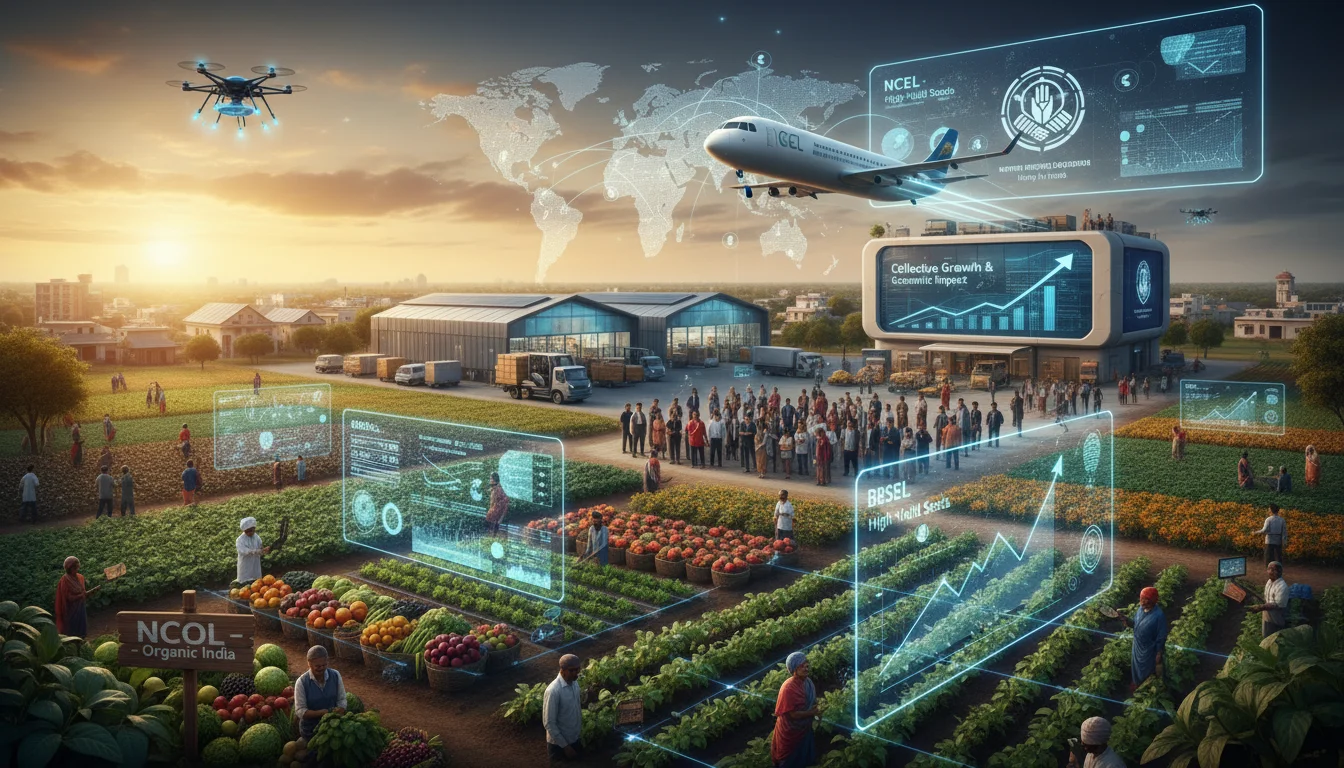

At the very foundation of this vast architecture are the Primary Agricultural Credit Societies (PACS), which operate at the village and Gram Panchayat levels. Historically, PACS have served as the primary conduits for short-term agricultural credit and essential input supplies. A transformative trend currently sweeping the sector is the multi-dimensional expansion of PACS operations. The government has introduced new model bye-laws enabling PACS to diversify into more than 25 distinct business activities, including dairy production, fishery management, warehouse operations, and the management of Pradhan Mantri Bhartiya Janaushadhi Kendras (PMBJK) for affordable healthcare access. This diversification is supported by a massive financial outlay; the Union Cabinet approved a ₹2,516 crore budget to computerize 63,000 functional PACS, migrating their legacy, paper-based operations onto a unified Enterprise Resource Planning (ERP) software network. As of recent records, over 79,630 PACS have been approved for this computerization, with 59,261 actively utilizing the new ERP software, thereby enhancing transparency, accelerating loan disbursements, and creating real-time accounting synergies with District Central Cooperative Banks (DCCBs) and State Cooperative Banks (StCBs). Furthermore, these digitized PACS are being integrated with the Common Service Centre (CSC) network, allowing them to deliver over 300 e-governance and digital services directly to rural citizens, thereby functioning as hyper-local digital economic hubs.
Key Challenges Faced by Businesses in this Industry
Despite the monumental capital inflows and policy interventions, the cooperative sector grapples with deeply entrenched systemic challenges. Research indicates that the sector is frequently hindered by a pervasive lack of professional management, inadequate modern infrastructure, persistent political interference, and an overdependence on apex financing agencies for credit liquidity. Traditional cooperative governance structures often struggle with outdated management practices and a notable lack of transparency, which subsequently restricts their ability to access modern, highly competitive markets.
A critical operational challenge identified within cooperative banking and credit societies is the misalignment of human resources. Expert analyses suggest that traditional, manual processing systems result in an inefficient 80:20 operational dynamic, where 80% of staff resources are consumed by redundant processing and administrative tasks, leaving only 20% available for field marketing, relationship management, and strategic growth initiatives. Furthermore, while digitization efforts are underway, they face substantial friction at the grassroots level. Challenges include severe limitations in existing technological infrastructure, low digital literacy among aging cooperative members, high initial investment costs for localized hardware, and emerging risks associated with data security and cyber compliance. The discrepancy between the high-volume production capabilities of these grassroots collectives and their actual market reach underscores a profound marketing deficit. The sector largely relies on commoditized, wholesale distribution models, failing to capture the significantly higher margins available through direct-to-consumer (D2C) brand building and targeted digital marketing engagements.
Digital Landscape in India (Contextual to the Industry)
The digital ecosystem in India has undergone a radical and rapid expansion, fundamentally altering the architecture of consumer behavior, market access, and socio-economic communication. This landscape presents an unprecedented operating environment for the cooperative sector, provided these institutions can pivot their outreach strategies to align with modern digital consumption patterns.
Internet and Social Media Usage Relevant to Cooperatives
An analysis of India’s telecommunications infrastructure reveals a staggering Compound Annual Growth Rate (CAGR) of 14.26% in total internet subscribers over the past decade. As of March 2024, the nation recorded an active internet subscriber base of 954.40 million. Crucially for the cooperative sector—whose primary operational and membership bases are predominantly non-urban—398.35 million of these subscribers are located in rural areas. Market intelligence reports further indicate that rural India now constitutes 55% of the total active internet user base, demonstrating that digital penetration is no longer a strictly metropolitan phenomenon. While global statistics point to a persistent urban-rural digital divide—with urban internet usage globally at 83% compared to a mere 48% in rural populations—India is charting a distinct trajectory. Growth rates in overall internet adoption have begun to plateau globally, yet rural Indian users are currently witnessing an adoption growth rate twice as fast as their urban counterparts.
The nature of digital access in these rural environments exhibits unique sociological characteristics that marketers must consider. For instance, the prevalence of shared digital devices is significantly higher in rural settings, having witnessed a 24% growth since the previous year. This indicates that digital content consumption is often a communal rather than purely individual activity. Furthermore, there is a pronounced surge in the adoption of non-traditional internet devices in non-urban areas, including smart televisions and voice-activated digital assistants, facilitating internet access for demographics that may struggle with traditional text-based interfaces.
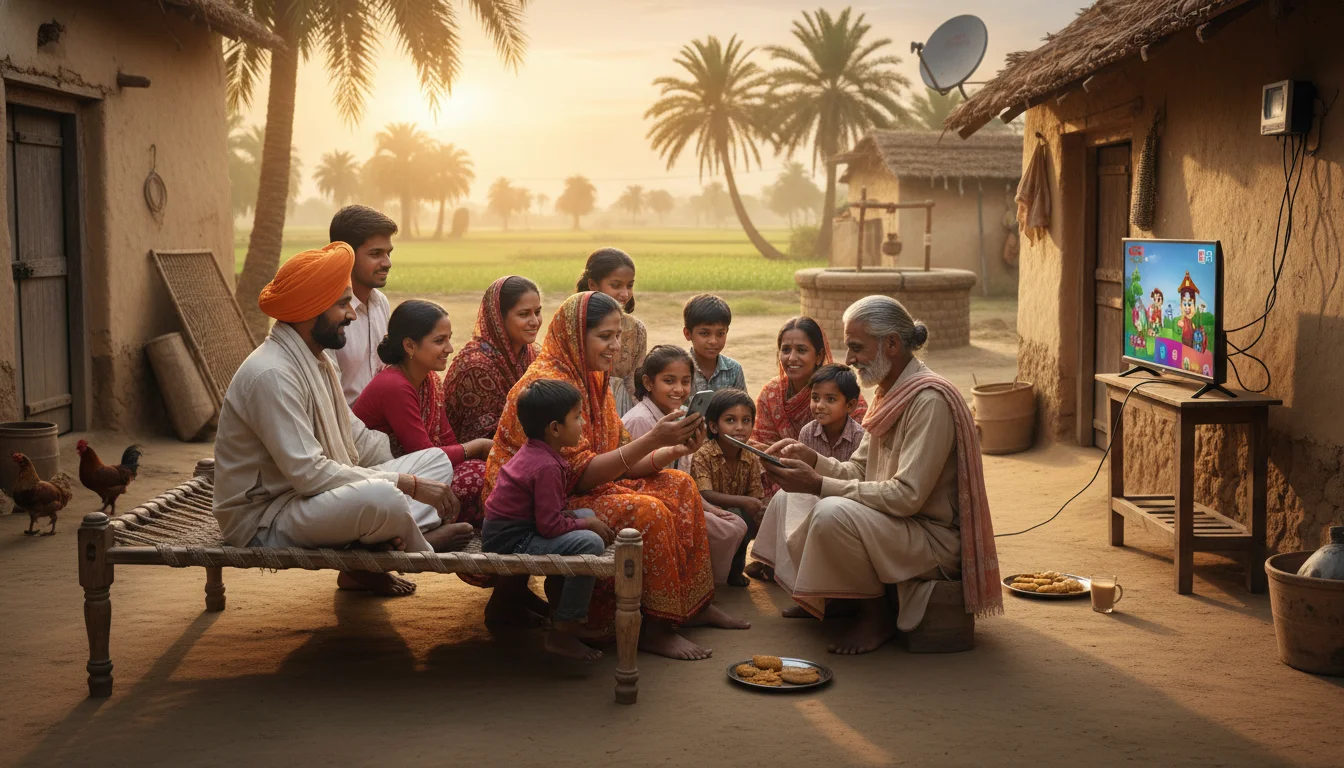
Social media penetration remains a dominant force within this digitized landscape. In early 2024, India housed 462 million active social media users, equating to approximately 32.2% of the total national population. More broadly, 61.5% of India’s total internet user base engages with at least one social media platform regularly. The digital advertising market reflecting this usage has seen explosive growth; digital ad spending grew by 20% year-over-year to reach ₹49,000 crore in the fiscal year 2024-25, firmly establishing digital channels as India’s largest advertising medium with a 44% overall share. Mobile advertising dominates this sector entirely, accounting for 78% of digital ad spends, driven by the affordability of mobile data and widespread smartphone penetration.
Popular Platforms Among the Target Audience
- WhatsApp and Conversational Commerce: WhatsApp remains the ubiquitous communication tool across both urban and rural India. For cooperatives, it functions not merely as a messaging app but as a primary channel for agricultural advisory, localized community organizing, and direct transactional communication.
- YouTube and Vernacular Video: YouTube is the primary engine for informational searches in rural areas.
Farmers and rural entrepreneurs heavily consume regional-language content related to agricultural practices, machinery maintenance, and market pricing.
- Instagram and Meta Platforms: While Facebook remains a staple for older demographics and community groups, Instagram drives high-engagement visual content, particularly effective for reaching younger, urban demographics interested in the organic, sustainable, and ethically sourced products produced by cooperatives.
- Connected TV (CTV): The user base for CTV is rapidly expanding, currently sitting at 40 million users and projected to reach 50 million by 2026. This presents a new frontier for high-quality, long-form cooperative branding narratives that target affluent consumer households.
Consumer Online Behavior Related to Cooperatives
Consumer behavior within this digitized rural and semi-urban landscape is intricately tied to cultural values, community trust, and localized economic realities. Rural consumers exhibit purchasing behaviors heavily influenced by deep-seated traditions, local festivals, and the unwritten codes of community customs. When making purchasing decisions, particularly regarding agricultural inputs, financial services, or food products, brand trust is the paramount variable. Studies analyzing consumer interactions with regional public brands demonstrate that brand trust directly and positively influences purchase intent, acting as a crucial mediator for actual purchasing behavior.
Furthermore, the modern Indian consumer, regardless of geography, is increasingly drawn to authenticity. The explosive rise of influencer marketing—projected to reach a market valuation of ₹3,375 crore by 2026 at a CAGR of 18%—reflects this shift. Consumers are moving away from broad, generic corporate campaigns and placing their trust in regional, vernacular content creators. Over two-thirds of Indian internet users rely on influencers for product discovery, information, and purchasing action. For cooperatives, this indicates that engaging nano- and micro-influencers who speak the local dialect and understand regional agricultural realities will yield significantly higher trust and conversion metrics than traditional mass-media endorsements.
While digital payment systems and e-wallets have facilitated transactional ease globally, rural areas in India still face infrastructural and behavioral hurdles regarding complete financial digitization. Issues surrounding perceived complexity, hidden costs, and faith in the security of digital transactions remain barriers. Consequently, cooperative marketing strategies must be hyper-focused on communicating security, compliance, and transparent financial practices to build the requisite trust for digital engagement.
Digital Marketing Opportunities
The profound intersection of India’s maturing digital infrastructure and the traditional cooperative framework presents exceptionally lucrative opportunities for market expansion, operational optimization, and enhanced member engagement. Digital marketing serves as a potent equalizer in this dynamic, enabling traditionally under-resourced cooperatives to effectively compete with large, heavily capitalized corporate agribusinesses by leveraging precision targeting, data analytics, and cost-effective communication channels.
Solving Key Challenges Through Digital Marketing
The primary systemic challenges faced by the cooperative sector—restricted market access, severe information asymmetry, and the erosive presence of exploitative middlemen—can be systematically addressed through robust digital marketing interventions. By adopting e-commerce platforms and Direct-to-Consumer (D2C) marketing strategies, cooperatives can directly bridge the gap between the primary producer and the end consumer. This disintermediation ensures that a significantly higher percentage of the final retail price is returned directly to the farmers, thereby fulfilling the core socio-economic mandate of the cooperative model.
Furthermore, the implementation of technology acceptance models within the agricultural sector indicates that the perceived usefulness of digital marketing among cooperative members is intrinsically linked to tangible, measurable outcomes, such as scalable business solutions and augmented sales volumes. Digital tools offer unprecedented data analytics capabilities; cooperatives can now utilize artificial intelligence and machine learning algorithms to analyze local agroeconomic indicators, forecast regional product demand, and meticulously tailor their marketing campaigns to specific localized requirements, thereby reducing waste and optimizing resource allocation. Social and Behavior Change Communication (SBCC) strategies, deployed via digital channels, can effectively address knowledge gaps in rural communities, disseminating critical information on sustainable farming, weather adaptations, and new cooperative financial products.
Best Strategies for Cooperatives in India
To effectively capitalize on these opportunities, cooperatives must deploy a multi-faceted digital strategy tailored to the unique socio-cultural fabric of the Indian market.
Search Engine Optimization (SEO) and Informational Architecture
Establishing a robust informational presence through SEO ensures that cooperatives capture high-intent search traffic. Consumers and farmers alike increasingly utilize search engines to research agricultural inputs, organic certifications, and localized cooperative banking services. By optimizing web properties to comprehensively answer specific, localized queries, cooperatives establish themselves as authoritative resources, naturally guiding users from information discovery into conversion funnels.
Social Media and Vernacular Content
The democratization of content creation has rendered platforms like YouTube, Instagram, and Facebook invaluable assets for cooperatives. Developing short-form video content in regional languages that educates farmers on modern agricultural practices, or transparently showcases the organic origins of consumer products, builds profound narrative equity. Because the Indian digital consumer heavily favors online video, cooperatives must pivot aggressively from static print advertising to dynamic, visually engaging, video-first content strategies.
Retail Media Networks and Quick Commerce (Q-Commerce)
The emergence of Q-commerce platforms is fundamentally reshaping consumer expectations regarding delivery timelines and product availability in urban centers. A landmark development in this space is the strategic Memorandum of Understanding (MoU) signed between the Ministry of Cooperation and Swiggy Instamart. This partnership facilitates the seamless onboarding of cooperative dairy, organic produce, and handicrafts onto the Swiggy platform, creating a dedicated, highly visible “Cooperative” category for urban shoppers. Such strategic integrations grant local, rural cooperatives immediate access to millions of premium urban consumers, supported by sophisticated digital logistics and consumer technology frameworks that they could not afford to build independently.
Influencer and Micro-Community Marketing
The paradigm of influencer marketing in India is rapidly shifting away from expensive celebrity endorsements toward highly authentic micro and nano-creators. For cooperatives, partnering with local agricultural experts, progressive farmers, or regional lifestyle vloggers offers an unparalleled method to build authentic trust. An endorsement from a regional culinary influencer utilizing a cooperative’s organic spices or premium dairy products yields a substantially higher return on investment and emotional resonance than a generalized digital display ad.
Local and Global Examples/Case Studies
The Amul Phenomenon
Amul (Gujarat Cooperative Milk Marketing Federation) stands as the global benchmark for cooperative marketing success. While inherently a traditional cooperative returning 85% of every consumer rupee back to its 3.6 million farmer-members, its marketing is distinctly modern. Amul is the undisputed master of “topical marketing” in India. By utilizing the iconic Amul Girl mascot to provide witty, highly relevant commentary on daily news, politics, and pop culture, Amul generates massive organic virality across digital platforms without the need for exorbitant ad spends. This strategy keeps the brand perpetually relevant and emotionally connected to the Indian public, serving as a masterclass in agile content marketing.
IFFCO’s Nano Urea Digital Campaign
The Indian Farmers Fertiliser Cooperative Limited (IFFCO) provides a compelling case study in B2B digital marketing for agricultural inputs. To launch its revolutionary Nano Urea (liquid) fertilizer, IFFCO deployed a sophisticated digital strategy focused on scientific credibility and educational outreach. They produced and distributed short, 20-30 second “feeler” videos across social media, WhatsApp groups, and national broadcasting channels like DD Kisan, visually demonstrating the efficacy and environmental benefits of the product. This was supplemented by the IFFCO e-Bazar and e-Kisan mobile applications, which digitally connected farmers directly to the product supply chain.
Regional Digital Innovations (GeoKrishi, Nepal)
Looking at regional parallels, the GeoKrishi initiative in neighboring Nepal illustrates the power of digital advisory.
Supported by organizations like the UNCDF, this agritech platform provides smallholder farmers with highly localized, climate-smart agricultural advisory services and digital learning content, successfully bridging the gap between high-tech meteorological data and grassroots farming practices. This model of delivering hyper-local, actionable digital content is directly replicable for Indian cooperatives seeking to increase the productivity of their member bases.
Competitive Analysis
A rigorous analysis of the leading entities within the Indian cooperative sector reveals stark contrasts in digital maturity, strategic execution, and customer engagement. The International Cooperative Alliance (ICA) World Cooperative Monitor 2025 recently ranked two Indian giants—Amul (GCMMF) and IFFCO—as the absolute top two cooperatives globally, based on their phenomenal turnover relative to GDP per capita. Their dominance is deeply intertwined with their sophisticated, albeit highly distinct, operational and marketing strategies.
Amul (GCMMF)
- Primary Digital Strengths: Viral, topical content creation; immense brand recall; emotional storytelling.
- Core Marketing Channels: Instagram, X (Twitter), YouTube, Omnichannel Retail.
- Identified Strategic Gaps: Limited hyper-local conversational commerce; reliance on legacy brand equity over personalized D2C AI interventions.
IFFCO
- Primary Digital Strengths: Educational agri-tech marketing; robust app ecosystem (e-Kisan); B2B digitalization.
- Core Marketing Channels: Mobile Apps, YouTube, B2B E-commerce Portals, SMS Advisory.
- Identified Strategic Gaps: App design often reflects a top-down corporate approach; lacks decentralized, community-driven user-generated content (UGC).
NAFED
- Primary Digital Strengths: Institutional event amplification; B2B export marketing; price support communication.
- Core Marketing Channels: LinkedIn, International Event Microsites (SIAL, Gulfood).
- Identified Strategic Gaps: Extremely low D2C digital engagement; minimal utilization of retail media networks.
KRIBHCO
- Primary Digital Strengths: Deep integration with traditional ICT (tele-advisory, SMS); scientific consultancy.
- Core Marketing Channels: Radio, TV (Krishi Darshan), SMS, Basic Web Portals.
- Identified Strategic Gaps: Underutilization of advanced social media algorithms; lacks dynamic, video-first content marketing strategies.
Current Digital Presence and Successes
Amul excels through unparalleled brand consistency. Its tagline, “The Taste of India,” is universally recognized, and its transition from traditional billboards to digital platforms has been seamless. Amul utilizes Instagram and Facebook not just for static ads, but to foster community through recipe videos and interactive campaigns, while its topical cartoons continue to hijack daily digital trending topics with remarkable efficiency.
IFFCO dominates the digital B2B landscape by positioning itself as a technological pioneer. Its digital footprint is highly educational, focusing on sustainability and yield improvement. By integrating platforms like the e-Kisan app, IFFCO provides farmers with digital access to market prices, weather forecasts, and direct purchasing capabilities, perfectly aligning with the broader Digital India vision.
NAFED and KRIBHCO represent more traditional institutions that are methodically incorporating digital touchpoints. NAFED effectively utilizes digital PR to amplify its presence at massive international trade fairs, thereby securing lucrative export channels and reinforcing its commitment to national socio-economic development. KRIBHCO maintains a vast physical outreach network but supplements this with robust ICT channels, utilizing toll-free Kisan Helplines, digital soil test reporting, and national television broadcasts to disseminate critical agricultural science to remote areas.
Gaps and Opportunities to Outperform
While these colossal entities dominate national mindshare, their massive scale inherently introduces bureaucratic rigidity, creating distinct vulnerabilities that agile, localized cooperatives and FPOs can exploit.
The Grassroots Authenticity Gap
Analyses of large-scale farmer-facing applications (like the e-Kisan app) indicate that while they provide valuable macroeconomic data, they often lack grassroots, community-led design, reflecting a top-down corporate architecture. Emerging cooperatives can outperform by developing highly localized, community-managed digital platforms that prioritize User-Generated Content (UGC) and peer-to-peer advisory networks, fostering a deeper sense of technological ownership among local farmers.
The Conversational Commerce Deficit
While Amul excels in broad brand awareness, its digital engagement remains largely unilateral broadcasting. Smaller cooperatives can capture local market share by focusing on hyper-personalized community engagement. Utilizing platforms like WhatsApp Business APIs to create two-way conversational commerce channels allows for immediate customer support, direct order taking, and the sharing of precise traceability data, providing a premium, high-touch experience that massive corporations cannot scale efficiently.
Agile Content Marketing
Traditional giants rely heavily on institutional and event-based marketing. There is a profound opportunity for agility; smaller cooperatives can utilize rapid content marketing, automated Customer Relationship Management (CRM) systems, and precise geo-targeted advertising to capture market share in specific regional pockets faster than larger, more bureaucratic entities can secure internal approvals for similar campaigns.
Recommended Strategy for Cooperatives in India
To effectively harness the vast potential of the digital economy, cooperatives require a stratified, highly targeted approach that meticulously aligns operational capabilities with evolving consumer digital behaviors. The strategy must be bifurcated to address both the B2B (farmer, producer, and institutional engagement) and B2C (end-consumer sales) mandates inherent in the cooperative model.
Target Audience Personas
Effective digital marketing necessitates a profound understanding of the end-user. The cooperative digital strategy must cater to two distinct, highly defined personas:
The Progressive Smallholder (B2B / Member Focus)
- Demographics: Age 25–50, residing in rural and semi-urban agricultural belts, possessing primary or secondary education.
- Preferences: Highly price-sensitive, places immense value on community endorsements and peer success stories. Relies exclusively on mobile-first internet access, predominantly utilizing affordable Android devices.
- Digital Behavior: Heavily utilizes WhatsApp for community group discussions and local commerce. Consumes regional-language content on YouTube for farming techniques, machinery repair, and weather forecasts. Seeks immediate access to localized weather alerts, actionable crop advisory, and frictionless, transparent credit access.
The Conscious Urban Consumer (B2C / Retail Focus)
- Demographics: Age 25–45, residing in metropolitan areas and Tier-1/Tier-2 cities, possessing middle to high disposable income.
- Preferences: Places a premium on sustainability, verifiable organic certification, health benefits, and fair-trade practices that support rural economies. Demands rapid gratification and convenience.
- Digital Behavior: Highly engaged on visually-driven platforms like Instagram and YouTube. Heavily utilizes quick-commerce applications (Swiggy Instamart, Zepto, Blinkit) for daily grocery procurement. Willing to pay a premium price for products that offer clear traceability and an authentic, ethical narrative.
Recommended Channels and Campaign Types
- WhatsApp Business API (Conversational Commerce): Given the ubiquitous nature of WhatsApp in rural India, cooperatives must deploy automated conversational bots tailored for the Progressive Smallholder. These bots can disseminate highly localized crop calendars, facilitate regional machinery rentals, provide real-time updates on cooperative general body meetings, and process basic transactional requests for seeds and fertilizers.
- Hyper-Local Meta Advertising (Facebook/Instagram): For the Conscious Urban Consumer, broad national campaigns are highly inefficient. Cooperatives should deploy geo-targeted advertising restricted to a 10-20 kilometer radius surrounding their fulfillment centers or retail nodes. Campaigns should focus heavily on the “Farm to Table” narrative, utilizing dynamic carousel ads to display the transparent journey of organic produce from the village to the urban household.
- Search Engine Marketing (SEM): Deploying highly targeted Google Ads focusing on high-intent commercial keywords (e.g., “buy cold-pressed organic mustard oil online”) allows cooperatives to capture affluent consumers precisely at the point of purchase decision.
- Retail Media and Q-Commerce Integration: Actively onboarding product lines onto platforms like Swiggy Instamart (capitalizing on the Ministry of Cooperation’s MoU) and the Open Network for Digital Commerce (ONDC) is critical. This ensures that cooperative products are visible and instantly available within the rapid-delivery ecosystem that urban consumers now demand.
Content Ideas Specific to Cooperatives
- The “Impact & Empowerment” Series: Short-form, high-quality video content highlighting the direct socio-economic impact of the cooperative on specific local families. This builds the deep emotional connection that urban consumers crave and clearly differentiates the cooperative product from faceless, mass-produced corporate brands.
- Educational Agri-Shorts (Vernacular): 60-second, easily digestible videos on YouTube Shorts and Instagram Reels detailing sustainable farming techniques, soil health maintenance, or the proper application of cooperative-supplied bio-fertilizers.
This content establishes the cooperative as an authoritative knowledge hub.
- Transparency and Traceability Dashboards: Interactive web pages featuring data visualizations that show the exact breakdown of how revenue is distributed back to the farmers. Mathematically proving the cooperative advantage—such as demonstrating how 85% of the consumer rupee returns to the producer compared to private industry averages—serves as an incredibly powerful marketing tool.
Budget-Friendly Digital Marketing Approaches
Resource constraints are a profound reality for most Primary Agricultural Credit Societies (PACS) and smaller Farmer Producer Organizations (FPOs). Therefore, deploying a lean, cost-effective digital technology stack is absolutely imperative:
| Tool Category | Recommended Solution | Cost/Benefit Analysis for Indian Cooperatives |
|---|---|---|
| Design & Visuals | Canva for Nonprofits | Provides premium, agency-quality design features completely free for registered nonprofits/cooperatives, allowing them to maintain a professional visual identity without expensive retainer fees. |
| CRM & Automation | Zoho CRM / HubSpot | HubSpot offers a robust free tier excellent for inbound marketing. Zoho is highly recommended for the Indian context due to its deep localized support, compliance with local data residency laws, and superior native WhatsApp integrations. |
| Ad Subsidies | Google Ad Grants | Eligible cooperative societies and NGOs can apply to receive up to $10,000 per month in free Google search advertising, radically amplifying their search visibility and driving high-intent traffic without depleting vital working capital. |
| Software Access | TechSoup India (via NASSCOM) | Provides heavily subsidized access to premium enterprise software (including Google Workspace and Microsoft tools) for eligible Indian non-profits, facilitating secure, cloud-based collaboration for remote cooperative management teams. |
Keywords & SEO Opportunities
A foundational pillar of sustainable digital visibility is Search Engine Optimization (SEO). In the highly diverse Indian context, where vernacular language, search intent, and regional terminology vary drastically, a sophisticated keyword strategy must prioritize “long-tail” keywords over generic head terms. While short-tail keywords (e.g., “agriculture” or “farming”) command massive, seductive search volumes (823,000 and 2,740,000 monthly searches, respectively), their broad, ambiguous intent and extreme global competition make them financially unviable for targeted conversions by smaller cooperatives. Long-tail keywords, characterized by higher specificity (usually 3+ words), demonstrate clear search intent, account for over 91% of all web searches, and yield significantly higher conversion rates.
To prioritize SEO efforts effectively, cooperatives should utilize the ICE scoring framework:
By mapping potential keywords against this formula, marketing teams can systematically focus their limited resources on low-difficulty, high-intent queries that will drive immediate business value in the Indian market.
High-Intent Keywords for Ranking (Transactional & Commercial)
These keywords indicate a user is at the very bottom of the marketing funnel, having completed their preliminary research and demonstrating readiness to engage in a transaction, apply for a service, or make a definitive commercial decision. Content targeting these keywords should prioritize seamless user experience and strong Calls to Action (CTAs).
| Keyword Intent Category | Example Long-Tail Keywords | Primary Target Audience | Recommended Content Asset |
|---|---|---|---|
| Product Purchase (Transactional) | “buy organic cold pressed mustard oil online”, “A2 cow ghee cooperative society price” | Urban Consumers, Health-conscious buyers | E-commerce Product Pages, Swiggy Instamart Landing Pages |
| Financial Services (Commercial) | “apply for cooperative agriculture loan online”, “PACS credit society interest rates 2026” | Rural Farmers, Small Agri-businesses | Bank Service Pages, Digital Loan Application Portals |
| Input Procurement (Transactional) | “IFFCO nano urea liquid 500ml price”, “buy high yield drought resistant wheat seeds” | Progressive Farmers, FPOs | B2B E-commerce Portals, Localized Distributor Finder Tools |
| Software/Tools (Commercial) | “budget friendly CRM for Indian FPOs”, “best digital marketing agency for agriculture” | Cooperative Management Boards | Comparison Blogs, B2B Service Pages |
Long-Tail Keyword Opportunities (India-Specific)
Long-tail keywords often closely mirror conversational or voice-search queries. As vernacular and voice searches continue to grow exponentially among rural and newly digitized demographics, optimizing for these highly specific queries significantly reduces competition and captures highly qualified, ready-to-engage traffic.
- Locational & Hyper-Local Intent: “best primary agricultural credit society in” or “organic cooperative dairy product distributors near me”. These are best captured by meticulously optimizing Google Business Profiles for every physical cooperative branch.
- Informational Intent (How-To & Guides): “how to join a housing cooperative society in Maharashtra online” or “documents required for PACS membership registration 2026”. These queries should be targeted with comprehensive, step-by-step blog posts and downloadable PDF guides.
- Comparative Intent: “difference between FPO and traditional cooperative society in India” or “benefits of cooperative bank vs commercial bank agriculture loans”. Long-form, objective comparison articles excel here.
- Problem-Solving Intent: “how to get organic certification for farmers cooperative in India” or “subsidized digital marketing tools for Indian cooperatives”.
By utilizing professional platforms such as Ahrefs, Semrush, or Google Search Console, and actively analyzing User-Generated Content (UGC) like farmer reviews, YouTube comments, and Quora forums, cooperatives can continuously mine the exact, natural-language phrases utilized by their target demographics.
Implementation Roadmap
To prevent organizational overwhelm and ensure optimal resource utilization, digital transformation within a cooperative must be meticulously phased. The following roadmap outlines a structured, step-by-step integration of digital marketing technologies and campaigns for an Indian cooperative over a 12-month horizon.
Phase 1: Short-Term Quick Wins (Months 1–3)
Objective: Establish a robust foundational digital presence, secure low-hanging fruit, and initiate digital data collection.
- Digital Infrastructure & Compliance Audit: Ensure the cooperative’s primary website is fully mobile-responsive and heavily optimized for fast loading on the 3G/4G networks prevalent in rural geographies. Ensure compliance with the Digital Personal Data Protection (DPDP) Act regarding member data storage.
- Local SEO & Google Business Profile Optimization: Claim, verify, and meticulously optimize the Google Business Profile (GBP) for all physical cooperative branches, PACS offices, and retail outlets. This immediately captures high-intent “near me” navigational search traffic at zero cost.
- WhatsApp API Integration: Deploy a verified WhatsApp Business account. Setup automated greeting messages, programmed quick replies for frequently asked questions (e.g., loan eligibility criteria, daily milk procurement prices), and a basic digital product catalog for direct ordering.
- Free Tool Adoption & Subsidy Procurement: Register the organization for Canva for Nonprofits to elevate visual branding, and rigorously apply for the Google Ad Grants program to secure subsidized search marketing assets.
- Content Baseline Establishment: Launch foundational social media profiles across Facebook, Instagram, and YouTube. Commit to a bi-weekly posting schedule focusing on community achievements, transparency metrics, and high-quality product imagery.
Phase 2: Medium-Term Expansion (Months 4–6)
Objective: Scale content creation, initiate targeted performance marketing, and integrate with modern e-commerce ecosystems.
- Vernacular Content Rollout: Begin the systematic production of short-form educational videos (YouTube Shorts and Instagram Reels) entirely in the regional language. Focus squarely on addressing specific agricultural pain points, demonstrating machinery usage, or showcasing the purity of consumer products.
- Paid Advertising Campaigns: Utilize secured Google Ad Grants to aggressively bid on the high-intent long-tail keywords identified in the SEO matrix. Concurrently, initiate small-budget, highly geo-targeted Meta (Facebook/Instagram) ad campaigns targeting urban consumers for premium retail products.
- E-Commerce & Q-Commerce Onboarding: Integrate retail product lines with platforms like the Government e-Marketplace (GeM), the Open Network for Digital Commerce (ONDC), and quick-commerce partners like Swiggy Instamart, perfectly aligning with the Ministry of Cooperation’s strategic national initiatives.
- CRM Implementation: Transition organizational data management from fragmented spreadsheet-based systems to a centralized, free or low-cost CRM platform (e.g., Zoho or HubSpot) to unify member data, track sales pipelines, and monitor interaction histories.
Phase 3: Long-Term Strategy (Months 7–12)
Objective: Automate workflows, leverage sophisticated data analytics, and establish unassailable regional thought leadership.
-
Marketing Automation Workflows: Implement automated email and SMS drip campaigns via the newly integrated CRM.
- For example, trigger automated WhatsApp reminders to farmers based on localized seasonal crop cycles, weather alerts, or impending loan repayment schedules.
- Micro-Influencer Partnerships: Systematically identify and collaborate with regional agricultural micro-influencers, progressive farmers, and rural lifestyle vloggers to amplify brand reach authentically and build trust within specific local demographics.
- Data-Driven Optimization & Analytics: Conduct rigorous quarterly reviews of all digital analytics. Calculate Campaign Return on Investment ( ) utilizing the standard financial metric: Dynamically reallocate digital budgets toward the highest-performing platforms, audience segments, and search queries, eliminating wasteful ad spend.
- Advanced CSC Integration (For PACS): Fully leverage the cooperative’s enhanced role as a Common Service Centre. Utilize the physical footfall generated by citizens seeking e-governance services to digitally capture prospect data, seamlessly cross-selling the cooperative’s proprietary financial or agricultural products.
Conclusion
The cooperative sector in India stands at a critical, transformative juncture in its long history. While deeply entrenched in the nation’s socio-economic fabric—commanding an astonishing membership of 32 crore individuals and managing billions of dollars in economic activity—the sector’s future viability and growth rely explicitly on its ability to rapidly adapt to a digitized, modern economy. Digital marketing is no longer a peripheral luxury or a futuristic concept for these institutions; it is the central, mandatory mechanism for overcoming historical barriers of severe information asymmetry, supply chain inefficiency, and opaque market access.
By strategically embracing structured, long-tail SEO strategies, authentic vernacular social media engagement, and seamless integrations with rapid-delivery e-commerce and Q-commerce networks, cooperatives can successfully disintermediate exploitative legacy supply chains. This vital transition ensures that a maximum share of the economic value generated is returned directly to the grassroots producers and farmers, fully realizing the foundational mandate of “Sahkar se Samriddhi.”
However, navigating the intricate complexities of comprehensive digital transformation—from ensuring CRM data compliance to optimizing performance marketing algorithms and executing localized influencer campaigns—requires a level of specialized technical and strategic expertise that many traditional cooperatives inherently lack. Attempting to build this capability entirely in-house often leads to misallocated capital and stalled momentum. Partnering with a specialized, agile digital agency is overwhelmingly the most capital-efficient method to accelerate this necessary transition.
Gurkha Technology, a leading digital marketing and web development company operating in the region, possesses the exact confluence of skills required for this complex mandate. With a proven, robust track record in agribusiness digital strategy—evidenced by their highly successful campaigns for massive agricultural entities like Nimbus Nepal, as well as community-centric projects for educational and hospitality institutions—Gurkha Technology intimately understands the unique socio-economic dynamics, cultural nuances, and logistical realities of South Asian agricultural markets. Their comprehensive suite of expertise spans high-intent Search Engine Optimization tailored for regional dialects, hyper-local Social Media Marketing, CRM integration, and robust custom Web Development hosted on optimized, sovereign servers. By leveraging deep, data-driven strategies and a profound understanding of rural-to-urban digital marketing funnels, Gurkha Technology is uniquely positioned to guide Indian cooperatives through every phase of digital adoption. They ensure that these vital national institutions do not merely digitize their existing inefficiencies, but fundamentally optimize their operations to thrive, lead, and expand in the fiercely competitive modern digital economy.