Digital Marketing for Indian Catering Services Guide
Industry Overview
Brief Description of Catering Services in India
The catering services sector in India represents a highly complex, dynamic, and deeply entrenched component of the nation’s broader hospitality and foodservice ecosystem. Characterized by a rich cultural tapestry that places immense socio-cultural value on communal dining, elaborate festivities, and regional culinary heritage, the industry serves a diverse spectrum of needs ranging from massive traditional wedding ceremonies to highly structured, scalable corporate cafeterias. Historically, the Indian catering landscape was dominated by unorganized, hyper-local operators—often family-run enterprises relying heavily on generational word-of-mouth and localized offline referrals. However, the industry is currently undergoing a profound structural transformation. Rapid urbanization, the proliferation of nuclear families, increasing household discretionary incomes, and the massive influx of multinational corporations into Indian metropolitan hubs have catalyzed the emergence of a formalized, organized catering sector.
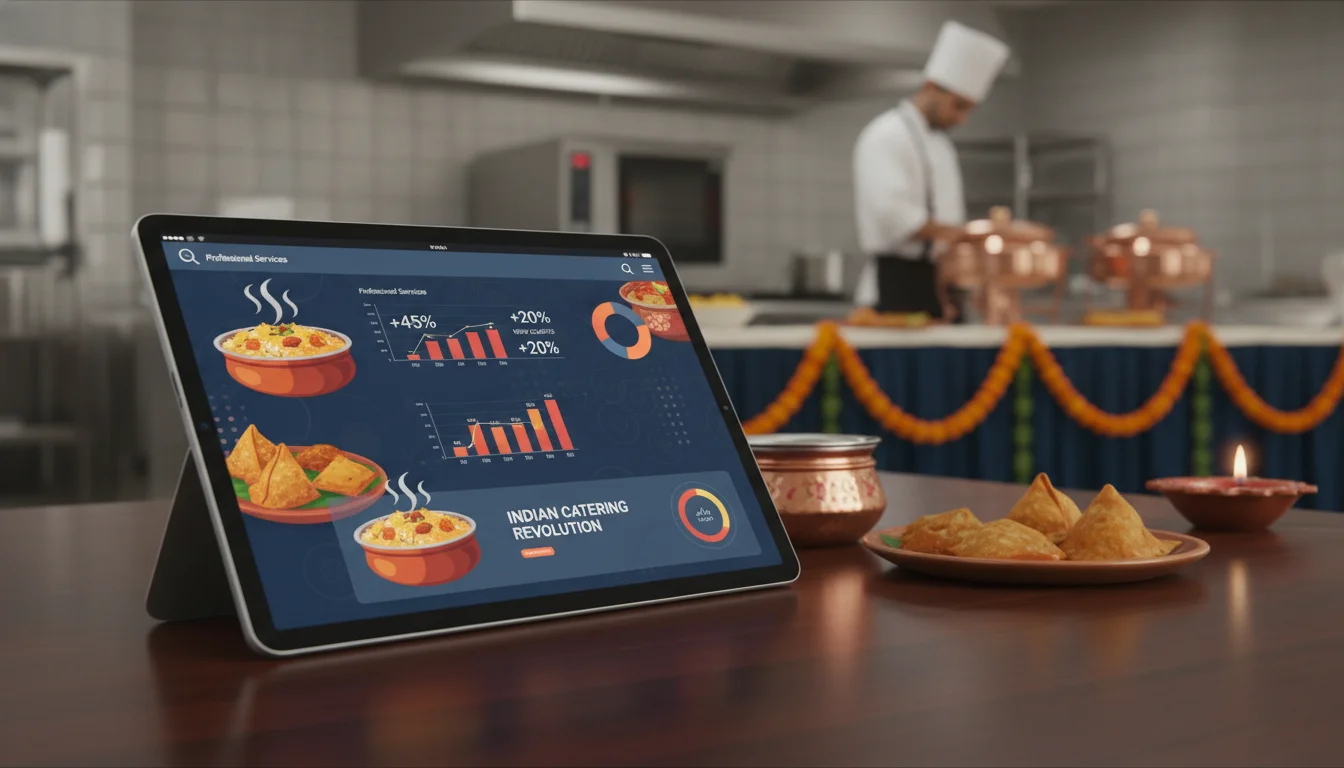
This modern iteration of the catering industry leverages economies of scale, sophisticated supply chain logistics, and stringent food safety standards to cater to both business-to-business (B2B) and business-to-consumer (B2C) segments. The market is structurally categorized into several distinct verticals, including institutional catering (which encompasses healthcare, education, and corporate entities), event-based catering (focusing on weddings, social parties, and community gatherings), and contract food services. Furthermore, the operational models are bifurcated into on-premises catering, where food preparation and service occur at the client’s designated location, and off-premises catering, where meals are prepared in centralized cloud kitchens or commissaries and subsequently transported to the venue. This multifaceted ecosystem is increasingly reliant on international standards blending with indigenous culinary practices, resulting in an extensive network providing customized food solutions to a rapidly evolving demographic base.
Current Market Size, Growth, and Trends
The financial trajectory of the Indian catering market is highly robust, fueled by shifting consumer paradigms and favorable demographic dividends. Comprehensive financial analyses and market intelligence reports establish the base year market size at approximately USD 5.3 billion in 2024 to 2025, with predictive models forecasting an expansion to USD 7.7 billion by 2034, registering a steady compound annual growth rate (CAGR) of 4.26% during this period. Other strategic market evaluations project a slightly steeper growth curve, estimating a CAGR of 6.1% extending through 2030, reflecting the accelerating formalization of the sector. Globally, the broader catering services market presents a massive USD 73.2 billion opportunity, with the Asia-Pacific region, including India, demonstrating significant dynamism and year-over-year growth.
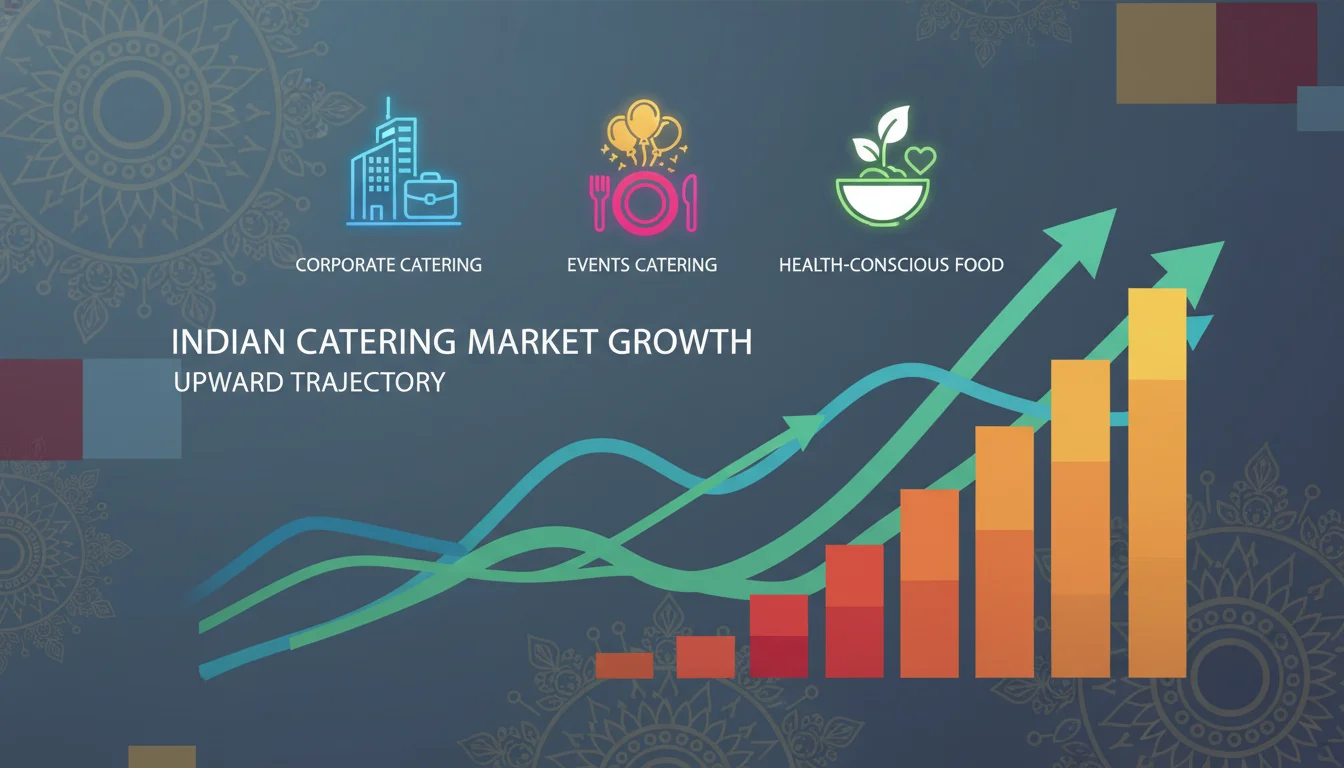
The structural composition of this market reveals distinct segment dominances. Within the educational catering sector, the lunch segment commands a staggering 62.0% market share, driven primarily by the vital necessity of meeting students’ daily nutritional requirements. In the healthcare catering vertical, large hospitals hold the highest market share at 64%, necessitated by their substantial capacity and the high volume of specialized dietary meals required for patients, medical staff, and visitors. Meanwhile, the corporate and contract catering landscape is overwhelmingly dominated by the industrial segment, which captures a substantial 68.0% market share. This dominance is rooted in the immense scale of industrial workforces, which require cost-effective, scalable, and professionally managed food solutions. Event-based catering, particularly in prime demand hotspots like Bangalore, represents a massive total addressable market of $5.10 billion nationally, heavily driven by high-income segments in major cities.
Several macroeconomic, sociological, and culinary trends are currently dictating the evolution of this space. Foremost is the pronounced shift toward health-conscious eating and wellness integration. The demand for customized, dietary-specific meals—including vegan, plant-based, gluten-free, and organic, locally sourced options—is surging across both corporate and social sectors. Caterers are rapidly pivoting from generic buffet offerings to specialized culinary experiences that feature sustainable and eco-friendly practices, heavily supported by growing consumer awareness and governmental food safety initiatives. Additionally, consumers are increasingly seeking multi-regional and international fusion cuisines that elegantly blend traditional Indian flavors with global culinary influences, reflecting a more cosmopolitan palate and a heightened desire for culinary variety. The proliferation of meal kit delivery services, mobile food service providers, and ready-to-eat (RTE) meals further exemplifies the market’s shift toward convenience and on-the-go consumption.
Key Challenges Faced by Businesses in this Industry
Despite the exceptionally promising growth metrics, catering businesses in India face a labyrinth of operational, logistical, and strategic challenges. The landscape remains highly fragmented and fiercely competitive, engendering intense price wars that frequently compress profit margins. Financial analyses indicate that event-based catering typically yields net margins between 7% and 15%, whereas institutional and contract catering operates on razor-thin margins of 5% to 7%, primarily due to the predictable revenue but high volume requirements.
The most pressing systemic challenge remains the extraordinarily high cost of operations. This is explicitly tied to the sourcing of premium quality ingredients, sophisticated food packaging protocols, and complex last-mile logistics. Extreme fluctuations in agricultural commodity prices directly impact the foundational cost structure of catering menus, requiring operators to constantly recalibrate pricing models and seek operational efficiencies to remain solvent. Supply chain constraints are further exacerbated by the logistical hurdles of ensuring food safety and temperature control during delivery in congested urban environments.
In the digital and marketing realm, the industry suffers from a severe trust deficit and profound lead-generation inefficiency. Many catering businesses report that a substantial portion of their inbound digital inquiries consists of highly unqualified leads. These “just checking” inquiries often originate from individuals merely conducting casual market research, students, or users seeking free tastings, which inevitably drains administrative resources, wastes time, and obfuscates actual conversion metrics. Furthermore, there is a pronounced technological gap within the traditional Indian catering space. While global quick-service restaurants (QSRs) and multinational foodservice chains rapidly adopt advanced digital marketing tools and data analytics, indigenous catering operators and regional Indian restaurants frequently struggle to harness digital mediums to create personalized consumer experiences, often relying on outdated promotional modalities and failing to bridge the gap between traditional culinary authenticity and modern digital consumer expectations.
Digital Landscape in India (Contextual to the Industry)
Internet & Social Media Usage Relevant to Catering Services
India is currently standing on the precipice of an unprecedented digital economy boom, moving rapidly from an almost USD 200 billion digital ecosystem toward a projected trillion-dollar opportunity within the next decade. This pervasive digital infrastructure is fundamentally underpinned by widespread internet access surpassing 800 million users, the ubiquitous adoption of affordable smartphone data, progressive digital policies, and the revolutionary integration of the Unified Payments Interface (UPI). E-commerce user bases are aggressively expanding, with projections indicating a doubling from 238 million active users in 2024 to an estimated 500 million by 2030, firmly establishing India as the world’s second-largest e-commerce market globally, trailing only China.
Within the specific context of the food and catering industry, this pervasive digital infrastructure has fundamentally altered how foodservice solutions are discovered, evaluated, and ultimately procured. A comprehensive ‘Voice of the Consumer’ survey conducted by PwC, which engaged over 1,031 participants across India, underscores that the reinvented global food ecosystem—the ‘How we feed’ domain—is poised to achieve a baseline gross value added (GVA) of USD 1.3 trillion in India by 2035. Consumers are increasingly utilizing digital platforms to prioritize nutrition, affordability, and sustainability, actively embracing digital grocery platforms, wellness technologies, and mobile applications to govern their dietary choices.
The technological architecture of the foodservice sector is simultaneously evolving.
Quick Service Restaurants (QSRs) and hybrid caterers are the fastest-adopting segments for digital infrastructure, with a projected 9.16% growth rate in Point of Sale (POS) adoption forecasted from 2025 to 2032. The deployment of self-ordering kiosks in India generated an estimated USD 1.62 billion in 2024 and is on a trajectory to reach USD 3 billion by 2030 at an 11.1% CAGR, driven by a high youth consumer base and rising mobile payments. Furthermore, the implementation of digital menus and QR code ordering systems—adopted by approximately 33% of Indian restaurants during the initial phases of the COVID-19 pandemic and rapidly scaling thereafter—has yielded a measurable 10-20% increase in average check values, demonstrating the direct financial impact of digital digitization on consumer spending.
Popular Platforms Among the Target Audience
The selection and utilization of digital platforms in India are highly segmented by the target audience’s specific intent and the nature of the catering service required. For high-end social events, private parties, and luxury weddings, visual-centric platforms such as Instagram and YouTube reign supreme. The impact of these highly visual digital environments on eating habits and consumer choices is both profound and neurologically measurable. High-quality imagery and immersive videos of appetizing dishes rank consistently among the most shared content metrics on Instagram. Scientific studies indicate that viewing such high-fidelity food images directly activates the brain’s reward centers, physiologically increasing hunger and exponentially elevating the likelihood of impulsive, desire-based purchasing decisions.
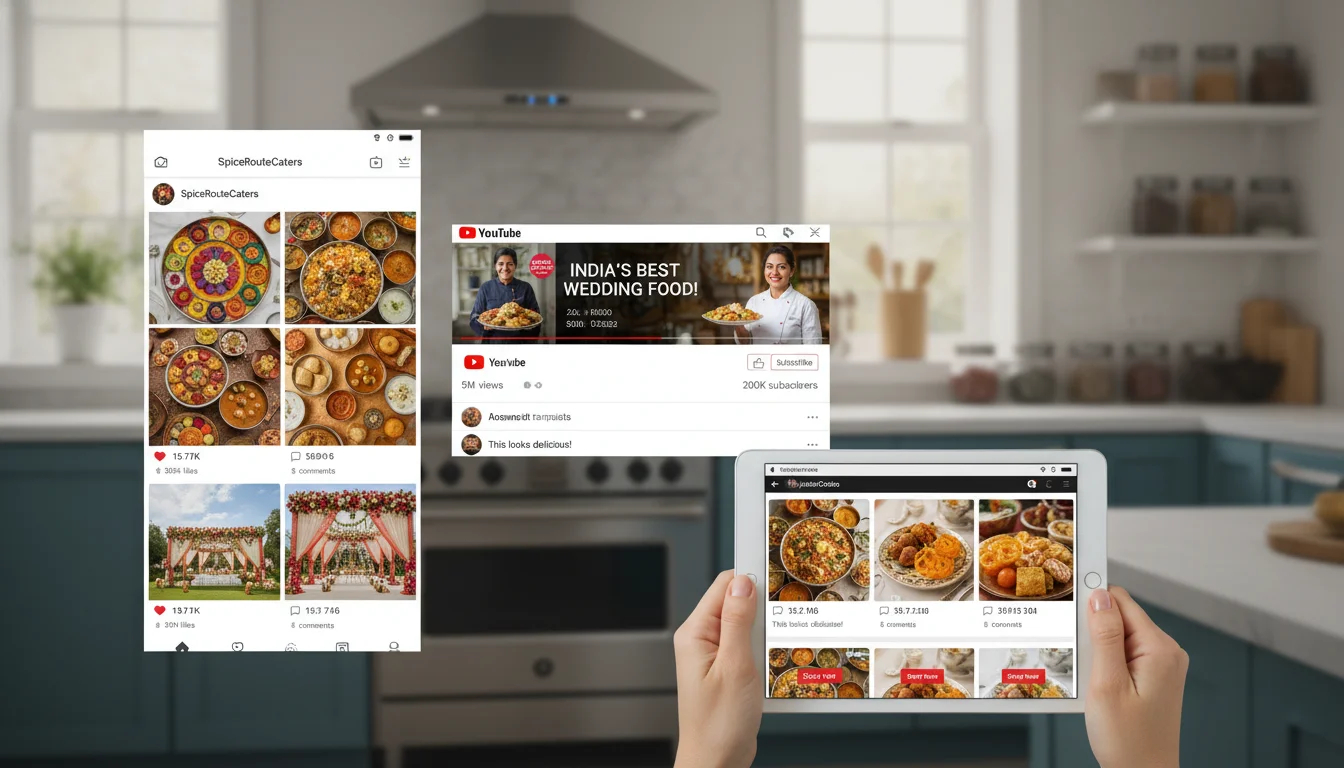
Instagram has also birthed a unique sociological and digital phenomenon explicitly relevant to the catering and event sector, categorized as the “South Asian Bride to IG Influencer Pipeline”. In this digital ecosystem, modern brides leverage the extensive visual documentation of their lavish Indian weddings to build formidable social media personas, transitioning into lifestyle bloggers and micro-celebrities. In the months and years following their nuptials, they exhaustively share every microscopic detail regarding venue selection, floral decor, and intricately designed catering menus. This intense “keeping-up-with-the-Joneses” mentality transforms weddings into highly publicized, staged events showcased not only for attendees but for thousands of digital strangers, effectively turning catering vendors featured in these posts into highly sought-after lifestyle brands.
YouTube serves as the vital secondary platform for long-form culinary storytelling, where leading food influencers, culinary critics, and brand channels conduct exhaustive reviews, explore behind-the-scenes kitchen operations, and validate brand authenticity for massive subscriber bases. Meanwhile, for the corporate and B2B contract catering sector, platforms like LinkedIn and Google Search (specifically localized search optimized via Google Business Profiles) serve as the primary arenas for vendor discovery. Corporate administrative managers, event planners, and human resource professionals utilize these platforms to rigorously vet the professional credibility, operational scale, and hygiene compliance standards of potential catering partners prior to engagement. Finally, WhatsApp has emerged as the definitive conversational and transactional platform in India. Once initial trust is established via Instagram aesthetics or Google Search authority, the actual negotiation, menu customization, pricing discussions, and final lead conversion predominantly occur within the closed, high-trust, and immediate environment of WhatsApp Business.
Consumer Online Behavior Related to Catering Services
Indian consumer behavior regarding food procurement and event planning remains deeply communal, culturally rooted, and highly dependent on peer validation, yet the medium of this validation has shifted entirely to the digital realm. External sociological factors, such as reference groups, immediate family units, professional networks, and niche online communities, exert a profound and measurable influence on purchasing decisions. The modern Indian consumer rarely engages an unknown catering entity without first seeking out user-generated content (UGC), exhaustive Google reviews, and digital testimonials to mitigate perceived risk.
A critical behavioral insight shaping the digital landscape is the absolute premium placed on convenience and speed. Time has materialized as the most valuable resource for urban Indian consumers, fundamentally reshaping how food is purchased. Market research indicates that an overwhelming 76% of consumers cite extreme convenience as the primary reason for choosing Direct-to-Consumer (D2C) food brands over traditional retail or offline sourcing models. This expectation of frictionless convenience has entirely permeated the catering industry; prospective clients now inherently expect seamless digital portfolios, instant automated quotation calculators, and multi-channel communication responsiveness as baseline requirements.
Furthermore, there is a distinct transition in search behavior from broad, exploratory queries to highly specific, high-intent digital searches. Consumers are actively bypassing generic head terms like “catering company” in favor of hyper-specific, long-tail searches such as “affordable buffet wedding catering for 100 guests in Delhi” or “corporate lunch delivery near me”. The traditional reliance on offline, localized word-of-mouth referrals is being aggressively augmented—and in major metropolitan centers, entirely replaced—by digital authority. A catering brand’s ability to maintain a pristine, consistent Name, Address, and Phone number (NAP) presence across local directories, combined with an active, empathetic response protocol to online reviews, currently serves as the strongest proxy for operational reliability and trustworthiness in the mind of the Indian consumer.
3. Digital Marketing Opportunities
How Digital Marketing Can Solve the Key Challenges
The intrinsic structural challenges characterizing the Indian catering sector—extreme market fragmentation, severe margin compression, the influx of unqualified leads, and widespread brand obscurity—can be systematically neutralized through the deployment of precision digital marketing and data analytics. The chronic issue of unqualified “just checking” leads, which devastate administrative efficiency, can be effectively mitigated by deploying targeted semantic Search Engine Optimization (SEO) and highly calibrated pay-per-click (PPC) campaigns designed to intercept users exclusively at the bottom of the purchasing funnel. By utilizing negative keyword lists and focusing strictly on long-tail keywords that inherently imply commercial intent and budgetary readiness, caterers can algorithmically filter out casual window shoppers.
Furthermore, advanced digital marketing provides infinitely scalable brand awareness without the prohibitive, sunk costs associated with traditional offline media. The integration of unified Customer Relationship Management (CRM) systems with digital analytics allows catering brands to transcend transactional marketing. These systems enable companies to deeply segment their audiences, run highly personalized reactivation campaigns for dormant corporate clients, analyze purchasing velocity, and optimize their complex supply chains based on predictive demand forecasting. Technologies such as digital signages, geofence-based application notifications, and data analytics-led advertising strategies empower brands to drastically improve their mindshare and streamline the unified customer experience.
Best Strategies for Catering Services in India
Search Engine Optimization (SEO) and Local Dominance
Local SEO is the undisputed, highly cost-effective cornerstone for catering lead generation in India. Empirical data reveals that over 91% of high-intent web searches involve multi-word long-tail queries, which convert at substantially higher rates than broad terms. A robust, fail-proof strategy requires establishing absolute algorithmic dominance on Google Business Profiles (GBP). This entails ensuring meticulous NAP consistency across all Indian local directories, embedding localized keywords seamlessly into title tags and meta descriptions, and utilizing advanced schema markup (such as LocalBusiness, Address, and FAQ schemas) to guarantee visibility in local map packs. Creating dedicated, highly optimized landing pages for specific micro-services—for instance, developing a distinct technical page for “Corporate Seminars in Mumbai” versus a separate page for “Bridal Showers in Delhi”—allows search engine algorithms to match the exact semantic intent of the user, drastically lowering bounce rates and elevating conversion probabilities.
Social Media, Visual Commerce, and Influencer Marketing
Given the inherently sensory and aesthetic nature of food, social media strategy must aggressively pivot from generic, text-heavy broadcasting to immersive, high-definition visual storytelling. The deployment of high-quality food photography and dynamic video reels detailing the meticulous preparation process, strict hygiene standards, and opulent venue setups is strictly mandatory. Leveraging platforms like Instagram requires acute alignment with prevailing cultural trends. Showcasing highly appealing fusion cuisine innovations, creative plant-based spreads, and sustainable sourcing taps directly into current consumer wellness demands.
Crucially, the integration of culinary and lifestyle influencers serves as a potent psychological mechanism to bypass the industry’s trust deficit. However, the strategy must prioritize targeted micro-influencers over broad celebrity endorsements.
Partnering with localized micro-influencers—such as bespoke wedding planners, regional lifestyle bloggers, and highly respected local food critics—yields disproportionately high engagement rates and authentic community penetration. Influencers like Mithila Palkar and Shilpa Khatwani, renowned for lifestyle and luxury fashion content, bring an aura of glamour and aspirational value to luxury wedding catering campaigns. Similarly, collaborating with dedicated food vloggers or storytellers, such as Indrajit from Foodka who blends culture, storytelling, and regional cuisine, embeds the catering brand deeply within highly targeted, hyper-local culinary communities.
Data-Driven CRM and Lifecycle Marketing
The implementation of a sophisticated, AI-driven CRM allows caterers to transition from fighting for one-off transactional relationships to maximizing customer lifetime value (LTV). By aggregating data to build comprehensive 360-degree customer profiles, catering companies can automate highly customized marketing communications. This includes deploying tailored menu offerings to past corporate clients immediately prior to major financial quarter-ends or festive seasons, or algorithmically triggering anniversary dining packages and baby shower catering offers to previous wedding clients based on specific timeline intervals.
Local and Global Examples/Case Studies
The theoretical application of these strategies is vigorously validated by numerous empirical case studies across the Indian food service and catering landscape.
Biryani By Kilo (BBK) - CRM Personalization and Cloud Infrastructure
Biryani By Kilo, a highly successful premium cloud-kitchen and catering hybrid operating across 30 cities with an estimated Rs. 500 crore revenue target, provides a masterclass in digital deployment. Facing intense market competition from local unorganized vendors and massive global QSR chains, BBK faced the critical challenge of converting first-time buyers into loyal repeat patrons. BBK integrated Xeno’s proprietary AI-driven marketing CRM to bucket customer personas deeply. By executing personalized, 1-on-1 marketing communications based on these specific insights, BBK achieved a staggering 21% increase in new-to-repeat customer conversions and an 11% growth in reactivating dormant customers within just three months. Campaigns tailored specifically for the “discount seeker” persona achieved a massive 47% uplift in revenue.
Concurrently, addressing critical operational bottlenecks where high-volume weekend orders from Swiggy and Zomato were being missed due to server outages, BBK partnered with Rapyder to overhaul and migrate their business-critical infrastructure to the AWS Cloud. This ensured absolute stability during peak demand, safeguarding the digital customer experience. Their social media narrative consistently highlighted the authentic “handi” slow-cooking method and premium ingredient sourcing, driving substantial foot traffic and elevating brand perception.
Food on Track - Public Sector Digital Revival
In a stark demonstration of digital efficacy within highly rigid, bureaucratic structures, the digital marketing campaign for the largest state-run catering service in India to launch the “Food on Track” application yielded transformative results. Through a synergistic combination of strategic organic search marketing (SEO), aggressive paid advertising (both search and display), and proactive social media management designed specifically to drive Google Play store app downloads, the enterprise witnessed an overall traffic surge of 35% year-on-year. This proves that even heavily institutionalized caterers can achieve massive digital engagement through structured execution.
Racsha Catering - Strategic Pivot via Social Media
Operating in Bekasi since 2016, Racsha Catering provides an excellent example of digital scalability. Initially starting as a modest school lunch service, the company utilized a structured SWOT analysis to identify weaknesses in their promotional reach and threats from local competitors. By deeply optimizing their social media presence and aligning their digital content with emerging consumer culinary trends, Racsha Catering successfully expanded their market reach, transitioning into a highly profitable operator servicing major large-scale events and significantly increasing total revenue.
Kareem’s Dhaka - Influencer-Driven Market Penetration
Demonstrating the power of the micro-influencer ecosystem, Kareem’s Dhaka sought to solidify its position in a highly competitive restaurant and catering market. The brand engaged in a comprehensive digital strategy featuring a high-quality, visually immersive website, targeted media buying, and intensive SEO. Crucially, they collaborated with a curated network of food vloggers boasting follower counts ranging from 10,000 to over 100,000. This influencer marketing blitz built immense credibility, resulting in a 200% exponential increase in digital engagement, a massive boost in social media interactions, and substantially higher offline and online customer visits.
White Himal - Pandemic-Induced Digital Transformation
A qualitative research study on White Himal, a Nepalese restaurant/caterer, highlights the necessity of digital adaptation during crises. During the severe disruptions of the COVID-19 pandemic, the business was forced to transition entirely from traditional offline marketing to comprehensive digital platforms, including intensive social media marketing, bespoke e-commerce solutions, and integration with delivery aggregators. This digital shift proved absolutely crucial for customer engagement, allowing the business to communicate strict safety and hygiene protocols visually via photos and videos, thereby maintaining consumer trust and revenue continuity.
Competitive Analysis
Current Digital Presence of Top Catering Businesses in India
The competitive matrix of the Indian catering market features a distinct dichotomy between massive, highly structured multinational institutional caterers and agile, localized, aesthetic-driven event specialists. Key players dominating the market share include multinational entities such as Sodexo India, Compass Group, Elior India, and LSG Sky Chefs, alongside dominant indigenous players like Foodlink, CaterNinja, Biryani By Kilo, and major foodservice corporations like Jubilant FoodWorks and McDonald’s Corporation.
| Company / Brand | Primary Sector Focus | Core Digital Narrative | Strategic Digital Posture |
|---|---|---|---|
| Sodexo India | Business & Industry, Healthcare, Education | Positions itself as a global leader in sustainable food, highly valued corporate experiences, and rigorous health-centric nutritional planning. | Highly corporate, LinkedIn-dominant. Emphasizes operational efficiency, ESG compliance, and massive B2B scale to reassure enterprise clients. |
| Compass Group | Corporate, Contract Catering | Scalable industrial food solutions, impeccable hygienic workflows, and reliable supply chain management. | Focuses on corporate white-papers, detailed service catalogs, and B2B lead generation via structured, technical organic search. |
| CaterNinja | Social Events, Private Parties, Mid-market B2B | Event-based nimbleness, transparent modular pricing, and highly localized service delivery targeting the premium segment. | Highly agile local SEO strategy. Maintains a strong, targeted presence in fragmented urban demand hotspots (e.g., Bangalore, Mumbai). |
| Biryani By Kilo | QSR, Premium Cloud Kitchen, Hybrid Catering | Absolute culinary authenticity, slow-cooked royal heritage, premium mass-market appeal, and uncompromised freshness. | Deep CRM integration, aggressive data-driven performance marketing, heavy and highly aesthetic use of visual social media. |
| Jubilant FoodWorks (Domino’s) | QSR, Mass Market Delivery/Catering | Speed, affordability, technological superiority, and contactless delivery safety. | Operates highly advanced proprietary mobile apps, relies on massive ad spend, and utilizes geofencing and subscription models to ensure dominance. |
What They Are Doing Well
Market leaders excel by aligning their digital footprints explicitly and seamlessly with their core operational strengths. Sodexo India expertly utilizes its digital real estate to communicate a consumer-centric design specifically tailored to corporate professionals. They brilliantly blend the narrative of delivering “gastronomic delights” with rigorous operational mechanics, highlighting clean washrooms, optimal asset management, and sustainable local produce sourcing to minimize food waste. This highly polished, risk-mitigating B2B digital presence reassures massive enterprise clients of their capability.
Conversely, Biryani By Kilo excels in digital B2C and mid-tier B2B execution by weaponizing technology. By upgrading their server infrastructure to robust AWS cloud architectures, they eliminated critical downtime during high-traffic festival days, preserving a flawless digital customer experience. Their digital marketing thrives on showcasing the sensory appeal of their product—the handcrafted earthen handi—while aggressively utilizing AI-driven CRM retargeting algorithms to segment audiences and capture repeat market share with clinical precision.
Gaps and Opportunities to Outperform Them
Despite the highly visible successes of these top-tier brands, deep empirical research indicates a vast, unexploited vacuum in the broader Indian catering space regarding comprehensive digital maturity. Academic studies, such as the mixed-methods research conducted in the culturally rich Braj region of Uttar Pradesh, reveal that most Indian food service operators have yet to adequately harness digital mediums.
Their online presence is frequently static, functioning as mere digital brochures rather than interactive, culturally aligned conversion engines.
Identified Strategic Gaps:
- Systemic Neglect of Hyper-Local SEO: Many national multinational players focus entirely on broad domain authority and corporate branding but fail utterly to optimize for neighborhood-level “near me” searches. This leaves a massive, highly lucrative opportunity for localized catering businesses to capture high-intent geographic queries.
- Lack of Frictionless Interactive Quoting: While modern users demand instantaneous information, the overwhelming majority of catering websites still require cumbersome phone calls or lengthy email exchanges to ascertain baseline pricing. Developing interactive, automated quoting calculators on landing pages serves as a massive, immediately actionable competitive differentiator.
- Over-Reliance on Third-Party Aggregators: By depending heavily on platforms like Swiggy and Zomato for customer discovery, many hybrid caterers sacrifice crucial first-party data ownership and incur exorbitant commission fees. Building highly optimized proprietary digital assets (direct-to-consumer websites, WhatsApp ordering channels) is paramount for long-term margin protection.
- Cultural Disconnect in B2B Marketing: Institutional caterers frequently utilize sterile, globally homogenized marketing collateral. There is a profound opportunity for indigenous Indian caterers to inject local cultural alignment, regional sourcing narratives, and emotional storytelling into corporate catering pitches to drastically increase engagement and perceived value.
Recommended Strategy for Catering Services in India
Target Audience Persona (Age, Location, Preferences)
To eliminate wasted advertising spend and maximize conversion metrics, the digital marketing strategy must be sharply bifurcated into two distinct psychological and demographic profiles:
Persona A: The Corporate Decision Maker (B2B)
- Demographics: Age 30-55; Human Resource Managers, Facilities Directors, Administrative Heads, and Corporate Event Planners. Located predominantly in Tier-1 corporate hubs (Bengaluru, Mumbai, Gurugram, Hyderabad, Pune).
- Preferences & Pain Points: Driven fundamentally by budget efficiency, employee morale enhancement, and unyielding operational reliability. They require scalable, frictionless solutions that accommodate highly diverse dietary needs (vegan, health-conscious, allergen-free) without incurring logistical failures or compliance breaches.
- Digital Behavior: Researches vendors via Google Desktop searches during business hours. Seeks out long-form, data-rich content (case studies, hygiene certifications, sustainability reports). Highly active and receptive on professional networks like LinkedIn.
Persona B: The Social Event Architect (B2C)
- Demographics: Age 25-45; Engaged couples, family patriarchs/matriarchs, and boutique social event planners. Located across all Tier-1 and rapidly emerging Tier-2 cities.
- Preferences & Pain Points: Driven by aesthetics, social prestige, and deep cultural tradition. They view the catered event as a direct extension of their personal brand and social standing. They require premium presentation, highly customized fusion menus, and impeccable, visually stunning service.
- Digital Behavior: Heavily influenced by Instagram aesthetics and visual validation. Relies deeply on peer reviews, user-generated content, and micro-influencer recommendations. Conducts rapid, mobile-first searches and prefers immediate, informal communication via WhatsApp.
Recommended Channels and Campaign Types
- Google Maps and Local Search Ecosystem: This is the absolute foundational channel for driving highly qualified leads. Campaigns must focus on dominating the local map packs through rigorous, ongoing Google Business Profile optimization. This includes ensuring strict NAP consistency and deploying targeted local search ads specifically triggering for high-intent strings like “event + catering + location”.
- Meta Platforms (Instagram & WhatsApp Synergy): Utilize high-definition Instagram content for upper-funnel visual awareness and aspiration generation. Crucially, transition these users directly into WhatsApp Business for bottom-funnel conversion. This creates a high-trust, personalized communication loop that circumvents the noise of traditional email marketing and caters to the Indian preference for conversational commerce.
- LinkedIn for Corporate Acquisition: Deploy sophisticated lead-generation forms and highly targeted InMail campaigns aimed precisely at HR and facility management titles within specific geographic radii. The messaging must focus on solving pain points: employee wellness, reliable daily execution, and transparent billing.
- Micro-Influencer Collaborations: Execute hyper-targeted campaigns partnering with local lifestyle bloggers, boutique wedding planners, and regional food critics to generate authentic, localized social proof, avoiding the high cost and low engagement of broad celebrity endorsements.
Content Ideas Specific to Catering Services in India
-
Behind-the-Scenes (BTS) Operations
Platform Focus: Instagram Reels / YouTube Shorts
Concept: High-energy timelapses of a massive wedding kitchen prep, or the meticulous, hygienic plating of a 500-person corporate executive lunch.
Objective: Build radical transparency, visually validate strict hygiene standards, and showcase immense operational scale.
-
Educational / Value-Add Authority
Platform Focus: Website Blog / LinkedIn Articles
Concept: “How to Calculate Precise Food Quantities for a 500-Person Indian Wedding” or “The Measurable ROI of Healthy Corporate Lunches on Employee Productivity.”
Objective: Establish definitive thought leadership and systematically capture long-tail informational SEO traffic.
-
The ‘Handi’ & Heritage Narrative
Platform Focus: Instagram / Facebook
Concept: High-definition, macro photography highlighting traditional cooking techniques, the sourcing of regional spices, and organic farm-to-table supply chains.
Objective: Tap deeply into consumer desire for cultural authenticity, heritage, and premium quality.
-
Authentic Social Proof / Testimonials
Platform Focus: Website / WhatsApp Catalog
Concept: Short, emotionally resonant video snippets of ecstatic brides or highly relieved corporate administrators praising the flawless execution and seamless service.
Objective: Neutralize buyer hesitation at the absolute bottom of the conversion funnel.
Budget-Friendly Digital Marketing Approaches
For emerging catering businesses, boutique startups, or those operating on heavily constrained margins, highly effective digital marketing does not necessitate exorbitant capital expenditure. Industry data indicates that monthly digital marketing expenses for small businesses typically range between a highly manageable $2,500 and $12,000. A carefully planned approach enables small budgets to reach remarkable return on investment numbers.
The most efficient, low-budget strategy involves completely abandoning broad-interest, untargeted social media campaigns (e.g., generic Facebook boosting), which frequently result in massive wasted ad spend and zero tangible leads. Instead, businesses must aggressively pivot their entire budget toward Local SEO and Google My Business (GMB) optimization. A meticulously managed GMB profile—replete with optimized images, consistent trading hours, and rich keyword descriptions—generates high-intent, hyper-local inbound leads organically, completely eliminating the daily financial burn associated with broad PPC campaigns.
Furthermore, leveraging WhatsApp Marketing provides a highly intimate, virtually free direct-to-consumer pipeline. Transitioning organic traffic from Instagram stories or simple landing pages directly into a structured WhatsApp chat allows for highly personalized closing tactics. Finally, implementing a highly structured, automated system to request and manage Google Reviews from satisfied clients costs absolutely nothing financially but exponentially increases organic algorithmic visibility and crucial trust metrics.
Keywords & SEO Opportunities
High-Intent Keywords for Ranking
High-intent keywords represent users positioned at the absolute bottom of the marketing funnel—individuals who have completed their preliminary research and are actively seeking to solicit a commercial quotation. These queries bypass broad, informational terms (e.g., “catering food ideas”) and move directly into explicit transactional phrasing. The digital architecture of the catering website must feature dedicated, conversion-optimized landing pages targeting these primary commercial clusters.
A comprehensive analysis of high-intent catering keywords reveals the following core targets, demonstrating immense search volumes but correspondingly high competition and Cost Per Click (CPC) metrics:
-
catering services
Search Intent Classification: Commercial / Transactional
Global/Broad Search Volume: 60,500
Average CPC / Competition Level: High Competition
-
catering company
Search Intent Classification: Navigational / Commercial
Global/Broad Search Volume: High
Average CPC / Competition Level: High
-
affordable catering services
Search Intent Classification: Transactional
Global/Broad Search Volume: High
Average CPC / Competition Level: High
-
corporate caterers
Search Intent Classification: Commercial (B2B)
Global/Broad Search Volume: 6,600
Average CPC / Competition Level: High
-
wedding catering services
Search Intent Classification: Commercial (B2C)
Global/Broad Search Volume: 1,900+ (Highly targeted)
Average CPC / Competition Level: $2.52 CPC (Premium)
-
party catering
Search Intent Classification: Commercial
Global/Broad Search Volume: 9,900
Average CPC / Competition Level: High
Long-Tail Keyword Opportunities (India-Specific)
While broad head terms command impressive search volumes, they are ferociously competitive, require massive SEO budgets to rank for, and often yield surprisingly low conversion rates due to mixed user intent.
Conversely, long-tail keywords—characterized by high specificity and comprising three or more words—account for a substantial majority of all web traffic and convert at significantly higher margins due to their precise alignment with the user’s exact needs. By targeting these terms, growing brands can effectively bypass the fierce competition for head terms and capture ready-to-buy shoppers. In the Indian market, incorporating specific geographic locales and nuanced dietary requirements into these long-tail strings provides a massive, easily defendable competitive moat.
City and Service Specific Long-Tail Opportunities:
- “affordable buffet wedding catering for 100 guests in Delhi”
- “daily office lunch delivery service in Mumbai”
- “best catering services near me for birthday party in Bangalore”
- “corporate event catering venues in Pune”
Cuisine and Specialty Driven Long-Tail Opportunities:
- “custom menu catering for vegan guests in Chennai”
- “authentic South Indian traditional wedding caterers near me”
- “gluten-free and healthy catering choices for small events”
- “fusion cuisine BBQ catering for graduation party”
By utilizing advanced semantic SEO strategies and creating highly structured, localized topic clusters around these specific long-tail queries, catering brands can establish themselves as the definitive local authority, directly intercepting highly qualified, high-value clientele.
Implementation Roadmap
Short-Term Quick Wins (1–3 Months)
The immediate operational objective during the first 90 days is to definitively halt lead leakage, establish foundational digital visibility, and immediately capture existing, high-intent local demand.
- Month 1: Infrastructure Stabilization and Local SEO Mastery. The absolute priority is to claim, verify, and meticulously optimize the Google Business Profile (GBP). Businesses must ensure strict Name, Address, and Phone (NAP) consistency across all prominent Indian local directories and citation sources (e.g., JustDial, Sulekha, IndiaMart) to build algorithmic trust. Concurrently, technical teams must embed Google Maps integrations and implement rigorous LocalBusiness, Address, and FAQ schema markup directly into the foundational code of the company website.
- Month 2: High-Intent Paid Acquisition and Mobile Optimization. Launch tightly controlled, highly specific Google Search Ads explicitly targeting transactional, localized long-tail keywords (e.g., “corporate lunch delivery in [City]”). Route this expensive traffic to conversion-optimized, mobile-first landing pages that feature clear pricing models, downloadable menus, and rapid, frictionless contact forms. Simultaneously, audit the website for Core Web Vitals to ensure instantaneous mobile loading speeds, as slow mobile performance will decimate conversion rates in the Indian market.
- Month 3: Communication Pipeline Overhaul and Review Generation. Implement a seamless WhatsApp Business API integration. Update all social media bios, website headers, and call-to-actions to push prospective users toward automated WhatsApp inquiries, ensuring near-zero response latency. Concurrently, deploy an automated post-event email and SMS sequence to systematically generate and manage Google Reviews from highly satisfied clients, radically boosting local map pack rankings.
Long-Term Strategy (6–12 Months)
The prolonged strategic objective shifts from immediate, transactional lead capture to sustainable brand equity generation, absolute algorithmic dominance, and the aggressive maximization of customer lifetime value (LTV).
- Months 4-6: Advanced Content Architecture and Semantic SEO. Begin the systematic rollout of high-quality blog content, detailed case studies, and dedicated landing pages meticulously engineered around the identified long-tail keyword clusters. Develop valuable digital assets, such as downloadable “Comprehensive Event Planning Guides” or “Corporate Catering Budget Calculators,” to capture crucial email and phone data from upper-funnel users who are still in the research phase.
- Months 7-9: Micro-Influencer Integration and Digital PR. Identify, vet, and collaborate with highly relevant, city-specific lifestyle, fashion, and food micro-influencers. Host exclusive, visually stunning tasting events specifically for these creators to generate a massive repository of highly authentic, localized user-generated content (UGC) that populates Instagram and YouTube feeds, building unshakeable community trust. Furthermore, execute targeted link-building campaigns to earn local backlinks from event venues and regional business directories.
- Months 10-12: Advanced CRM Deployment and Predictive Lifecycle Marketing. Deploy sophisticated, AI-driven CRM software (similar to the Xeno architecture utilized by Biryani By Kilo) to deeply segment the newly acquired customer database. Initiate highly automated, personalized re-engagement campaigns targeting corporate administrators for recurring, predictable B2B bookings, and social clients for subsequent life-cycle events such as anniversaries or baby showers. This transitions the business entirely from reactive digital marketing to proactive, highly profitable demand generation.
Conclusion
The catering services industry in India is currently navigating a profound and highly lucrative inflection point. The powerful convergence of rising disposable incomes, evolving dietary consciousness, the demand for extreme convenience, and the rapid formalization of both corporate and social event spaces presents an unprecedented financial opportunity. With the broader catering market poised to eclipse USD 7.7 billion by 2034, and the overarching digital food ecosystem projected to achieve a gross value added of USD 1.3 trillion by 2035, the economic incentives for adaptation are massive. However, the foundational rules of commercial engagement have fundamentally and irreversibly changed. The modern Indian consumer, armed with ubiquitous, high-speed internet access and deeply influenced by peer-validated visual platforms, demands absolute digital transparency, frictionless communication, and flawless aesthetic excellence. Traditional reliance on static offline networks, opaque pricing structures, and localized word-of-mouth is no longer sufficient to sustain growth in a highly fragmented, margin-compressed environment. To transcend the severe operational challenges of high supply chain costs and the plague of unqualified leads, catering enterprises must urgently embrace data-driven digital marketing. From establishing absolute, hyper-localized search engine dominance to deploying sophisticated, AI-driven CRM re-engagement engines, digital agility is no longer a supplementary growth tactic; it is the fundamental prerequisite for commercial survival and market leadership.
Executing a digital transformation strategy of this magnitude requires deep technical acumen, creative excellence, and a highly nuanced understanding of the rapidly evolving digital algorithmic landscape. This is precisely where Gurkha Technology, widely recognized as Nepal’s premier, award-winning digital marketing agency, provides an unparalleled strategic and operational advantage. Bringing together a formidable, highly experienced team of over 20 certified specialists, Gurkha Technology boasts a proven, decade-long track record of delivering transformative results for both local enterprises and demanding international clientele. Recognized as the ICT Top 10 Startups of 2016 and winners of the prestigious FbStart Awards for highly innovative digital projects, their technical pedigree is unquestionable.
Gurkha Technology possesses deep, specialized expertise in engineering advanced Semantic SEO strategies, developing localized topic clusters, and integrating complex structured data to ensure absolute search dominance. Beyond technical search execution, their comprehensive capabilities extend to full-spectrum Meta platforms management, highly targeted digital advertising, TikTok Ads management, and the deployment of bespoke, conversion-optimized E-commerce and UI/UX web developments. Furthermore, their expert panel provides invaluable strategic business consulting, guiding enterprises through complex CRM selection processes (e.g., HubSpot vs. Salesforce) to ensure long-term data supremacy. By partnering with Gurkha Technology, catering businesses operating in the highly competitive Indian market can transcend digital obscurity, ruthlessly streamline their acquisition pipelines, and systematically convert digital inquiries into sustained, highly profitable growth. Contact Gurkha Technology today to initiate a comprehensive digital strategy consultation.