Definition
A Customer Data Platform (CDP) is software that collects, unifies, and activates customer data from multiple sources into persistent profiles for marketing, analytics, and personalization across channels.
Detailed Explanation
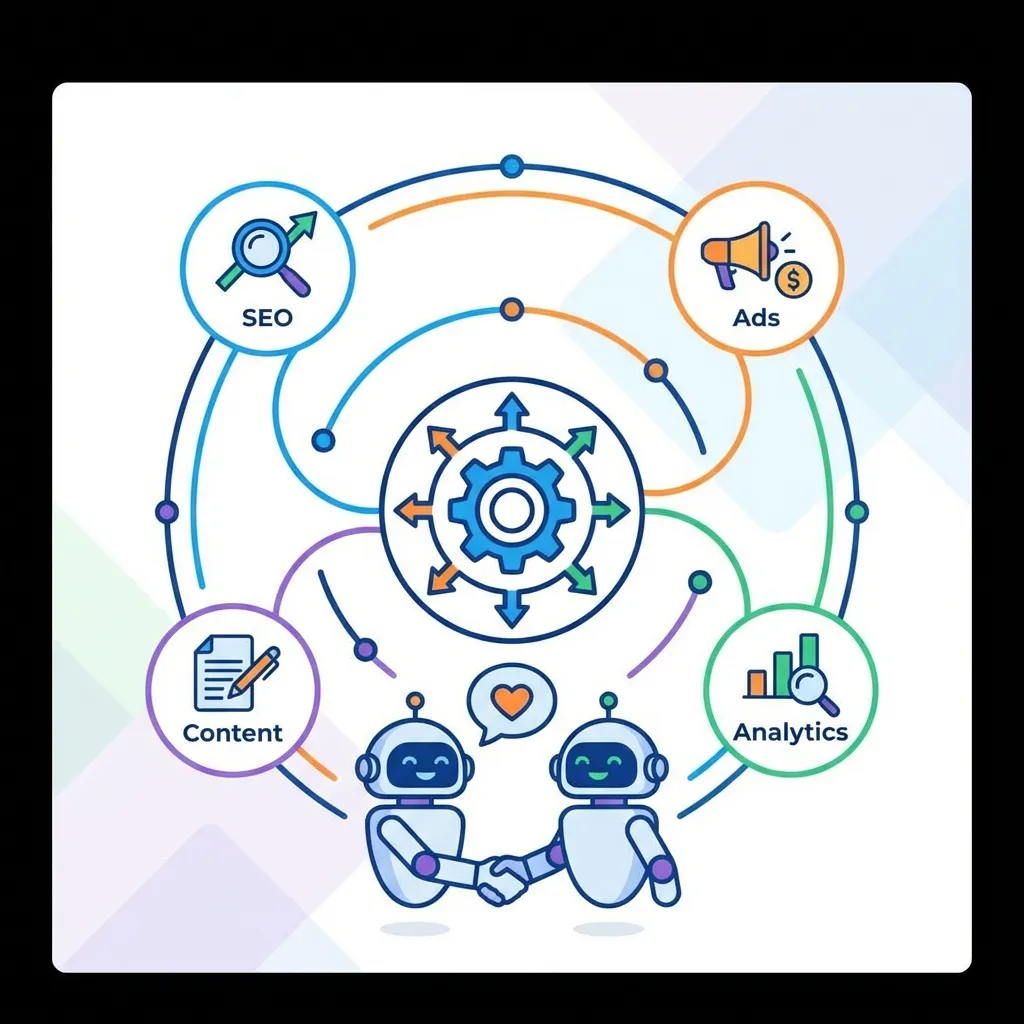
CDPs ingest web, mobile, CRM, POS, and support data; resolve identities; segment audiences; sync to ads/email tools.
Differs from CRM (sales pipeline) and DMP (anonymous cookies, declining). Modern CDPs support reverse ETL and real-time triggers.
Evaluate build vs buy: Segment, Rudderstack, or warehouse-native (BigQuery + Hightouch) for mid-market Nepal enterprises.
Nepal Context
Banks and ISPs with legacy core banking + digital apps benefit most. Start with unified email/phone keys before ambitious AI personalization.
Data localization and Nepal privacy expectations favor transparent consent logs and minimal sensitive data in ad syncs.
Practical Examples
-
Beginner: Centralize GA4 + Mailchimp + Facebook Custom Audience lists in a spreadsheet ETL weekly.
-
Intermediate: Deploy Segment to route events to GA4, Meta CAPI, and CRM simultaneously.
-
Advanced: Real-time cart abandon trigger to SMS + email + Meta within 15 minutes with LTV-based offer tiers.
Key Takeaways
- CDPs create single customer views for activation.
- Identity resolution quality determines ROI.
- Start with use cases (abandon cart) not vendor RFPs.
- Nepal enterprises may begin warehouse-lite before full CDP.
- Governance and consent must precede scale.
Common Mistakes
- Buying CDP without clean source data.
- Syncing entire CRM to Meta without suppression rules.
- No owner for profile quality and duplicate merging.