Unit 7: Customer Relationship Management and Supply Chain Management
Modern business is not just about what happens within the walls of an organization; it is equally about how a company manages its relationships with its customers and its partners. Two key disciplines and their enabling information systems are at the heart of managing these external relationships: Customer Relationship Management (CRM) and Supply Chain Management (SCM).
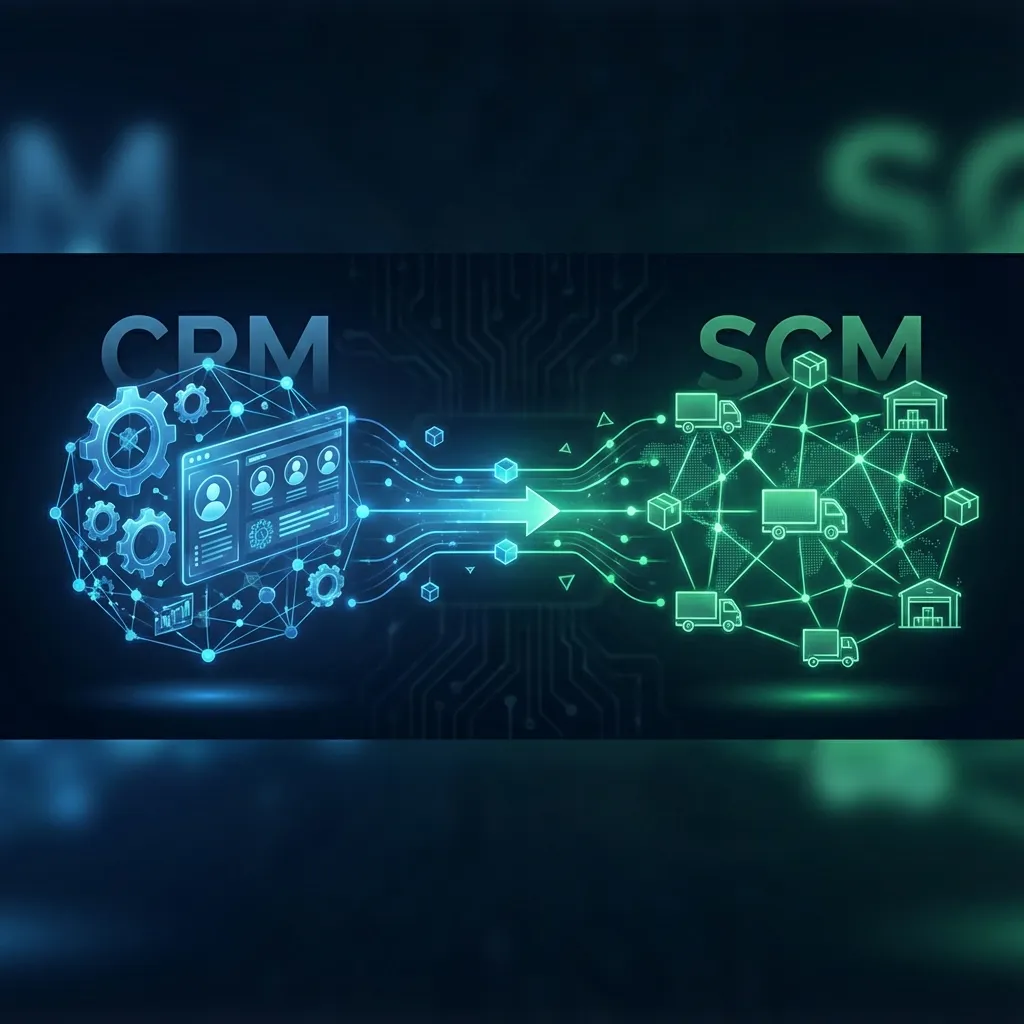 Figure 1: CRM and SCM - Managing External Relationships
flowchart LR
    subgraph UPSTREAM["Upstream"]
        SUP["🏭 Suppliers"]
    end

    subgraph ORG["Organization"]
        SCM["📦 SCM\nSupply Chain"]
        CORE["⚙️ Core\nOperations"]
        CRM["👥 CRM\nCustomer Focus"]
    end

    subgraph DOWNSTREAM["Downstream"]
        CUST["🛒 Customers"]
    end

    SUP -->|"Materials & Services"| SCM
    SCM --> CORE
    CORE --> CRM
    CRM -->|"Products & Value"| CUST
    CUST -.->|"Orders & Feedback"| CRM

    style CRM fill:#2e7d32,color:#fff
    style SCM fill:#1565c0,color:#fff
Figure 2: CRM and SCM in the Business Value Chain
Customer Relationship Management (CRM) focuses on managing all of a company’s relationships and interactions with its customers and potential customers. The goal is simple: improve business relationships to grow the business.
Supply Chain Management (SCM) involves the management of the flow of goods and services, from the procurement of raw materials to the delivery of the final product to the consumer.
This unit will explore both of these critical areas. We will define CRM and SCM, examine the different types of systems used to manage them, and see how information technology provides the essential support for building strong customer relationships and creating efficient, resilient supply chains.
What This Unit Covers
| Chapter | Topic | Key question |
|---|---|---|
| 7.2 | Defining CRM | What is CRM, and why is a customer-centric approach valuable? |
| 7.3 | Operational CRM | How do sales, marketing, and service automation work? |
| 7.4 | Analytical and collaborative CRM | How do firms analyse and share customer data? |
| 7.5 | The structure of a supply chain | What are upstream, internal, and downstream segments? |
| 7.6 | Supply chain management | What are push and pull models, and what problems arise? |
| 7.7 | IT support for SCM | How do EDI, extranets, and portals connect partners? |
Why This Unit Matters
- Keeping an existing customer is usually cheaper than winning a new one, so firms invest in knowing and serving customers well.
- Stock-outs, excess inventory, and late deliveries are supply chain failures that customers see directly.
- CRM and SCM are where information systems reach beyond the firm to customers and partners.
Key Terms
| Term | Meaning |
|---|---|
| CRM | A customer-focused strategy and the systems that support it |
| Touchpoint | Any point of contact between a customer and the firm |
| Operational CRM | Systems for customer-facing work: sales, marketing, and service |
| Analytical CRM | Systems that analyse customer data to understand behaviour |
| Supply chain | The flow of materials, information, and money from suppliers to customers |
| Bullwhip effect | Growing swings in orders as they move up the supply chain |
The Nepal Context
Banks, telecom operators, and insurers in Nepal use CRM systems and call centres to manage large customer bases, while many small firms manage customers through phone contacts and messaging apps. Nepal’s supply chains face long, uncertain lead times because of mountain roads, monsoon disruption, and dependence on imports through India, so visibility and good planning matter even more.
Key Takeaways
- Customer relationship management (CRM) is a customer-focused strategy supported by systems; it aims to keep profitable customers, not only to win new ones.
- Operational CRM automates sales, marketing, and customer service, while analytical CRM studies customer data and collaborative CRM shares it across channels and partners.
- A supply chain runs from upstream suppliers through internal operations to downstream distributors and customers.
- Push supply chains produce to forecast and pull supply chains produce to actual demand; poor information leads to problems such as the bullwhip effect.
- EDI, extranets, and corporate portals let partners share orders, inventory, and shipment data so the whole chain responds faster.
Unit Review Questions
Short answer
- Define CRM.
- Distinguish between operational and analytical CRM.
- What is the bullwhip effect?
Long answer
- Explain the types of CRM systems and their business benefits.
- Describe the structure of a supply chain and explain how information technology supports supply chain management, with examples from Nepal.