Learning Objectives
By the end of this chapter, you will be able to:
- Define the Internet of Things (IoT).
- Describe the four main stages of how an IoT system works.
- Provide examples of IoT applications in consumer and industrial settings.
- Identify the major benefits and challenges associated with IoT, particularly security and privacy.
What is the Internet of Things (IoT)?
The Internet of Things (IoT) refers to the vast network of physical objects—or “things”—that are embedded with sensors, software, and other technologies for the purpose of connecting and exchanging data with other devices and systems over the internet.
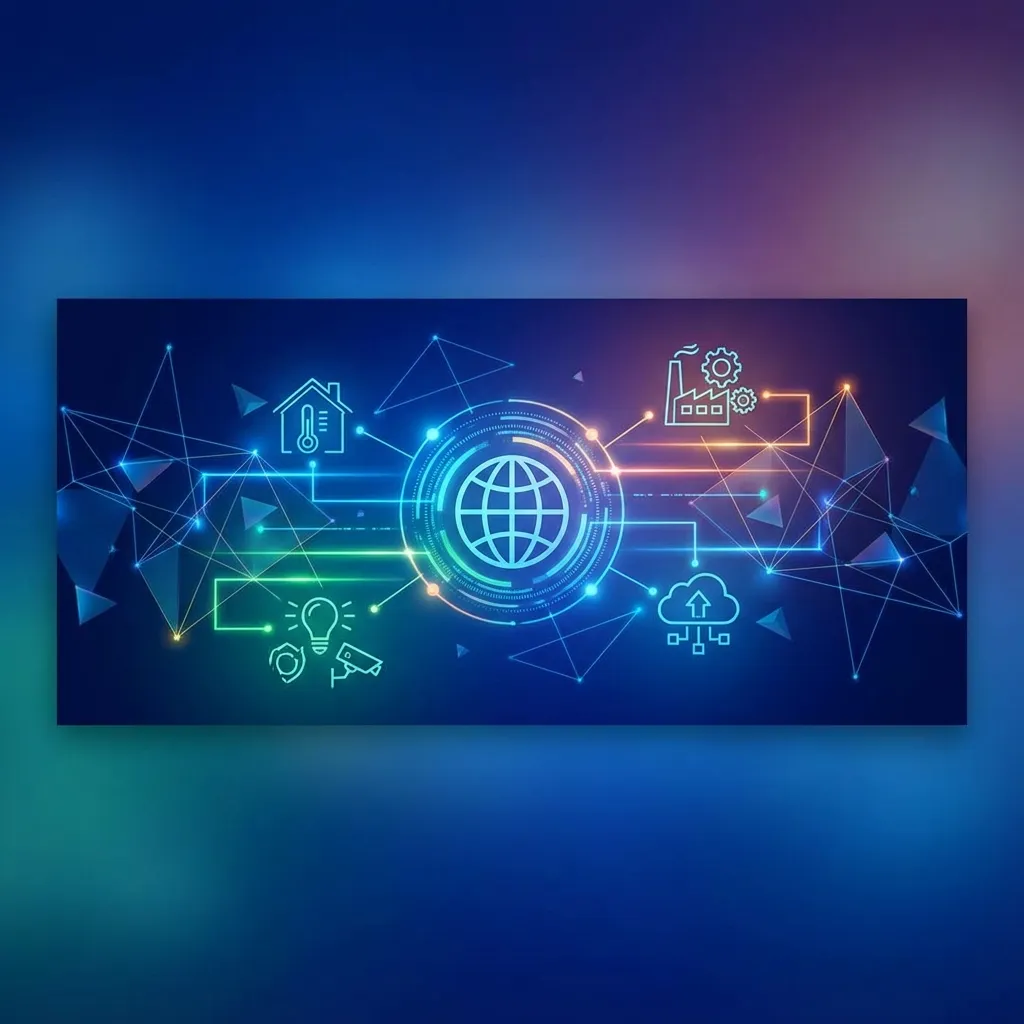 Figure 1: The Internet of Things Concept
In essence, IoT is about extending the power of the internet beyond computers and smartphones to a whole range of other objects, from everyday household items to sophisticated industrial tools. By making these objects “smart” and connected, we can gather data, automate processes, and create new services.
How IoT Works: A Simple Model
The operation of an IoT system can be broken down into four main stages:
flowchart LR
    SENSE["📡 1. SENSE\nSensors Collect\nData"]
    TRANSMIT["📤 2. TRANSMIT\nSend via\nWi-Fi/5G"]
    PROCESS["☁️ 3. PROCESS\nCloud Analysis\n& Storage"]
    ACT["⚙️ 4. ACT\nAutomate or\nAlert User"]

    SENSE --> TRANSMIT --> PROCESS --> ACT
    ACT -->|"Feedback Loop"| SENSE

    style SENSE fill:#6a1b9a,color:#fff
    style TRANSMIT fill:#1565c0,color:#fff
    style PROCESS fill:#2e7d32,color:#fff
    style ACT fill:#ef6c00,color:#fff
Figure 2: The Four Stages of IoT Operation
-
Data Collection (Sensors): First, physical objects are equipped with sensors that collect data from their environment. A sensor can measure almost anything, such as temperature, motion, light, humidity, or location.
-
Data Transmission (Connectivity): The collected data is then sent to a central processing platform. This is done using various wireless (or wired) connectivity options, including Wi-Fi, Bluetooth, Cellular (4G/5G), and other specialized IoT networks.
-
Data Processing (The Cloud): Once the data arrives at the processing platform (typically a cloud-based service), it is stored and analyzed. This can range from simple processing, like checking if a temperature reading is within an acceptable range, to complex analysis using machine learning algorithms to identify patterns.
-
Action / User Interface: Finally, the processed information is used to trigger an action or is presented to a user.
- An action could be an automated response, like a smart thermostat automatically adjusting the temperature.
- A user interface could be an alert sent to a user’s smartphone or a dashboard showing the performance of factory machinery.
Examples of IoT Applications
IoT is being applied across a wide range of personal and industrial domains:
-
Smart Home: Devices like smart thermostats (e.g., Nest), smart lighting (e.g., Philips Hue), and smart security cameras allow homeowners to monitor and control their homes remotely for convenience and energy efficiency.
-
Wearables: Fitness trackers (e.g., Fitbit) and smartwatches (e.g., Apple Watch) use sensors to collect data about a user’s health and activity levels, which can be tracked on a smartphone app.
- Smart Cities: IoT is used to improve the management of urban areas. Applications include:
- Smart Traffic Management: Sensors monitor traffic flow to optimize traffic light timing.
- Smart Parking: Drivers can use an app to find available parking spots.
- Smart Waste Management: Trash bins send alerts when they are full, optimizing collection routes.
- Industrial IoT (IIoT): In an industrial setting, IoT is used to improve efficiency and safety. Applications include:
- Predictive Maintenance: Sensors on factory equipment can detect early signs of a potential failure, allowing for maintenance to be scheduled before a breakdown occurs.
- Supply Chain and Logistics: IoT devices can track the location and condition (e.g., temperature) of goods as they move through the supply chain.
Benefits and Challenges of IoT
- Benefits: IoT offers numerous benefits, including increased efficiency, cost savings, automation of tasks, and the creation of new data-driven services.
- Challenges: The widespread adoption of IoT also raises significant challenges, particularly in the areas of security (as every connected device is a potential entry point for an attack) and privacy (as IoT devices can collect vast amounts of personal and sensitive data).
Summary
The Internet of Things (IoT) is a network of physical objects embedded with sensors and software to connect and exchange data over the internet. By collecting, transmitting, and processing data from the physical world, IoT enables automation and creates new services. Its applications range from consumer-focused smart homes and wearables to large-scale industrial and smart city projects. While the benefits of efficiency and automation are immense, they are accompanied by significant security and privacy challenges that must be carefully managed.
Key Takeaways
- IoT is a network of connected physical objects.
- The four stages of IoT are: data collection, transmission, processing, and action.
- Key applications include smart homes, wearables, smart cities, and the Industrial IoT (IIoT).
- Security and privacy are the two biggest challenges facing IoT.
Discussion Questions
- Besides the examples listed, think of another everyday object that could be made “smart” with IoT. What data would it collect, and what service would it provide?
- Why is the cloud so important for most IoT applications?
- Between security and privacy, which do you believe is the greater challenge for the future of IoT? Why?