Learning Objectives
By the end of this chapter, you will be able to:
- Define mobile computing and its key characteristics.
- Explain the concept of context-awareness and localization.
- Define Mobile Commerce (M-Commerce) and identify its main drivers.
- Describe the major applications of M-Commerce, such as mobile banking and location-based services.
The Rise of Mobile Computing
Mobile computing is a technology that allows for the transmission of data, voice, and video via a computer or any other wireless-enabled device without having to be connected to a fixed physical link. It is a broad term that describes the shift from traditional desktop-based computing to a paradigm where computing capabilities are always available on the go.
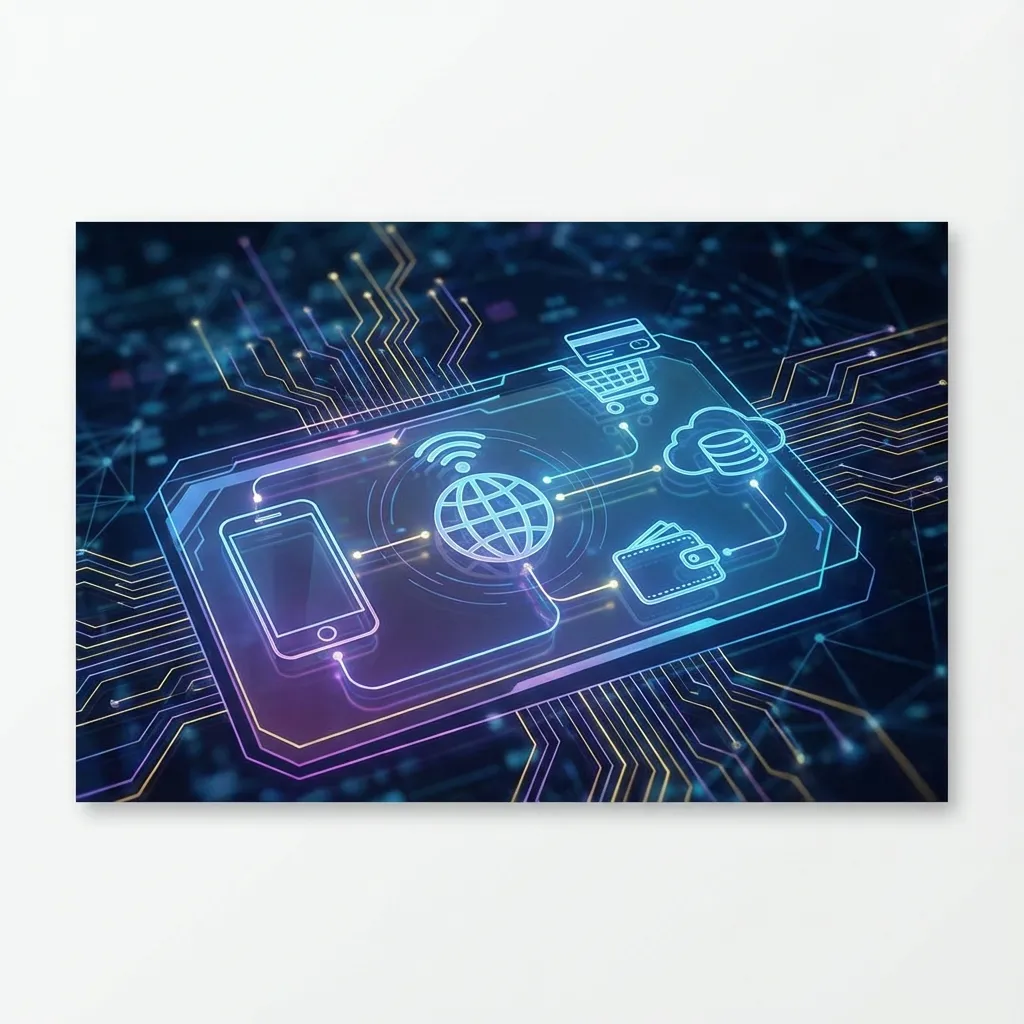 Figure 1: Mobile Computing and M-Commerce
This paradigm is built on three major components: mobile devices (e.g., smartphones, tablets), mobile software (e.g., mobile operating systems like iOS and Android, and mobile apps), and wireless networks (e.g., Wi-Fi, 4G/5G).
mindmap
  root((Mobile\nComputing))
    Characteristics
      Mobility
      Broad Reach
      Ubiquity
      Context-Awareness
    M-Commerce Apps
      Mobile Banking
      Mobile Payments
      Mobile Shopping
      Location Services
    Technologies
      Smartphones
      Mobile Apps
      Wi-Fi / 5G
      GPS
Figure 2: Mobile Computing Ecosystem
Key Characteristics of Mobile Computing
Mobile computing has several unique characteristics that differentiate it from traditional desktop computing:
-
Mobility: This is the core characteristic. It refers to the ability for users to access information and perform computations from anywhere, at any time, as they move through different locations.
-
Broad Reach: Because mobile devices are almost always carried by their users and are constantly connected to a network, they provide a broad and continuous reach. This allows businesses and individuals to be contacted instantly, regardless of their location.
-
Ubiquity: The idea that computing power is available everywhere and at all times. This pervasiveness of mobile devices creates the expectation of constant connectivity and access to information.
-
Context-Awareness and Localization: Mobile devices are equipped with sensors like GPS, accelerometers, and gyroscopes. This allows applications to be context-aware—that is, aware of the user’s environment and situation. The most common example is localization, where a device uses its location data to provide services tailored to that specific location (e.g., showing nearby restaurants, providing driving directions).
Mobile Commerce (M-Commerce)
Mobile Commerce, or M-Commerce, is the buying and selling of goods and services through wireless handheld devices such as smartphones and tablets. It is a subset of e-commerce that has seen explosive growth due to the widespread adoption of smartphones and the development of user-friendly mobile applications.
Drivers of M-Commerce Growth:
- High smartphone penetration across the globe.
- User-friendly mobile shopping apps and mobile-optimized websites.
- Secure and convenient mobile payment systems.
- Personalization and location-based marketing.
Applications of M-Commerce
M-Commerce extends beyond just online shopping and includes a wide range of applications:
-
Mobile Banking: Allows users to manage their bank accounts, transfer funds, and pay bills directly from their mobile device.
-
Mobile Payments: Using a mobile device to pay for goods and services, both online and in physical stores. This includes contactless payments (e.g., Apple Pay, Google Pay) and digital wallets (e.g., PayPal, Venmo).
- Location-Based Services: Applications that use a device’s location to provide specific services. This is a major driver of M-Commerce, with examples including:
- Finding nearby businesses or points of interest.
- Receiving targeted advertisements or promotions when you enter a specific area.
- Ride-sharing apps like Uber and Lyft.
-
Mobile Shopping: Purchasing products directly from a retailer’s mobile app or mobile website. This includes everything from ordering groceries to buying clothes and electronics.
- In-App Purchases: Buying digital goods, services, or features from within a mobile application, which is the primary business model for many mobile games and services.
Summary
Mobile computing has untethered our digital lives, characterized by its mobility, broad reach, and context-awareness. This paradigm has given rise to Mobile Commerce (M-Commerce), which leverages the power of smartphones for a wide range of commercial activities. Driven by high smartphone adoption and user-friendly apps, M-Commerce now encompasses everything from mobile banking and payments to location-based services and in-app purchases, fundamentally changing how consumers interact with businesses.
Key Takeaways
- Mobile computing is defined by mobility, broad reach, ubiquity, and context-awareness.
- M-Commerce is the buying and selling of goods and services through mobile devices.
- Location-based services are a key driver and application of M-Commerce.
- M-Commerce includes mobile banking, mobile payments, and mobile shopping.
Discussion Questions
- Besides ride-sharing and finding restaurants, what is another example of a useful location-based service?
- What are the key security concerns associated with mobile payments?
- How has M-Commerce changed your own shopping habits?