Learning Objectives
By the end of this chapter, you will be able to:
- Define a Computer-Based Information System (CBIS).
- Describe the different types of information systems used at various organizational levels.
- Differentiate between Transaction Processing Systems (TPS) and Management Information Systems (MIS).
- Explain the purpose of Decision Support Systems (DSS) and Executive Information Systems (EIS).
What is a Computer-Based Information System (CBIS)?
A Computer-Based Information System (CBIS) is an information system that uses computer hardware and software to perform its functions of collecting, processing, storing, and distributing information. While the core components (hardware, software, data, people, process) remain the same, organizations use different types of CBIS to serve various levels and functions within the business.
These systems are often visualized as a pyramid, with systems supporting day-to-day operations at the base and systems for strategic, long-term decision-making at the top.
The Information Systems Pyramid
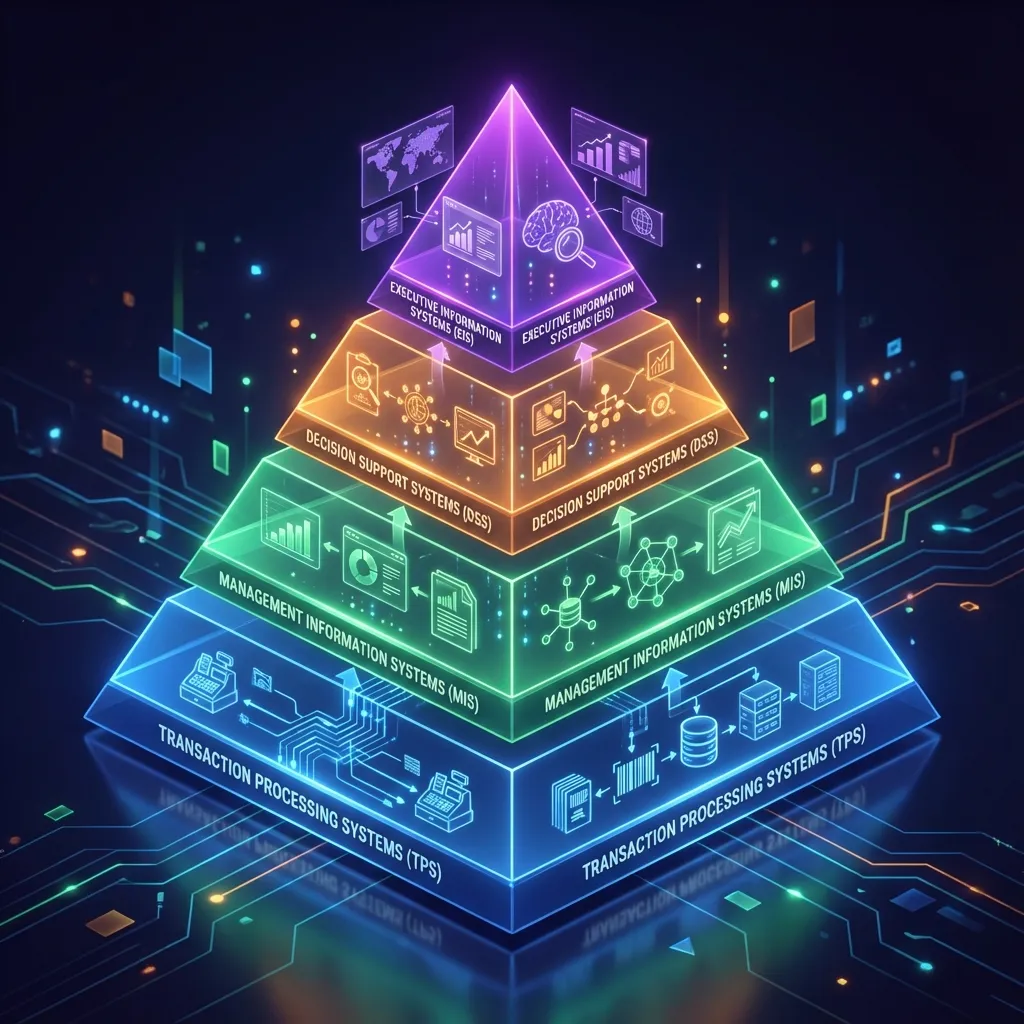 Figure 1: The Information Systems Pyramid
flowchart TB
    subgraph PYRAMID["IS Pyramid by Organizational Level"]
        direction TB
        EIS["🎯 EIS/ESS\nStrategic Level\nExecutive Dashboards"]
        DSS["📈 DSS\nTactical Level\nWhat-If Analysis"]
        MIS["📊 MIS\nManagerial Level\nSummary Reports"]
        TPS["⚙️ TPS\nOperational Level\nDaily Transactions"]
    end

    TPS --> MIS
    MIS --> DSS
    DSS --> EIS

    style EIS fill:#c62828,color:#fff
    style DSS fill:#1565c0,color:#fff
    style MIS fill:#2e7d32,color:#fff
    style TPS fill:#6a1b9a,color:#fff
Figure 2: Data Flow Through IS Levels
1. Transaction Processing Systems (TPS)
- Level: Operational
- Purpose: To process and record the routine, day-to-day transactions necessary to run the business. TPS are the workhorses of an organization, capturing vast amounts of data at the source.
- Users: Frontline staff (e.g., cashiers, order entry clerks, bank tellers).
- Characteristics: High volume of transactions, focus on speed and accuracy, highly structured, and mission-critical.
- Example: A point-of-sale (POS) system at a retail store that records each sale, updates inventory, and processes the payment. Other examples include payroll systems, order tracking systems, and ATM transactions.
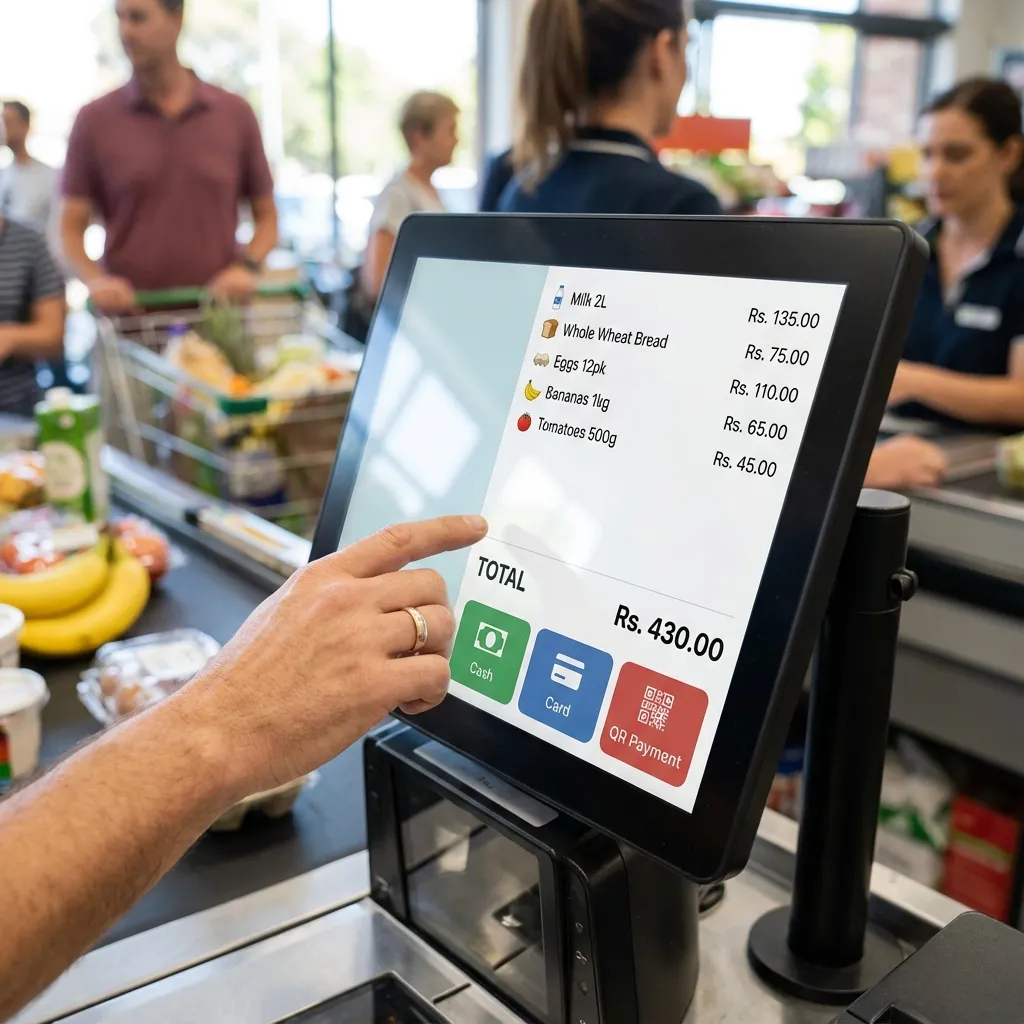 Figure 3: Point-of-Sale System - A TPS Example
2. Management Information Systems (MIS)
- Level: Tactical / Managerial
- Purpose: To provide managers with summarized reports from the data captured by Transaction Processing Systems. MIS are used for monitoring and controlling the business and predicting future performance.
- Users: Mid-level managers.
- Characteristics: Provides routine summary reports (e.g., weekly, monthly, quarterly), is less interactive than a DSS, and focuses on past and present data.
- Example: A weekly sales report that summarizes total sales by product line, region, and salesperson. This report helps a sales manager monitor team performance, identify trends, and allocate resources.
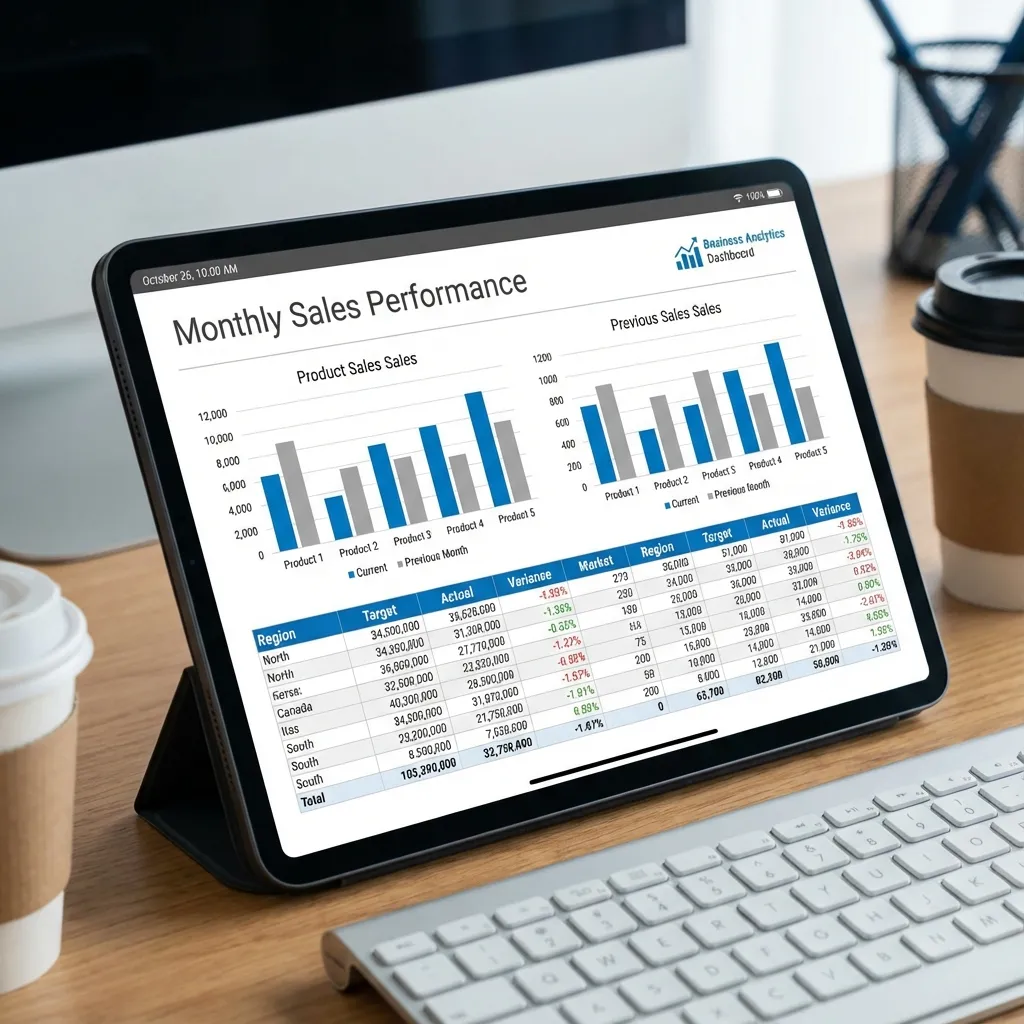 Figure 4: MIS Report Example
3. Decision Support Systems (DSS)
- Level: Tactical / Managerial
- Purpose: To support non-routine, complex decision-making. A DSS provides an interactive environment where managers can analyze data and model different scenarios to understand the potential impact of their decisions.
- Users: Managers, business analysts, and financial planners.
- Characteristics: Interactive, allows for “what-if” analysis, uses both internal data (from TPS/MIS) and external data (e.g., market trends).
- Example: A financial planning system that allows a manager to input different assumptions (e.g., changes in interest rates, sales growth forecasts) to see the projected impact on revenue and profitability.
4. Executive Information Systems (EIS) / Executive Support Systems (ESS)
- Level: Strategic
- Purpose: To provide senior executives with a high-level, easy-to-use overview of the entire organization’s performance. EIS are designed to support strategic, long-term planning and problem identification.
- Users: Senior executives (CEO, CFO, COO).
- Characteristics: Highly graphical (dashboards, charts), provides access to summarized data from all parts of the organization, and includes external data (e.g., market trends, competitor performance).
- Example: A digital dashboard that shows a CEO a real-time view of Key Performance Indicators (KPIs) such as overall profitability, stock price, customer satisfaction scores, and market share.
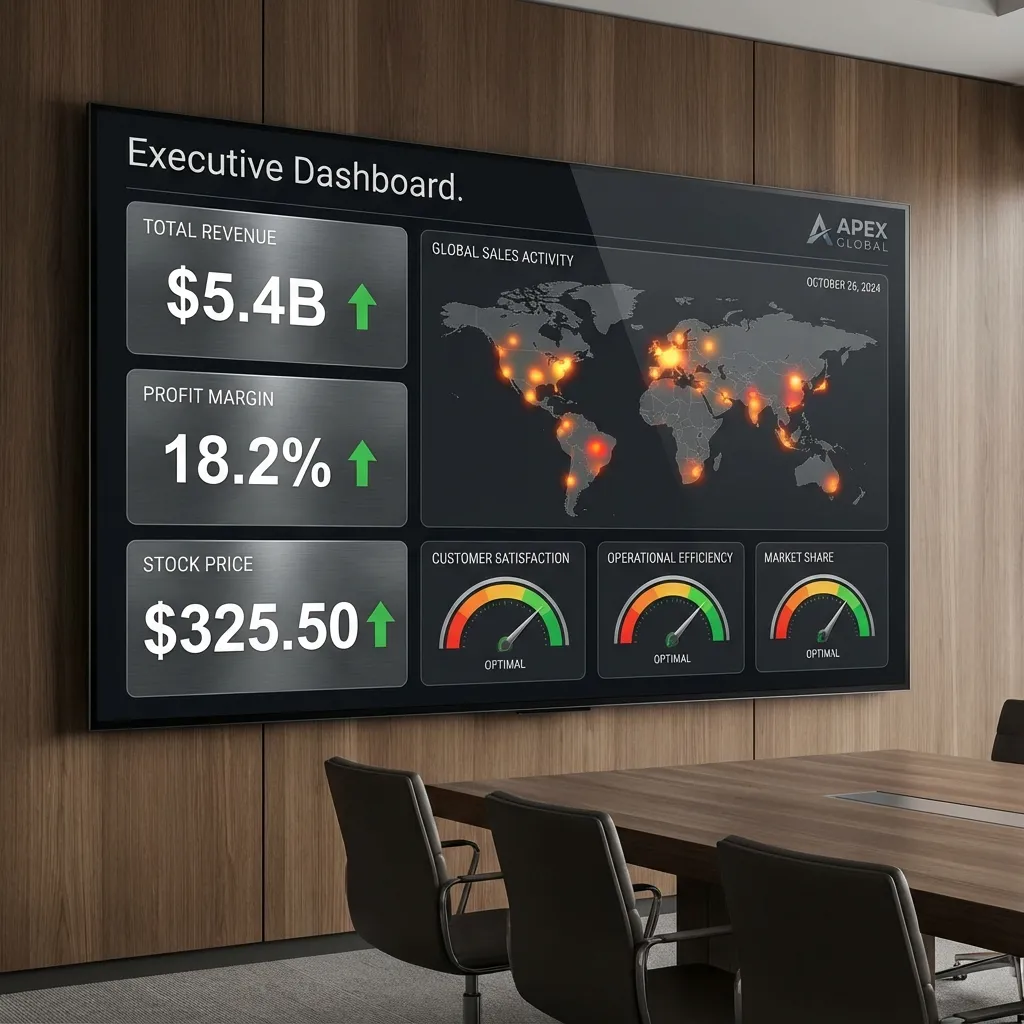 Figure 5: Executive Information System Dashboard
Other Important System Types
- Enterprise Resource Planning (ERP) Systems: Large-scale, integrated systems that manage all major business processes across the entire organization (e.g., finance, HR, manufacturing, supply chain) in a single, unified system. They often serve as the foundation for an organization’s TPS and MIS.
- Expert Systems (ES): An application of artificial intelligence that captures the knowledge of human experts in a specific domain and uses it to provide advice or solve problems (e.g., a medical diagnosis tool).
Summary
Organizations use a variety of Computer-Based Information Systems, each tailored to the needs of different levels of management. From the operational efficiency provided by TPS to the strategic insights offered by EIS, these systems work together to ensure that the right information is available to the right people at the right time, enabling effective management and decision-making across the entire business.
Key Takeaways
- CBIS are categorized based on the organizational level they support.
- TPS captures daily transactional data at the operational level.
- MIS summarizes data from TPS to provide routine reports for managers.
- DSS offers interactive tools for complex, non-routine decision-making.
- EIS provides a high-level, strategic view of the business for senior executives.
Discussion Questions
- Could a company use a DSS without having an effective TPS? Why or why not?
- What are the key differences between an MIS report and an EIS dashboard?
- Choose a business (e.g., a university, a hospital, a bank) and provide an example of how it might use each of the four main types of CBIS.