Definition
User-Generated Content (UGC) is any content—such as reviews, photos, videos, or social media posts—created by everyday people and customers, not by the brand itself. It is the digital equivalent of authentic, word-of-mouth marketing.
Detailed Explanation
UGC is fundamentally about letting your customers become your marketers. Instead of a brand creating a polished advertisement, a real customer shares their genuine experience. This form of content is powerful because it is built on authenticity and social proof. Studies consistently show that consumers, especially younger demographics, trust content from their peers far more than they trust traditional advertising. In fact, over 90% of consumers trust UGC more than promotional emails and ads.
In practice, a business encourages its customers to create and share content related to its products or services. This is often done through contests, branded hashtags, or simply by asking for reviews. The business then collects, curates, and showcases the best of this content on its own marketing channels, such as its website, social media pages, or even in paid ads. This creates a powerful feedback loop: customers feel recognized and valued, and potential new customers see real people enjoying and benefiting from the product.
A common misconception is that UGC is the same as influencer marketing. While related, they are distinct. Influencer marketing typically involves paying a creator with an established following to promote a product. UGC, in its purest form, comes from unpaid, genuine customers and fans. It’s the photo your customer posts of their coffee, not the post you paid a food blogger to create.
Nepal Context
In the rapidly digitizing Nepali market, UGC is an incredibly powerful and cost-effective tool. As trust in online businesses is still developing, the authentic voice of a fellow Nepali customer is more persuasive than almost any branded message. Nepali consumer culture has always relied heavily on charcha (discussion) and word-of-mouth recommendations from friends and family; UGC is the modern, scalable version of this.
Local platforms and behaviors present unique opportunities. For example, a restaurant in Kathmandu can leverage food review groups on Facebook, which are immensely popular in Nepal. E-commerce giants like Daraz rely heavily on UGC in the form of star ratings and customer reviews to build trust for thousands of different sellers on their platform. Similarly, a positive comment or a screenshot of a successful transaction shared on social media for digital wallets like eSewa or Khalti acts as powerful social proof, encouraging others to adopt the service. Ride-sharing apps like Pathao and inDrive also benefit from users sharing their ride experiences or discount codes online.
However, businesses face some local challenges. The quality of photos and videos can be inconsistent, and moderating content in Nepali and Romanized “Nepanglish” requires dedicated effort. Furthermore, while internet penetration is high, motivating users to create content might require small, relevant incentives like a mobile top-up, a small discount, or simply the recognition of a feature on the brand’s social media page.
Practical Examples
-
Simple (Beginner): A local clothing store in Pokhara creates a unique hashtag, like
#StyleFromPokhara. They place a small sign near their checkout counter encouraging customers to post a photo of their new outfit on Instagram using the hashtag for a chance to be featured on the store’s official page. - Intermediate (Business Scenario): An online store selling Nepali coffee sends a follow-up email to customers one week after delivery. The email asks them to leave a review on the product page and offers a 10% discount on their next order if they also share a photo of them enjoying the coffee on Facebook, tagging the brand’s page.
- Advanced (Strategy): A trekking company in Nepal launches a “My Everest Story” video contest. They ask past clients to submit a 1-minute video sharing their most memorable moment from their trek. The winning entry gets a free 3-day tour package. The company then uses the best video clips (with permission) to create a powerful promotional video for their international marketing campaigns.
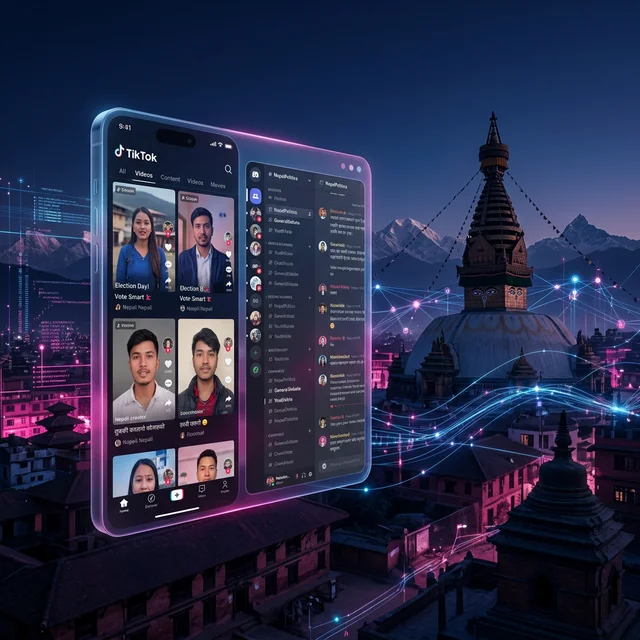
- Nepal-Specific Case: A popular momo restaurant chain runs a TikTok campaign with a custom sound. They challenge users to create a video showing their “momo happiness” using the sound and a specific hashtag. The most creative videos win free momo platters for a month. This leverages TikTok’s massive popularity in Nepal for viral, user-driven promotion.
Key Takeaways
- Authenticity is King: UGC is trusted because it’s real content from real customers.
- Builds Social Proof: Seeing others use and enjoy a product reduces hesitation for new buyers.
- Cost-Effective Content: It provides a steady stream of marketing material without high production costs.
- Perfect for Nepal: It taps directly into the Nepali culture of community-based trust and recommendations.
- Always Ask for Permission: Before reposting or using a customer’s content in your marketing, always ask for their permission and give them credit.
Common Mistakes
- Not Asking for It: The biggest mistake is passively waiting for UGC to appear. You must actively encourage and incentivize your customers to create and share content.
- Using Content Without Permission or Credit: Reposting a customer’s photo or video without asking them first is a quick way to break trust. Always ask for permission and credit the original creator by tagging them.
- Ignoring Negative UGC: Deleting negative reviews or comments instead of addressing them publicly can damage your reputation. Use negative feedback as an opportunity to show excellent customer service.