Definition
Social Media Marketing (SMM) is the strategic use of social media platforms like Facebook, Instagram, and TikTok to connect with your target audience, build your brand, increase sales, and drive website traffic.
Detailed Explanation
At its core, Social Media Marketing is about meeting your customers where they spend their time online. It’s much more than just posting random updates; it’s a two-way conversation. Unlike traditional advertising which broadcasts a message one-way, SMM allows businesses to engage directly with their audience, receive instant feedback, and build a loyal community around their brand. This direct interaction helps build trust and humanizes your business, making it more relatable to potential customers.
In practice, a successful SMM strategy involves several key activities. It starts with defining your goals (e.g., generate leads, increase online sales) and identifying your target audience. From there, you create and share relevant content—such as images, videos, articles, and stories—that resonates with that audience. This is often supported by paid social media advertising, where you pay to “boost” your content to a larger, more targeted group of people. The final piece is analytics: tracking what works (and what doesn’t) to constantly refine your approach for better results.
A common misconception is that social media marketing is “free.” While creating a profile is free, effective SMM requires a significant investment of time, creativity, and often, a budget for advertising and tools. Another misconception is that success is measured solely by the number of followers. A smaller, highly engaged audience that converts into customers is far more valuable than a large, passive following.
Nepal Context
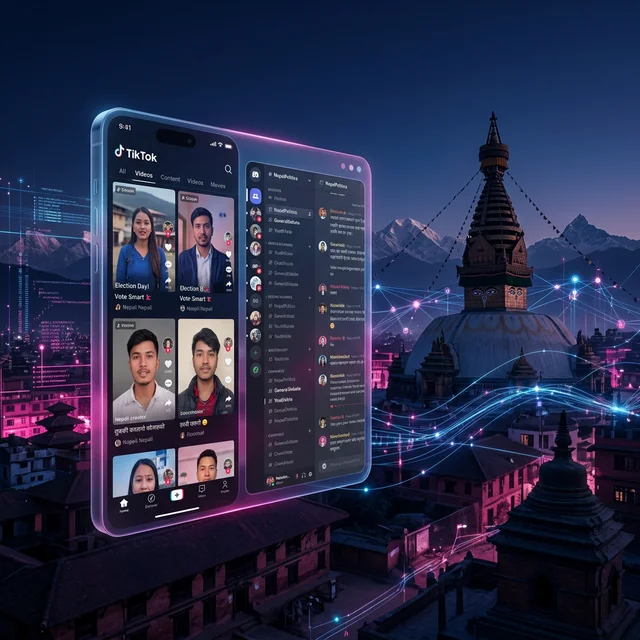
In Nepal, Social Media Marketing is not just an option; it’s essential. With high mobile penetration and some of the most affordable data rates in the world, platforms like Facebook, Instagram, TikTok, and YouTube are the primary channels where Nepali consumers discover brands, research products, and make purchasing decisions.
The Nepali digital landscape has its unique characteristics. Facebook remains the dominant platform for a wide demographic, making it a must-have for almost any business. The explosive growth of TikTok has made short-form video content incredibly powerful for reaching younger audiences. Businesses often use Viber Communities as a direct channel for customer updates and promotions. A significant challenge is the reliance on Cash on Delivery (COD) and digital wallets like eSewa and Khalti over credit cards. This can make tracking direct sales from a social media ad (conversion tracking) more complex than in Western markets.
Local giants have mastered this context. Daraz Nepal runs massive, integrated campaigns on Facebook and Instagram for their 11.11 sale, using local influencers and video ads to create immense hype. Ride-sharing services like Pathao use social media not just for promotions but for real-time customer service and rider communication. For a Nepali business, success means creating content that reflects local culture and language (using Nepali script or Romanized “Nepalish”), understanding local trends, and building a trustworthy online presence to overcome the initial skepticism of online shopping.
Practical Examples
1. Beginner Example: A Local Cafe
A small cafe in Thamel creates an Instagram page. They post high-quality photos of their coffee and food daily. They use Instagram Stories to show “behind-the-scenes” clips of their baristas at work and run a weekly poll asking followers what new drink they should introduce. They boost their best-performing post for NPR 1,000 to target people within a 2km radius of their location.
2. Intermediate Scenario: A Clothing Brand
An online clothing store in Kathmandu uses Facebook and Instagram to drive sales. They run targeted ad campaigns showcasing their new collection to women aged 18-35 interested in fashion. They use the “Carousel” ad format to display multiple products in a single ad. They also collaborate with a mid-tier Nepali fashion influencer for an “unboxing” video, which drives traffic to their website and generates a trackable discount code.
3. Advanced Strategy: An E-commerce Business
A company selling Nepali handicrafts online installs the Facebook Pixel on its website. They run a retargeting campaign that shows specific product ads to people who viewed those products but didn’t make a purchase. They also create a “Lookalike Audience” based on their existing customer email list to find new users on Facebook who share similar characteristics, dramatically improving their ad targeting efficiency.
Key Takeaways
- It’s a Conversation: Social media is for building relationships and community, not just for broadcasting advertisements.
- Strategy First: Success requires a clear plan: know your audience, your goals, and how you’ll measure success.
- Go Where Nepalis Are: In Nepal, prioritize Facebook, Instagram, and TikTok. Use mobile-friendly, especially video, content.
- Paid is Necessary: Organic reach is very limited. A dedicated budget for social media ads is crucial for growth.
- Measure and Adapt: Track your key metrics (engagement, clicks, conversions) to understand what’s working and optimize your strategy.
Common Mistakes
- Inconsistency: Posting sporadically and failing to engage with the audience. A consistent presence is key to building trust and staying top-of-mind.
- Ignoring Comments and DMs: Not responding to customer queries or feedback quickly damages your brand’s reputation and leads to lost sales opportunities.
- Selling in Every Post: An effective social media feed balances promotional content with valuable, entertaining, or educational content that your audience actually enjoys. A common rule of thumb is the 80/20 rule: 80% value, 20% promotion.