Definition
Omnichannel marketing is an approach that creates a single, seamless, and unified customer experience across all the different ways a customer might interact with your business, both online and offline.
Detailed Explanation
Omnichannel marketing puts the customer, not the channel, at the center of the strategy. The goal is to make the customer’s journey feel like one continuous conversation, whether they are browsing your website on a laptop, using your mobile app, messaging you on Facebook, or walking into your physical store. All these channels are connected and share data in real-time. This means a customer’s experience is consistent, personalized, and effortless.
For example, a customer might add a product to their online shopping cart from their phone but get distracted. An omnichannel system would recognize this and could later send them a reminder email or even a targeted ad on Instagram. If they then visit your physical store, a sales assistant could potentially see their abandoned cart and help them complete the purchase right there.
The most common misconception is confusing omnichannel with multichannel marketing. Multichannel simply means you use multiple channels to reach customers (e.g., you have a website, a Facebook page, and a store). Omnichannel means all those channels are integrated and work together to serve the customer. Multichannel is about having a presence; omnichannel is about creating a seamless experience.
Nepal Context
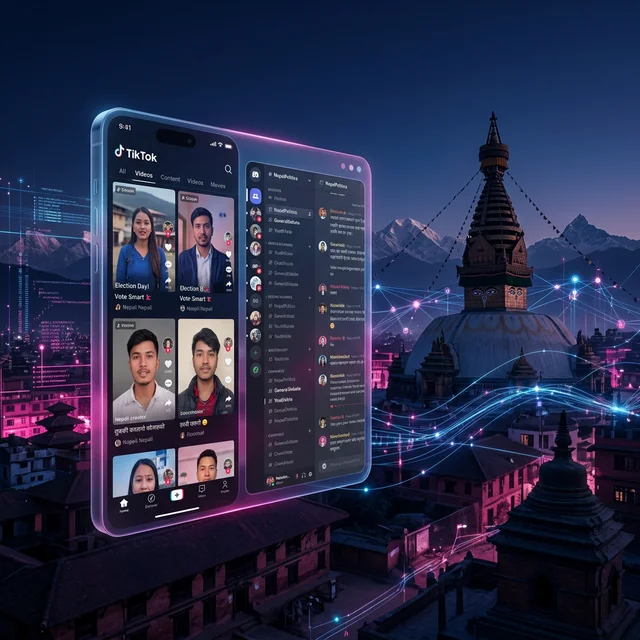
In Nepal, the rise of digital adoption presents a unique opportunity for omnichannel marketing. With high mobile penetration and the widespread use of digital wallets like eSewa and Khalti, businesses can create powerful connections between their online and offline worlds. The popularity of social commerce on platforms like Instagram and TikTok, combined with delivery services like Pathao and inDrive, has already trained Nepali consumers to expect a blend of digital and physical interaction.
However, there are challenges. Internet connectivity can be unreliable outside major cities, and a large segment of the market still prefers cash-on-delivery (COD), which can disrupt a purely digital customer data trail. Furthermore, many small and medium-sized enterprises (SMEs) lack the technical resources to fully integrate their systems.
Despite this, Nepali businesses can start small. A key strategy is to leverage QR codes and digital payments. A customer scanning a QR code in a physical store can be linked to a digital loyalty program. A restaurant can use its social media presence to drive orders through a website, which are then fulfilled by a delivery partner, with customer service handled via Viber or WhatsApp. The key is to connect the dots between the tools Nepali customers already use every day.
Practical Examples
1. Beginner Example (A Local Boutique)
A clothing shop in Pokhara posts a new dress on its Instagram story. A customer replies via DM to ask about the size. The shop owner checks their physical inventory, confirms availability, and sends the customer an eSewa or Khalti payment link directly in the chat. Once paid, the item is delivered via a local courier. The entire transaction, from discovery to payment, happens seamlessly across different platforms.
2. Intermediate Scenario (A Restaurant Chain)
A popular restaurant like The Burger House and Crunchy Fried Chicken uses a simple loyalty program. A customer orders online for home delivery and earns loyalty points. The next time they visit a physical branch, they provide their phone number, and the cashier can see and apply their accumulated points for a discount, connecting their online and offline behaviour.
3. Advanced Strategy (An Electronics Retailer)
A major retailer like CG Digital allows a customer to browse for a new TV on their website and use an “in-store availability” checker. The customer reserves the TV online to pick up from their nearest showroom. When they arrive, the staff already has their order ready. The purchase confirmation and warranty card are sent to their email, and they later receive a follow-up SMS asking for a review of their experience.
Key Takeaways
- Focus on the Customer: Design your marketing around the customer’s journey, not your company’s departments.
- Integration is Key: Your channels must communicate with each other. Data from your website should inform your in-store experience, and vice versa.
- Consistency Matters: The brand voice, pricing, and customer service quality should be the same everywhere.
- Leverage Nepali Digital Habits: Use tools like digital wallets, social media DMs, and popular messaging apps as bridges between your online and offline presence.
Common Mistakes
- Being Multichannel, Not Omnichannel: Having a website, an app, and a store that operate independently and don’t share customer data.
- Inconsistent Messaging: Offering a “Facebook-only” discount that your in-store staff is unaware of, leading to customer frustration.
- Forgetting the Human Element: Neglecting to train in-store staff on how to handle online inquiries or access customer data, breaking the seamless experience.