Definition
Lead generation is the marketing process of attracting potential customers and capturing their interest, with the goal of collecting their contact information so you can guide them towards a future sale.
Detailed Explanation
At its core, lead generation is the first crucial step in any sales funnel. It’s about turning strangers into people who have shown a genuine interest in your business. Think of it as starting a conversation. Instead of cold-calling or sending unsolicited messages, you offer something of value—like a discount, a helpful guide, or a free consultation—in exchange for their permission to contact them. This initial exchange transforms a passive browser into an active “lead.”
This process is vital because it builds a pipeline of potential customers for your business, making your sales efforts more predictable and efficient. Instead of hoping for customers to appear, you create a system to consistently attract them. The information gathered (like an email address or phone number) allows you to nurture this new relationship over time, building trust and demonstrating your expertise until the lead is ready to make a purchase.
A common misconception is that buying a list of email addresses is lead generation. This is incorrect and often ineffective. True lead generation is about earning interest and permission, not buying contacts. The quality of a lead—someone who is genuinely interested in what you offer—is far more important than having a large quantity of uninterested contacts.
Nepal Context
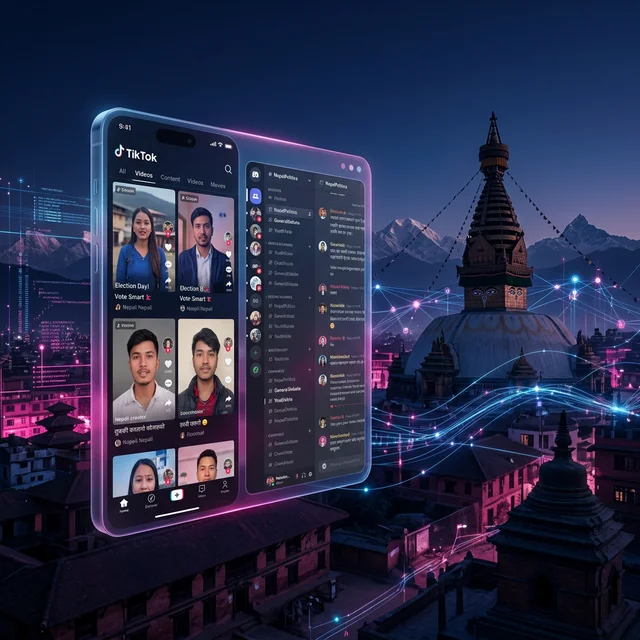
In the rapidly digitizing Nepali market, lead generation is becoming essential for growth. While traditional word-of-mouth still holds power, online channels now offer incredible scale. For Nepali businesses, the biggest opportunity lies in mobile-first social media. With millions of Nepalis active on Facebook, Instagram, and TikTok, these platforms are goldmines for generating leads.
However, there are unique challenges. Many consumers are still hesitant about online transactions and may prefer direct communication. Therefore, a lead generation strategy in Nepal should often aim to collect a phone number for a Viber or WhatsApp follow-up, rather than just an email. Furthermore, since trust is a major factor, offering value upfront without asking for payment is key. A free consultation, a site visit, or a downloadable brochure works much better than a direct sales pitch.
Local giants have mastered this. Daraz uses “flash sale” notifications and app-exclusive discounts to capture user data. Digital wallets like eSewa and Khalti generate leads by offering cashback on utility payments, encouraging sign-ups. Pathao’s famous “refer a friend and get a discount” is a powerful lead generation machine. These companies understand the Nepali consumer: offer tangible, immediate value on a mobile platform, and they will happily connect.
Practical Examples
1. Beginner: The Local Restaurant
A thakali restaurant in Pokhara runs a Facebook ad campaign targeting tourists and locals. The offer: “Get a 15% discount on your next meal!” To claim the offer, users click the ad and submit their email address on a simple landing page. The restaurant now has a list of interested diners to email about future events and offers.
2. Intermediate: The B2B Software Company
A SaaS company in Kathmandu that sells accounting software creates a detailed PDF guide titled “5 Ways to Simplify VAT Filing for Nepali Businesses.” They promote this guide on LinkedIn and their website. To download it, business owners must provide their name, company name, and phone number. This generates highly qualified leads for their sales team to call.
3. Advanced: The E-commerce Store
An online clothing store uses an interactive “Spin the Wheel” pop-up on their website. Visitors can spin to win prizes like “Free Delivery,” “10% Off,” or “NPR 200 Cashback” in exchange for their email and phone number. The system then automatically sends the coupon via SMS and enters the lead into a segmented email list based on the products they viewed, allowing for highly personalized follow-up marketing.
Key Takeaways
- Lead generation is about earning a potential customer’s interest and contact information.
- The goal is to build a reliable pipeline of future sales, not just collect random contacts.
- In Nepal, prioritize mobile-friendly strategies, leverage social media, and use channels like Viber/WhatsApp for follow-up.
- Always provide clear value (a discount, helpful content, a free trial) in exchange for information.
- Quality over quantity: A few interested leads are more valuable than a thousand uninterested ones.
Common Mistakes
- No Follow-Up Plan: Collecting hundreds of leads but failing to contact them quickly. A lead’s interest fades within hours, so a slow response is a wasted opportunity.
- Asking for Too Much Information: Creating a sign-up form with 10 fields (name, address, age, etc.). This scares people away. Start by asking for the bare minimum, like just an email or a phone number.
- Ignoring the “Nurturing” Step: Expecting a new lead to buy immediately. Most leads need to be “nurtured” with helpful content, follow-up messages, and trust-building interactions before they are ready to purchase.