Definition
Influencer marketing is a partnership where a business collaborates with influential people online to promote its products or services to their dedicated and engaged audience. It’s essentially the digital version of word-of-mouth, leveraging the trust an influencer has built with their followers.
Detailed Explanation
At its core, influencer marketing moves beyond traditional advertising by using relatable personalities to build credibility and social proof. Instead of a brand directly telling customers “buy our product,” a trusted influencer shows their audience how the product fits into their life. This approach feels more authentic and is often more effective than a standard ad, as consumers tend to trust peer recommendations over corporate messaging.
The process typically involves a brand identifying influencers whose audience matches their target customer profile. The collaboration can take many forms, from a simple sponsored Instagram post or TikTok video to a long-term brand ambassadorship. Payment models also vary, including flat fees, free products (gifting or barter), commission on sales, or a combination. The key is that the influencer creates content in their own unique style, ensuring it resonates authentically with their followers.
A common misconception is that influencer marketing is only for big brands working with celebrities who have millions of followers. In reality, micro-influencers (1,000-100,000 followers) and nano-influencers (under 1,000 followers) can be incredibly powerful. They often have a highly niche audience with a much stronger, more personal connection, leading to higher engagement rates and a better return on investment (ROI) for small and medium-sized businesses.
Nepal Context
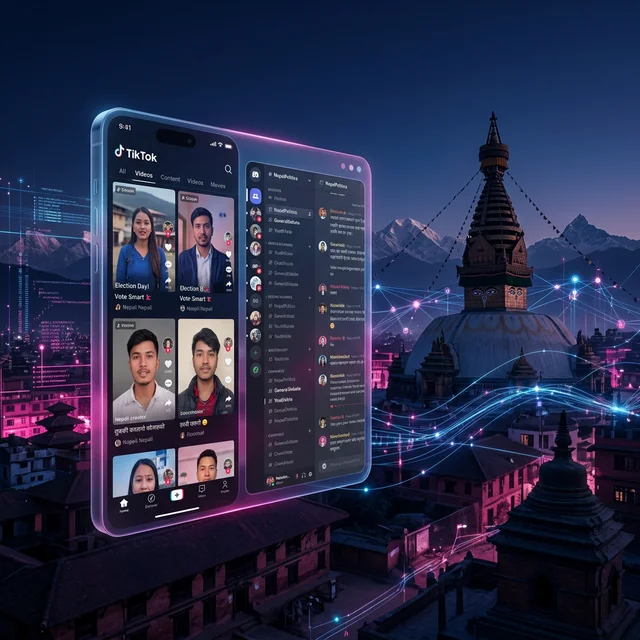
Influencer marketing is rapidly growing in Nepal, mirroring the explosion of internet and social media usage, particularly on platforms like TikTok, Instagram, and YouTube. For Nepali businesses, it represents a powerful way to connect with consumers in a market where community and personal recommendations hold significant weight. The trust factor is paramount; a recommendation from a familiar Nepali face can be more persuasive than a polished corporate advertisement.
However, the Nepali market has unique challenges. The industry is still maturing, which means there’s a lack of standardized pricing and transparent performance metrics. Finding genuine influencers whose followers aren’t inflated by fake accounts requires careful vetting. Furthermore, many collaborations are still based on informal agreements, which can lead to misunderstandings about deliverables.
Despite these hurdles, major Nepali brands have successfully integrated this strategy. Daraz Nepal floods social media with influencer content during its 11.11 sale. Digital wallets like eSewa and Khalti partner with tech and lifestyle influencers to demonstrate new features and promote QR payments. Similarly, Pathao and inDrive frequently work with food bloggers and daily vloggers to showcase their ride-sharing and food delivery services in a real-world context. For Nepali businesses, the key is to prioritize authenticity, use local language and cultural references (like Dashain or Tihar campaigns), and build genuine relationships with creators.
Practical Examples
1. Beginner Example (Low Budget)
A local coffee shop in Jhamsikhel provides a free meal and coffee to a food blogger with 8,000 engaged Instagram followers. In exchange, the blogger creates one Instagram post and a series of three stories about their experience, tagging the cafe.
- Goal: Increase local brand awareness and foot traffic.
- Cost: The price of one meal (NPR 1,500-2,500).
2. Intermediate Business Scenario
A Nepali skincare brand pays a beauty influencer with 60,000 followers a flat fee of NPR 30,000 for a dedicated YouTube video reviewing their new product line. The brand also provides a unique 10% discount code for the influencer’s followers to track direct sales from the campaign.
- Goal: Drive sales and generate authentic product reviews.
- Cost: NPR 30,000 + product cost + revenue share from discounts.
3. Advanced Strategy
A new mobile app launching in Nepal partners with 15 different micro-influencers across TikTok and Instagram for a month-long campaign. The campaign includes a coordinated launch-day “blitz,” a user-generated content contest using a branded hashtag, and weekly tutorials from influencers.
- Goal: Build massive initial buzz, drive a high volume of downloads, and create a community.
- Cost: A significant budget covering fees for 15 influencers, plus contest prizes.
Key Takeaways
- Authenticity over everything: The collaboration must feel genuine to the influencer’s audience.
- Focus on engagement, not just followers: A smaller, highly engaged audience is more valuable than a large, passive one.
- Set clear goals and measure them: Know whether you want brand awareness, website traffic, or sales, and use tools like UTM links or discount codes to track ROI.
- In Nepal, local context is king: Use local language, understand cultural nuances, and partner with creators who truly represent your target customers.
Common Mistakes
- Choosing the Wrong Influencer: Picking an influencer based solely on their follower count without analyzing their audience demographics, engagement rate, or brand alignment. A tech vlogger promoting a local restaurant is a poor match.
- Being Overly Controlling: Dictating every word and shot for the influencer’s content. This strips away their authenticity, making the post look like a rigid, unconvincing ad that their audience will ignore.
- Expecting Instant Results from One Post: Effective influencer marketing is often about building momentum. A single post might create a small spike, but long-term partnerships and consistent campaigns yield far better results.