Unit 8.6
Prescriptive Analytics: How to Guide Business Decisions
Learning Objectives
By the end of this session, you will be able to:
- ✅ Define Prescriptive Analytics and the key question it answers.
- ✅ Explain how prescriptive analytics builds on predictive analytics.
- ✅ Describe the main techniques used, such as optimization and simulation.
- ✅ Provide business examples, including dynamic pricing and next best action.
The Analytics Journey 📊
🔍 Descriptive
"What happened?"
Past-focused. Summarizes historical data (e.g., dashboards, reports).
🔮 Predictive
"What will happen?"
Future-focused. Uses statistical models and forecasting (e.g., sales forecast).
🎯 Prescriptive
"What should we do?"
Action-focused. Recommends decisions to achieve goals (e.g., optimal price).
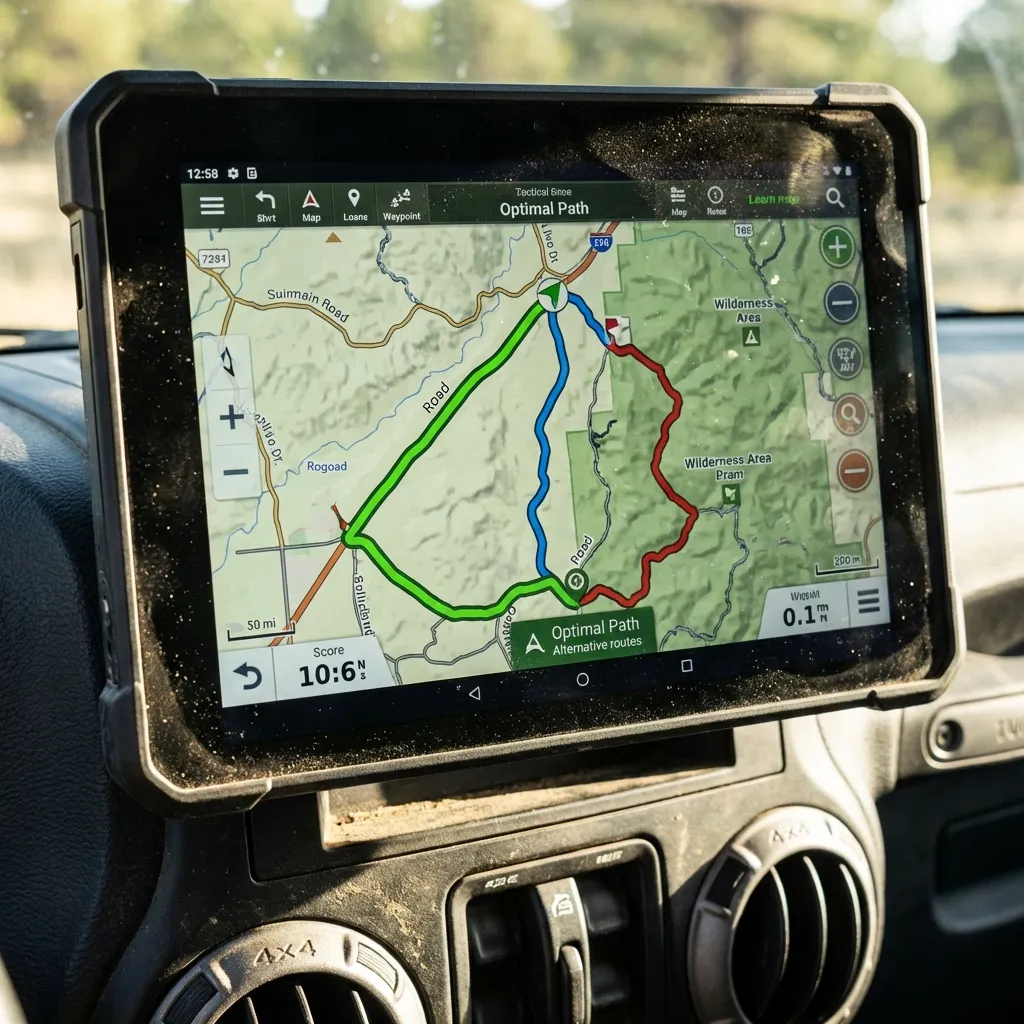
What is Prescriptive Analytics?
Prescriptive Analytics is the most advanced form of analytics. It goes beyond predicting the future by recommending specific actions to achieve a desired outcome.
It's about moving from insight to automated, guided action.
It answers the fundamental question: "What should we do about it?"
How It Works: From Prediction to Action
Prescriptive analytics combines predictions with business logic to find the best path forward.
Key Technique: Optimization
Optimization: The core of prescriptive analytics. It is the process of finding the best possible solution from a set of alternatives, given a specific set of constraints.
- Goal: Maximize profit, minimize cost, increase efficiency.
- Constraints: Budget, time, resources, production capacity.
- Example: What is the optimal production schedule to meet demand while minimizing manufacturing costs?

Key Technique: Simulation
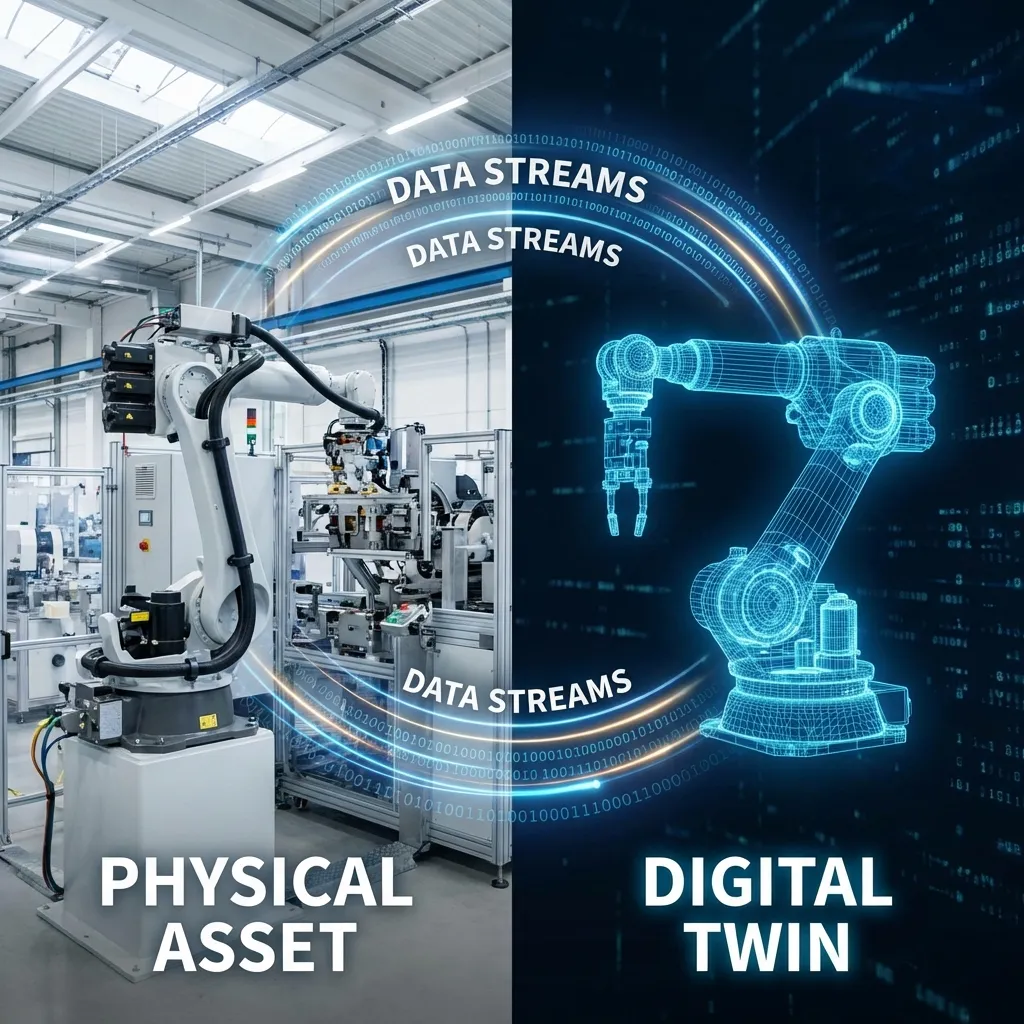
Simulation: Creating a computer model of a real-world system to test different scenarios and actions in a virtual, risk-free environment.
- Allows businesses to ask "What if...?" questions.
- Example: Simulating a supply chain to see how a factory closure in one country would impact delivery times worldwide.
- Helps evaluate the outcome of recommended actions before implementation.
Other Key Techniques
Rule-Based Systems
Uses a set of predefined "IF-THEN" rules to automate decisions.
Example: "IF a customer's cart value > 5000 NPR, THEN offer free shipping."
A/B Testing
A randomized experiment comparing two variants (A and B) to see which performs better.
Example: Showing two different website layouts to users to see which one leads to more sign-ups.
These techniques help translate analytical insights into concrete, testable business actions.
Example 1: Dynamic Pricing ⚡
Scenario: A ride-sharing app needs to set prices.
- Predicts: Future ride demand and driver supply in a specific area.
- Constraints: Maximize completed rides, ensure driver availability.
- Prescribes Action: Recommends an optimal price ("surge pricing") to balance supply and demand.
- Nepal Context: Think of Pathao or inDriver adjusting fares during peak traffic hours in Kathmandu or during a festival.
Example 2: Next Best Action (NBA)
Scenario: A telecom company wants to retain a customer.
- Analyzes: Customer profile, call history, data usage, and recent complaints.
- Predicts: Likelihood of the customer switching to a competitor.
- Prescribes Action: Recommends the "next best action" for the customer service agent.
- Nepal Context: Ncell or Nepal Telecom could use this to proactively offer a specific data pack or a loyalty discount to a high-value customer at risk of leaving.
Example 3: Supply Chain Optimization
Scenario: An e-commerce company planning deliveries.
- Predicts: Traffic conditions, weather, delivery time windows.
- Constraints: Fuel costs, driver hours, vehicle capacity.
- Prescribes Action: Recommends the most efficient delivery route for each truck.
- Nepal Context: Daraz or Sastodeal optimizing delivery routes across the valley during the Dashain shopping season to ensure timely delivery and minimize costs.
Discussion & Ethical Considerations
- What is the relationship between predictive and prescriptive analytics? How do they depend on each other?
- Google Maps recommending the fastest route is a prescriptive action. What data does it use? What are the constraints?
- What are the potential ethical concerns of using prescriptive analytics for dynamic pricing? Could it lead to unfairness?
Summary: Key Takeaways
- 🎯 Prescriptive analytics answers "What should we do?" by recommending specific actions.
- 🔗 It builds on predictive analytics by adding optimization, simulation, and business rules.
- 💡 Key applications include dynamic pricing, next best action, and supply chain optimization.
- 🤖 It represents a major shift from supporting human decisions to guiding and automating them.
Thank You!
Questions?
Next Topic: Unit 8.7: Data Presentation Tools: Dashboards and Reports | IT 233