Unit 8.5
Predictive Analytics: Forecasting What Will Happen
IT 233: Business Information Systems
Learning Objectives
By the end of this chapter, you will be able to:
- ✅ Define Predictive Analytics and the key question it answers.
- ✅ Describe main techniques like regression and classification.
- ✅ Understand the role of machine learning in making predictions.
- ✅ Provide business examples like fraud detection and demand forecasting.
Moving Beyond the Past
Predictive Analytics: The branch of advanced analytics that uses historical data, statistical algorithms, and machine learning to identify the likelihood of future outcomes.
Descriptive Analytics
"What happened?"
Summarizes past data.
⚡ Predictive Analytics
"What will happen?"
Forecasts future events.
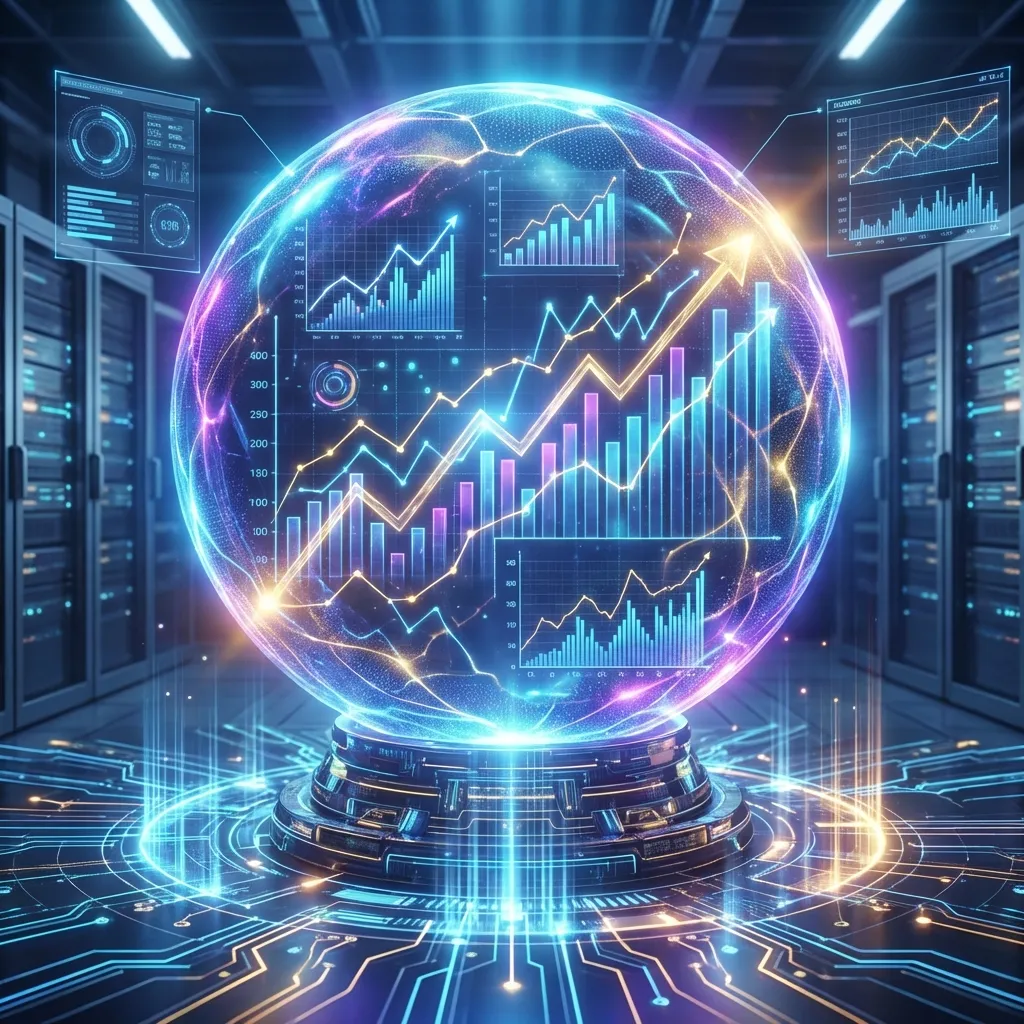
The Core Question: "What will happen?"
Predictive analytics aims to answer forward-looking questions:
- Which customers are most likely to churn (leave)?
- What will our sales be for the next quarter?
- Is this credit card transaction likely to be fraudulent?
- What is the probability this marketing lead will convert?
The goal is to move from being reactive to proactive.
Key Techniques & Tools 📊
Predictive analytics uses a range of statistical and machine learning methods:
- Regression Analysis
- Classification Analysis
- Machine Learning (ML)
- Time-Series Forecasting
Let's explore each one...
Technique 1: Regression Analysis
Used to predict a continuous value (a number).
Example: Real Estate in Kathmandu
Question: What will be the selling price of a house?
Data Used:
- Area (in ana/ropani)
- Number of bedrooms
- Location (e.g., Baneshwor vs. Budhanilkantha)
Prediction: A specific price, like NPR 2.5 Crore.
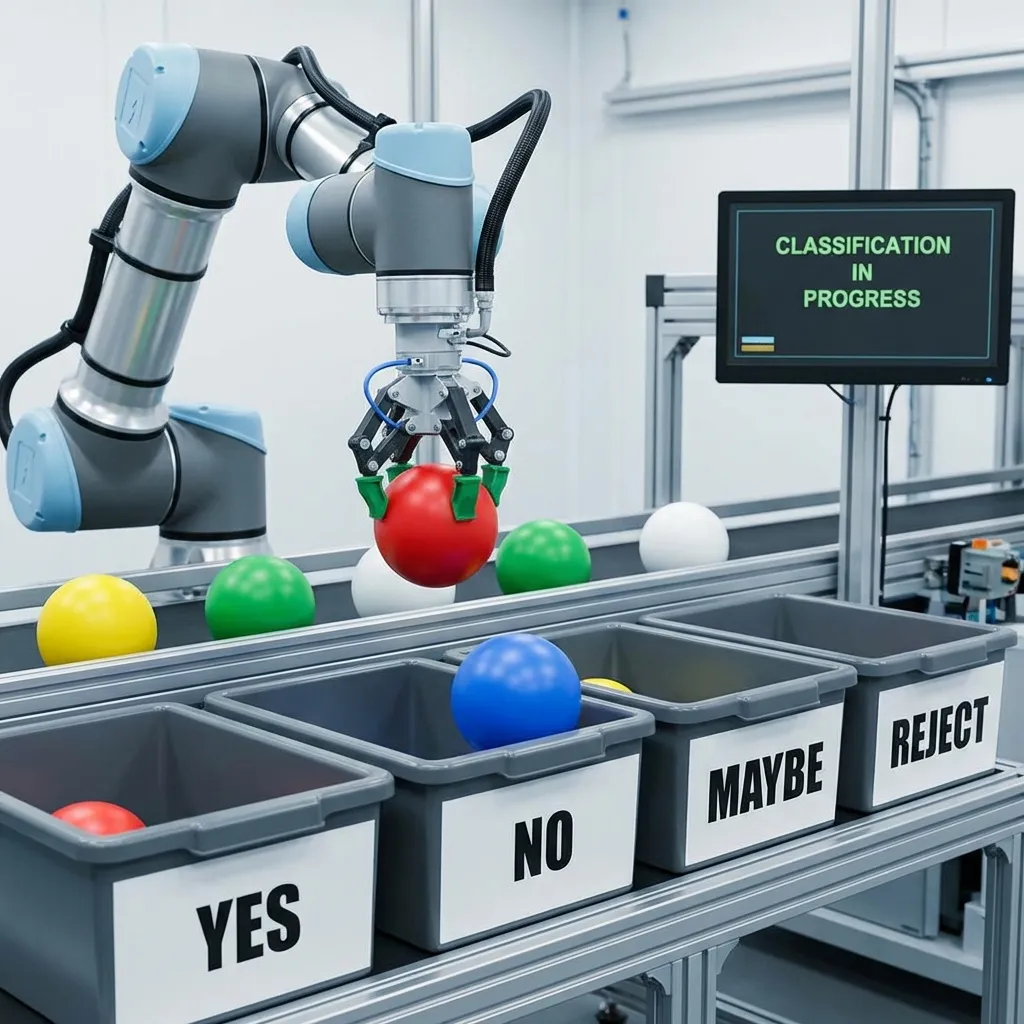
Technique 2: Classification Analysis
Used to predict a categorical outcome (a label or class).
Example: Bank Loan Application
Question: Will this applicant default on their loan?
Data Used:
- Applicant's income
- Credit history
- Loan amount
Prediction: A category, like "Default" or "No Default".
Advanced Techniques
🧠 Machine Learning (ML)
Algorithms are "trained" on historical data to learn patterns.
They then use these learned patterns to make predictions on new, unseen data.
Many modern predictive models are built on ML.
📈 Time-Series Forecasting
A specific model for predicting future values based on past time-ordered data.
Uses:
- Forecasting sales
- Stock prices (e.g., NEPSE index)
- Website traffic
Practical Applications in Nepal 🎯
How local businesses can use predictive analytics:
Customer Churn Prediction
Ncell or Nepal Telecom identifying customers likely to switch providers.
Fraud Detection
eSewa or Khalti flagging suspicious transactions in real-time.
Demand Forecasting
Bhat-Bhateni Supermarket predicting demand for items during Dashain.
Credit Scoring
Banks assessing loan risk for individuals and businesses.
A Word of Caution 🔍
This is crucial to remember:
Probabilities, Not Certainties
Predictive analytics provides an educated guess about the future, but it is not a crystal ball.
The value is not in 100% accuracy.
The value lies in using these probabilities to make better, more informed decisions.
Summary: Key Takeaways
- Predictive analytics uses historical data to forecast future outcomes.
- It answers the critical business question: "What will happen?"
- Key techniques include regression (for numbers) and classification (for categories), often powered by Machine Learning.
- It enables businesses to be proactive in areas like fraud detection, demand forecasting, and customer retention.
- It provides probabilities to guide smarter decisions, not guarantees.
Thank You
Any Questions?
Next Up: Unit 8.6 - Prescriptive Analytics: Making It Happen