Unit 7.3
Operational CRM Systems: Sales, Marketing, and Service Automation
Learning Objectives
By the end of this chapter, you will be able to:
- ✅ Define Operational CRM and its purpose.
- ✅ Describe the key features and benefits of Sales Force Automation (SFA).
- ✅ Explain the role of Marketing Automation in managing campaigns and nurturing leads.
- ✅ Identify key features of Customer Service and Support Automation.
What is Operational CRM?
Operational CRM: The component of CRM that supports front-office business processes involving direct interaction with customers.
Its primary goal is to automate and improve the efficiency of customer-facing activities.
Think of it as the "doing" part of your customer strategy. It provides the tools for daily interactions.
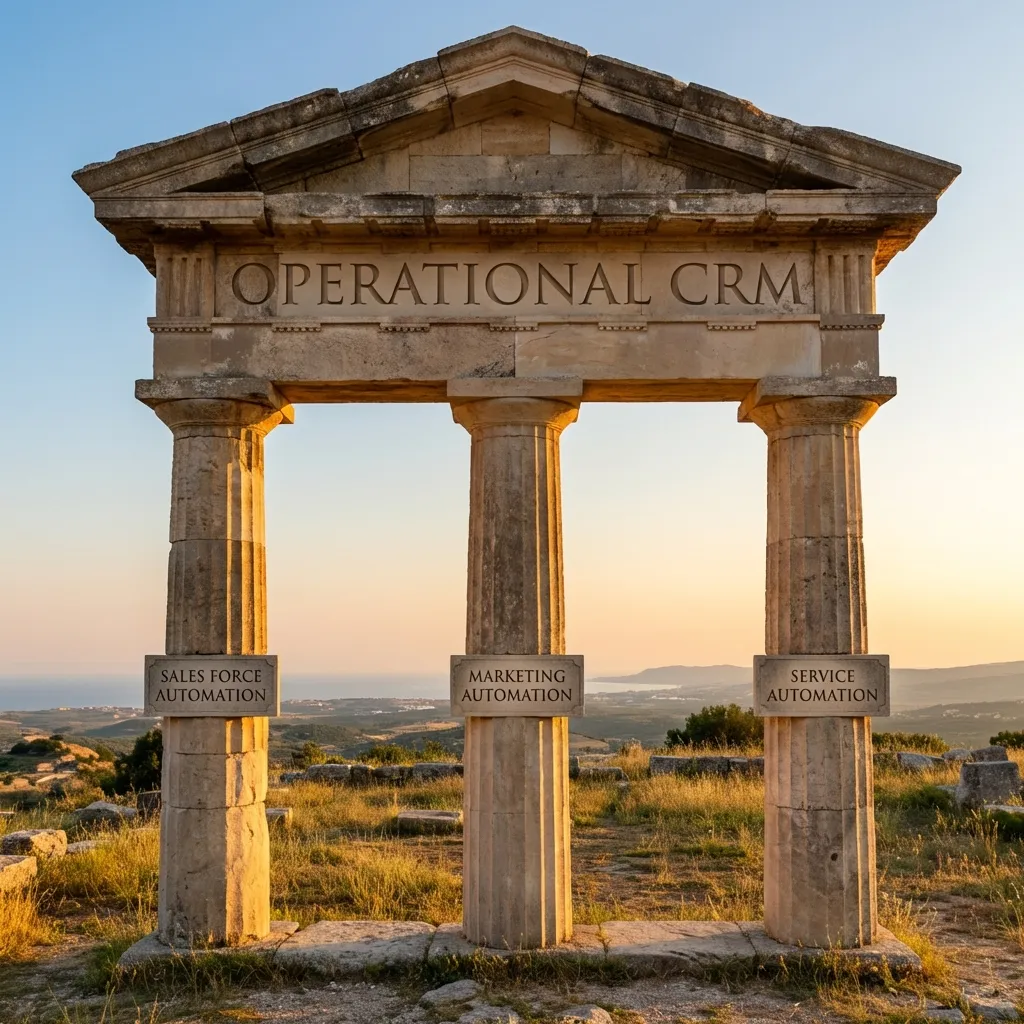
The Three Pillars of Operational CRM
Operational CRM is typically broken down into three main, interconnected components:
📊 Sales Force Automation (SFA)
Streamlines the sales process from lead to close.
🎯 Marketing Automation
Manages campaigns and nurtures potential customers.
⚡ Customer Service Automation
Manages support issues to ensure customer satisfaction.
Pillar 1: Sales Force Automation (SFA)
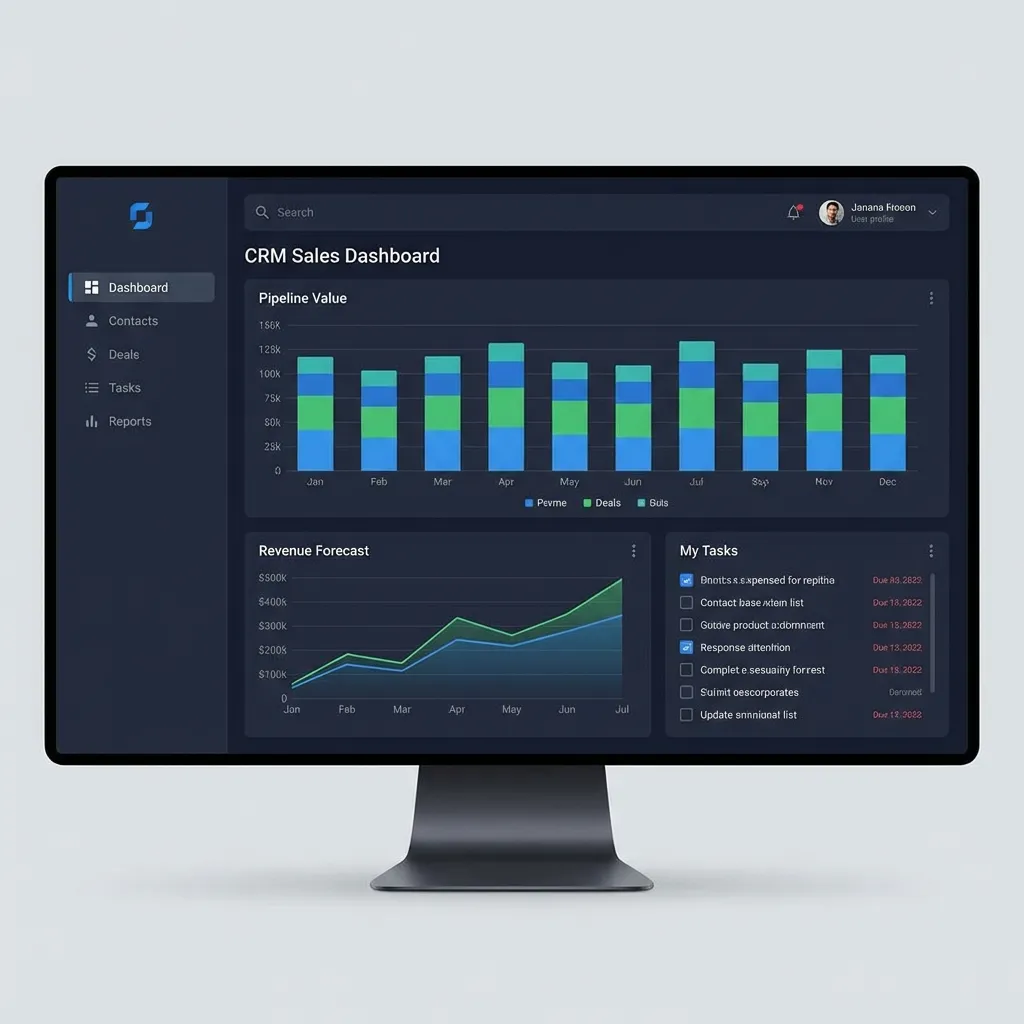
SFA systems support and streamline all phases of the sales process, allowing salespeople to focus on selling, not administration.
Key Features:
- Contact & Account Management: A central database for all customer info.
- Lead & Opportunity Management: Tracks potential deals through the sales pipeline.
More Features:
- Sales Forecasting: Predicts future revenue based on data.
- Task & Activity Management: Manages schedules, calls, emails, and follow-ups.
Pillar 2: Marketing Automation
These systems manage and automate marketing campaigns, enabling businesses to deliver personalized experiences at scale.
Core Goal: To nurture leads until they are "sales-ready" and then seamlessly pass them to the sales team.
- Campaign Management: Design, execute, and measure multi-channel campaigns (email, social media, web).
- Email Marketing: Automate targeted email sends to specific customer segments.
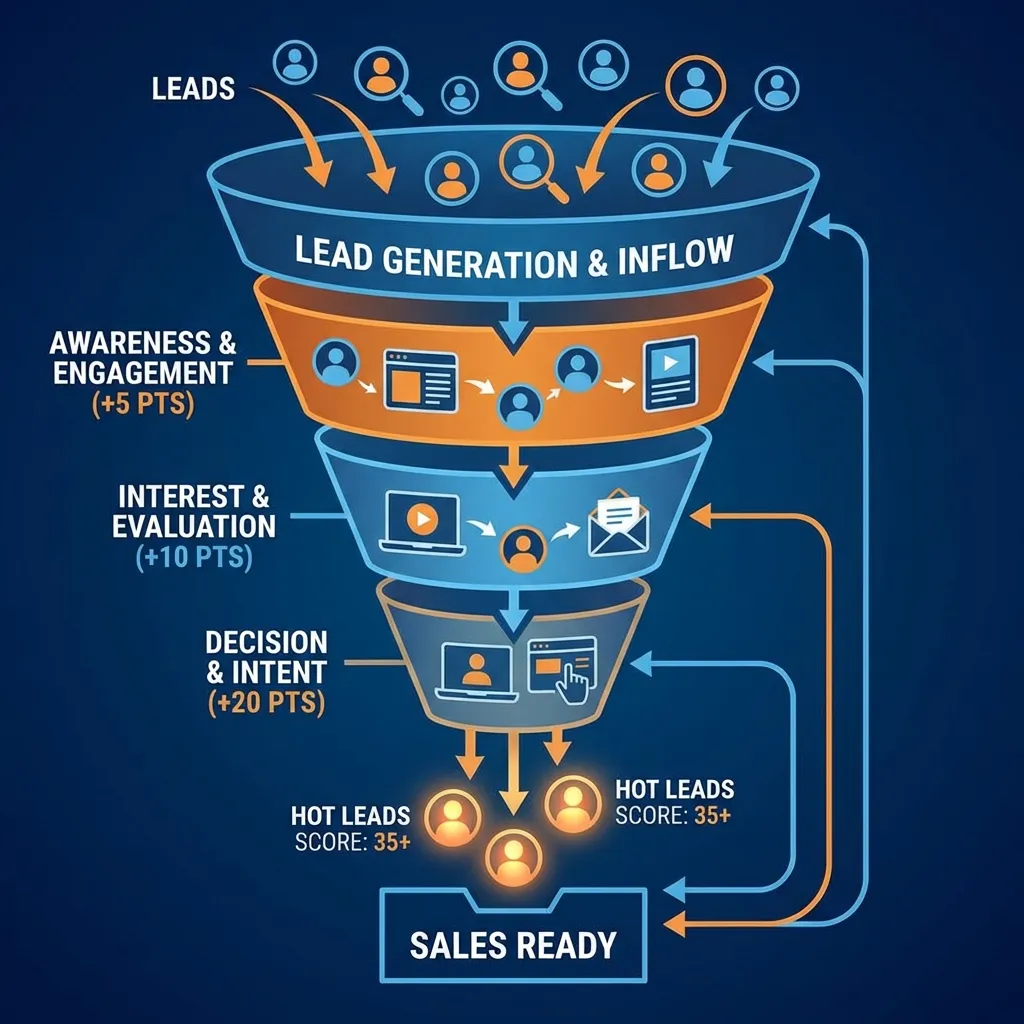
- Lead Nurturing & Scoring: The "secret sauce" of marketing automation.
🔍 Deep Dive: Lead Nurturing & Scoring
Lead Nurturing
The process of building relationships with potential customers by sending a series of relevant, automated communications over time.
Example: A new website visitor gets a welcome email, then a case study 3 days later, then an invite to a webinar next week.
Lead Scoring
Automatically assigning points to leads based on their profile and behavior to identify the most promising prospects.
+10 points for visiting the pricing page
+5 points for opening an email
+25 points if their job title is "Manager"
Once a lead reaches 100 points, they are sent to sales!
Pillar 3: Customer Service & Support Automation
Focused on managing customer issues quickly and effectively to boost satisfaction and retention.
Great service turns a one-time buyer into a loyal, repeat customer.
Key Features:
- Case Management (Ticketing): Creates and tracks a "ticket" for every customer issue, ensuring nothing gets lost.
- Knowledge Bases: A central, searchable library of solutions for common problems.
Empowering the Customer:
- Customer Self-Service Portals: Allows customers to find answers, track tickets, and manage their accounts 24/7.
Practical Application: Operational CRM in Nepal
Scenario 1: A Local Bank (e.g., Nabil Bank)
- SFA: Relationship managers track loan applications (opportunities) and manage corporate client accounts.
- Service Automation: Customers use a self-service portal to check account balances, track support tickets for card issues, and find FAQs.
Scenario 2: An E-commerce Platform (e.g., Daraz)
- Marketing Automation: Sends automated emails for abandoned carts and uses lead scoring to identify high-value shoppers for special offers.
- Service Automation: A ticketing system manages all return/refund requests, and a knowledge base answers common questions about shipping times.
Summary & Key Takeaways
Operational CRM provides the tools to execute your customer-centric strategy every day.
- ➡️ Operational CRM supports the front-office processes: sales, marketing, and customer service.
- ➡️ Sales Force Automation (SFA) empowers salespeople by automating admin tasks and managing the sales pipeline.
- ➡️ Marketing Automation is used to manage campaigns, nurture leads with targeted communication, and identify the best prospects.
- ➡️ Customer Service Automation uses ticketing systems, knowledge bases, and self-service portals to improve support efficiency and satisfaction.
Discussion Questions
- How does Sales Force Automation (SFA) help a sales manager, not just a salesperson? (Think forecasting and team performance.)
- Explain the concept of "lead scoring" in marketing automation. Why is it so useful for a company with thousands of leads?
- What are the benefits of a customer self-service portal for both the customer and the company?
Thank You
Any questions?
Next Topic: Unit 7.4: Analytical & Collaborative CRM Systems | IT 233