Unit 7.1
Unit 7 Intro: CRM and Supply Chain Management (SCM)
Learning Objectives
By the end of this introductory lecture, you will be able to:
- ✅ Define Customer Relationship Management (CRM) and its core goal.
- ✅ Define Supply Chain Management (SCM) and its scope.
- ✅ Differentiate between the primary focus of CRM and SCM.
- ✅ Recognize the role of Information Systems in enabling both CRM and SCM.
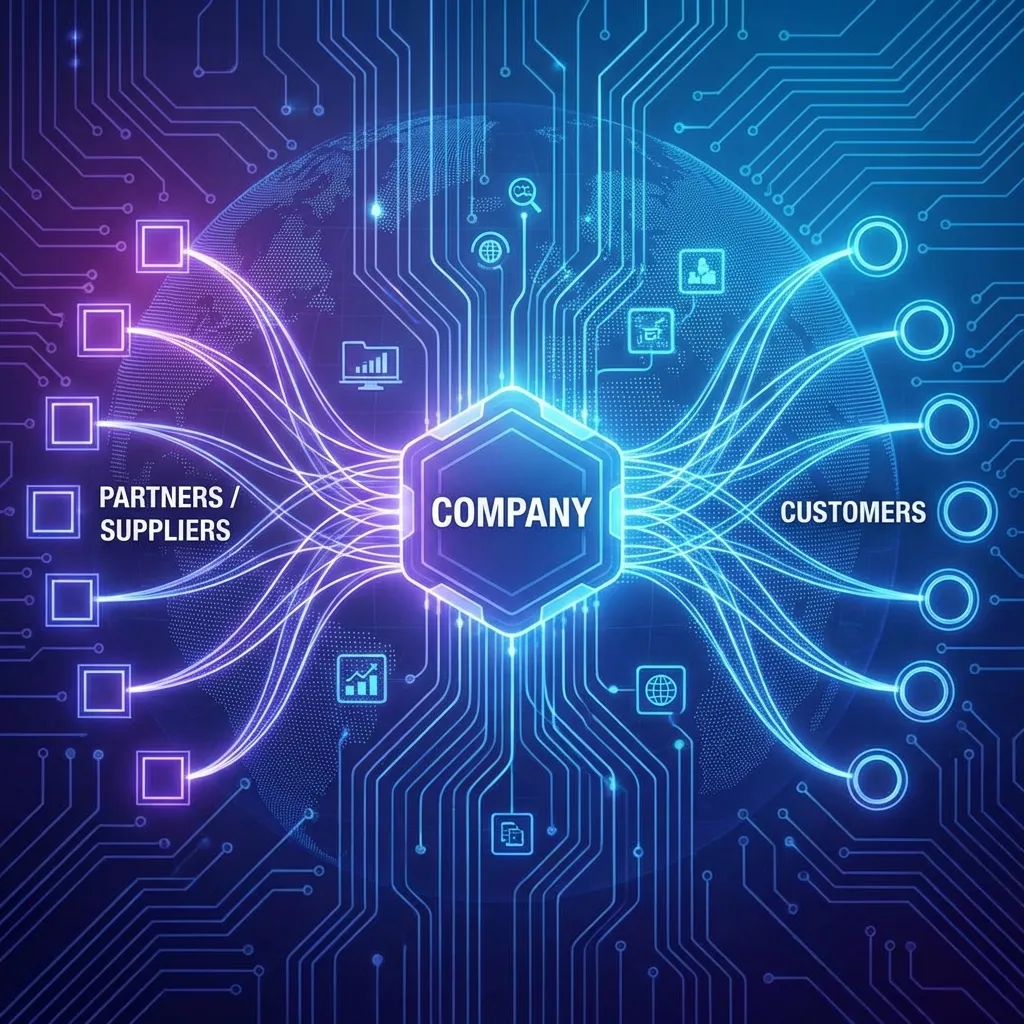
Beyond the Organization's Walls
Modern business success isn't just about internal efficiency.
It's about managing a complex network of external relationships.
Customers
Building loyalty, understanding needs, and driving sales.
Partners & Suppliers
Ensuring collaboration, resilience, and efficient operations.
Two key information systems manage these external relationships: CRM and SCM.
🔍 What is CRM?
Customer Relationship Management
Definition: A strategy for managing all of a company's relationships and interactions with its customers and potential customers.
It's more than just software; it's a business philosophy centered on the customer.
🎯 The Core Goal: Improve business relationships to grow the business.
Why is CRM so Important?
- Customer Retention: It costs 5x more to attract a new customer than to keep an existing one.
- Personalized Service: Understand customer history to provide better, faster support.
- Increased Sales: Identify opportunities to upsell (better products) and cross-sell (related products). 📊
- Process Automation: Streamline sales, marketing, and service tasks to improve efficiency.
🚚 What is SCM?
Supply Chain Management
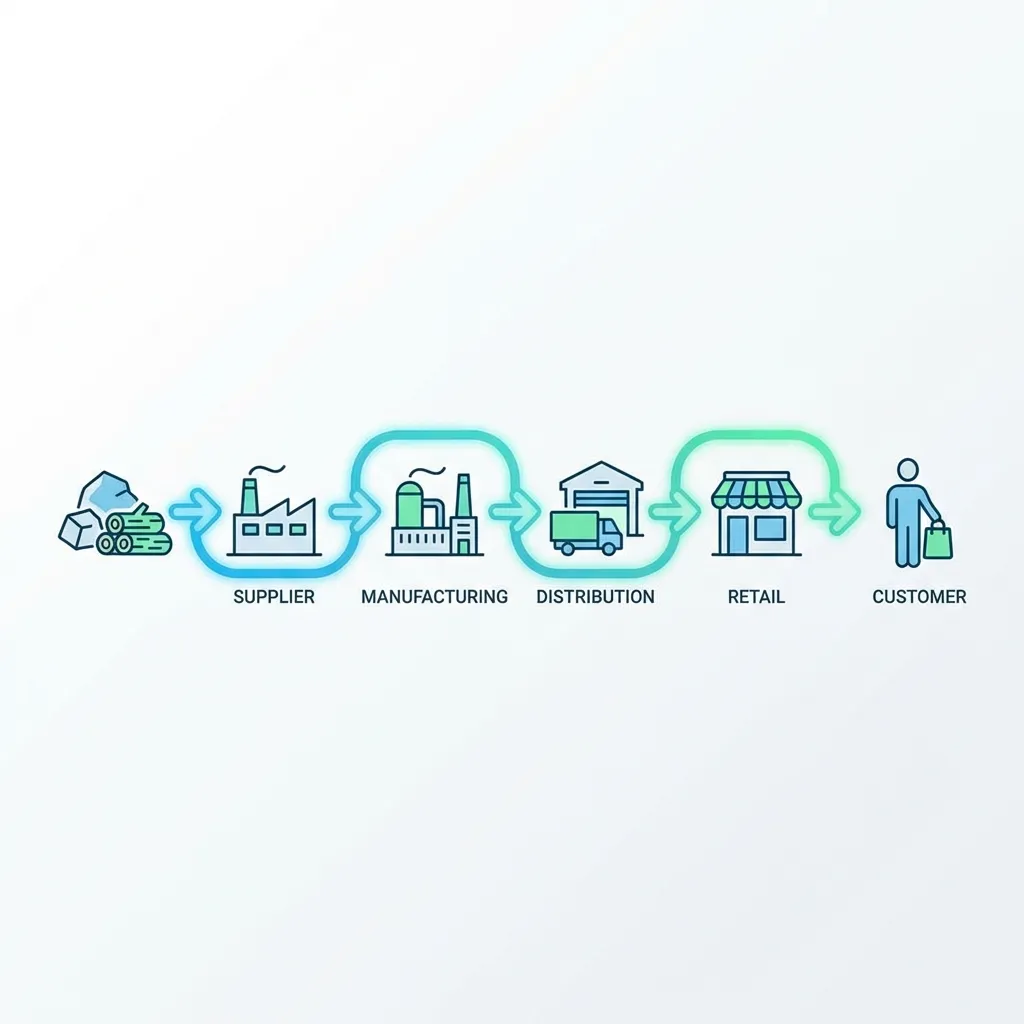
Definition: The management of the flow of goods and services, from the procurement of raw materials to the delivery of the final product to the consumer.
It's the entire "source-to-consumer" journey of a product.
🎯 The Core Goal: Create an efficient, resilient, and cost-effective supply chain.
Visualizing the Supply Chain Flow
SCM coordinates every step from beginning to end:
⚡ Information Systems are the digital thread connecting each stage, providing visibility and control.
CRM vs. SCM: A Core Distinction
CRM (Front-Office)
Focus: Demand Generation
Manages: The customer lifecycle (marketing, sales, service).
Key Question: "How do we find, win, and keep our customers?"
SCM (Back-Office)
Focus: Demand Fulfillment
Manages: The product lifecycle (sourcing, making, delivering).
Key Question: "How do we efficiently make and deliver our product?"
The Role of Information Technology
IT provides the essential support for modern CRM and SCM:
- Data Centralization: A single source of truth for customer info (CRM) or inventory levels (SCM).
- Process Automation: Automating marketing emails, order processing, and logistics alerts.
- Analytics & Forecasting: Predicting customer trends (CRM) and future demand (SCM). 📊
- Collaboration & Visibility: Connecting internal teams and external partners in real-time.
Practical Application in Nepal
Example: A Nepali Beverage Company (e.g., a popular juice brand)
CRM in Action:
- Running loyalty programs for Kirana Pasals (local shops).
- Using social media to engage with customers and get feedback on new flavors.
- Tracking sales data from different cities to plan marketing campaigns.
SCM in Action:
- Sourcing fruits from farmers in the Terai region.
- Managing production schedules at the factory in Hetauda.
- Coordinating truck deliveries to distributors across all 7 provinces. 🚚
Key Takeaways
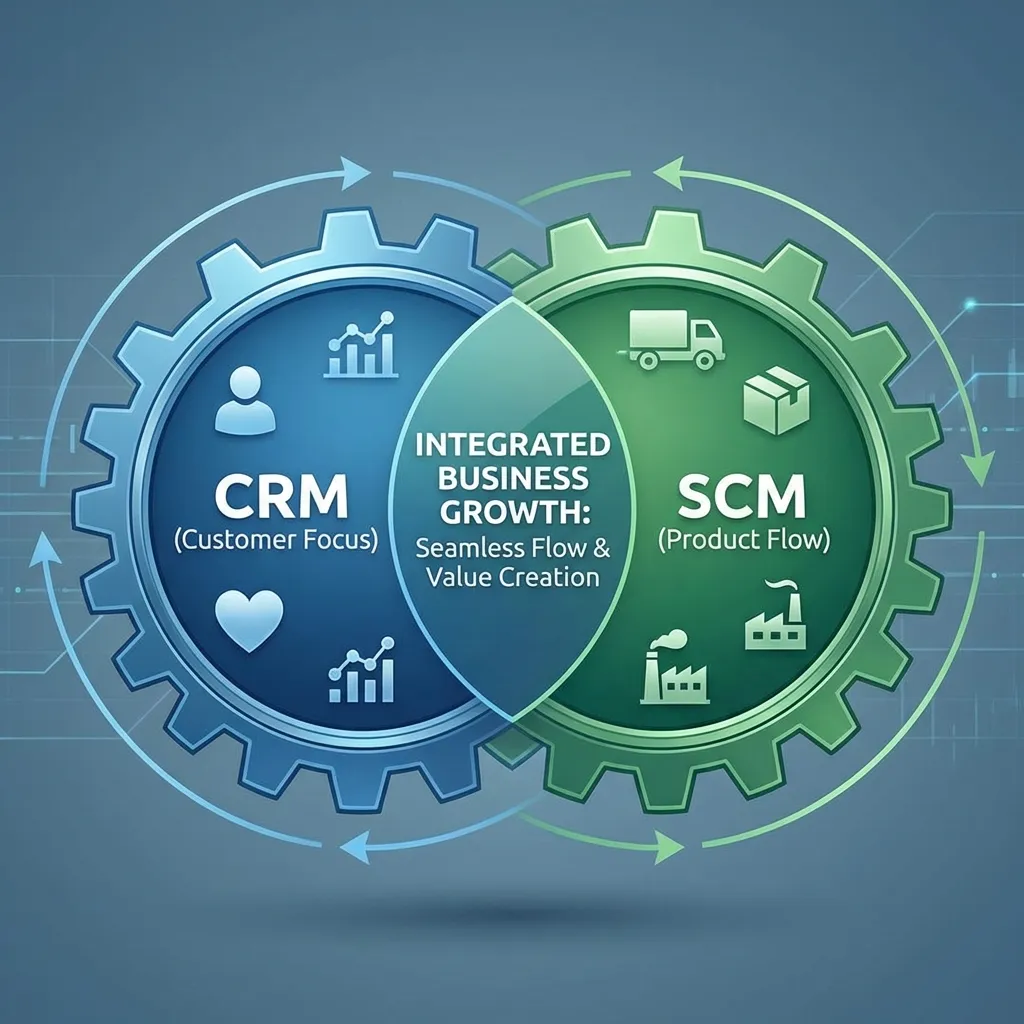
- CRM is outward-facing, focusing on the customer relationship to drive revenue and loyalty.
- SCM is inward and outward-facing, managing the entire flow of goods and services for efficiency.
- They are separate but deeply interconnected. A happy customer (CRM) needs their product delivered on time (SCM).
- Information Systems are not optional; they are the backbone of effective CRM and SCM strategies in today's business world. ⚡ </section>
Thank You
Questions?
Next Up:
Unit 7.2: A Deeper Dive into CRM Systems & Strategies