Unit 6.2
Transaction Processing Systems (TPS)
Learning Objectives 🎯
By the end of this chapter, you will be able to:
- ✅ Define a Transaction Processing System (TPS) and its purpose.
- ✅ Identify the key characteristics of a TPS.
- ✅ Differentiate between batch processing and Online Transaction Processing (OLTP).
- ✅ Provide examples of common TPS in different industries.
The Backbone of Business
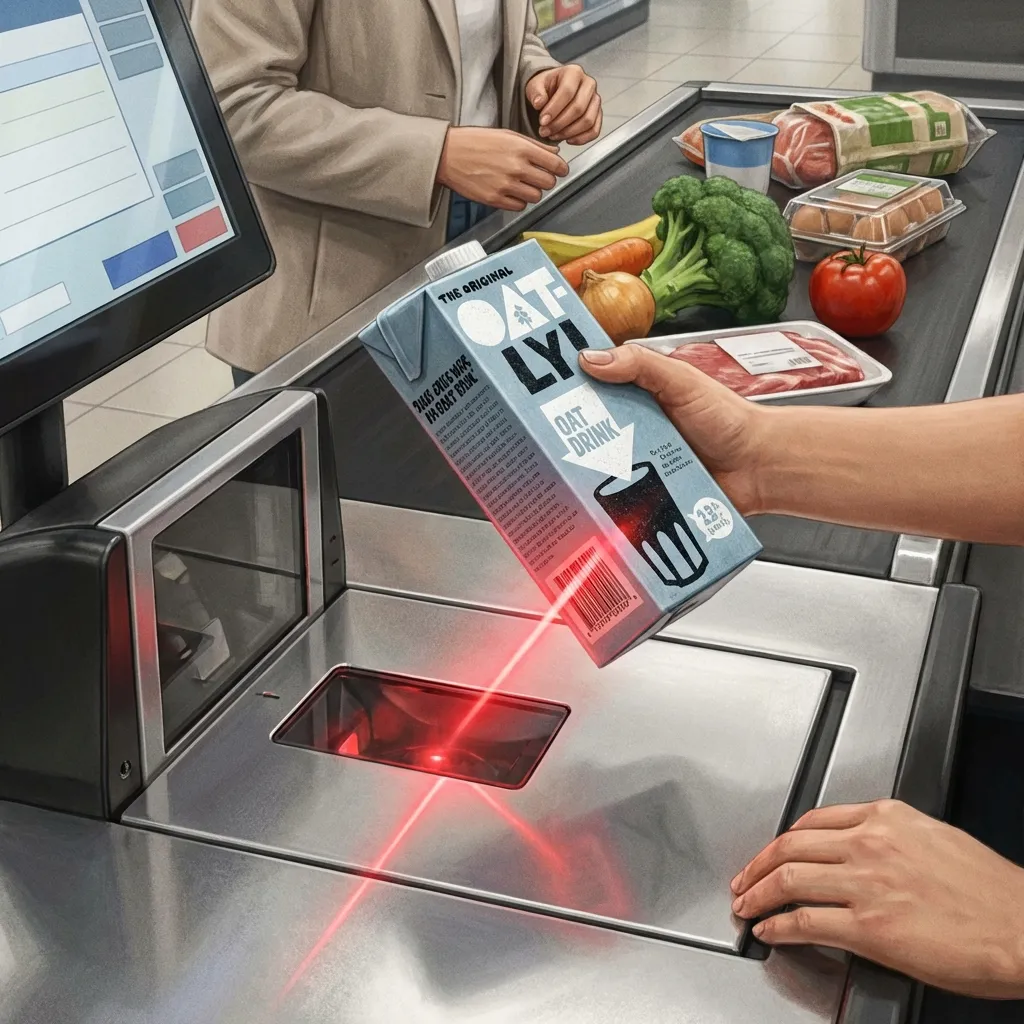
A Transaction Processing System (TPS) is an information system that captures and processes data from the day-to-day, routine business transactions of an organization.
Think of it as the digital cash register, order book, and time clock all rolled into one. It's the system of record for what happens moment-to-moment.
The Foundation of Data 📊
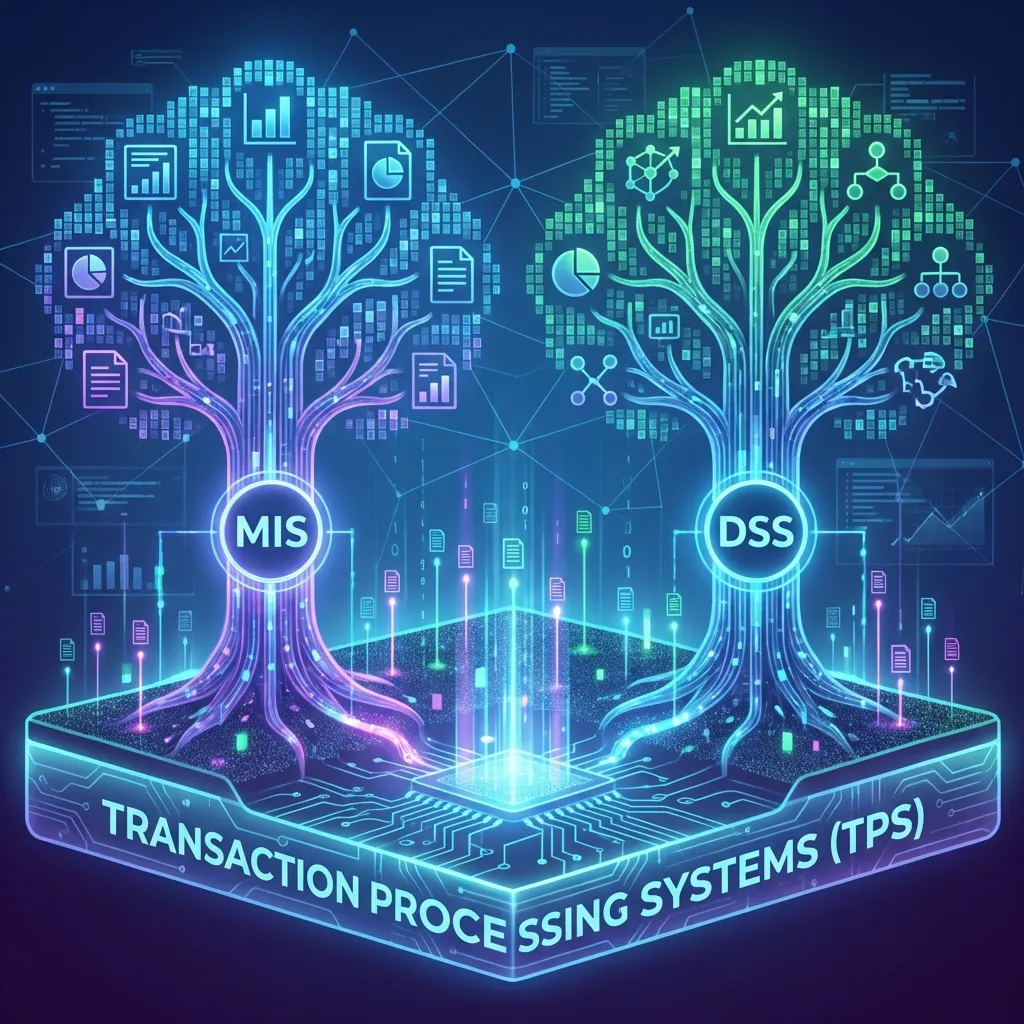
TPS are the primary source of data for all other business information systems.
TPS (Operational Data)
Captures raw transaction data (e.g., sales, payments, inventory changes).
⬇️
MIS & DSS (Managerial Data)
Summarizes and analyzes TPS data to help managers make tactical and strategic decisions.
Key Characteristics of a TPS
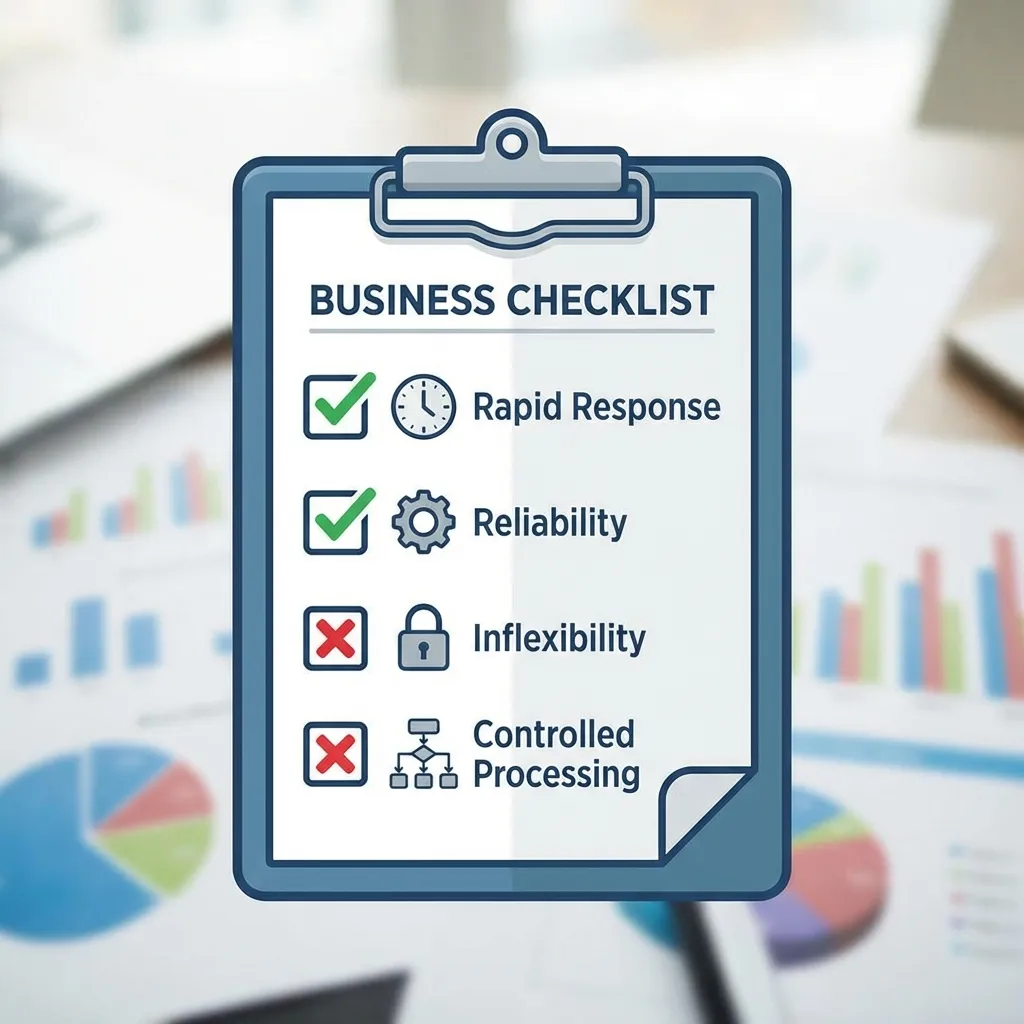
⚡ High Volume & Speed
Must handle thousands of transactions per minute without slowing down.
🛡️ Reliability & Accuracy
System failure means business stops. Data integrity is non-negotiable.
⚙️ Structured Operations
Transactions are processed in a standardized, predefined way every single time.
How Do TPS Process Transactions?
There are two primary methods for processing the vast amount of data a TPS captures.
The choice between them depends on the urgency and nature of the transaction.
Let's explore: Batch Processing and Online Transaction Processing (OLTP).
Method 1: Batch Processing
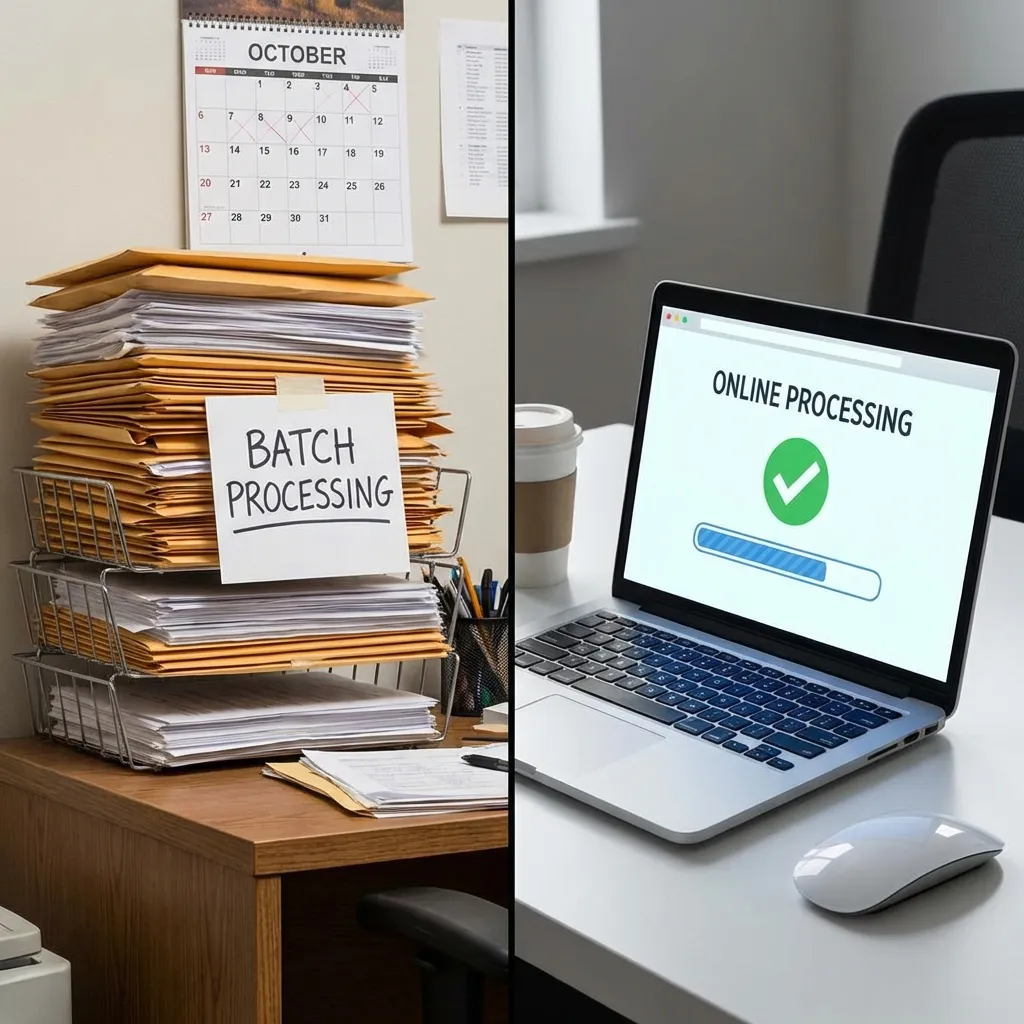
Transaction data is collected as a group, or batch, over a period of time.
The entire batch is then processed together at a later, scheduled time (e.g., overnight).
Example: Credit Card Statements
A credit card company processes all of the day's transactions for millions of customers in a single batch overnight to calculate balances and prepare for monthly statement generation.
Method 2: Online Transaction Processing (OLTP)
Transactions are processed immediately, in real-time, as they occur.
This method is essential for time-sensitive activities where an instant response is required.
Example: E-commerce Purchase
When you buy an item online, the system must instantly check inventory, authorize your payment, and confirm your order. It cannot wait until the end of the day.
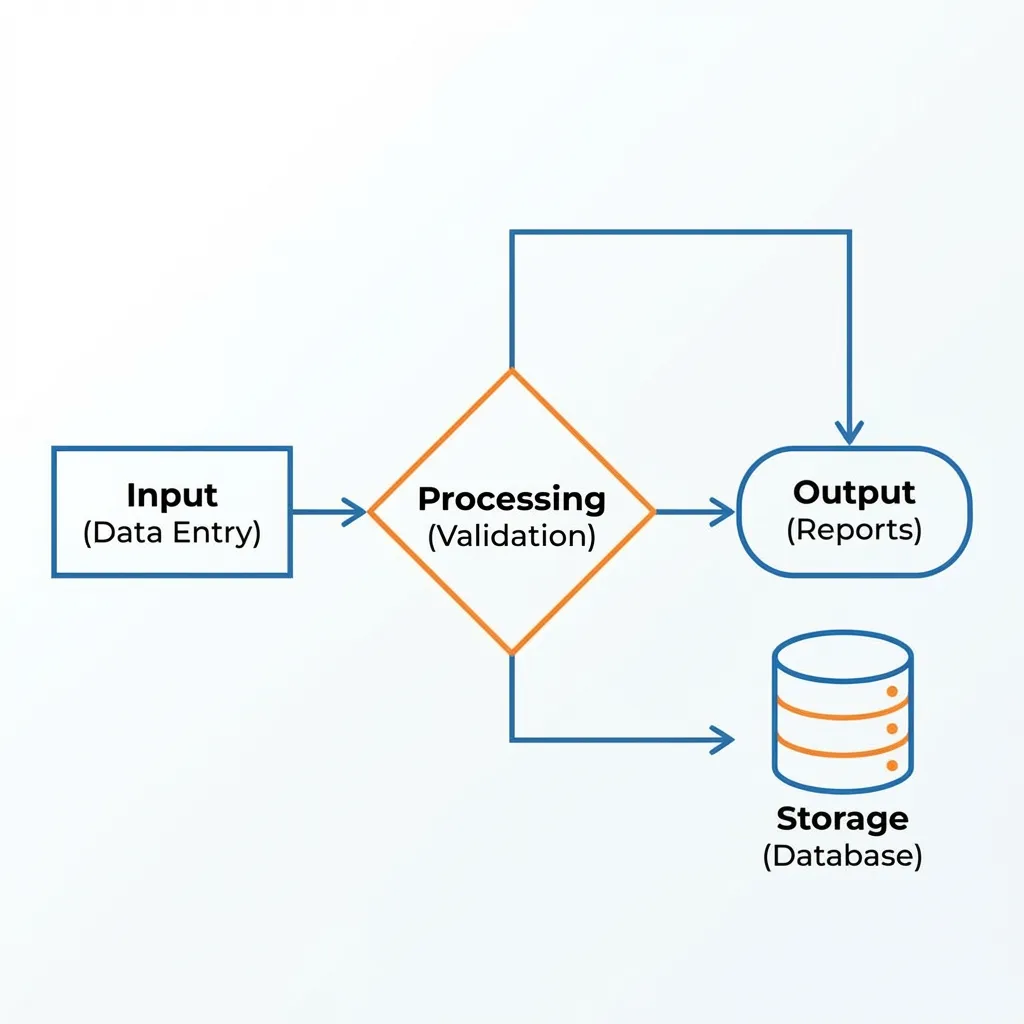
Batch Processing vs. OLTP
Batch Processing 🌙
- Timing: Delayed, scheduled
- Data: Collected over time
- Best for: Non-critical, high-volume tasks (e.g., payroll, billing)
- System Load: Heavy load during a specific window
OLTP (Real-Time) ⚡
- Timing: Immediate
- Data: Processed as it happens
- Best for: Customer-facing, time-sensitive tasks (e.g., e-commerce, banking)
- System Load: Consistent, concurrent user access
TPS in Action: Common Examples
- 🛒 Point-of-Sale (POS) System: Records sales and updates inventory in a retail store.
- 📦 Order Entry System: Captures customer orders from a website or call center.
- 💰 Payroll System: Processes employee hours to generate paychecks.
- ✈️ Airline Reservation System: Manages flight bookings and seat assignments in real-time.
- 📈 Stock Trading System: Executes buy/sell orders in milliseconds.
Practical Application: TPS in Nepal 🇳🇵
Real-Time (OLTP) Examples
- eSewa/Khalti: Every mobile top-up or utility payment is an OLTP transaction, processed instantly.
- Foodmandu/Pathao: Placing an order requires real-time processing to confirm the order and dispatch a rider.
Batch Processing Examples
- NEA Billing: The Nepal Electricity Authority collects meter readings over a month and then processes them in a batch to generate monthly bills.
- Bank Statement Generation: Banks process a full day's or month's transactions in a batch to create customer statements.
🔍 Discussion Point
Think & Discuss
For each of the following, is batch or OLTP more appropriate? Why?
- (a) Booking a hotel room online
- (b) Processing university admissions applications
- (c) Generating monthly utility bills
Key Takeaways
- 🎯 TPS are the operational workhorses, capturing routine business transactions.
- 🎯 Key characteristics: high volume, high speed, reliability, and accuracy.
- 🎯 Batch processing collects data for later; OLTP processes it immediately.
- 🎯 TPS provides the foundational data for higher-level systems like MIS and DSS.
Thank You
Any questions?
Next Topic: Unit 6.3: Functional Area Information Systems (FAIS) and Information Silos | IT 233