Unit 5.6
The Impact of Social Computing on HR Management
Learning Objectives
By the end of this session, you will be able to:
- ✅ Explain how social media has transformed recruiting and talent acquisition.
- ✅ Describe the concept of an employer brand and how to build it using social tools.
- ✅ Understand how Enterprise Social Networks (ESNs) improve internal collaboration.
- ✅ Identify how social tools can be used to increase employee engagement.
Social Computing's HR Revolution
Social technologies have reshaped how HR departments operate, moving from administrative functions to strategic partners in building company culture.
Key Areas of Impact
- 🎯 Recruiting: Finding and attracting top talent.
- 🤝 Onboarding: Integrating new hires into the company.
- 🧠 Collaboration: Sharing knowledge across the organization.
- ⚡ Engagement: Fostering a connected and motivated workforce.

Area 1: Recruiting & Talent Acquisition
This is where social computing has had the most visible and dramatic impact on HR.
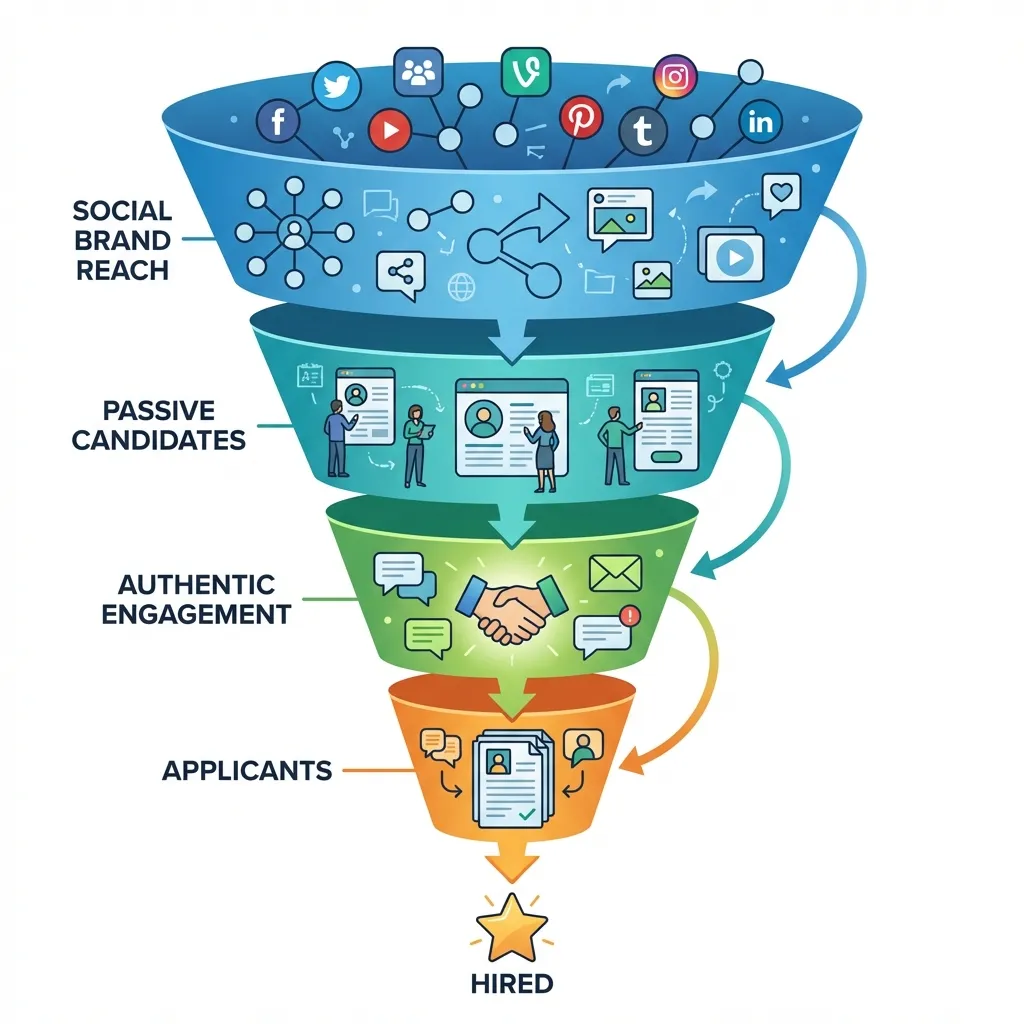
🔍 Finding Candidates
- Primary Tool: LinkedIn is the recruiter's go-to platform.
- Targeted Search: Find candidates with specific skills, experience, and certifications.
- Passive Candidates: Reach qualified professionals who aren't actively looking for a job.
🧐 Vetting Candidates
- Review profiles for professionalism and cultural fit.
- Assess public communication skills.
- A well-curated professional profile acts as a digital resume and portfolio.
Using social media platforms (LinkedIn, Facebook, Twitter) to scan, target, and recruit employees.
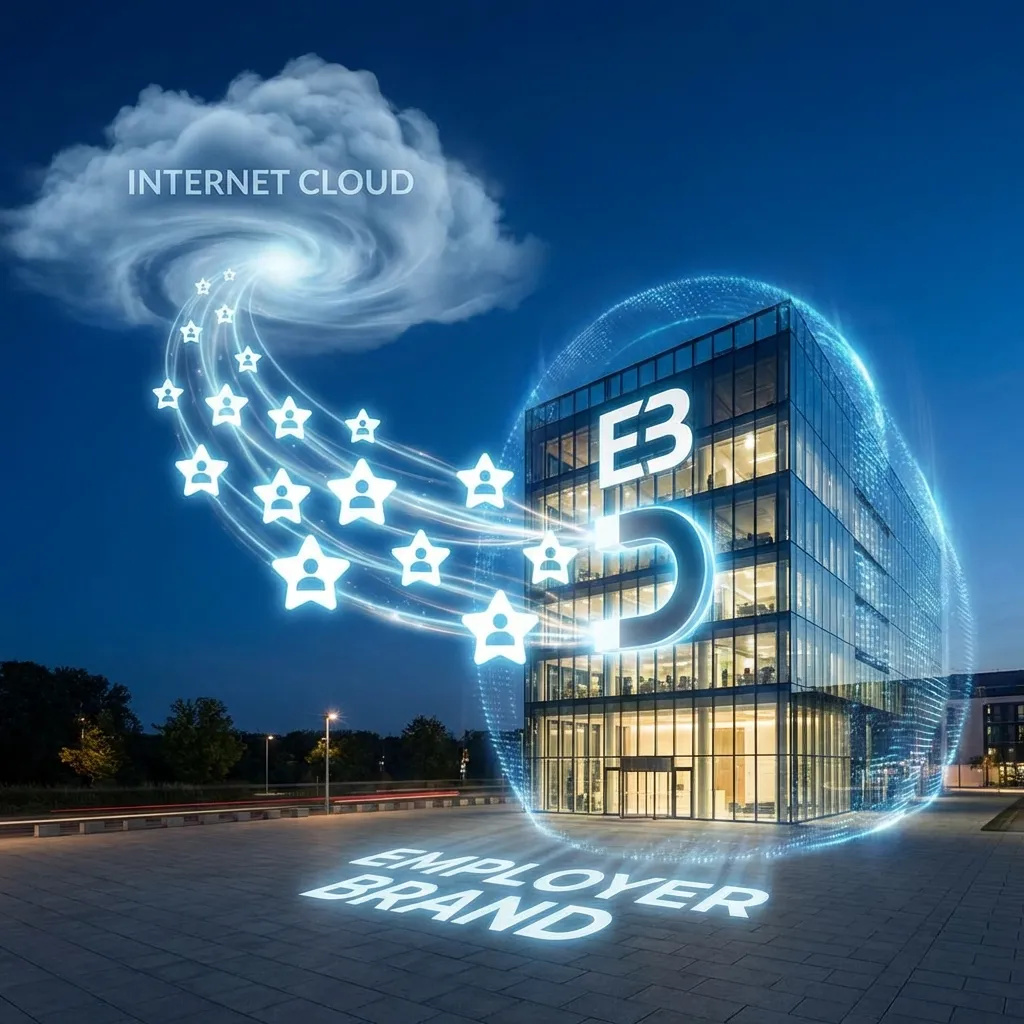
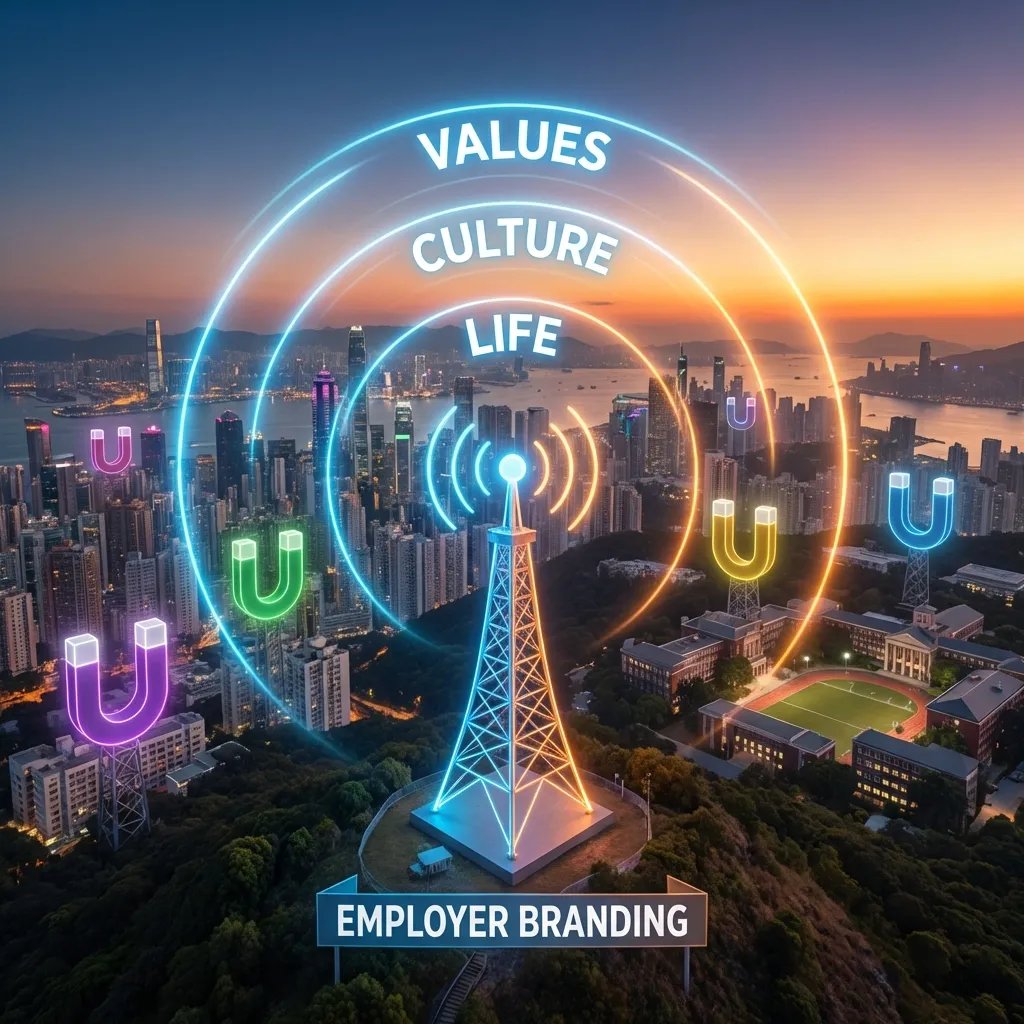
Building an "Employer Brand"
Employer Brand: An organization's reputation as a place to work and its value proposition to employees. It's the answer to "Why should I work for you?"
How Social Media Helps:
- Show, Don't Tell: Showcase company culture, values, and team events on LinkedIn, Twitter, or Instagram.
- Employee Stories: Share testimonials and "day in the life" content from current employees.
- Attract Top Talent: A strong employer brand makes the organization a more attractive place to work, leading to higher-quality applicants.
- Employee Advocacy: Employees sharing their positive work experiences on social media attracts top talent.

Practical Application: The Nepali Context
Example: A Tech Company in Kathmandu
How does a growing Nepali IT firm compete for talent?
- Uses LinkedIn to find experienced developers, including Nepalis working abroad who may want to return.
- Maintains a vibrant Facebook Page showcasing team outings, festival celebrations (like Dashain), and CSR activities.
- Shares technical blog posts on platforms like Medium to demonstrate expertise and attract candidates passionate about their tech stack.
This strategy builds an employer brand that competes for talent in a rapidly growing and competitive local market.
Area 2: Onboarding & Training
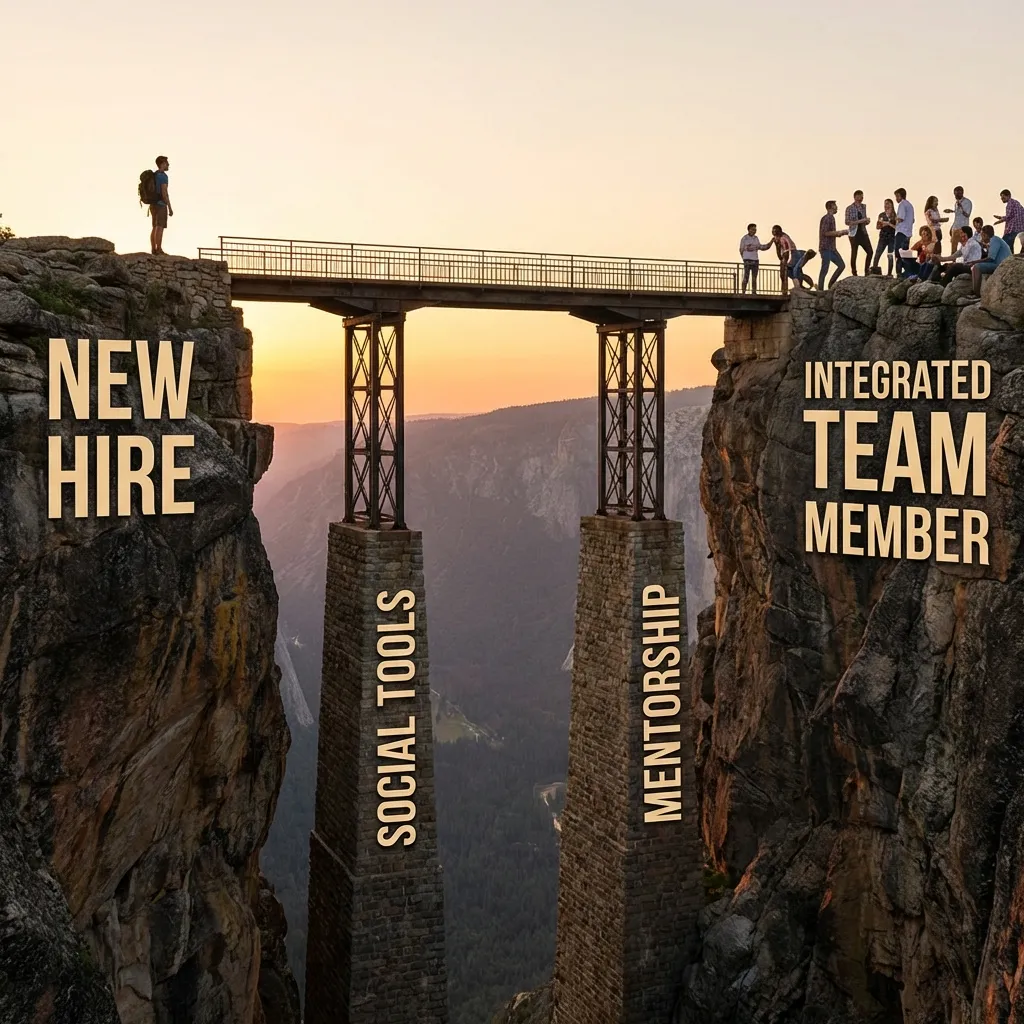
Integrating new hires more effectively with social tools.
🤝 Connect & Mentor
- Create ESN groups for new employee cohorts.
- New hires can ask questions and find mentors outside their immediate team.
- Crucial for making remote employees feel part of the culture from day one.
📚 Modern Resources
- Internal wikis (like Confluence) replace static paper manuals.
- Host training materials and onboarding documents on internal video platforms.
- Information is searchable, accessible, and easily updated.
Using social tools to help new employees settle in and become productive faster.
Area 3: Internal Collaboration & Knowledge Sharing
Enterprise Social Network (ESN): A private, internal social network for an organization. Examples: Slack, Microsoft Yammer, Workplace from Meta.
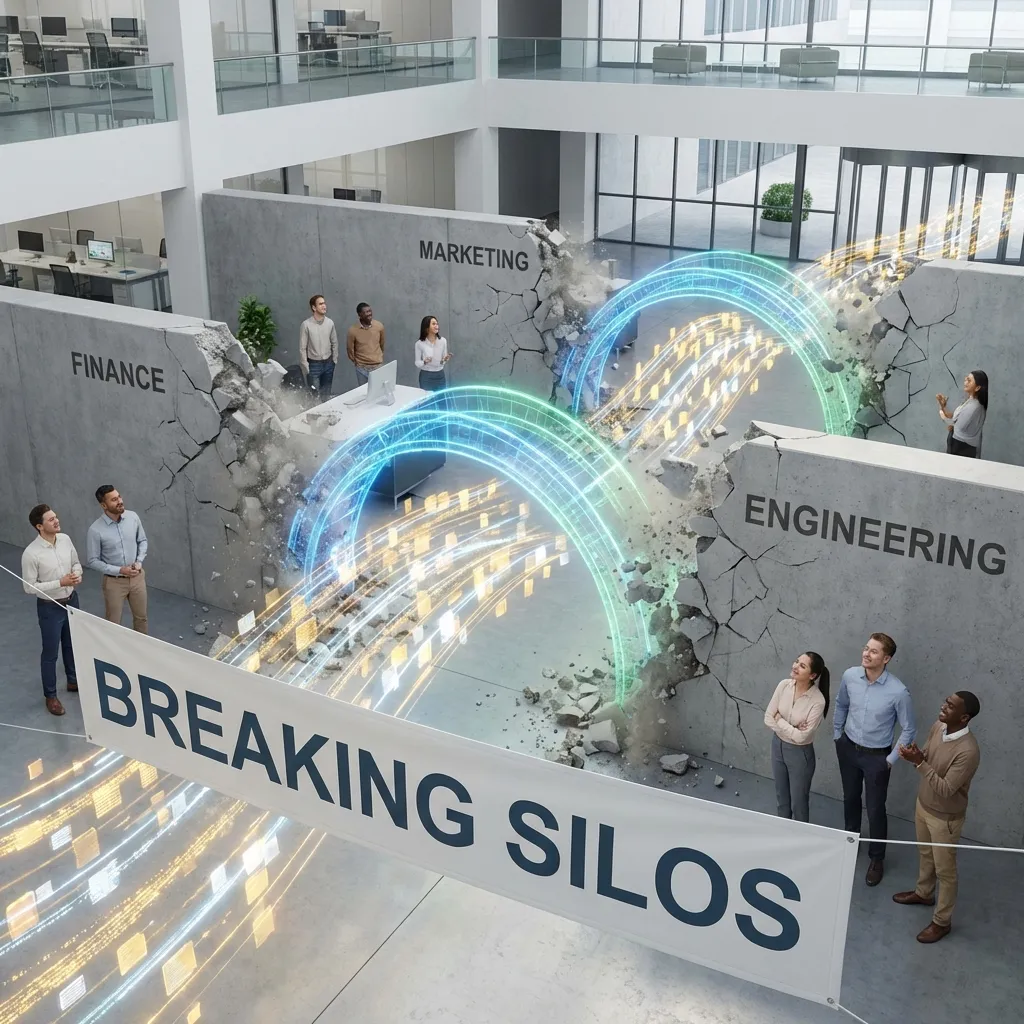
ESNs Break Down Silos by:
- 🗣️ Creating a central platform for communication across departments and locations.
- 🧠 Facilitating the sharing of tacit knowledge (the "know-how" in employees' heads).
- 🗂️ Creating a searchable, living knowledge base from past conversations and solutions.
The ESN Effect: Before vs. After
Traditional Workplace (Before ESN)
- Information trapped in email inboxes
- Knowledge is hard to find
- Cross-department work is slow
- Communication is formal & top-down
Socially-Enabled Workplace (After ESN)
- Information is open and searchable
- Experts are easily identified
- Spontaneous collaboration happens
- Communication is informal & multi-directional
Area 4: Employee Engagement
Using social tools to build a more connected and motivated workforce.
🏆 Recognition
Publicly celebrate employee achievements on the ESN. This is often more impactful than a private email.
📢 Communication
Share company news, announce events, and keep employees informed in a less formal, more engaging way.
📊 Feedback
Use quick polls and surveys to gauge employee sentiment, allowing HR to be more responsive to the workforce.
Summary & Key Takeaways
- 🎯 Social media, especially LinkedIn, has revolutionized recruiting and created the field of employer branding.
- 🏢 Enterprise Social Networks (ESNs) like Slack or Yammer are critical for breaking down internal silos and fostering knowledge sharing.
- 🤝 Social tools enhance employee engagement through public recognition, transparent communication, and rapid feedback channels.
- ⚡ Social computing is no longer a "nice-to-have" but an indispensable tool for modern, strategic HR management.
Thank You
Questions?
Next Topic: Unit 6.1: Information Systems within Organizations | IT 233