Unit 5.5
Social CRM: Integrating Social Media with Customer Management
Learning Objectives
By the end of this chapter, you will be able to:
- ✅ Define Social CRM and explain how it differs from traditional CRM.
- ✅ Describe how Social CRM enhances customer relationships through listening and engagement.
- ✅ Understand how social data can be used to create a more complete customer profile.
- ✅ Identify the key challenges of implementing a Social CRM strategy.
The Fundamental Shift
Social Customer Relationship Management (Social CRM) is the integration of social media channels into traditional CRM strategy and platforms.
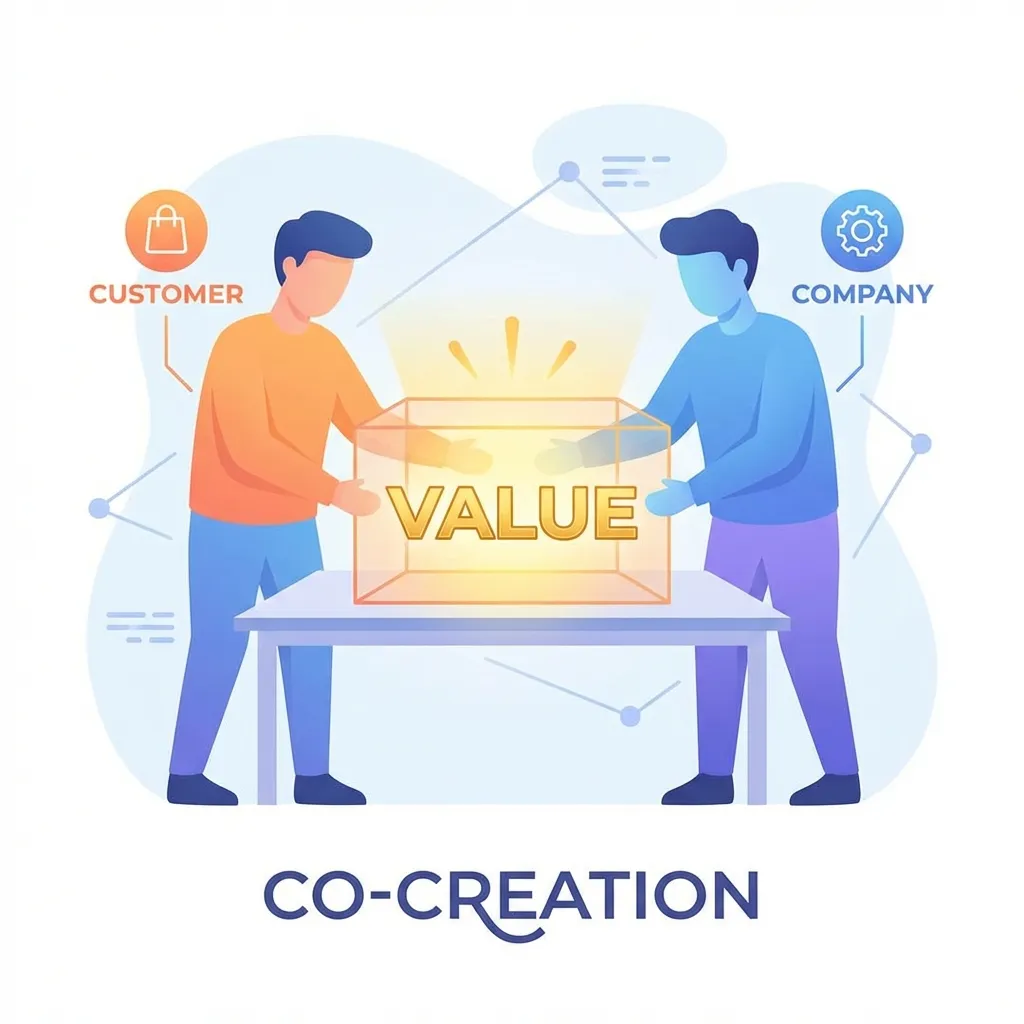
It's a move from a company-controlled, transactional model...
...to a collaborative, customer-powered model.
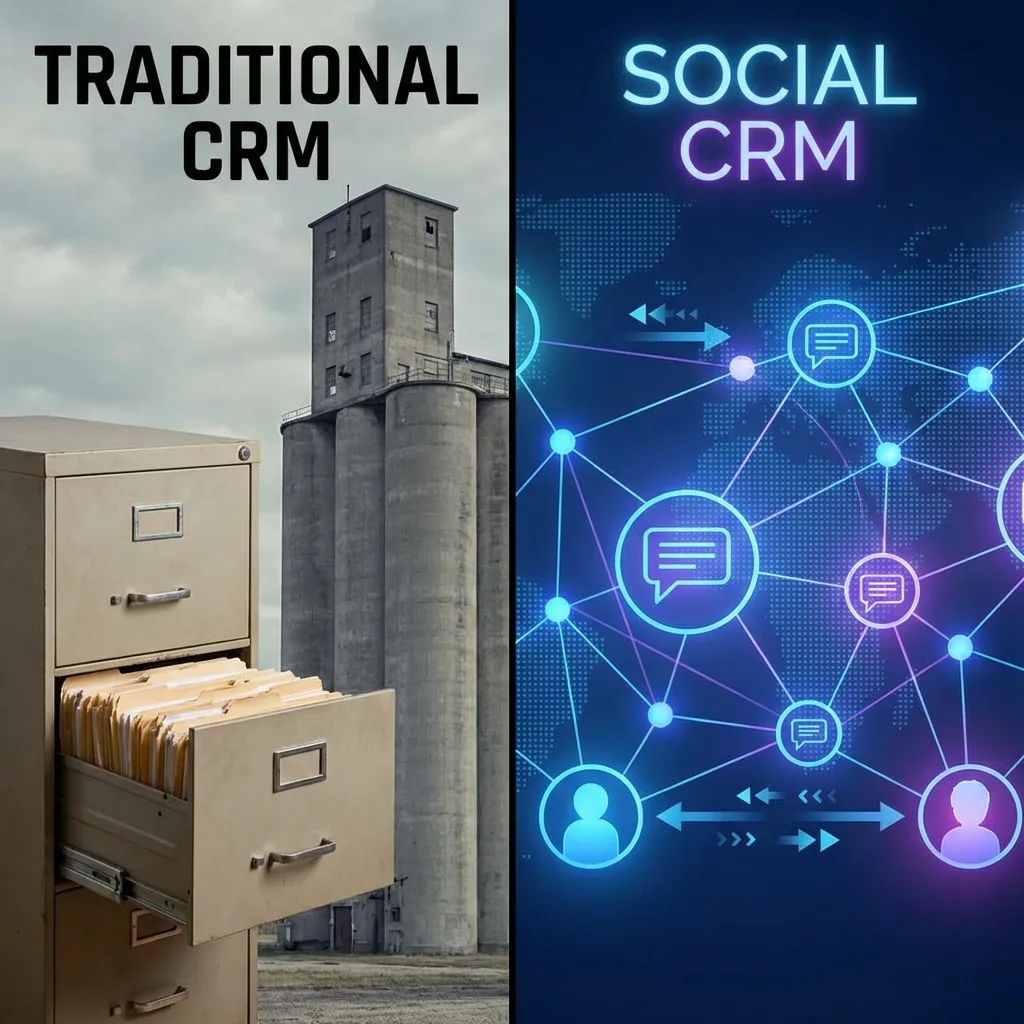
Traditional CRM vs. Social CRM
📊 Traditional CRM
- Company-controlled data
- Focus on transactions (purchase history, contact info)
- One-way communication (company → customer)
- Controlled channels (call center, email)
💬 Social CRM
- Customer controls the conversation
- Focus on engagement & relationships
- Two-way dialogue
- Public, open channels (social media)
The New Reality: The Customer is in Control
In Social CRM, the business is no longer the sole owner of the relationship. The goal is not to manage a customer, but to engage with them in their space.
Businesses must shift from broadcasting messages to participating in conversations.

How Social CRM Enhances Relationships
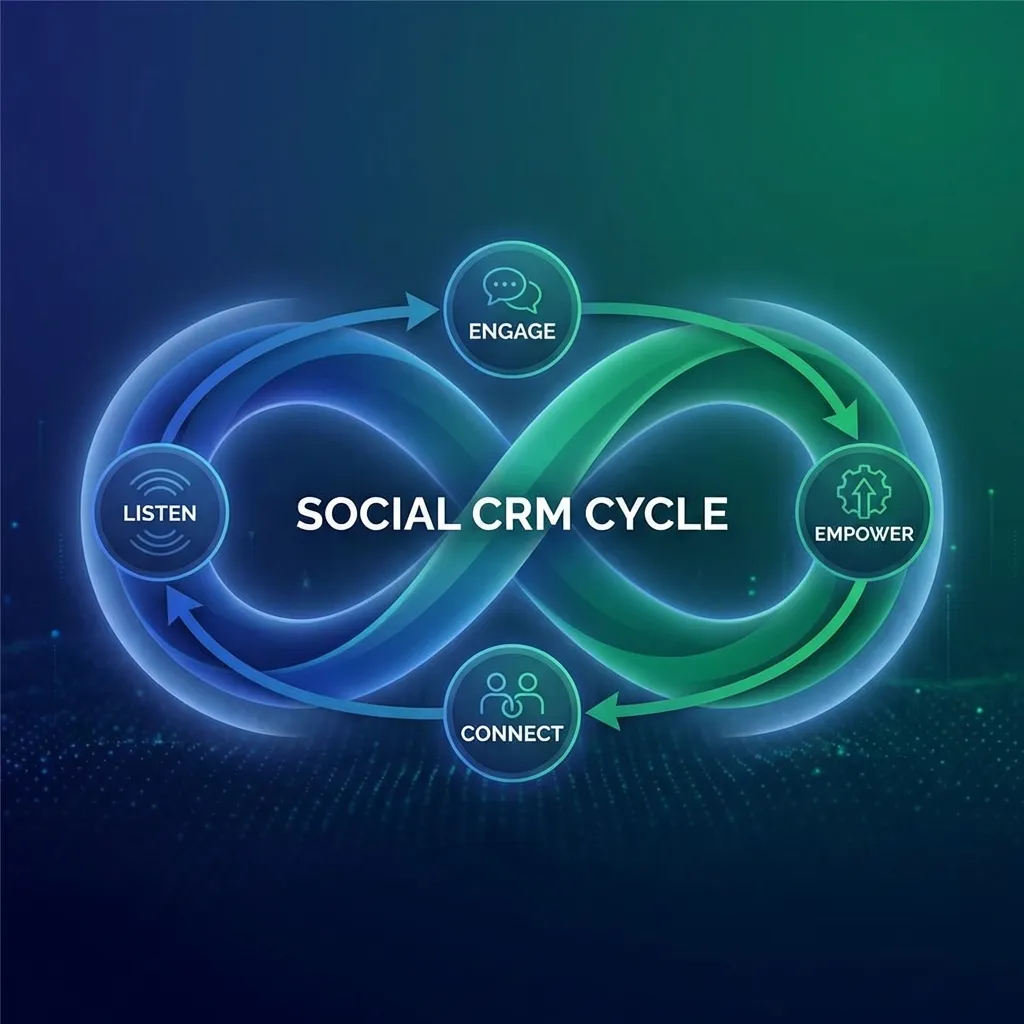
Social CRM uses social computing to improve the customer relationship in four key ways:
- Listening and Engagement 🔍
- Proactive Customer Service 🎯
- Building a Fuller Customer Profile 👤
- Empowering Customers & Building Community 🤝
1. Listening & Engagement 🔍
The core of Social CRM is listening to what customers are saying online.
Businesses use social monitoring tools to track mentions of their brand, products, and competitors.
Example: Real-time Engagement
A customer tweets, "My new headphones from @AudioBrand won't connect to my laptop! So frustrating."
The Social CRM Response: @AudioBrand's support team replies within minutes: "We're sorry to hear that! Let's get this sorted. Have you tried these steps? [link to FAQ] If that doesn't work, DM us and we'll help you troubleshoot."
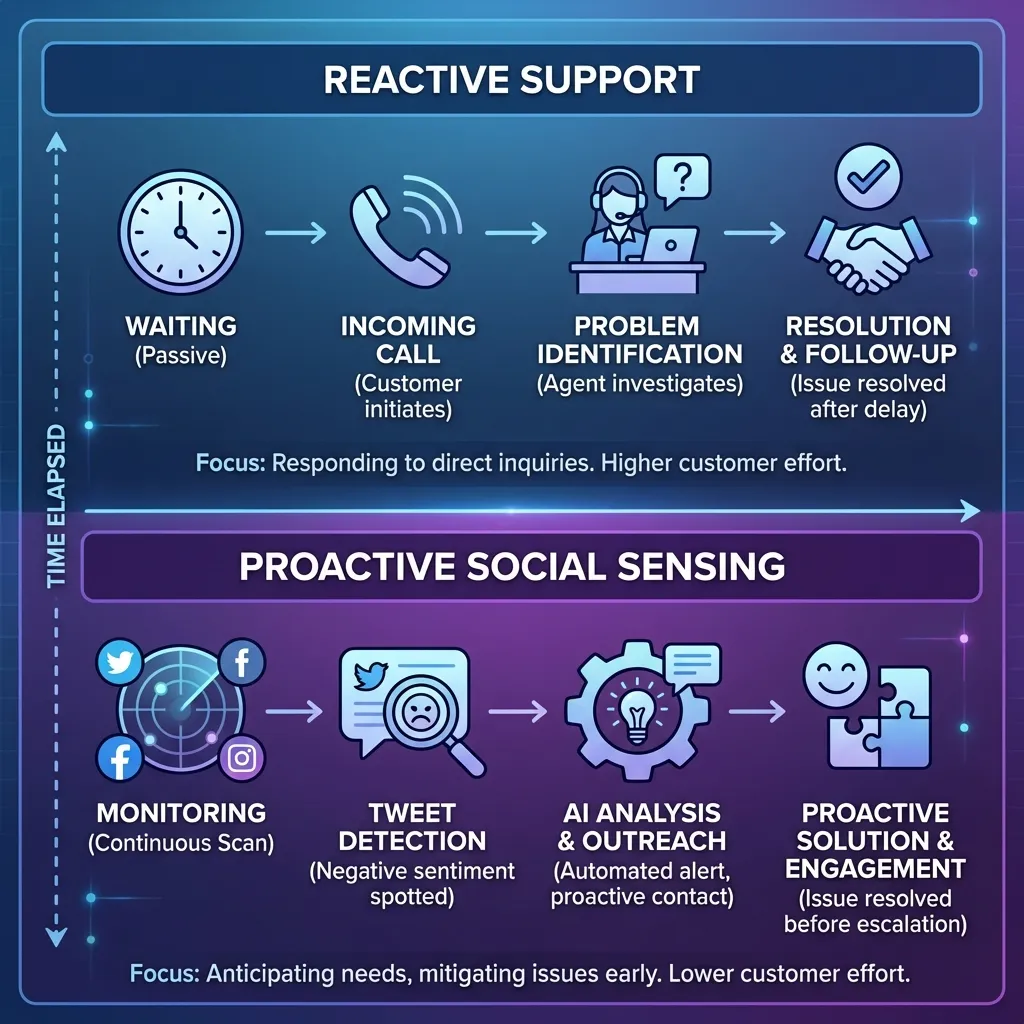
2 & 3: Proactive Service & Fuller Profiles
🎯 Proactive Service
By monitoring conversations, companies can spot issues before they escalate.
- Identify common problems
- Create helpful content (FAQs, tutorials)
- Solve issues before a formal complaint
👤 A Fuller Customer Profile
Enrich traditional CRM data with social data to create a 360-degree view of the customer.
- Interests & Hobbies
- Brand Sentiment (Positive/Negative)
- Social Influence

4. Empowering Community 🤝
Social CRM fosters a space for customers to interact with the brand and each other.
This builds a loyal community where customers can help each other, share tips, and provide feedback.
- Reduces burden on official support channels.
- Increases customer satisfaction and loyalty.
- Generates valuable user-generated content (UGC).
Application: Social CRM in Nepal
Real-World Examples
Ncell & Nepal Telecom: Both use Facebook and Twitter extensively for customer service. They respond to public complaints about network issues, billing questions, and service activation, turning a public forum into a support channel.
Daraz Nepal: Monitors comments on its Facebook page to gauge customer sentiment about sales events, delivery times, and product quality. They often engage directly to resolve issues publicly.
Food Delivery Apps (e.g., Foodmandu): Use social media to handle order issues, gather feedback on restaurants, and run promotional campaigns based on user engagement.
Challenges of Social CRM ⚡
While powerful, implementing a Social CRM strategy comes with significant challenges:
- Volume of Data: The sheer number of social conversations can be overwhelming to monitor and analyze.
- Loss of Control: Public conversations can't be deleted or controlled. A negative comment can go viral quickly.
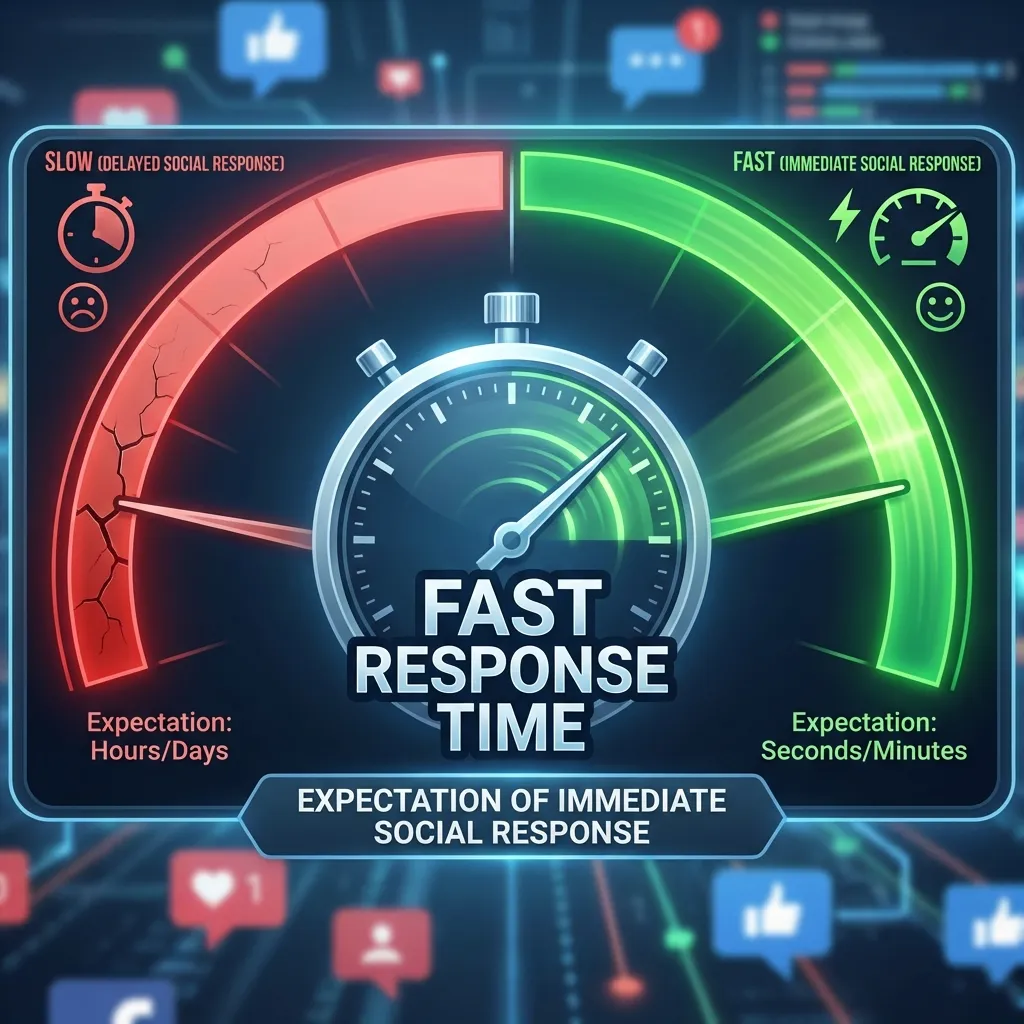
- Response Time Expectations: Customers expect near-instantaneous replies on social media, 24/7.
- Technical Integration: Merging unstructured social data (tweets, posts) with structured CRM data (customer records) is complex.
Key Takeaways
To summarize, Social CRM is the evolution of customer management.
- ✅ It's the integration of social media with traditional CRM, shifting from managing to engaging.
- ✅ Key benefits include proactive service, building a 360-degree customer view, and fostering community.
- ✅ Major challenges are the volume of data, loss of brand control, and high customer expectations.
Thank You
Any questions?
Next Topic: Unit 5.6: The Impact of Social Computing on HR Management | IT 233